Privacy Policy

Contact Us

Privacy Policy

Contact Us

Vanilla French Beignets

Published March 19, 2026 By sarah

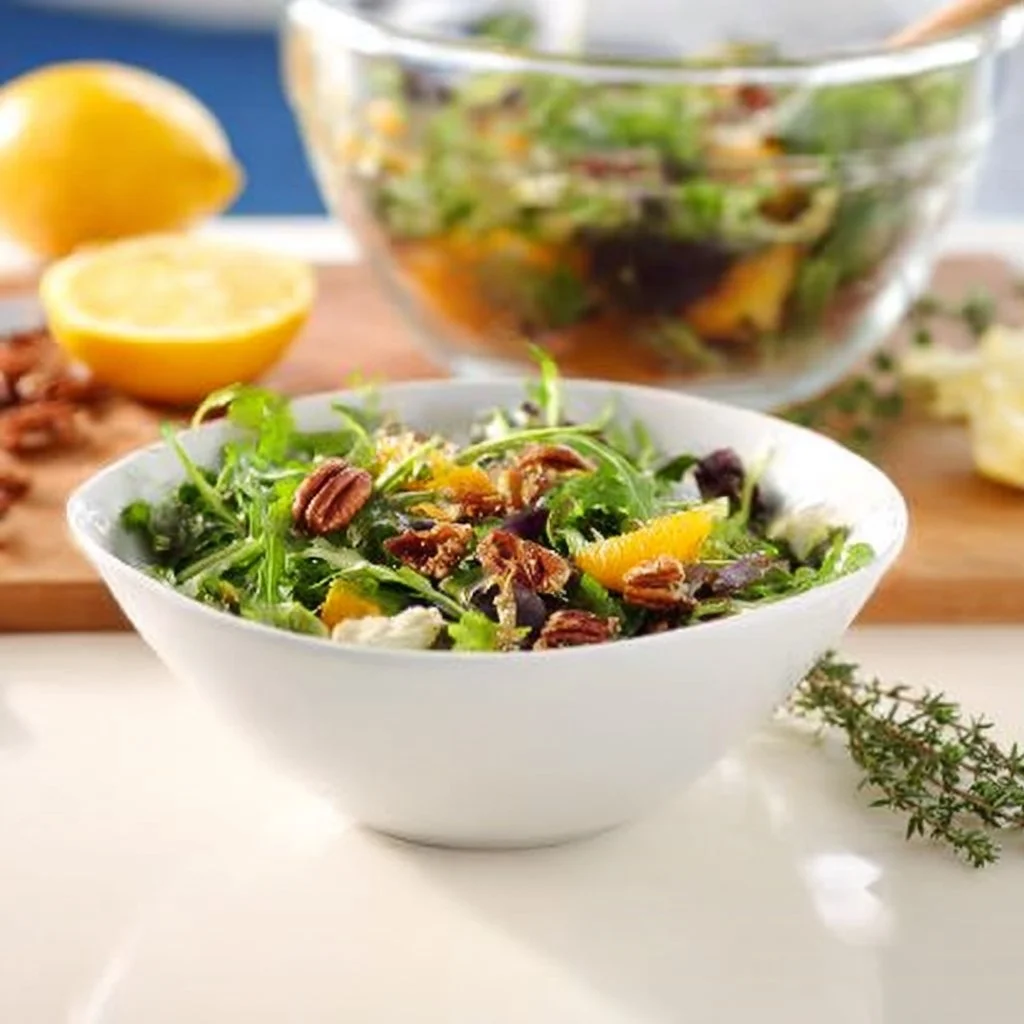
Plate of freshly made Vanilla French Beignets dusted with powdered sugar

Vanilla French Beignets are a seasonal treat that feels like a warm hug for your taste buds. Light, pillowy, and dusted with snowy powdered sugar, these homemade beignets highlight simple pantry staples—flour, milk, egg, and pure vanilla extract—turned into golden pillows of comfort. Whether you’re welcoming colder evenings or celebrating a cozy weekend breakfast, the contrast of a crisp exterior and tender interior makes these beignets worth trying. If you love pairing sweet pastries with a creamy drink, you might enjoy this iced vanilla chai latte alongside them for a refreshing seasonal duo.

Ingredients & Equipment

Ingredients:

  • 2 cups all-purpose flour
  • 1/4 cup granulated sugar
  • 1 tablespoon baking powder
  • 1/2 teaspoon salt
  • 1/2 cup whole milk
  • 1 large egg
  • 1 teaspoon vanilla extract
  • Vegetable oil for frying (about 2–3 cups, depending on pot size)
  • Powdered sugar for dusting

Brief notes:

  • Use fresh baking powder for the best rise.
  • Whole milk gives richness; see substitutions in the FAQ if you need alternatives.
  • Pure vanilla extract will deliver the cleanest flavor; vanilla bean paste works nicely, too.

Helpful tools:

  • Large mixing bowls
  • Rolling pin and floured surface (or a pastry mat)
  • Bench scraper or dough cutter for neat squares
  • Deep fryer or large heavy-bottomed pot
  • Candy/thermometer to monitor oil temperature (350°F / 175°C is ideal)
  • Slotted spoon or spider skimmer for lifting beignets from oil
  • Wire rack and paper towels for draining

Step-by-Step Instructions (with tips)

This simple recipe is forgiving and great for home cooks. Follow the steps below, and read the tips and variations after each section for a smoother experience.

1. Combine dry ingredients

  1. In a large bowl, whisk together the flour, sugar, baking powder, and salt.
    Tip: Sifting the flour and baking powder together helps remove lumps and gives a lighter dough. Whisk thoroughly so the sugar is evenly distributed.

2. Mix wet ingredients

  1. In another bowl, mix the milk, egg, and vanilla extract until well blended.
    Tip: Beat the egg lightly before adding so it incorporates smoothly. If your milk is cold from the fridge, give it a moment at room temperature to help the dough come together more evenly.

3. Combine wet and dry

  1. Combine the wet and dry ingredients until a dough forms.
    Tip: Use a wooden spoon or rubber spatula and mix just until no large pockets of flour remain. Overworking the dough can make the beignets dense; a few small lumps are fine.

4. Roll and cut

  1. Roll the dough out on a floured surface to about 1/2 inch thick, then cut into squares.
    Tip: Dust your rolling pin and surface lightly with flour to prevent sticking. For uniform beignets, press the dough to an even thickness before cutting. A bench scraper makes clean edges and helps transfer squares to the frying ladle.

Variation: If you want round or filled beignets, roll the dough thinner (about 1/4 inch) and use a biscuit cutter. For stuffed beignets, place a teaspoon of jam, chocolate paste, or sweetened cream cheese in the center and seal the edges with a little water.

5. Heat the oil

  1. Heat oil in a deep fryer or large pot to 350°F (175°C).
    Tip: Use a thermometer—visual cues can be misleading. If you don’t have a thermometer, test by dropping a small piece of dough into the oil: it should sizzle and rise slowly to the surface, forming small bubbles. If it browns too quickly, the oil is too hot.

Safety note: Never leave hot oil unattended. Keep a lid nearby to smother flames in the unlikely event of a grease fire, and use long tongs or a slotted spoon to avoid splatters.

6. Fry until golden

  1. Fry the pastry squares until golden brown, about 2–3 minutes on each side.
    Tip: Don’t crowd the pot—fry in small batches so the oil temperature recovers and the beignets cook evenly. Flip gently with a slotted spoon and aim for an even golden color. If they brown too fast, lower the heat a little.

Alternative cooking methods: If you prefer not to deep-fry, you can:

  • Bake: Arrange squares on a parchment-lined tray, brush lightly with oil or melted butter, and bake at 425°F (220°C) for 8–12 minutes, flipping once until golden and puffed. The texture will be slightly different—less crisp exterior—but still delicious.
  • Air-fry: Lightly brush beignet pieces with oil and air-fry at 375°F (190°C) for 6–9 minutes, turning once.
    Note: Roasting or boiling aren’t typical for beignets; roasting trends toward savory caramelization while boiling would produce a dumpling-like result. Stick with frying, baking, or air-frying for the best beignet texture.

7. Drain and dust

  1. Drain on paper towels and dust with powdered sugar before serving. Enjoy your warm beignets!
    Tip: For an even dusting, use a fine sieve to coat the beignets while they’re still slightly warm so the sugar clings nicely. Serve immediately for best texture—beignets are at their peak when warm.

Flavor suggestions:

  • Stir a little lemon zest into the dough for a bright twist.
  • Add a pinch of ground cardamom or cinnamon to the powdered sugar for a warm spice note.
  • For a floral touch, fold in a small amount of pure lavender extract or sprinkle with dried culinary lavender (very sparingly).

Variations & Flavor Ideas

  • Classic vanilla: Stick with the recipe as written for a timeless flavor.
  • Filled beignets: Spoon jam, chocolate-hazelnut spread (halal-friendly brands), or sweet ricotta into the center before sealing and frying.
  • Savory beignets: Reduce the sugar, add grated cheese and herbs, and fry—serve as a brunch side or appetizer. If you want a savory pairing, try these with a light salad or the savory deviled eggs recipe linked below. savory deviled eggs
  • Lavender vanilla: Use lavender and vanilla together for a fragrant, seasonal treat—pair with citrus compote for balance.

Storage, Freezing & Make-Ahead Tips

Storing leftovers:

  • Room temperature: Place cooled beignets in an airtight container with a layer of paper towel to absorb moisture. They’re best eaten within 24 hours—texture softens after that.
  • Refrigeration: You can refrigerate beignets for up to 2 days, but they will lose some crispness. Reheat in a 350°F (175°C) oven for 5–8 minutes to revive them.

Freezing:

  • Freeze uncoated beignets (no powdered sugar) on a baking tray until firm, then transfer to a freezer-safe bag or container. They will keep well for up to 1 month.
  • To reheat, bake straight from frozen at 350°F (175°C) for 8–12 minutes, then dust with powdered sugar after warming.

Make-ahead dough:

  • Prepare the dough and shape it into a disc. Wrap tightly in plastic and refrigerate for up to 24 hours. Allow it to come to room temperature for 15–20 minutes before rolling and cutting.
  • For convenience, you can portion cut squares on a tray, cover lightly, and refrigerate for a few hours before frying.

Portioning advice:

  • This recipe makes roughly 16–20 medium squares (depending on size). For gatherings, double the recipe and fry in batches. Keep fried beignets warm in a low oven (200°F / 95°C) on a wire rack set over a baking tray while you finish remaining batches.

How to Use / Serve This Dish

Serving ideas:

  • Breakfast or brunch: Dust heavily with powdered sugar and serve alongside fresh berries or a fruit compote.
  • Dessert: Dust with sugar and serve with a side of whipped cream or sweetened mascarpone for dipping.
  • Snack or afternoon tea: Pair with a hot cup of tea or the iced vanilla chai latte for a seasonal contrast; the warm vanilla and crispy exterior complement spiced teas beautifully. For a playful twist, sprinkle a little cocoa or cinnamon sugar instead of powdered sugar.

Creative pairings:

  • Citrus curd or berry jam for filling or dipping.
  • Nutty spreads like almond butter or halal-certified chocolate-hazelnut spreads for a richer bite.
  • A light salad or fresh fruit platter if serving as part of a brunch spread.

Presentation tips:

  • For a café-style look, stack beignets on a small cake stand and dust right before serving.
  • Use a mix of powdered sugar and finely grated lemon zest for a bright finish.
  • For parties, set up a “beignet bar” with small bowls of fillings, compotes, and spice dustings so guests can customize their warm pastries.

FAQ

Q: Can I make these beignets without eggs?
A: Yes. For an egg-free version, replace the large egg with 1/4 cup unsweetened applesauce or a commercial egg replacer designed for baking. The texture will be slightly different—less rich and a bit more cake-like—but still tasty. Adjust the dough moisture if needed by adding a tablespoon more flour or a splash more milk.

Q: How long do beignets keep fresh?
A: Freshly fried beignets are best enjoyed the same day, ideally within a few hours. Stored in an airtight container at room temperature, they remain reasonably good for up to 24 hours. For longer storage, freeze uncoated beignets and reheat as described above.

Q: Can I make these gluten-free?
A: You can try a 1:1 gluten-free baking blend that’s formulated for all-purpose use. Results vary by flour blend—expect a slightly different texture and possibly a denser interior. Adding a teaspoon of xanthan gum (unless already included in your blend) can help with structure.

Q: What oil is best for frying?
A: Neutral, high-smoke-point oils like vegetable oil, canola oil, or sunflower oil work well. Use a thermometer to maintain an even 350°F (175°C). Avoid oils with strong flavors that might overpower the delicate vanilla.

Final Tips and Troubleshooting

  • If your beignets are heavy: The dough might have been overmixed or the baking powder is old. Check baking powder freshness and mix gently.
  • If beignets brown too quickly: Oil is too hot. Lower the heat slightly and allow the oil temperature to stabilize between batches.
  • If beignets are greasy: Oil temperature may be too low; ensure it’s around 350°F (175°C). Drain on paper towels and finish briefly on a wire rack to allow excess oil to drip away.

Conclusion

These warm, pillowy New Orleans-style beignets and contemporary takes on the classic French beignets (boules de Berlin) show how simple ingredients become something special—especially during seasonal mornings or cozy gatherings. If you’re feeling adventurous, try a floral twist with the lavender vanilla bean variation for a fragrant holiday rendition. I hope this recipe inspires you to get hands-on in the kitchen, dust your countertops with flour, and share warm beignets with family and friends. If you make a batch, I’d love to hear how they turned out—snap a photo, share your favorite filling, and pass this comforting recipe along. Happy baking!

Plate of freshly made Vanilla French Beignets dusted with powdered sugar

Vanilla French Beignets

Light, pillowy, and dusted with powdered sugar, these Vanilla French Beignets are a delightful treat, perfect for cozy breakfasts or special occasions.
Prep Time 30 minutes
Cook Time 20 minutes
Total Time 50 minutes
Course Breakfast, Dessert, Snack
Cuisine French, New Orleans
Servings 16 pieces
Calories 150 kcal

Ingredients
  

Dry Ingredients

  • 2 cups all-purpose flour
  • ¼ cup granulated sugar
  • 1 tablespoon baking powder
  • ½ teaspoon salt

Wet Ingredients

  • ½ cup whole milk
  • 1 large egg
  • 1 teaspoon vanilla extract

For Frying

  • 2-3 cups vegetable oil for frying, depending on pot size

For Dusting

  • powdered sugar

Instructions
 

Preparation

  • In a large bowl, whisk together the flour, sugar, baking powder, and salt. Tip: Sifting helps remove lumps.
  • In another bowl, mix the milk, egg, and vanilla extract until well blended. Tip: Beat the egg lightly before adding.
  • Combine the wet and dry ingredients until a dough forms. Tip: Mix just until no large pockets of flour remain.
  • Roll the dough out on a floured surface to about 1/2 inch thick, then cut into squares. Tip: Use a bench scraper for clean edges.

Frying

  • Heat oil in a deep fryer or large pot to 350°F (175°C). Tip: Use a thermometer to check the temperature.
  • Fry the pastry squares until golden brown, about 2-3 minutes on each side. Tip: Don’t crowd the pot.
  • Drain on paper towels and dust with powdered sugar before serving. Enjoy your warm beignets!
Notes

For variations, fill beignets with jam or chocolate spread. Store leftovers in an airtight container at room temperature for up to 24 hours. Reheat to maintain crispness.

Nutrition

Serving: 1gCalories: 150kcalCarbohydrates: 25gProtein: 2gFat: 6gSaturated Fat: 1gSodium: 100mgFiber: 1gSugar: 6g
Keyword beignets, French desserts, fried pastries, homemade beignets, vanilla
Tried this recipe?Let us know how it was!

Vanilla French Beignets

Published: March 19, 2026 By sarah

Plate of freshly made Vanilla French Beignets dusted with powdered sugar

Vanilla French Beignets are a seasonal treat that feels like a warm hug for your taste buds. Light, pillowy, and dusted with snowy powdered sugar, these homemade beignets highlight simple pantry staples—flour, milk, egg, and pure vanilla extract—turned into golden pillows of comfort. Whether you’re welcoming colder evenings or celebrating a cozy weekend breakfast, the contrast of a crisp exterior and tender interior makes these beignets worth trying. If you love pairing sweet pastries with a creamy drink, you might enjoy this iced vanilla chai latte alongside them for a refreshing seasonal duo.

Ingredients & Equipment

Ingredients:

  • 2 cups all-purpose flour
  • 1/4 cup granulated sugar
  • 1 tablespoon baking powder
  • 1/2 teaspoon salt
  • 1/2 cup whole milk
  • 1 large egg
  • 1 teaspoon vanilla extract
  • Vegetable oil for frying (about 2–3 cups, depending on pot size)
  • Powdered sugar for dusting

Brief notes:

  • Use fresh baking powder for the best rise.
  • Whole milk gives richness; see substitutions in the FAQ if you need alternatives.
  • Pure vanilla extract will deliver the cleanest flavor; vanilla bean paste works nicely, too.

Helpful tools:

  • Large mixing bowls
  • Rolling pin and floured surface (or a pastry mat)
  • Bench scraper or dough cutter for neat squares
  • Deep fryer or large heavy-bottomed pot
  • Candy/thermometer to monitor oil temperature (350°F / 175°C is ideal)
  • Slotted spoon or spider skimmer for lifting beignets from oil
  • Wire rack and paper towels for draining

Step-by-Step Instructions (with tips)

This simple recipe is forgiving and great for home cooks. Follow the steps below, and read the tips and variations after each section for a smoother experience.

1. Combine dry ingredients

  1. In a large bowl, whisk together the flour, sugar, baking powder, and salt.
    Tip: Sifting the flour and baking powder together helps remove lumps and gives a lighter dough. Whisk thoroughly so the sugar is evenly distributed.

2. Mix wet ingredients

  1. In another bowl, mix the milk, egg, and vanilla extract until well blended.
    Tip: Beat the egg lightly before adding so it incorporates smoothly. If your milk is cold from the fridge, give it a moment at room temperature to help the dough come together more evenly.

3. Combine wet and dry

  1. Combine the wet and dry ingredients until a dough forms.
    Tip: Use a wooden spoon or rubber spatula and mix just until no large pockets of flour remain. Overworking the dough can make the beignets dense; a few small lumps are fine.

4. Roll and cut

  1. Roll the dough out on a floured surface to about 1/2 inch thick, then cut into squares.
    Tip: Dust your rolling pin and surface lightly with flour to prevent sticking. For uniform beignets, press the dough to an even thickness before cutting. A bench scraper makes clean edges and helps transfer squares to the frying ladle.

Variation: If you want round or filled beignets, roll the dough thinner (about 1/4 inch) and use a biscuit cutter. For stuffed beignets, place a teaspoon of jam, chocolate paste, or sweetened cream cheese in the center and seal the edges with a little water.

5. Heat the oil

  1. Heat oil in a deep fryer or large pot to 350°F (175°C).
    Tip: Use a thermometer—visual cues can be misleading. If you don’t have a thermometer, test by dropping a small piece of dough into the oil: it should sizzle and rise slowly to the surface, forming small bubbles. If it browns too quickly, the oil is too hot.

Safety note: Never leave hot oil unattended. Keep a lid nearby to smother flames in the unlikely event of a grease fire, and use long tongs or a slotted spoon to avoid splatters.

6. Fry until golden

  1. Fry the pastry squares until golden brown, about 2–3 minutes on each side.
    Tip: Don’t crowd the pot—fry in small batches so the oil temperature recovers and the beignets cook evenly. Flip gently with a slotted spoon and aim for an even golden color. If they brown too fast, lower the heat a little.

Alternative cooking methods: If you prefer not to deep-fry, you can:

  • Bake: Arrange squares on a parchment-lined tray, brush lightly with oil or melted butter, and bake at 425°F (220°C) for 8–12 minutes, flipping once until golden and puffed. The texture will be slightly different—less crisp exterior—but still delicious.
  • Air-fry: Lightly brush beignet pieces with oil and air-fry at 375°F (190°C) for 6–9 minutes, turning once.
    Note: Roasting or boiling aren’t typical for beignets; roasting trends toward savory caramelization while boiling would produce a dumpling-like result. Stick with frying, baking, or air-frying for the best beignet texture.

7. Drain and dust

  1. Drain on paper towels and dust with powdered sugar before serving. Enjoy your warm beignets!
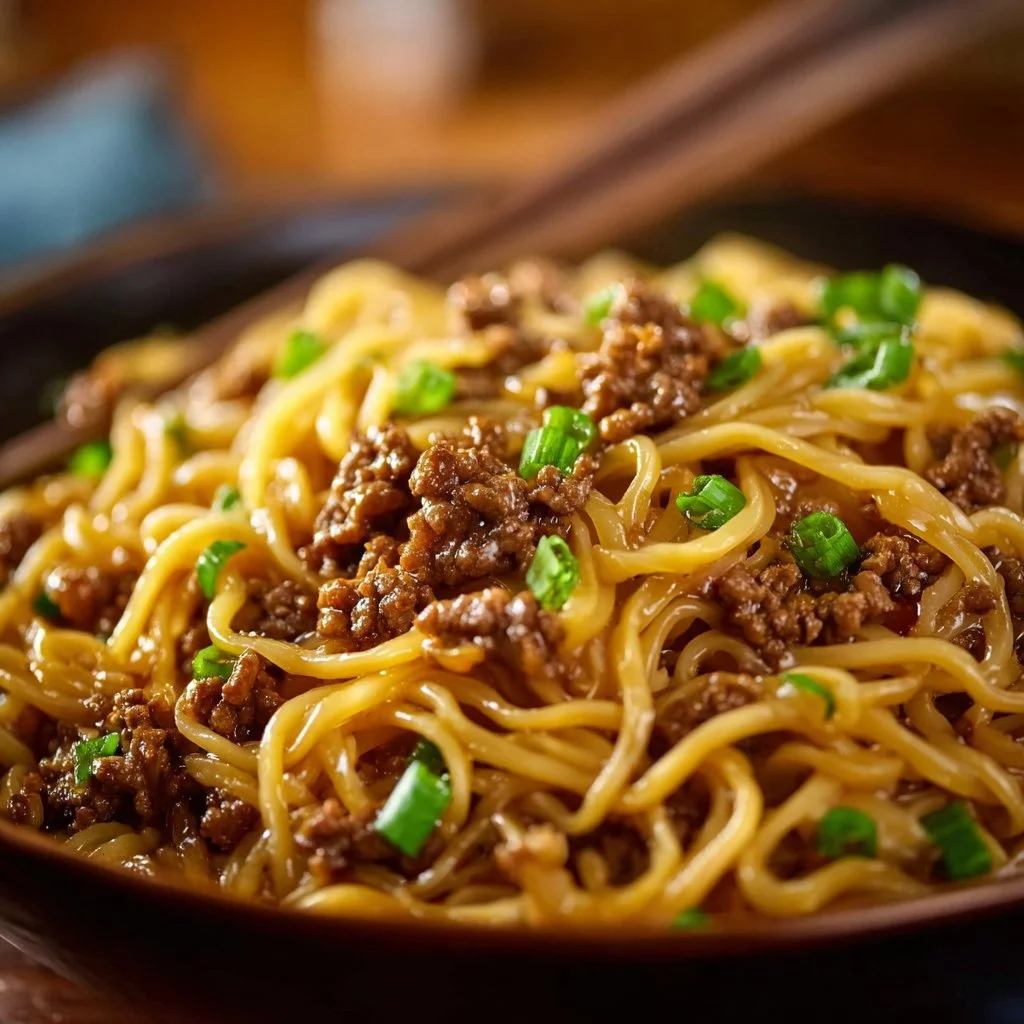
    Tip: For an even dusting, use a fine sieve to coat the beignets while they’re still slightly warm so the sugar clings nicely. Serve immediately for best texture—beignets are at their peak when warm.

Flavor suggestions:

  • Stir a little lemon zest into the dough for a bright twist.
  • Add a pinch of ground cardamom or cinnamon to the powdered sugar for a warm spice note.
  • For a floral touch, fold in a small amount of pure lavender extract or sprinkle with dried culinary lavender (very sparingly).

Variations & Flavor Ideas

  • Classic vanilla: Stick with the recipe as written for a timeless flavor.
  • Filled beignets: Spoon jam, chocolate-hazelnut spread (halal-friendly brands), or sweet ricotta into the center before sealing and frying.
  • Savory beignets: Reduce the sugar, add grated cheese and herbs, and fry—serve as a brunch side or appetizer. If you want a savory pairing, try these with a light salad or the savory deviled eggs recipe linked below. savory deviled eggs
  • Lavender vanilla: Use lavender and vanilla together for a fragrant, seasonal treat—pair with citrus compote for balance.

Storage, Freezing & Make-Ahead Tips

Storing leftovers:

  • Room temperature: Place cooled beignets in an airtight container with a layer of paper towel to absorb moisture. They’re best eaten within 24 hours—texture softens after that.
  • Refrigeration: You can refrigerate beignets for up to 2 days, but they will lose some crispness. Reheat in a 350°F (175°C) oven for 5–8 minutes to revive them.

Freezing:

  • Freeze uncoated beignets (no powdered sugar) on a baking tray until firm, then transfer to a freezer-safe bag or container. They will keep well for up to 1 month.
  • To reheat, bake straight from frozen at 350°F (175°C) for 8–12 minutes, then dust with powdered sugar after warming.

Make-ahead dough:

  • Prepare the dough and shape it into a disc. Wrap tightly in plastic and refrigerate for up to 24 hours. Allow it to come to room temperature for 15–20 minutes before rolling and cutting.
  • For convenience, you can portion cut squares on a tray, cover lightly, and refrigerate for a few hours before frying.

Portioning advice:

  • This recipe makes roughly 16–20 medium squares (depending on size). For gatherings, double the recipe and fry in batches. Keep fried beignets warm in a low oven (200°F / 95°C) on a wire rack set over a baking tray while you finish remaining batches.

How to Use / Serve This Dish

Serving ideas:

  • Breakfast or brunch: Dust heavily with powdered sugar and serve alongside fresh berries or a fruit compote.
  • Dessert: Dust with sugar and serve with a side of whipped cream or sweetened mascarpone for dipping.
  • Snack or afternoon tea: Pair with a hot cup of tea or the iced vanilla chai latte for a seasonal contrast; the warm vanilla and crispy exterior complement spiced teas beautifully. For a playful twist, sprinkle a little cocoa or cinnamon sugar instead of powdered sugar.

Creative pairings:

  • Citrus curd or berry jam for filling or dipping.
  • Nutty spreads like almond butter or halal-certified chocolate-hazelnut spreads for a richer bite.
  • A light salad or fresh fruit platter if serving as part of a brunch spread.

Presentation tips:

  • For a café-style look, stack beignets on a small cake stand and dust right before serving.
  • Use a mix of powdered sugar and finely grated lemon zest for a bright finish.
  • For parties, set up a “beignet bar” with small bowls of fillings, compotes, and spice dustings so guests can customize their warm pastries.

FAQ

Q: Can I make these beignets without eggs?
A: Yes. For an egg-free version, replace the large egg with 1/4 cup unsweetened applesauce or a commercial egg replacer designed for baking. The texture will be slightly different—less rich and a bit more cake-like—but still tasty. Adjust the dough moisture if needed by adding a tablespoon more flour or a splash more milk.

Q: How long do beignets keep fresh?
A: Freshly fried beignets are best enjoyed the same day, ideally within a few hours. Stored in an airtight container at room temperature, they remain reasonably good for up to 24 hours. For longer storage, freeze uncoated beignets and reheat as described above.

Q: Can I make these gluten-free?
A: You can try a 1:1 gluten-free baking blend that’s formulated for all-purpose use. Results vary by flour blend—expect a slightly different texture and possibly a denser interior. Adding a teaspoon of xanthan gum (unless already included in your blend) can help with structure.

Q: What oil is best for frying?
A: Neutral, high-smoke-point oils like vegetable oil, canola oil, or sunflower oil work well. Use a thermometer to maintain an even 350°F (175°C). Avoid oils with strong flavors that might overpower the delicate vanilla.

Final Tips and Troubleshooting

  • If your beignets are heavy: The dough might have been overmixed or the baking powder is old. Check baking powder freshness and mix gently.
  • If beignets brown too quickly: Oil is too hot. Lower the heat slightly and allow the oil temperature to stabilize between batches.
  • If beignets are greasy: Oil temperature may be too low; ensure it’s around 350°F (175°C). Drain on paper towels and finish briefly on a wire rack to allow excess oil to drip away.

Conclusion

These warm, pillowy New Orleans-style beignets and contemporary takes on the classic French beignets (boules de Berlin) show how simple ingredients become something special—especially during seasonal mornings or cozy gatherings. If you’re feeling adventurous, try a floral twist with the lavender vanilla bean variation for a fragrant holiday rendition. I hope this recipe inspires you to get hands-on in the kitchen, dust your countertops with flour, and share warm beignets with family and friends. If you make a batch, I’d love to hear how they turned out—snap a photo, share your favorite filling, and pass this comforting recipe along. Happy baking!

Plate of freshly made Vanilla French Beignets dusted with powdered sugar

Vanilla French Beignets

Light, pillowy, and dusted with powdered sugar, these Vanilla French Beignets are a delightful treat, perfect for cozy breakfasts or special occasions.
Prep Time 30 minutes
Cook Time 20 minutes
Total Time 50 minutes
Course Breakfast, Dessert, Snack
Cuisine French, New Orleans
Servings 16 pieces
Calories 150 kcal

Ingredients
  

Dry Ingredients

  • 2 cups all-purpose flour
  • ¼ cup granulated sugar
  • 1 tablespoon baking powder
  • ½ teaspoon salt

Wet Ingredients

  • ½ cup whole milk
  • 1 large egg
  • 1 teaspoon vanilla extract

For Frying

  • 2-3 cups vegetable oil for frying, depending on pot size

For Dusting

  • powdered sugar

Instructions
 

Preparation

  • In a large bowl, whisk together the flour, sugar, baking powder, and salt. Tip: Sifting helps remove lumps.
  • In another bowl, mix the milk, egg, and vanilla extract until well blended. Tip: Beat the egg lightly before adding.
  • Combine the wet and dry ingredients until a dough forms. Tip: Mix just until no large pockets of flour remain.
  • Roll the dough out on a floured surface to about 1/2 inch thick, then cut into squares. Tip: Use a bench scraper for clean edges.

Frying

  • Heat oil in a deep fryer or large pot to 350°F (175°C). Tip: Use a thermometer to check the temperature.
  • Fry the pastry squares until golden brown, about 2-3 minutes on each side. Tip: Don’t crowd the pot.
  • Drain on paper towels and dust with powdered sugar before serving. Enjoy your warm beignets!
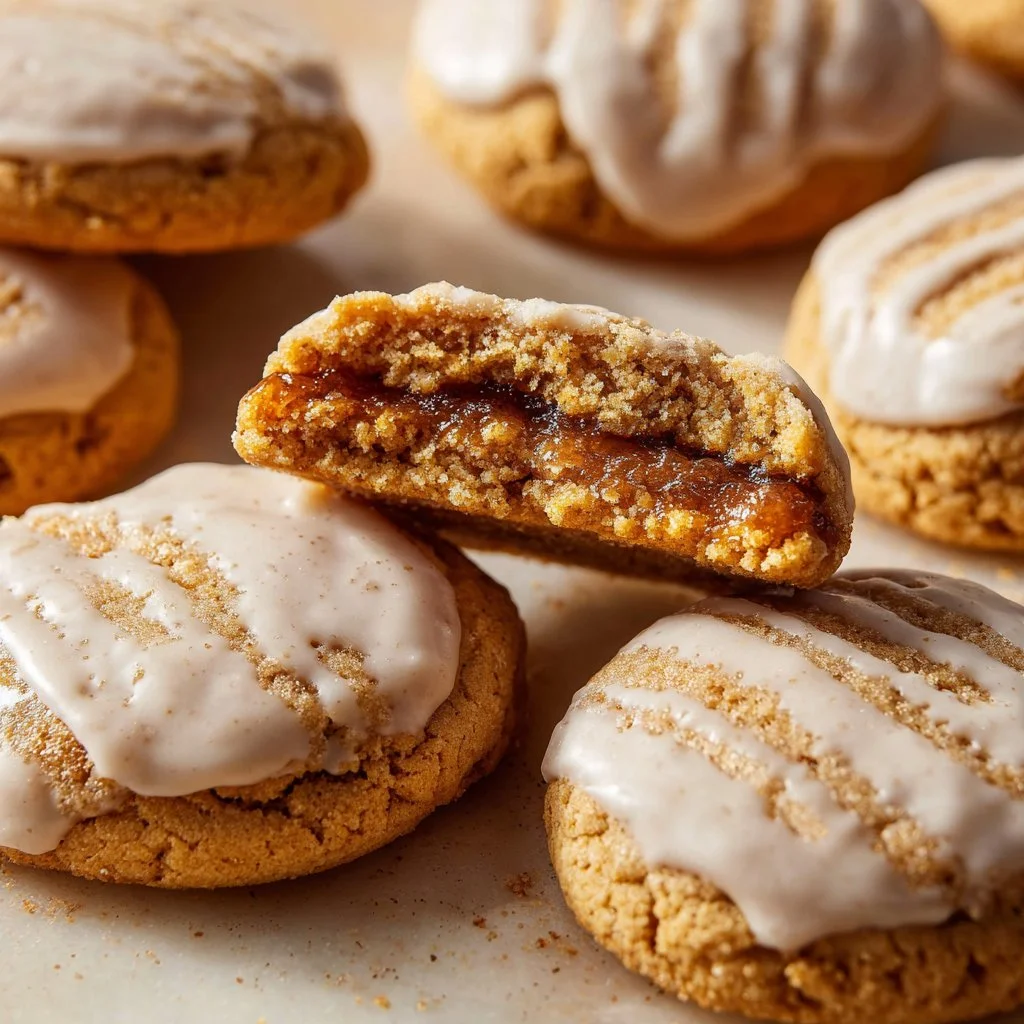
Notes

For variations, fill beignets with jam or chocolate spread. Store leftovers in an airtight container at room temperature for up to 24 hours. Reheat to maintain crispness.

Nutrition

Serving: 1gCalories: 150kcalCarbohydrates: 25gProtein: 2gFat: 6gSaturated Fat: 1gSodium: 100mgFiber: 1gSugar: 6g
Keyword beignets, French desserts, fried pastries, homemade beignets, vanilla
Tried this recipe?Let us know how it was!

Leave a Comment

Recipe Rating