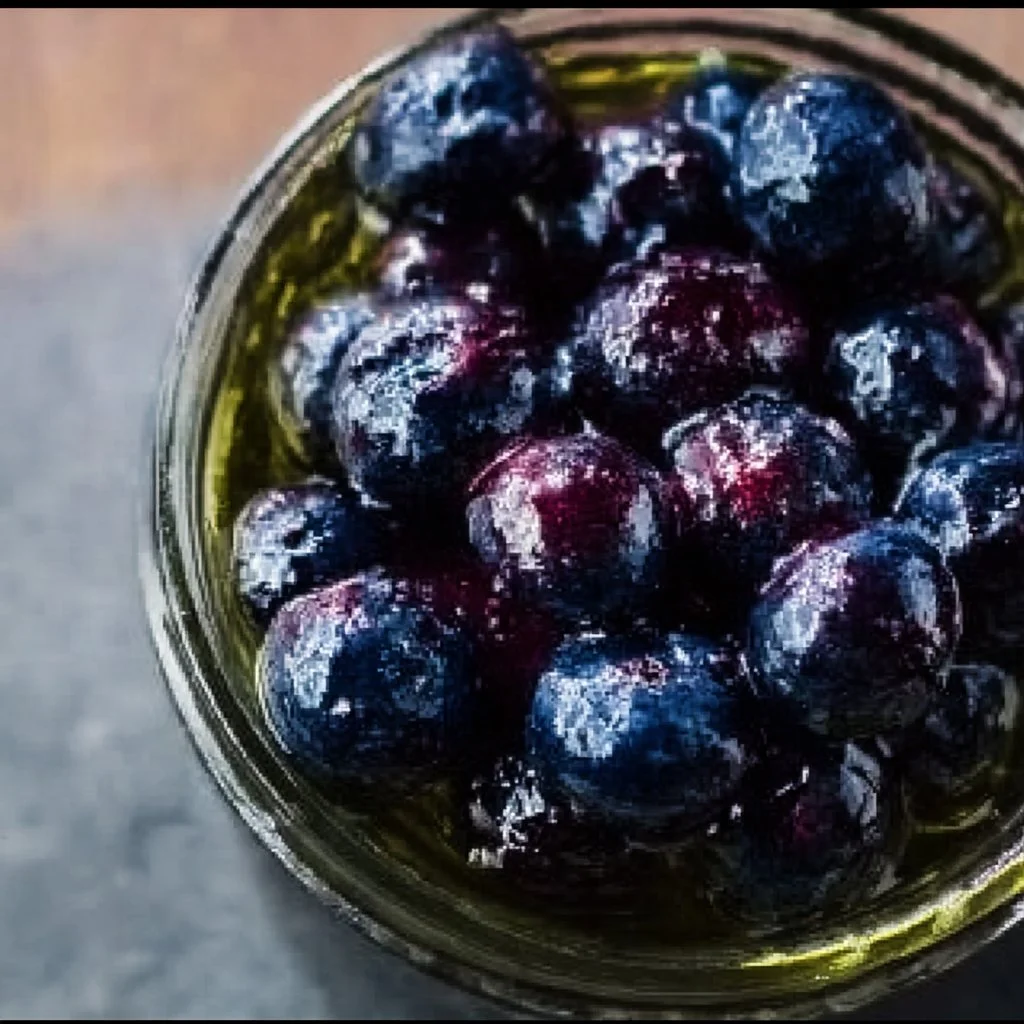
Honey Fermented Blueberries
Honey Fermented Blueberries are a seasonal kitchen treasure that bring bright, tangy-sweet depth to simple breakfasts, snacks, and homemade condiments. If you love projects that celebrate ripe fruit and slow, gentle transformation, this recipe is worth trying: fresh blueberries are submerged in floral honey and left to quietly ferment, softening into jammy little bursts with a complex, probiotic-friendly tang. The texture becomes syrupy yet still pleasantly whole; the flavor sings of summer with an almost creamy complexity from the honey. This cozy, from-scratch preserve is perfect for late-summer or early-fall fruit when berries are at their peak, and makes a welcoming jarred gift for friends and family as well as a pantry staple you’ll reach for again and again. For a savory-sweet pairing idea, this recipe pairs beautifully with a Honeycrisp apple feta salad, where the fermented blueberries add a bright contrast.
Why Ferment Blueberries in Honey?
Fermenting blueberries in honey is a gentle way to preserve fruit while creating deeper flavor and a slightly tangy, fermented character without adding refined sugar. Honey acts as both a sweetener and a natural food source for beneficial microbes. Over several days at room temperature, the blueberries soften, release juices, and mingle with honey to form a rich, aromatic syrup. The result is versatile: a spoonful brightens yogurt or porridge, swirls beautifully into soft cheeses, or becomes the star of a simple condiment plate.
Ingredients & Equipment
Ingredients
- Blueberries — ideally ripe and freshly picked or very fresh from the market.
- Honey — a mild, runny variety (acacia, clover, or wildflower work well). Use pure honey rather than blends with added sugars.
Equipment
- Clean glass jars with lids (mason jars are ideal) — sterilize jars if you plan longer storage.
- A small funnel (optional) to help pour honey.
- A clean spoon or chopstick for pressing berries and removing air pockets.
- A mesh strainer or colander for rinsing.
- A baking tray lined with a towel (optional, useful for catching spills during fermentation).
- A small saucepan (optional) if you choose to warm or roast berries for a variation.
- A thermometer (optional) if you want to slightly warm honey or berries to help dissolve honey — keep temperatures gentle (under 40°C / 104°F) to preserve enzymes and flavor.
Notes
- Use only fresh, sound berries — discard any that are moldy or overly soft.
- Choose pure honey; thicker, crystallized honey can be gently warmed to loosen before using.
- If you’re new to fermenting, keep a fermentation log (dates, tastes) so you can reproduce your favorite timing.
Step-by-Step Instructions (with tips)
1. Clean and rinse the blueberries
Gently sort and rinse your blueberries under cool water to remove dust and debris. Pat them dry on a clean towel or let them air-dry briefly. Avoid bruising the berries — handle them with a light touch.
Tip: If berries are wet, give them a little time to air-dry; excess water can dilute the honey and change fermentation timing.
2. Place the blueberries in a clean jar
Choose a jar that allows a bit of headspace — about one to two inches from the top. Pack the berries gently but don’t crush them. Leaving a little space around them helps honey permeate evenly.
Tip: Use smaller jars if you plan to gift or consume small amounts. Glass is best because it’s inert and won’t react with the ferment.
3. Pour honey over the blueberries, ensuring they are fully submerged
Warm thicker honey gently if needed until it’s pourable (no higher than about 40°C / 104°F). Use a funnel or spoon to drizzle honey over the packed berries. Press gently with a spoon or chopstick to release some berry juice and help remove trapped air. Ideally, all fruit should be covered by honey to reduce surface exposure.
Tip: If honey is very thick, mixing a small amount of cool boiled-and-cooled water (a teaspoon or two per jar) can help, but I prefer to avoid added water when possible to maintain a higher-sugar environment that slows undesirable growth.
4. Seal the jar and let it sit at room temperature for several days to ferment, shaking gently every day
Close the lid loosely or tighten and open once daily — the occasional gas release prevents pressure buildup. Keep jars out of direct sunlight in a cool, stable spot (60–75°F / 15–24°C is fine). Over 3–10 days you’ll notice the honey thinning, berry juices mixing with the honey, and a pleasant aroma developing. Taste daily after day 3 until the sweetness and tang balance for your preference.
Tip: If you’re nervous about pressure, use a fermentation lid or simply "burp" the jar once a day by loosening the lid to release gases, then retightening. Shaking gently each day distributes flavor and helps the honey penetrate.
5. Once fermented to your liking, store in the refrigerator
When the flavor and texture are where you like them — typically a pronounced berry-honey tang and syrupy texture — transfer the jar to the refrigerator to slow fermentation. Chilling stabilizes the flavor and extends shelf life.
Tip: Label jars with the date you started fermentation. Most jars will keep well refrigerated for several months; always check for off smells or visible mold.
Variations and kitchen tips
- Roasted variation: Roast berries at 350°F (175°C) for 10–15 minutes to concentrate their sweetness and add caramel notes before packing them into jars and covering with honey. This creates a warmer, jam-like profile.
- Warm infusion: Briefly warm honey and berries together on very low heat (do not boil) for 2–3 minutes before jarring for a quicker meld — maintain gentle temperatures to keep honey enzymes intact.
- Spiced version: Add a cinnamon stick, a strip of lemon zest, or a few cardamom pods to the jar for aromatic complexity.
- Texture control: For chunkier preserves, use whole berries; for spreadable jam, mash a portion of the berries lightly before adding honey.
- Sweetness balance: If you prefer less sweetness, allow for a longer fermentation time; tang increases as honey is consumed by microbes.
Storage, Freezing & Make-Ahead Tips
Storage
- Refrigerator: Once refrigerated, honey-fermented blueberries will keep well for 2–6 months, depending on how ripe the fruit was and how cleanly they were prepared. Always use a clean spoon to serve.
- Room temperature short-term: You can store the jar at room temperature for the initial fermentation days; after the flavor develops, move to refrigerator for stability.
Freezing
- If you’d like to freeze for longer storage, spoon the fermented blueberries and syrup into freezer-safe containers or bags, leaving headspace for expansion. Thawed berries will be softer but still delicious in smoothies, sauces, or baked goods.
- Frozen jars make lovely ready-to-use portions for winter breakfasts or desserts.
Make-Ahead & Portioning
- Make several small jars at once to gift or to experiment with different flavor additions (vanilla, citrus, spices).
- Portion into 2–4 tablespoon servings for quick use; a small jar will last a household of one or two people longer without repeated opening.
- For gatherings, bring out jars chilled and serve with a cheese board or warm biscuits.
How to Use / Serve This Dish
Creative Serving Ideas
- Yogurt and granola: Spoon over plain yogurt and top with crunchy granola for breakfast or a simple dessert.
- Cheese board star: Serve alongside mild cheeses (ricotta, fresh goat cheese, or cream cheese alternatives) with crackers or warm flatbread; the fermented blueberries add a bright contrast.
- Pancakes and waffles: Warm a spoonful and drizzle over pancakes, crepes, or waffles for a naturally sweet, sophisticated syrup.
- Marinade glaze: Use a spoonful stirred into a yogurt or tahini-based glaze to add fruity sweetness to roasted vegetables or grilled proteins.
- Baking add-in: Fold into muffin batter, swirl into quick breads, or layer into parfaits for texture and flavor bursts.
Flavor Suggestions
- Pair with creamy flavors like soft cheeses or coconut yogurt to balance the tang.
- Brighten savory salads by whisking a small amount of the syrup into dressings; it pairs especially well with bitter greens and roasted nuts.
- For dessert, spoon over vanilla custard or simple semolina pudding for a seasonal finish.
For inspiration on honey-forward baked treats, consider how the sticky complexity of a burnt honey pie uses similar caramelized notes and applications.
FAQ
Q: Do I need special starter culture to ferment blueberries in honey?
A: No starter is required. Honey-fermented blueberries often rely on natural yeasts present on fruit skins and in honey. A clean environment and proper technique (submerging fruit, daily burping) are the key factors. If you prefer, you can add a spoonful of active culture (like a small amount of yogurt whey or brine from another ferment) to kick-start activity, but it’s optional.
Q: How long should I let them ferment?
A: Typical fermentation takes between 3 and 10 days at room temperature. Taste daily starting around day 3; when the balance of sweetness and tang pleases you and the syrup reaches a syrupy consistency, move jars to the refrigerator. Cooler ambient temperatures slow fermentation, so expect longer times in cooler kitchens.
Q: Can I use frozen blueberries?
A: Yes. Thawed frozen berries work well and will soften faster; expect a quicker release of juices and a slightly faster fermentation. If using frozen berries straight into jars while still partially frozen, allow an extra day or two for the honey to integrate.
Q: What if my honey crystallizes or my jar looks cloudy?
A: Honey crystallization is natural and harmless; gently warming the jar in a warm water bath will re-liquefy it. Cloudiness can be normal due to fermentation and berry particles; however, visible mold or an unpleasant rotten smell indicates spoilage — discard any jar with these signs.
Troubleshooting & Safety Tips
- Molds: If you ever see fuzzy mold on the surface, discard the jar. Prevent mold by ensuring fruit is fully submerged in honey and using clean utensils.
- Off-smells: A pleasant, slightly tangy aroma is normal. If you detect strong rotten or putrid odors, discard.
- Pressure: Ferments may produce gas; open jars daily during active fermentation to relieve pressure and prevent lid warping or popping.
- Cleanliness: Sterilize jars for long-term storage and use clean tools to avoid introducing contaminants.
Conclusion
Fermenting seasonal fruit like Honey Fermented Blueberries is a small, soulful kitchen project that rewards patience with jars of bright, layered flavor. These berries bridge sweet, tangy, and floral notes and can lift everyday breakfasts, snacks, and entertaining spreads. If you enjoy preserving the essence of summer fruit to enjoy across the year, this simple recipe is a lovely starting point — adaptable, forgiving, and deeply comforting when spooned over warm porridge or a soft cheese plate. For more on the technique and variations of fermenting fruit in honey, I found helpful guides such as Fermented Honey Blueberries that dive into flavor ideas, Blueberries Preserved in Honey (lacto-fermented) which explores traditional preserving, and a warm take on the recipe at Blueberries Fermented in Honey – Southern Kitchen. I hope you’ll try a jar this season — and please share how you enjoy them with friends, on a salad, or spooned into a cozy breakfast.
Honey Fermented Blueberries
Ingredients
Main Ingredients
- 2 cups Fresh blueberries Ideally ripe and freshly picked
- 1 cup Mild honey Runny varieties like acacia, clover, or wildflower work best
Instructions
Preparation
- Clean and rinse the blueberries. Gently sort and rinse under cool water, then pat dry.
- Place the blueberries in a clean jar. Pack them gently without crushing.
- Pour honey over the blueberries, ensuring they are fully submerged. Warm thicker honey gently if needed.
- Seal the jar and let it sit at room temperature for several days to ferment, shaking gently every day.
- Once fermented to your liking, store in the refrigerator to slow fermentation.