Privacy Policy

Contact Us

Privacy Policy

Contact Us

Fermented Salsa Recipe

Published March 21, 2026 By Lina

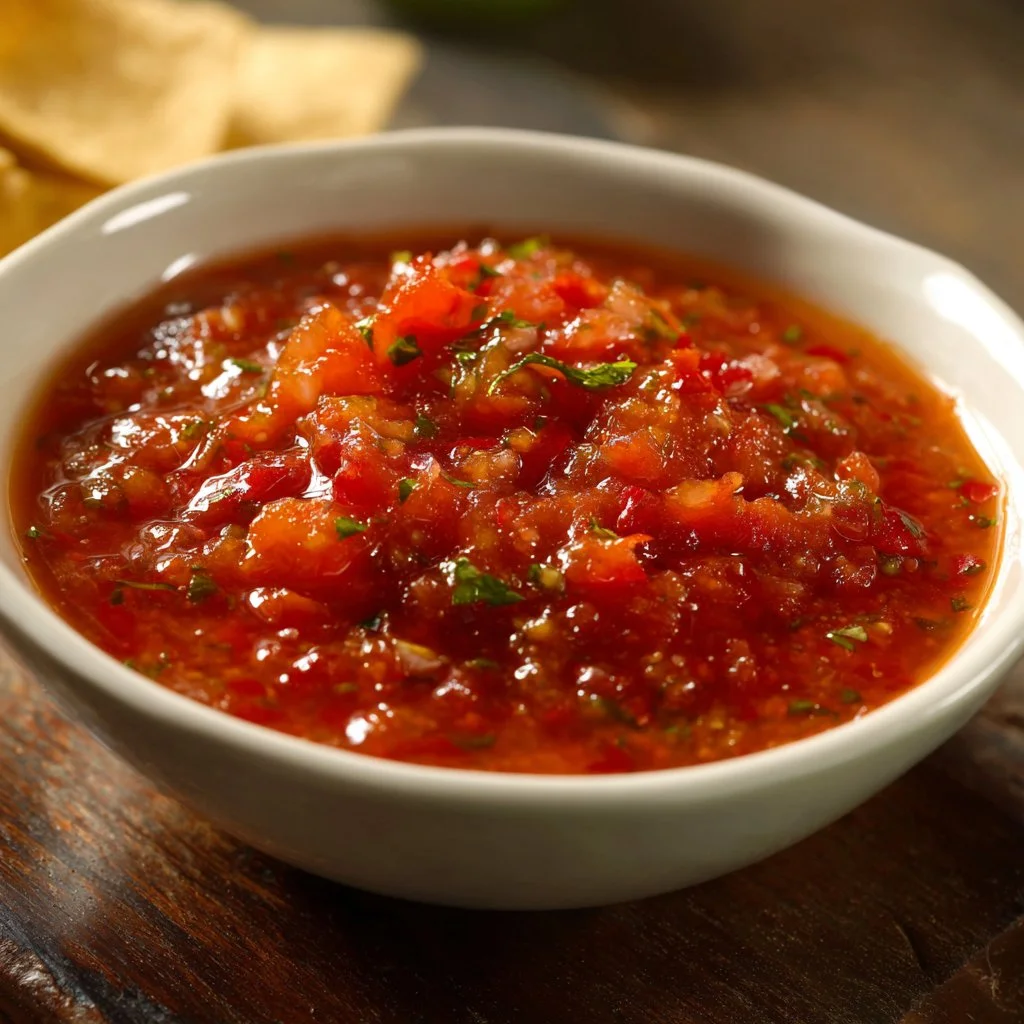
Bowl of homemade fermented salsa with colorful ingredients

Fermented Salsa Recipe is a delightful way to capture the brightness of peak-season tomatoes and peppers while adding tangy depth and digestive-friendly probiotics. If you love hands-on, from-scratch cooking, this fermented salsa will quickly become a pantry favorite: fresh tomatoes and peppers maintain a lively texture, cilantro and garlic add aroma, and a clean salt brine brings everything to life. It’s perfect for summer harvests or whenever you want a lively, shelf-stable condiment. If you enjoy simple homemade projects, save room for a fresh treat like 4-ingredient chocolate peanut butter balls as an easy dessert after a salsa tasting.

Ingredients & Equipment

Ingredients:

  • 6 large tomatoes (- Any tomatoes will work. )
  • 2 medium peppers (- Any peppers will work. Try mixing green, red, orange, and yellow peppers to add more color to the mix.)
  • 2-10 jalapeno or serrano peppers
  • 1 large Onion (- Any onions will do; red, white, yellow, green or sweet onions. )
  • 4 cloves Garlic (- Adjusted to preference. I’d suggest 4 cloves of garlic for a nice garlic flavor.)
  • 1 bunch Cilantro
  • 2-3 tbsp Redmond’s Real Salt, Himalayan pink salt, Celtic sea salt, or pickling salt
  • 1 tbsp Lime Juice or the juice of 1 Lime
  • 2 tbsp Optional: Starter Culture
  • 1-2 cups Optional Add-ons (- Try adding cooked black beans and corn for a fermented salsa salad variation!)

Equipment and helpful tools:

  • Large mixing bowl
  • Cutting board and sharp knife
  • Wide-mouth half-gallon mason jar (or two quart jars)
  • Wide-mouth funnel (optional, very helpful)
  • Fermentation weight (or a small jar/glass that fits inside your jar)
  • Fermentation lid or regular mason jar lids (you can also use a cloth and rubber band for short ferments)
  • Tamper or wooden spoon to press the vegetables down
  • Blender or food processor (optional, if you prefer a smoother salsa)
  • Baking tray (for roasting peppers or tomatoes if you choose that variation)
  • Small bowl and citrus juicer or reamer (for lime juice)
  • Refrigerator or cool storage area for long-term storage

Notes:

  • If you’re curious about salt choices and their benefits, learn more about Japanese pink salt benefits in a short primer on specialty salts: Japanese pink salt benefits.
  • Starter cultures are optional; natural wild fermentation from the vegetables works beautifully if your equipment is clean and your produce is healthy.

Step-by-Step Instructions (with tips)

1. Prepare Your Vegetables

  • Tomatoes: I don’t remove tomato skins, but if you don’t like skin on your tomatoes, dip them in boiling water for a few seconds and then pull the skin off easily (blanching). Core and chop your tomatoes to the desired size. If you prefer a chunky salsa, aim for small dice; for a saucier or blended consistency, pulse in a blender or food processor until you reach the texture you like. Place the chopped or blended tomatoes into a large bowl.
  • Peppers: Remove the seeds and chop the sweet peppers, and hot peppers. If you like more heat, keep the seeds of the hot peppers in the salsa. Consider mixing color varieties for a pretty, seasonal jar.
  • Onion & Garlic: Peel and chop the onions and mince the garlic. Thinner slices give a smoother bite; a chunkier dice gives more texture.
  • Cilantro: Remove the tough stems and chop the leaves. If you prefer less herb intensity, start with half the bunch and adjust next time.

Tip: If you want a roasted flavor, roast peppers and tomatoes on a baking tray under the broiler or over a grill until charred, then peel (if desired) and chop. Roasting deepens the sweetness and adds a smoky note to fermented salsa.

2. Add Salt

  • As a rule, add 2 tablespoons of salt per half gallon of ingredients. However, if you like it saltier, you can add a little more, up to 4 tablespoons.
  • Sprinkle the measured salt across the vegetables and mix well. You should notice juices drawing out from the tomatoes and other vegetables as the salt encourages brine formation.

Kitchen tip: Weighing ingredients and salt gives the most consistent results, but the tablespoon rule works well for home kitchens. If your tomatoes are especially watery, you may need a little less salt to taste.

3. Add Lime Juice

  • Add the juice of half a lime or one-half tablespoon bottled, and taste it. Since the strength of lime juice can vary, you can add more after tasting if you think it needs it. Lime brightens the ferment and balances the tang that develops.

4. Mix Well and Pour Into Your Mason Jar

  • Mix the ingredients well. You should notice the juices drawing from the vegetables.
  • With the help of a wide-mouth funnel, if you have it, pour the salsa into your half-gallon mason jar or into two quart jars. Press the solids down so they’re submerged in brine.
  • If you used drier tomatoes (like roma), press gently with a tamper to coax juice out. If there still isn’t enough liquid to cover the solids, add a small amount of filtered water to ensure everything is submerged.
  • Leave at least one inch of headspace in your jar to allow for bubbling and expansion.

Tip: If you like a smoother texture, blend a portion of the mixture before packing jars. For chunky fermented salsa, keep the dice larger and pack gently.

5. Top With a Fermentation Weight

  • Place a fermentation weight or small clean jar inside the mouth of the larger jar to keep vegetables submerged. Anaerobic conditions are essential—exposure to oxygen can encourage softening or spoilage.

6. Seal the Jar With a Fermentation Lid

  • If you have a fermentation lid, use it; it reduces chances of spoilage and lets gases escape. If using a regular mason jar lid, screw it on fingertip-tight and burp daily when the salsa is actively fermenting, or cover with a cloth secured with a rubber band for short ferments.

7. Place Your Jar In A Darkish Corner To Ferment

  • Keep your ferment out of direct sunlight and at a temperature of at least 65°F (18°C). My ideal daytime temp was around 75°F; slightly cooler nights are okay. If your fermenting area is cool, expect slower activity.
  • Expect cloudiness, bubbles, and a lively smell—these are signs of good fermentation. Place a plate or towel underneath to catch any potential overflow when the jar becomes very active.

8. Check For Done-ness

  • After 2–3 days you should notice a tangy, lively scent and visible bubbles. On cooler days this might take 4–5 days.
  • Taste a small spoonful once bubbling is present and the aroma is distinctly tangy. The salsa will be slightly fizzy.
  • For a fresher texture, refrigerate 1–2 days after bubbles begin. If you let it ferment too long, the salsa will soften and become more saucy—still safe and tasty, but less crisp.
  • Refrigeration slows the microbes and stabilizes the salsa. Properly refrigerated, fermented salsa should stay fresh for at least 3–4 months; it can remain edible longer but may continue to become tarter and softer.

Variations & Flavor Suggestions:

  • Roasted vs. Raw: Roast for a smoky, mellow profile; ferment raw for bright, vegetal flavors.
  • Heat level: Use fewer jalapeños for mild, or up to 10 serranos for a hotter finish. Deseed peppers for less heat.
  • Texture: Pulse in a blender for a smooth salsa or hand-chop for chunky pico-style fermented salsa.
  • Add-ins: Toss in cooked black beans and corn after fermentation for a fermented salsa salad, or stir in diced avocado just before serving for creaminess.
  • Herbs & spices: Cumin, oregano, or a bay leaf can be added sparingly at the start for nuanced flavors. Use fresh herbs near the end to preserve brightness.

Storage, Freezing & Make-Ahead Tips

Storing:

  • Refrigeration is best after the initial active fermentation. A tightly sealed jar stored in the refrigerator will slow fermentation and keep the salsa fresh for 3–4 months.
  • Use clean utensils to scoop salsa from the jar to avoid introducing unwanted bacteria.

Freezing:

  • Fermented salsa can be frozen, but freezing will reduce the probiotic activity and change texture (it may become softer upon thawing). Freeze in airtight containers or freezer bags in portions you’ll use in one go (½ to 1 cup portions freeze well).
  • Thawed fermented salsa is great for cooked dishes—stir into soups, stews, or casseroles where texture is less important, or use as a cooking sauce.

Make-Ahead:

  • Prepare a double batch during tomato season and ferment in multiple jars so you always have a jar ready to chill and enjoy.
  • If you want a lighter fermented salsa to gift or share, ferment for a shorter time (2–3 days), then refrigerate; this keeps a fresher, brighter texture.

Portioning advice:

  • Half-gallon jars are perfect for families or frequent use. Quart jars are ideal for small households or single servings. Consider dividing into 1-cup containers if you plan to freeze.

How to Use / Serve This Dish

Serving ideas:

  • Classic chips and salsa: Serve chilled with crisp tortilla chips for an easy appetizer.
  • Tacos & wraps: Spoon over grilled chicken, fish, or roasted vegetables for a bright, fermented boost.
  • Grain bowls: Top brown rice, quinoa, or bulgur bowls with a hearty scoop of fermented salsa for acidity and texture.
  • Marinade or finishing sauce: Stir into dressings or spoon over roasted meats and vegetables just before serving.
  • Sandwich topping: Use as a zesty layer in sandwiches and burgers for added tang and crunch.

Pairings:

  • Works wonderfully with grilled or roasted chicken — try it as a topping on a simple herb-roasted halal chicken breast or thigh. For inspiration on chicken dishes that would pair beautifully with this salsa, check out these 23 chicken recipes that actually taste amazing.

Creative uses:

  • Fermented salsa mixed with yogurt or a dairy-free yogurt makes a creamy, tangy sauce that’s excellent on roasted veggies.
  • Fold into scrambled eggs or a frittata (or an egg-based bake) for a lively morning meal.
  • Stir into rice or grain salads for a probiotic lift and flavor complexity.

FAQ

Q: Can I use store-bought tomatoes or should I use garden-fresh?
A: Both work. Garden tomatoes are wonderful for flavor and freshness, but store-bought tomatoes are perfectly fine. Riper, juicy tomatoes will produce more brine and usually speed fermentation slightly.

Q: What if I don’t have a fermentation weight or lid?
A: Use a small, clean jar or a food-safe object that fits inside your jar to press the ingredients below the brine. For lids, a fingertip-tight mason jar lid or a cloth secured with a rubber band will work—just be sure to burp the jar daily while it’s actively bubbling.

Q: Can I substitute different salts or reduce the salt amount?
A: Stick reasonably close to the salt guidelines (about 2 tablespoons per half gallon) to keep the ferment safe and stable. You can experiment with Himalayan pink salt or pickling salt, but avoid iodized table salt that contains anti-caking agents. If you have questions about specialist salts, see the short guide to Japanese pink salt benefits for context on different pink salts.

Q: How can I tell if a ferment has gone bad?
A: Trust your senses. A healthy ferment smells pleasantly tangy and slightly yeasty, and shows bubbling. Throw it out if you see fuzzy mold on the surface, a rotten odor, or colors that look severely off. If in doubt, discard and try again with clean tools and fresh produce.

Conclusion

There’s a cozy satisfaction in transforming fresh, seasonal produce into something tangy, lively, and long-lasting — and this Fermented Salsa Recipe is a perfect example. Whether you prefer the bright crunch of raw-fermented tomatoes or the smoky depth of roasted ingredients, this salsa brings a homemade warmth to chips, bowls, sandwiches, and weeknight dinners. If you want to explore how other home cooks approach fermentation or gather more tips and variations, start with Melissa K. Norris’s approachable fresh fermented salsa recipe or compare techniques at The Cross Legacy’s write-up of the best homemade fermented salsa recipe. For an example focused on lacto-fermentation basics and a slightly different method, see the lacto fermented salsa recipe at Farmhouse on Boone. Give this recipe a try, share a jar with a neighbor, and come back to tell how you adjusted peppers or tried a roasted version — I’d love to hear what worked for you.
Bowl of homemade fermented salsa with colorful ingredients

Fermented Salsa

This delightful fermented salsa captures the brightness of peak-season tomatoes and peppers while adding tangy depth and digestive-friendly probiotics.
Prep Time 30 minutes
Total Time 3 days
Course Appetizer, Condiment
Cuisine American, Mexican
Servings 8 servings
Calories 50 kcal

Ingredients
  

Fresh Ingredients

  • 6 large large tomatoes Any tomatoes will work.
  • 2 medium medium peppers Mix green, red, orange, and yellow peppers for more color.
  • 2-10 pieces jalapeno or serrano peppers Use fewer for milder salsa, adjust to taste.
  • 1 large onion Any type of onion will do.
  • 4 cloves garlic Adjust to preference.
  • 1 bunch cilantro Chop leaves and remove tough stems.
  • 2-3 tbsp salt Use Redmond’s Real Salt, Himalayan pink salt, Celtic sea salt, or pickling salt.
  • 1 tbsp lime juice Or the juice of 1 lime.
  • 2 tbsp optional starter culture Natural fermentation works beautifully if produce is healthy.
  • 1-2 cups optional add-ons Try adding cooked black beans and corn.

Instructions
 

Preparation

  • Core and chop tomatoes to desired size. If you want a chunky salsa, aim for small dice; for a smooth consistency, pulse in a blender.
  • Chop sweet peppers and hot peppers, keeping seeds if you like more heat.
  • Peel and chop onions and mince garlic.
  • Chop cilantro, adjusting amount as desired.
  • Optional: Roast peppers and tomatoes for a smoky flavor.

Mix Ingredients

  • Add salt to the vegetables and mix well.
  • Add lime juice and mix, adjusting to taste.

Jar Packing

  • Pour salsa into a half-gallon mason jar or two quart jars, pressing solids down to be submerged in brine.
  • Leave at least one inch of headspace.

Ferment

  • Add a fermentation weight or small jar to keep vegetables submerged.
  • Seal the jar with a fermentation lid or fingertip-tight mason jar lid.
  • Place in a dark area to ferment at temperatures of at least 65°F.

Check and Store

  • After 2-3 days, check for a tangy aroma and bubbles. Taste to check readiness.
  • Refrigerate to stop fermentation once desired tang is achieved.

Notes

Refrigerate fermented salsa for 3-4 months. Clean utensils when serving from the jar to prevent contamination. Freezing is an option, but it may change texture.

Nutrition

Serving: 1gCalories: 50kcalCarbohydrates: 10gProtein: 2gSodium: 500mgFiber: 2gSugar: 4g
Keyword Canning, Fermented Salsa, Homemade Salsa, Preservation, Probiotic Foods
Tried this recipe?Let us know how it was!

Fermented Salsa Recipe

Published: March 21, 2026 By Lina

Bowl of homemade fermented salsa with colorful ingredients

Fermented Salsa Recipe is a delightful way to capture the brightness of peak-season tomatoes and peppers while adding tangy depth and digestive-friendly probiotics. If you love hands-on, from-scratch cooking, this fermented salsa will quickly become a pantry favorite: fresh tomatoes and peppers maintain a lively texture, cilantro and garlic add aroma, and a clean salt brine brings everything to life. It’s perfect for summer harvests or whenever you want a lively, shelf-stable condiment. If you enjoy simple homemade projects, save room for a fresh treat like 4-ingredient chocolate peanut butter balls as an easy dessert after a salsa tasting.

Ingredients & Equipment

Ingredients:

  • 6 large tomatoes (- Any tomatoes will work. )
  • 2 medium peppers (- Any peppers will work. Try mixing green, red, orange, and yellow peppers to add more color to the mix.)
  • 2-10 jalapeno or serrano peppers
  • 1 large Onion (- Any onions will do; red, white, yellow, green or sweet onions. )
  • 4 cloves Garlic (- Adjusted to preference. I’d suggest 4 cloves of garlic for a nice garlic flavor.)
  • 1 bunch Cilantro
  • 2-3 tbsp Redmond’s Real Salt, Himalayan pink salt, Celtic sea salt, or pickling salt
  • 1 tbsp Lime Juice or the juice of 1 Lime
  • 2 tbsp Optional: Starter Culture
  • 1-2 cups Optional Add-ons (- Try adding cooked black beans and corn for a fermented salsa salad variation!)

Equipment and helpful tools:

  • Large mixing bowl
  • Cutting board and sharp knife
  • Wide-mouth half-gallon mason jar (or two quart jars)
  • Wide-mouth funnel (optional, very helpful)
  • Fermentation weight (or a small jar/glass that fits inside your jar)
  • Fermentation lid or regular mason jar lids (you can also use a cloth and rubber band for short ferments)
  • Tamper or wooden spoon to press the vegetables down
  • Blender or food processor (optional, if you prefer a smoother salsa)
  • Baking tray (for roasting peppers or tomatoes if you choose that variation)
  • Small bowl and citrus juicer or reamer (for lime juice)
  • Refrigerator or cool storage area for long-term storage

Notes:

  • If you’re curious about salt choices and their benefits, learn more about Japanese pink salt benefits in a short primer on specialty salts: Japanese pink salt benefits.
  • Starter cultures are optional; natural wild fermentation from the vegetables works beautifully if your equipment is clean and your produce is healthy.

Step-by-Step Instructions (with tips)

1. Prepare Your Vegetables

  • Tomatoes: I don’t remove tomato skins, but if you don’t like skin on your tomatoes, dip them in boiling water for a few seconds and then pull the skin off easily (blanching). Core and chop your tomatoes to the desired size. If you prefer a chunky salsa, aim for small dice; for a saucier or blended consistency, pulse in a blender or food processor until you reach the texture you like. Place the chopped or blended tomatoes into a large bowl.
  • Peppers: Remove the seeds and chop the sweet peppers, and hot peppers. If you like more heat, keep the seeds of the hot peppers in the salsa. Consider mixing color varieties for a pretty, seasonal jar.
  • Onion & Garlic: Peel and chop the onions and mince the garlic. Thinner slices give a smoother bite; a chunkier dice gives more texture.
  • Cilantro: Remove the tough stems and chop the leaves. If you prefer less herb intensity, start with half the bunch and adjust next time.

Tip: If you want a roasted flavor, roast peppers and tomatoes on a baking tray under the broiler or over a grill until charred, then peel (if desired) and chop. Roasting deepens the sweetness and adds a smoky note to fermented salsa.

2. Add Salt

  • As a rule, add 2 tablespoons of salt per half gallon of ingredients. However, if you like it saltier, you can add a little more, up to 4 tablespoons.
  • Sprinkle the measured salt across the vegetables and mix well. You should notice juices drawing out from the tomatoes and other vegetables as the salt encourages brine formation.

Kitchen tip: Weighing ingredients and salt gives the most consistent results, but the tablespoon rule works well for home kitchens. If your tomatoes are especially watery, you may need a little less salt to taste.

3. Add Lime Juice

  • Add the juice of half a lime or one-half tablespoon bottled, and taste it. Since the strength of lime juice can vary, you can add more after tasting if you think it needs it. Lime brightens the ferment and balances the tang that develops.

4. Mix Well and Pour Into Your Mason Jar

  • Mix the ingredients well. You should notice the juices drawing from the vegetables.
  • With the help of a wide-mouth funnel, if you have it, pour the salsa into your half-gallon mason jar or into two quart jars. Press the solids down so they’re submerged in brine.
  • If you used drier tomatoes (like roma), press gently with a tamper to coax juice out. If there still isn’t enough liquid to cover the solids, add a small amount of filtered water to ensure everything is submerged.
  • Leave at least one inch of headspace in your jar to allow for bubbling and expansion.

Tip: If you like a smoother texture, blend a portion of the mixture before packing jars. For chunky fermented salsa, keep the dice larger and pack gently.

5. Top With a Fermentation Weight

  • Place a fermentation weight or small clean jar inside the mouth of the larger jar to keep vegetables submerged. Anaerobic conditions are essential—exposure to oxygen can encourage softening or spoilage.

6. Seal the Jar With a Fermentation Lid

  • If you have a fermentation lid, use it; it reduces chances of spoilage and lets gases escape. If using a regular mason jar lid, screw it on fingertip-tight and burp daily when the salsa is actively fermenting, or cover with a cloth secured with a rubber band for short ferments.

7. Place Your Jar In A Darkish Corner To Ferment

  • Keep your ferment out of direct sunlight and at a temperature of at least 65°F (18°C). My ideal daytime temp was around 75°F; slightly cooler nights are okay. If your fermenting area is cool, expect slower activity.
  • Expect cloudiness, bubbles, and a lively smell—these are signs of good fermentation. Place a plate or towel underneath to catch any potential overflow when the jar becomes very active.

8. Check For Done-ness

  • After 2–3 days you should notice a tangy, lively scent and visible bubbles. On cooler days this might take 4–5 days.
  • Taste a small spoonful once bubbling is present and the aroma is distinctly tangy. The salsa will be slightly fizzy.
  • For a fresher texture, refrigerate 1–2 days after bubbles begin. If you let it ferment too long, the salsa will soften and become more saucy—still safe and tasty, but less crisp.
  • Refrigeration slows the microbes and stabilizes the salsa. Properly refrigerated, fermented salsa should stay fresh for at least 3–4 months; it can remain edible longer but may continue to become tarter and softer.

Variations & Flavor Suggestions:

  • Roasted vs. Raw: Roast for a smoky, mellow profile; ferment raw for bright, vegetal flavors.
  • Heat level: Use fewer jalapeños for mild, or up to 10 serranos for a hotter finish. Deseed peppers for less heat.
  • Texture: Pulse in a blender for a smooth salsa or hand-chop for chunky pico-style fermented salsa.
  • Add-ins: Toss in cooked black beans and corn after fermentation for a fermented salsa salad, or stir in diced avocado just before serving for creaminess.
  • Herbs & spices: Cumin, oregano, or a bay leaf can be added sparingly at the start for nuanced flavors. Use fresh herbs near the end to preserve brightness.

Storage, Freezing & Make-Ahead Tips

Storing:

  • Refrigeration is best after the initial active fermentation. A tightly sealed jar stored in the refrigerator will slow fermentation and keep the salsa fresh for 3–4 months.
  • Use clean utensils to scoop salsa from the jar to avoid introducing unwanted bacteria.

Freezing:

  • Fermented salsa can be frozen, but freezing will reduce the probiotic activity and change texture (it may become softer upon thawing). Freeze in airtight containers or freezer bags in portions you’ll use in one go (½ to 1 cup portions freeze well).
  • Thawed fermented salsa is great for cooked dishes—stir into soups, stews, or casseroles where texture is less important, or use as a cooking sauce.

Make-Ahead:

  • Prepare a double batch during tomato season and ferment in multiple jars so you always have a jar ready to chill and enjoy.
  • If you want a lighter fermented salsa to gift or share, ferment for a shorter time (2–3 days), then refrigerate; this keeps a fresher, brighter texture.

Portioning advice:

  • Half-gallon jars are perfect for families or frequent use. Quart jars are ideal for small households or single servings. Consider dividing into 1-cup containers if you plan to freeze.

How to Use / Serve This Dish

Serving ideas:

  • Classic chips and salsa: Serve chilled with crisp tortilla chips for an easy appetizer.
  • Tacos & wraps: Spoon over grilled chicken, fish, or roasted vegetables for a bright, fermented boost.
  • Grain bowls: Top brown rice, quinoa, or bulgur bowls with a hearty scoop of fermented salsa for acidity and texture.
  • Marinade or finishing sauce: Stir into dressings or spoon over roasted meats and vegetables just before serving.
  • Sandwich topping: Use as a zesty layer in sandwiches and burgers for added tang and crunch.

Pairings:

  • Works wonderfully with grilled or roasted chicken — try it as a topping on a simple herb-roasted halal chicken breast or thigh. For inspiration on chicken dishes that would pair beautifully with this salsa, check out these 23 chicken recipes that actually taste amazing.

Creative uses:

  • Fermented salsa mixed with yogurt or a dairy-free yogurt makes a creamy, tangy sauce that’s excellent on roasted veggies.
  • Fold into scrambled eggs or a frittata (or an egg-based bake) for a lively morning meal.
  • Stir into rice or grain salads for a probiotic lift and flavor complexity.

FAQ

Q: Can I use store-bought tomatoes or should I use garden-fresh?
A: Both work. Garden tomatoes are wonderful for flavor and freshness, but store-bought tomatoes are perfectly fine. Riper, juicy tomatoes will produce more brine and usually speed fermentation slightly.

Q: What if I don’t have a fermentation weight or lid?
A: Use a small, clean jar or a food-safe object that fits inside your jar to press the ingredients below the brine. For lids, a fingertip-tight mason jar lid or a cloth secured with a rubber band will work—just be sure to burp the jar daily while it’s actively bubbling.

Q: Can I substitute different salts or reduce the salt amount?
A: Stick reasonably close to the salt guidelines (about 2 tablespoons per half gallon) to keep the ferment safe and stable. You can experiment with Himalayan pink salt or pickling salt, but avoid iodized table salt that contains anti-caking agents. If you have questions about specialist salts, see the short guide to Japanese pink salt benefits for context on different pink salts.

Q: How can I tell if a ferment has gone bad?
A: Trust your senses. A healthy ferment smells pleasantly tangy and slightly yeasty, and shows bubbling. Throw it out if you see fuzzy mold on the surface, a rotten odor, or colors that look severely off. If in doubt, discard and try again with clean tools and fresh produce.

Conclusion

There’s a cozy satisfaction in transforming fresh, seasonal produce into something tangy, lively, and long-lasting — and this Fermented Salsa Recipe is a perfect example. Whether you prefer the bright crunch of raw-fermented tomatoes or the smoky depth of roasted ingredients, this salsa brings a homemade warmth to chips, bowls, sandwiches, and weeknight dinners. If you want to explore how other home cooks approach fermentation or gather more tips and variations, start with Melissa K. Norris’s approachable fresh fermented salsa recipe or compare techniques at The Cross Legacy’s write-up of the best homemade fermented salsa recipe. For an example focused on lacto-fermentation basics and a slightly different method, see the lacto fermented salsa recipe at Farmhouse on Boone. Give this recipe a try, share a jar with a neighbor, and come back to tell how you adjusted peppers or tried a roasted version — I’d love to hear what worked for you.

Bowl of homemade fermented salsa with colorful ingredients

Fermented Salsa

This delightful fermented salsa captures the brightness of peak-season tomatoes and peppers while adding tangy depth and digestive-friendly probiotics.
Prep Time 30 minutes
Total Time 3 days
Course Appetizer, Condiment
Cuisine American, Mexican
Servings 8 servings
Calories 50 kcal

Ingredients
  

Fresh Ingredients

  • 6 large large tomatoes Any tomatoes will work.
  • 2 medium medium peppers Mix green, red, orange, and yellow peppers for more color.
  • 2-10 pieces jalapeno or serrano peppers Use fewer for milder salsa, adjust to taste.
  • 1 large onion Any type of onion will do.
  • 4 cloves garlic Adjust to preference.
  • 1 bunch cilantro Chop leaves and remove tough stems.
  • 2-3 tbsp salt Use Redmond’s Real Salt, Himalayan pink salt, Celtic sea salt, or pickling salt.
  • 1 tbsp lime juice Or the juice of 1 lime.
  • 2 tbsp optional starter culture Natural fermentation works beautifully if produce is healthy.
  • 1-2 cups optional add-ons Try adding cooked black beans and corn.

Instructions
 

Preparation

  • Core and chop tomatoes to desired size. If you want a chunky salsa, aim for small dice; for a smooth consistency, pulse in a blender.
  • Chop sweet peppers and hot peppers, keeping seeds if you like more heat.
  • Peel and chop onions and mince garlic.
  • Chop cilantro, adjusting amount as desired.
  • Optional: Roast peppers and tomatoes for a smoky flavor.

Mix Ingredients

  • Add salt to the vegetables and mix well.
  • Add lime juice and mix, adjusting to taste.

Jar Packing

  • Pour salsa into a half-gallon mason jar or two quart jars, pressing solids down to be submerged in brine.
  • Leave at least one inch of headspace.

Ferment

  • Add a fermentation weight or small jar to keep vegetables submerged.
  • Seal the jar with a fermentation lid or fingertip-tight mason jar lid.
  • Place in a dark area to ferment at temperatures of at least 65°F.

Check and Store

  • After 2-3 days, check for a tangy aroma and bubbles. Taste to check readiness.
  • Refrigerate to stop fermentation once desired tang is achieved.

Notes

Refrigerate fermented salsa for 3-4 months. Clean utensils when serving from the jar to prevent contamination. Freezing is an option, but it may change texture.

Nutrition

Serving: 1gCalories: 50kcalCarbohydrates: 10gProtein: 2gSodium: 500mgFiber: 2gSugar: 4g
Keyword Canning, Fermented Salsa, Homemade Salsa, Preservation, Probiotic Foods
Tried this recipe?Let us know how it was!

Leave a Comment

Recipe Rating