Privacy Policy

Contact Us

Privacy Policy

Contact Us

Yaki Udon Noodle Recipe

Published February 25, 2026 By Carol bonaparte

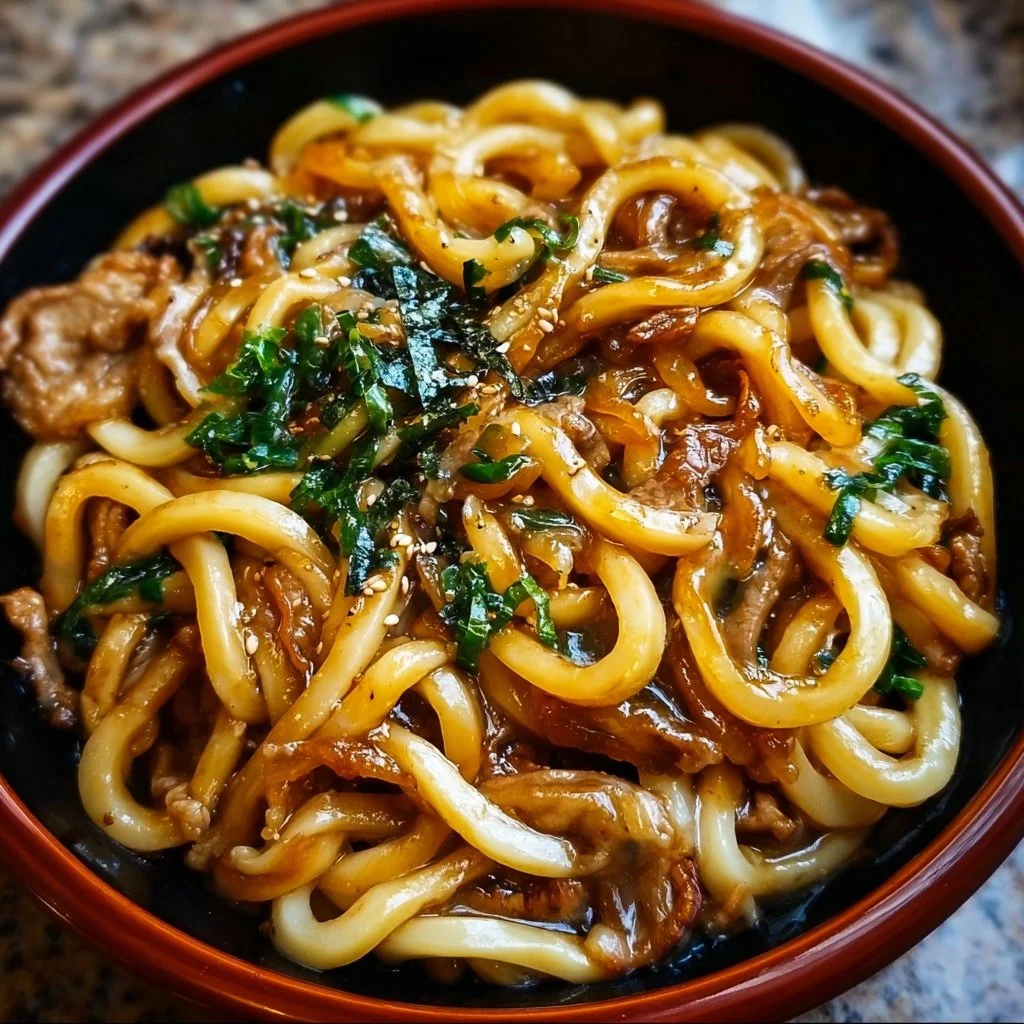
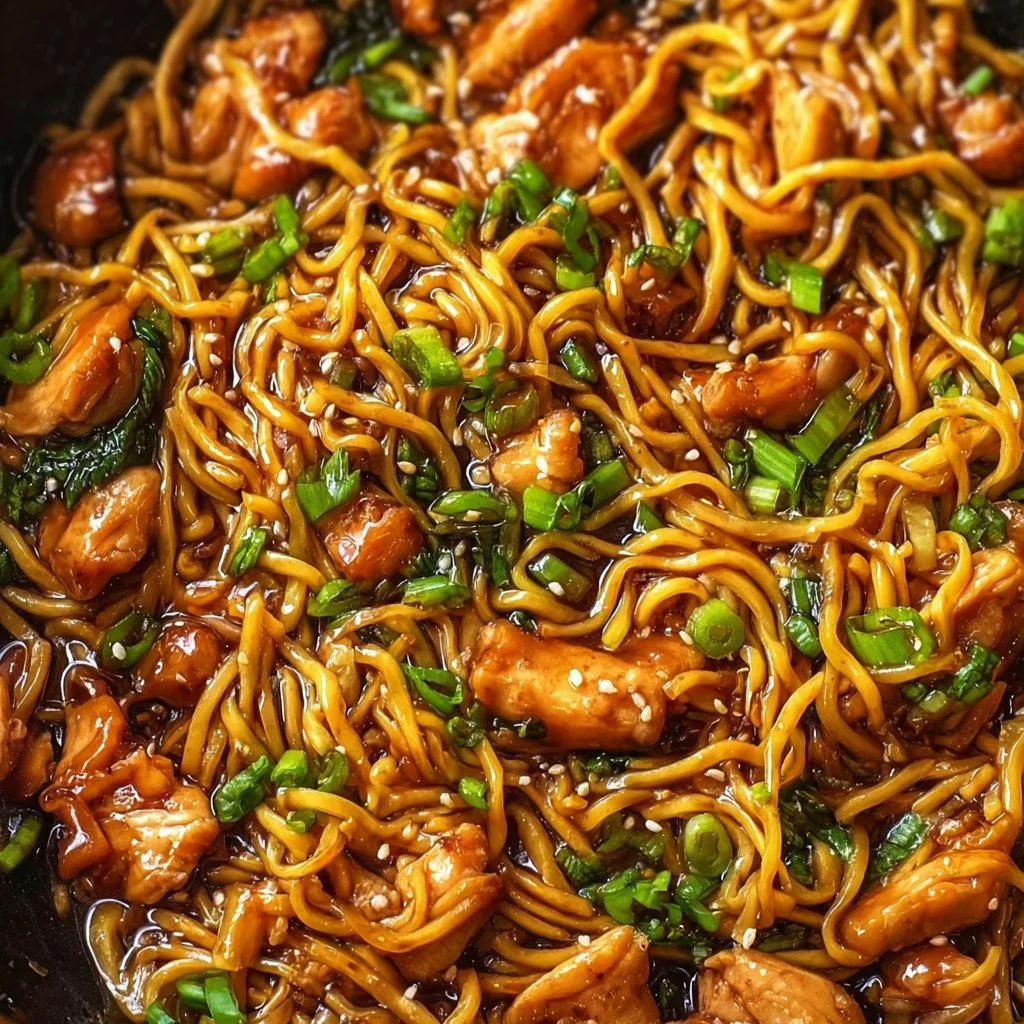
Delicious Yaki Udon noodles in a stir-fry with colorful vegetables.

Yaki Udon Noodle Recipe brings together chewy udon, snappy vegetables, and a savory-sweet sauce that feels like a warm hug on a chilly evening. If you’ve been searching for a simple, seasonal dinner that’s fast to make but tastes like you spent hours in the kitchen, this recipe is worth trying. The main ingredient—thick, pillowy udon noodles—gives the dish its signature texture, while carrots, bell pepper, and bean sprouts add brightness and crunch. If you like adding a lean protein for extra heartiness, consider pairing with one of our amazing chicken recipes that complement these flavors beautifully. This version is fully halal-friendly, easy to adapt, and perfect for making with whatever vegetables are in season.

Ingredients & Equipment

Ingredients

  • 400g udon noodles
  • 1 tablespoon vegetable oil
  • 1 carrot, julienned
  • 1 bell pepper, sliced
  • 1 cup bean sprouts
  • 2 green onions, chopped
  • 2 tablespoons soy sauce
  • 1 tablespoon oyster sauce
  • 1 tablespoon mirin (optional — use a mirin-style, halal-friendly seasoning or 1 teaspoon rice vinegar + 1 teaspoon sugar as a substitute)
  • Salt and pepper to taste

Notes on ingredients

  • Udon noodles: fresh or frozen udon is ideal for the best chew. If using dried udon, follow the package cook time so they reach the right texture.
  • Oyster sauce: use a halal-certified oyster sauce (many are seafood-based and halal-friendly); it adds depth and umami.
  • Mirin-style substitute: the rice vinegar + sugar option provides that gentle sweet tang if you prefer a pantry-only solution.
  • Vegetables: swap or add seasonal vegetables — thinly sliced mushrooms, baby bok choy, snow peas, or zucchini work beautifully.

Helpful equipment

  • Large skillet or wok (a wok creates the best high-heat sear)
  • Tongs or chopsticks for tossing noodles
  • Colander or strainer to drain noodles
  • Chef’s knife and cutting board
  • Measuring spoons and cups
  • Optional: baking tray if you roast vegetables, and a kitchen thermometer if you’re adding protein and want to check doneness

Step-by-Step Instructions (with tips)

  1. Cook the udon noodles according to package instructions, then drain and set aside.

    • Tip: If using frozen udon, briefly rinse under warm water after draining to loosen strands. If using dried, don’t overcook — al dente is best so they hold up in the pan.
    • Variation: To slightly caramelize and deepen flavor, toss drained noodles in a tablespoon of oil and place them on a hot nonstick skillet for 1–2 minutes before removing; this gives a subtle char.
  2. Heat the vegetable oil in a large skillet or wok over medium-high heat.

    • Tip: Let the oil get hot before adding vegetables. You want the sizzle on contact; this seals in texture and flavor.
  3. Add the julienned carrot and sliced bell pepper, and stir-fry for 2–3 minutes until slightly tender.

    • Tip: Keep tossing quickly so the vegetables retain some snap. If you prefer a softer result, cook 1–2 minutes longer or add a splash of water and cover briefly.
  4. Add in the bean sprouts and green onions, and stir-fry for another minute.

    • Tip: Bean sprouts cook very fast and add crunch—add them at the end to stay crisp. Save some green onion for a fresh garnish on top.
  5. Add the cooked udon noodles to the skillet and pour in the soy sauce, oyster sauce, and mirin-style substitute. Stir everything together until well combined and heated through.

    • Tip: Use tongs to gently fold the noodles and vegetables together so the sauce evenly coats every strand. If the mixture seems dry, add 1–2 teaspoons of water or a little sesame oil for sheen and flavor.
    • Flavor suggestion: Finish with a drizzle of toasted sesame oil (a little goes a long way) or a sprinkle of toasted sesame seeds for nuttiness.
  6. Season with salt and pepper to taste, and serve hot.

    • Tip: Oyster sauce and soy sauce are salty—season lightly, taste, then adjust. A squeeze of fresh lime or lemon can brighten the dish if you like a tangy finish.

Variations and additional tips

  • Protein options: For a halal-friendly boost, add cooked shredded chicken, sliced turkey breast, firm tofu cubes, or shrimp. If adding raw protein, stir-fry it first until cooked through, remove, then add back in at the end.
  • Roasting vs. stir-frying veggies: If you prefer a deeper-roasted flavor, toss sliced vegetables in oil and roast at 220°C/425°F for 10–12 minutes until caramelized, then add to the tossed noodles before serving.
  • Noodle reheating: Leftover yaki udon can be refreshed by placing in a hot skillet with a splash of water and tossing until warmed through. Avoid microwaving for best texture.
  • Heat level: Add a pinch of chili flakes or a teaspoon of chili paste if you enjoy a spicy edge.

Storage, Freezing & Make-Ahead Tips

Storing leftovers

  • Refrigerator: Cool leftovers to room temperature, then store in an airtight container for up to 3 days. Store sauce and garnishes separately if you plan to freeze.
  • Portioning: Divide into meal-sized containers for easy lunches or weeknight dinners.

Freezing

  • While udon noodles can be frozen, texture may change slightly after thawing. For best results, freeze the prepared sauce and vegetables separately from the noodles.
  • To freeze: Place cooled components in freezer-safe containers or bags. Label with date and freeze for up to 2 months.
  • Thawing & reheating: Thaw in the refrigerator overnight. Reheat gently in a skillet with a splash of water or stock to revive moisture. Avoid high heat that could overcook the noodles.

Make-ahead

  • Prep vegetables and chop green onions up to a day in advance. Keep them in separate containers so they stay crisp.
  • Cook and refrigerate protein separately and add at the final toss to maintain texture.
  • Sauce can be mixed and stored for up to a week in the fridge; combine with noodles at the last minute for a quick assembly.

Portioning advice

  • 400g udon typically serves 3–4 people as a main when paired with vegetables and a modest protein; adjust based on appetite and whether you’re offering side dishes.

How to Use / Serve This Dish

Serving ideas

  • Family-style: Serve hot from the skillet and let everyone garnish their own bowl with extra green onions and sesame seeds.
  • Bento or meal prep: Cool and pack in divided containers with a side of lightly dressed salad or pickled cucumber for contrast.
  • Add-ons: Offer lime wedges, chopped cilantro, and a small dish of chili oil or soy sauce at the table so guests can customize.

Creative variations

  • Noodle swap: If you don’t have udon, try thick rice noodles or stir-fry-friendly wheat noodles, adjusting cooking times accordingly.
  • Seasonal vegetables: In cooler months, swap bean sprouts for shredded cabbage and add thin slices of kabocha squash or roasted root vegetables.
  • Simple dessert pairing: After a savory, satisfying yaki udon meal, keep things easy with a light, homemade sweet—try this 4-ingredient chocolate peanut butter balls recipe for a quick finish that’s loved by kids and adults alike.

Seasonal appeal

  • Spring: Brighten the dish with snap peas and fresh herbs.
  • Summer: Use colorful bell peppers and a squeeze of citrus.
  • Fall/Winter: Add steamed greens and roasted root vegetables to make it heartier.

For a finishing touch, consider a small pinch of a subtle gourmet salt—learn more about the benefits of Japanese pink salt and how a little nuance in seasoning can elevate your final bite.

FAQ

Q: Can I use dried udon instead of fresh?
A: Yes. Follow the package instructions and stop cooking when the noodles are al dente so they don’t turn mushy when stir-fried. If needed, rinse briefly under warm water after draining to remove excess starch and separate strands.

Q: What halal-friendly proteins work best with yaki udon?
A: Shredded cooked chicken, sliced turkey breast, firm tofu, tempeh, and shrimp are all excellent. Cook raw proteins first in the pan, remove them while you stir-fry the vegetables, then add back in at the end so everything is evenly heated.

Q: My noodles clump together after cooking. How can I prevent this?
A: Toss cooked noodles with a small amount of oil (1 teaspoon) immediately after draining and use tongs to separate strands. When stir-frying, move quickly and avoid overcrowding the pan. If they still stick, a splash of warm water or stock in the pan will help loosen them.

Q: How long will leftovers keep and can I freeze this dish?
A: Eat refrigerated leftovers within 3 days for best quality. Freezing is possible, especially if you separate noodles from sauce/vegetables before freezing; use within 2 months. Thaw overnight in the refrigerator and reheat gently in a skillet with a dash of water.

Conclusion

Yaki Udon Noodle Recipe is a comforting, flexible dish that celebrates chewy udon, fresh vegetables, and a simple savory sauce—perfect for seasonal cooking and busy weeknights. It’s easy to adapt with your favorite halal-friendly proteins and vegetables, and it reheats well for leftovers or meal prep. I hope this warm, tasty recipe inspires you to make udon part of your regular dinner rotation. Try it tonight, tweak it to your taste, and if you love it, share the recipe with friends who enjoy homemade, from-scratch comfort food.
Delicious Yaki Udon noodles in a stir-fry with colorful vegetables.

Yaki Udon

Yaki Udon Noodle Recipe combines chewy udon, vibrant vegetables, and a savory-sweet sauce for a quick and satisfying meal.
Prep Time 15 minutes
Cook Time 10 minutes
Total Time 25 minutes
Course Dinner, Main Course
Cuisine Japanese
Servings 4 servings
Calories 350 kcal

Ingredients
  

Main Ingredients

  • 400 g udon noodles Fresh or frozen udon is ideal for best chew.
  • 1 tablespoon vegetable oil For cooking.
  • 1 carrot, julienned
  • 1 bell pepper, sliced
  • 1 cup bean sprouts Add towards the end for crunch.
  • 2 green onions, chopped Reserve some for garnish.

Sauce Ingredients

  • 2 tablespoons soy sauce
  • 1 tablespoon oyster sauce Use a halal-certified variety.
  • 1 tablespoon mirin (optional) Use a halal-friendly substitute if desired.
  • Salt and pepper to taste

Instructions
 

Cooking the Noodles

  • Cook the udon noodles according to package instructions, then drain and set aside.
  • Tip: Rinse frozen udon under warm water after draining to loosen strands.

Stir-Frying the Vegetables

  • Heat the vegetable oil in a large skillet or wok over medium-high heat.
  • Add the julienned carrot and sliced bell pepper, and stir-fry for 2–3 minutes until slightly tender.
  • Add in the bean sprouts and green onions, and stir-fry for another minute.

Combining Ingredients

  • Add the cooked udon noodles to the skillet and pour in the soy sauce, oyster sauce, and mirin-style substitute.
  • Stir everything together until well combined and heated through.
  • Season with salt and pepper to taste, and serve hot.

Notes

Leftover yaki udon can be refreshed by reheating in a skillet with a splash of water. Customize with additional proteins or seasonal vegetables as desired.

Nutrition

Serving: 1gCalories: 350kcalCarbohydrates: 60gProtein: 10gFat: 9gSaturated Fat: 1gSodium: 700mgFiber: 3gSugar: 5g
Keyword Halal-friendly, Noodle Recipe, Quick Dinner, Vegetable Stir-fry, Yaki Udon
Tried this recipe?Let us know how it was!

Yaki Udon Noodle Recipe

Published: February 25, 2026 By Carol bonaparte

Delicious Yaki Udon noodles in a stir-fry with colorful vegetables.

Yaki Udon Noodle Recipe brings together chewy udon, snappy vegetables, and a savory-sweet sauce that feels like a warm hug on a chilly evening. If you’ve been searching for a simple, seasonal dinner that’s fast to make but tastes like you spent hours in the kitchen, this recipe is worth trying. The main ingredient—thick, pillowy udon noodles—gives the dish its signature texture, while carrots, bell pepper, and bean sprouts add brightness and crunch. If you like adding a lean protein for extra heartiness, consider pairing with one of our amazing chicken recipes that complement these flavors beautifully. This version is fully halal-friendly, easy to adapt, and perfect for making with whatever vegetables are in season.

Ingredients & Equipment

Ingredients

  • 400g udon noodles
  • 1 tablespoon vegetable oil
  • 1 carrot, julienned
  • 1 bell pepper, sliced
  • 1 cup bean sprouts
  • 2 green onions, chopped
  • 2 tablespoons soy sauce
  • 1 tablespoon oyster sauce
  • 1 tablespoon mirin (optional — use a mirin-style, halal-friendly seasoning or 1 teaspoon rice vinegar + 1 teaspoon sugar as a substitute)
  • Salt and pepper to taste

Notes on ingredients

  • Udon noodles: fresh or frozen udon is ideal for the best chew. If using dried udon, follow the package cook time so they reach the right texture.
  • Oyster sauce: use a halal-certified oyster sauce (many are seafood-based and halal-friendly); it adds depth and umami.
  • Mirin-style substitute: the rice vinegar + sugar option provides that gentle sweet tang if you prefer a pantry-only solution.
  • Vegetables: swap or add seasonal vegetables — thinly sliced mushrooms, baby bok choy, snow peas, or zucchini work beautifully.

Helpful equipment

  • Large skillet or wok (a wok creates the best high-heat sear)
  • Tongs or chopsticks for tossing noodles
  • Colander or strainer to drain noodles
  • Chef’s knife and cutting board
  • Measuring spoons and cups
  • Optional: baking tray if you roast vegetables, and a kitchen thermometer if you’re adding protein and want to check doneness

Step-by-Step Instructions (with tips)

  1. Cook the udon noodles according to package instructions, then drain and set aside.

    • Tip: If using frozen udon, briefly rinse under warm water after draining to loosen strands. If using dried, don’t overcook — al dente is best so they hold up in the pan.
    • Variation: To slightly caramelize and deepen flavor, toss drained noodles in a tablespoon of oil and place them on a hot nonstick skillet for 1–2 minutes before removing; this gives a subtle char.
  2. Heat the vegetable oil in a large skillet or wok over medium-high heat.

    • Tip: Let the oil get hot before adding vegetables. You want the sizzle on contact; this seals in texture and flavor.
  3. Add the julienned carrot and sliced bell pepper, and stir-fry for 2–3 minutes until slightly tender.

    • Tip: Keep tossing quickly so the vegetables retain some snap. If you prefer a softer result, cook 1–2 minutes longer or add a splash of water and cover briefly.
  4. Add in the bean sprouts and green onions, and stir-fry for another minute.

    • Tip: Bean sprouts cook very fast and add crunch—add them at the end to stay crisp. Save some green onion for a fresh garnish on top.
  5. Add the cooked udon noodles to the skillet and pour in the soy sauce, oyster sauce, and mirin-style substitute. Stir everything together until well combined and heated through.

    • Tip: Use tongs to gently fold the noodles and vegetables together so the sauce evenly coats every strand. If the mixture seems dry, add 1–2 teaspoons of water or a little sesame oil for sheen and flavor.
    • Flavor suggestion: Finish with a drizzle of toasted sesame oil (a little goes a long way) or a sprinkle of toasted sesame seeds for nuttiness.
  6. Season with salt and pepper to taste, and serve hot.
    • Tip: Oyster sauce and soy sauce are salty—season lightly, taste, then adjust. A squeeze of fresh lime or lemon can brighten the dish if you like a tangy finish.

Variations and additional tips

  • Protein options: For a halal-friendly boost, add cooked shredded chicken, sliced turkey breast, firm tofu cubes, or shrimp. If adding raw protein, stir-fry it first until cooked through, remove, then add back in at the end.
  • Roasting vs. stir-frying veggies: If you prefer a deeper-roasted flavor, toss sliced vegetables in oil and roast at 220°C/425°F for 10–12 minutes until caramelized, then add to the tossed noodles before serving.
  • Noodle reheating: Leftover yaki udon can be refreshed by placing in a hot skillet with a splash of water and tossing until warmed through. Avoid microwaving for best texture.
  • Heat level: Add a pinch of chili flakes or a teaspoon of chili paste if you enjoy a spicy edge.

Storage, Freezing & Make-Ahead Tips

Storing leftovers

  • Refrigerator: Cool leftovers to room temperature, then store in an airtight container for up to 3 days. Store sauce and garnishes separately if you plan to freeze.
  • Portioning: Divide into meal-sized containers for easy lunches or weeknight dinners.

Freezing

  • While udon noodles can be frozen, texture may change slightly after thawing. For best results, freeze the prepared sauce and vegetables separately from the noodles.
  • To freeze: Place cooled components in freezer-safe containers or bags. Label with date and freeze for up to 2 months.
  • Thawing & reheating: Thaw in the refrigerator overnight. Reheat gently in a skillet with a splash of water or stock to revive moisture. Avoid high heat that could overcook the noodles.

Make-ahead

  • Prep vegetables and chop green onions up to a day in advance. Keep them in separate containers so they stay crisp.
  • Cook and refrigerate protein separately and add at the final toss to maintain texture.
  • Sauce can be mixed and stored for up to a week in the fridge; combine with noodles at the last minute for a quick assembly.

Portioning advice

  • 400g udon typically serves 3–4 people as a main when paired with vegetables and a modest protein; adjust based on appetite and whether you’re offering side dishes.

How to Use / Serve This Dish

Serving ideas

  • Family-style: Serve hot from the skillet and let everyone garnish their own bowl with extra green onions and sesame seeds.
  • Bento or meal prep: Cool and pack in divided containers with a side of lightly dressed salad or pickled cucumber for contrast.
  • Add-ons: Offer lime wedges, chopped cilantro, and a small dish of chili oil or soy sauce at the table so guests can customize.

Creative variations

  • Noodle swap: If you don’t have udon, try thick rice noodles or stir-fry-friendly wheat noodles, adjusting cooking times accordingly.
  • Seasonal vegetables: In cooler months, swap bean sprouts for shredded cabbage and add thin slices of kabocha squash or roasted root vegetables.
  • Simple dessert pairing: After a savory, satisfying yaki udon meal, keep things easy with a light, homemade sweet—try this 4-ingredient chocolate peanut butter balls recipe for a quick finish that’s loved by kids and adults alike.

Seasonal appeal

  • Spring: Brighten the dish with snap peas and fresh herbs.
  • Summer: Use colorful bell peppers and a squeeze of citrus.
  • Fall/Winter: Add steamed greens and roasted root vegetables to make it heartier.

For a finishing touch, consider a small pinch of a subtle gourmet salt—learn more about the benefits of Japanese pink salt and how a little nuance in seasoning can elevate your final bite.

FAQ

Q: Can I use dried udon instead of fresh?
A: Yes. Follow the package instructions and stop cooking when the noodles are al dente so they don’t turn mushy when stir-fried. If needed, rinse briefly under warm water after draining to remove excess starch and separate strands.

Q: What halal-friendly proteins work best with yaki udon?
A: Shredded cooked chicken, sliced turkey breast, firm tofu, tempeh, and shrimp are all excellent. Cook raw proteins first in the pan, remove them while you stir-fry the vegetables, then add back in at the end so everything is evenly heated.

Q: My noodles clump together after cooking. How can I prevent this?
A: Toss cooked noodles with a small amount of oil (1 teaspoon) immediately after draining and use tongs to separate strands. When stir-frying, move quickly and avoid overcrowding the pan. If they still stick, a splash of warm water or stock in the pan will help loosen them.

Q: How long will leftovers keep and can I freeze this dish?
A: Eat refrigerated leftovers within 3 days for best quality. Freezing is possible, especially if you separate noodles from sauce/vegetables before freezing; use within 2 months. Thaw overnight in the refrigerator and reheat gently in a skillet with a dash of water.

Conclusion

Yaki Udon Noodle Recipe is a comforting, flexible dish that celebrates chewy udon, fresh vegetables, and a simple savory sauce—perfect for seasonal cooking and busy weeknights. It’s easy to adapt with your favorite halal-friendly proteins and vegetables, and it reheats well for leftovers or meal prep. I hope this warm, tasty recipe inspires you to make udon part of your regular dinner rotation. Try it tonight, tweak it to your taste, and if you love it, share the recipe with friends who enjoy homemade, from-scratch comfort food.

Delicious Yaki Udon noodles in a stir-fry with colorful vegetables.

Yaki Udon

Yaki Udon Noodle Recipe combines chewy udon, vibrant vegetables, and a savory-sweet sauce for a quick and satisfying meal.
Prep Time 15 minutes
Cook Time 10 minutes
Total Time 25 minutes
Course Dinner, Main Course
Cuisine Japanese
Servings 4 servings
Calories 350 kcal

Ingredients
  

Main Ingredients

  • 400 g udon noodles Fresh or frozen udon is ideal for best chew.
  • 1 tablespoon vegetable oil For cooking.
  • 1 carrot, julienned
  • 1 bell pepper, sliced
  • 1 cup bean sprouts Add towards the end for crunch.
  • 2 green onions, chopped Reserve some for garnish.

Sauce Ingredients

  • 2 tablespoons soy sauce
  • 1 tablespoon oyster sauce Use a halal-certified variety.
  • 1 tablespoon mirin (optional) Use a halal-friendly substitute if desired.
  • Salt and pepper to taste

Instructions
 

Cooking the Noodles

  • Cook the udon noodles according to package instructions, then drain and set aside.
  • Tip: Rinse frozen udon under warm water after draining to loosen strands.

Stir-Frying the Vegetables

  • Heat the vegetable oil in a large skillet or wok over medium-high heat.
  • Add the julienned carrot and sliced bell pepper, and stir-fry for 2–3 minutes until slightly tender.
  • Add in the bean sprouts and green onions, and stir-fry for another minute.

Combining Ingredients

  • Add the cooked udon noodles to the skillet and pour in the soy sauce, oyster sauce, and mirin-style substitute.
  • Stir everything together until well combined and heated through.
  • Season with salt and pepper to taste, and serve hot.

Notes

Leftover yaki udon can be refreshed by reheating in a skillet with a splash of water. Customize with additional proteins or seasonal vegetables as desired.

Nutrition

Serving: 1gCalories: 350kcalCarbohydrates: 60gProtein: 10gFat: 9gSaturated Fat: 1gSodium: 700mgFiber: 3gSugar: 5g
Keyword Halal-friendly, Noodle Recipe, Quick Dinner, Vegetable Stir-fry, Yaki Udon
Tried this recipe?Let us know how it was!

Leave a Comment

Recipe Rating