Privacy Policy

Contact Us

Privacy Policy

Contact Us

Teriyaki Noodles

Published March 3, 2026 By Carol bonaparte

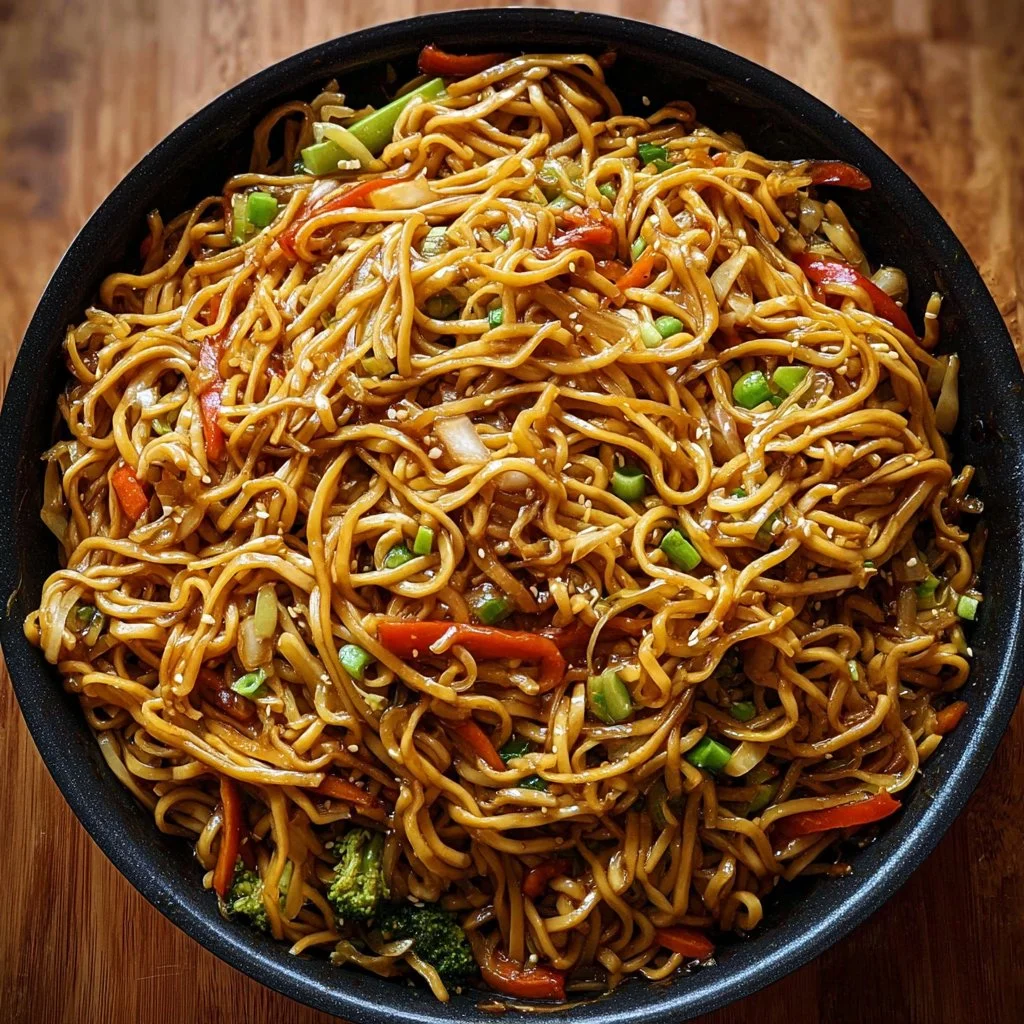
Bowl of teriyaki noodles with vegetables and sesame seeds

One-Pot Teriyaki Noodles are the kind of cozy, weeknight-friendly dinner that feels like a warm hug on a plate. This recipe brings together shredded green cabbage and carrots with long strands of spaghetti in a glossy, savory-sweet teriyaki-style sauce — tender noodles, a little bite from the cabbage, and a caramelized edge from the brown sugar. It’s perfect for transitional seasons when you want something comforting but bright, and it comes together in one pot for minimal cleanup. If you’re looking for more simple teriyaki-style weeknight inspiration, try the dump-and-go crockpot teriyaki chicken for another hands-off family favorite.

Ingredients & Equipment

Here’s everything you need to make this cozy one-pot dish. Quantities are written for a recipe that serves about 4–5 people.

Ingredients

  • ½ green cabbage, shredded
  • 2 carrots, shredded
  • 16 oz spaghetti (1 pound)
  • ⅔ cup soy sauce
  • ½ cup brown sugar
  • 3 ½ cups water
  • Sesame seeds for garnish

Notes: The ingredient list above is the core provided list. To deepen flavor, I recommend adding small pinches of pantry spices — for example, ½ to 1 teaspoon ground ginger, ¼ teaspoon ground mustard, and ¼–½ teaspoon garlic powder. These are optional but lift the sauce beautifully. You can also stir in a tablespoon of toasted sesame oil at the end for a nutty finish if you have it.

Equipment

  • Large, heavy-bottomed pot or Dutch oven (big enough for 1 lb of spaghetti)
  • Wooden spoon or heatproof spatula
  • Measuring cups and spoons
  • Box grater or food processor (for shredding carrots and cabbage quickly)
  • Colander (if you prefer to rinse noodles before serving)

Helpful tools: a blender is not necessary for this recipe, but a baking tray is handy if you decide to roast extra vegetables as a side. A kitchen thermometer isn’t required for noodles, but it’s useful if you adapt this into one-pot meals with proteins in the future.

Prefer a lighter noodle base? Check out this alternative for spiralized veggies: spicy garlic Chinese zucchini noodles for inspiration on swapping pasta for veggie strands.

Step-by-Step Instructions (with tips)

Follow these steps for perfectly saucy One-Pot Teriyaki Noodles. I’ve included tips and variations so you can tailor the dish to your kitchen and seasonality.

1. Prep the vegetables and measure the sauce

Shred the cabbage and carrots so they’re ready to go. Measure out the soy sauce, brown sugar, and water. If using optional spices (ground ginger, ground mustard, garlic powder), measure those now too — it makes the cooking flow much faster.

2. Sauté the veggies

Heat 1–2 tablespoons of olive oil in your large pot over medium-high heat. Add the shredded cabbage and carrots and sauté until they’re slightly softened and fragrant, about 4–6 minutes. You want them tender but still a little crisp for texture.

Tip: If you prefer more caramelized vegetables, let them sit undisturbed for a minute or two so they get a light brown edge before stirring.

3. Add sauce ingredients

Reduce heat slightly, then add the ⅔ cup soy sauce and ½ cup brown sugar to the pot. Stir to combine. If you’re using the optional spices, add ½ to 1 teaspoon ground ginger, ¼ teaspoon ground mustard, and ¼–½ teaspoon garlic powder now. These complement the soy and sugar to create a deeper, balanced teriyaki-style flavor.

4. Add the spaghetti and water

Break the spaghetti in half if needed so it fits in the pot. Add the dry spaghetti and pour in the 3 ½ cups water. Push the pasta down so it’s mostly submerged in the liquid and sauce mixture.

Tip: Arrange the strands in a crisscross pattern for more even cooking, and press them into the liquid as they soften. If any strands stick up, simply fold them in with the spatula as the pasta cooks.

5. Cook uncovered, stirring occasionally

Turn the heat up to medium-high and bring to a gentle boil. Reduce to a simmer and let the pasta cook uncovered for 15–18 minutes, stirring every few minutes so the noodles don’t clump and the cabbage and carrots distribute evenly. The sauce will reduce and cling to the noodles as the water evaporates.

Tip: If the liquid reduces too fast before the pasta is cooked, add a splash (¼ cup) more water and continue cooking. Conversely, if the noodles are done but the sauce is too thin, let it cook a few minutes longer to evaporate excess moisture.

6. Finish and garnish

When the spaghetti is tender and the sauce has thickened to your liking, remove the pot from heat. Toss in a tablespoon of toasted sesame oil if you like and mix to combine. Sprinkle sesame seeds generously over the top before serving.

Tip: For more texture, add a handful of thinly sliced scallions or a few toasted peanuts (if no nut allergies) right before serving.

Variations

  • Protein boost: Stir in pre-cooked halal chicken, tofu cubes, or shrimp during the last few minutes of cooking so they warm through.
  • Roasted veggies instead of sautéed: Toss shredded cabbage and carrots with a little oil, roast at 425°F (220°C) for 12–15 minutes until caramelized, and fold them into the cooked noodles for a roasted edge.
  • Greens swap: Use bok choy, baby spinach, or thinly sliced kale in place of or alongside cabbage for a different green profile.
  • Low-sodium option: Use low-sodium soy sauce and reduce the brown sugar slightly, or try a natural sweetener like pure maple syrup for a different note.

Love hands-off teriyaki meals? This one-pot method shares flavor goals with slower-cooked favorites like the dump-and-go crockpot teriyaki chicken, giving you flexible options for busy nights.

Storage, Freezing & Make-Ahead Tips

Leftovers keep well and reheat easily, making this a practical recipe for meal planning.

Storing

  • Refrigerator: Cool to room temperature, then store in an airtight container for up to 3–4 days. Keep the sesame seeds separate if you want them extra-crisp when serving again.
  • Portioning: Divide into single-serving containers for quick lunches. Add a fresh sprinkle of sesame seeds and a splash of soy or a drizzle of sesame oil before reheating to brighten the flavors.

Freezing

  • Freezing is possible but note that the texture of cooked spaghetti can change slightly after thawing. If you plan to freeze, undercook the pasta by 1–2 minutes so it doesn’t become mushy upon reheating.
  • Freeze in airtight, freezer-safe containers for up to 2 months. Thaw overnight in the refrigerator before reheating gently on the stovetop with a splash of water to loosen the sauce.

Make-Ahead

  • Prep the vegetables in advance and store them in the fridge for up to 2 days. Measure out the sauce ingredients into a small jar so all you need to do is sauté and combine when it’s time to cook.
  • You can also make the full dish a day ahead and refrigerate; reheat on the stovetop over medium heat, stirring often and adding a little water or broth to refresh the sauce.

How to Use / Serve This Dish

One-Pot Teriyaki Noodles are versatile — serve them as a main, side, or part of a family-style spread.

Serving ideas

  • Family dinner: Plate with extra sesame seeds and thinly sliced scallions for color and freshness.
  • Vegetarian option: Top with pan-seared tofu cubes or roasted edamame for a protein lift.
  • Meal prep bowls: Add a wedge of citrus on the side and a small container of pickled vegetables to brighten each portion.

Pairings

Because the dish is saucy and slightly sweet, crisp, mild sides work best: a simple cucumber salad, steamed broccoli, or quick-pickled radishes. If you want another hearty option for a different night, consider the comforting flavors from the dump-and-go crockpot teriyaki chicken as a complementary idea for meal rotation.

FAQ

Can I use a different noodle than spaghetti?

Yes — linguine, udon, or ramen-style noodles work nicely. If using fresh noodles, reduce the cooking time; for thicker noodles like udon, you may need a little more water and a slightly longer cook time. Adjust until the noodle texture is tender but not mushy.

Is this recipe gluten-free?

Not as written, because regular soy sauce contains wheat. Swap in a gluten-free tamari or coconut aminos to make the dish gluten-free. You might want to taste and adjust the salt/sweet balance if you use coconut aminos, since the flavor profile is different.

How long will leftovers last?

Stored in an airtight container, leftovers keep 3–4 days in the refrigerator. If you froze the dish, aim to finish it within 2 months for best quality. Reheat gently to avoid drying out the pasta.

My noodles clumped together — how can I prevent that?

Stir regularly while cooking, especially in the first 5–8 minutes as the pasta softens and becomes sticky. Use enough liquid to cover the noodles and push strands into the liquid as they soften. A quick toss with a splash of oil after cooking can help separate any stubborn clumps for reheating.

Conclusion

One-Pot Teriyaki Noodles bring comfort, speed, and seasonal brightness to the dinner table — a simple, homey dish that stretches weeknight energy without sacrificing flavor. The combination of shredded cabbage and carrots, a sweet-savory soy and brown sugar sauce, and sesame garnish is satisfying on its own or as part of a larger spread. I hope you give it a try this week; if you do, take a moment to snap a photo and share it with someone who loves easy, from-scratch meals.
Teriyaki Noodles

Published: March 3, 2026 By Carol bonaparte

Bowl of teriyaki noodles with vegetables and sesame seeds

One-Pot Teriyaki Noodles are the kind of cozy, weeknight-friendly dinner that feels like a warm hug on a plate. This recipe brings together shredded green cabbage and carrots with long strands of spaghetti in a glossy, savory-sweet teriyaki-style sauce — tender noodles, a little bite from the cabbage, and a caramelized edge from the brown sugar. It’s perfect for transitional seasons when you want something comforting but bright, and it comes together in one pot for minimal cleanup. If you’re looking for more simple teriyaki-style weeknight inspiration, try the dump-and-go crockpot teriyaki chicken for another hands-off family favorite.

Ingredients & Equipment

Here’s everything you need to make this cozy one-pot dish. Quantities are written for a recipe that serves about 4–5 people.

Ingredients

  • ½ green cabbage, shredded
  • 2 carrots, shredded
  • 16 oz spaghetti (1 pound)
  • ⅔ cup soy sauce
  • ½ cup brown sugar
  • 3 ½ cups water
  • Sesame seeds for garnish

Notes: The ingredient list above is the core provided list. To deepen flavor, I recommend adding small pinches of pantry spices — for example, ½ to 1 teaspoon ground ginger, ¼ teaspoon ground mustard, and ¼–½ teaspoon garlic powder. These are optional but lift the sauce beautifully. You can also stir in a tablespoon of toasted sesame oil at the end for a nutty finish if you have it.

Equipment

  • Large, heavy-bottomed pot or Dutch oven (big enough for 1 lb of spaghetti)
  • Wooden spoon or heatproof spatula
  • Measuring cups and spoons
  • Box grater or food processor (for shredding carrots and cabbage quickly)
  • Colander (if you prefer to rinse noodles before serving)

Helpful tools: a blender is not necessary for this recipe, but a baking tray is handy if you decide to roast extra vegetables as a side. A kitchen thermometer isn’t required for noodles, but it’s useful if you adapt this into one-pot meals with proteins in the future.

Prefer a lighter noodle base? Check out this alternative for spiralized veggies: spicy garlic Chinese zucchini noodles for inspiration on swapping pasta for veggie strands.

Step-by-Step Instructions (with tips)

Follow these steps for perfectly saucy One-Pot Teriyaki Noodles. I’ve included tips and variations so you can tailor the dish to your kitchen and seasonality.

1. Prep the vegetables and measure the sauce

Shred the cabbage and carrots so they’re ready to go. Measure out the soy sauce, brown sugar, and water. If using optional spices (ground ginger, ground mustard, garlic powder), measure those now too — it makes the cooking flow much faster.

2. Sauté the veggies

Heat 1–2 tablespoons of olive oil in your large pot over medium-high heat. Add the shredded cabbage and carrots and sauté until they’re slightly softened and fragrant, about 4–6 minutes. You want them tender but still a little crisp for texture.

Tip: If you prefer more caramelized vegetables, let them sit undisturbed for a minute or two so they get a light brown edge before stirring.

3. Add sauce ingredients

Reduce heat slightly, then add the ⅔ cup soy sauce and ½ cup brown sugar to the pot. Stir to combine. If you’re using the optional spices, add ½ to 1 teaspoon ground ginger, ¼ teaspoon ground mustard, and ¼–½ teaspoon garlic powder now. These complement the soy and sugar to create a deeper, balanced teriyaki-style flavor.

4. Add the spaghetti and water

Break the spaghetti in half if needed so it fits in the pot. Add the dry spaghetti and pour in the 3 ½ cups water. Push the pasta down so it’s mostly submerged in the liquid and sauce mixture.

Tip: Arrange the strands in a crisscross pattern for more even cooking, and press them into the liquid as they soften. If any strands stick up, simply fold them in with the spatula as the pasta cooks.

5. Cook uncovered, stirring occasionally

Turn the heat up to medium-high and bring to a gentle boil. Reduce to a simmer and let the pasta cook uncovered for 15–18 minutes, stirring every few minutes so the noodles don’t clump and the cabbage and carrots distribute evenly. The sauce will reduce and cling to the noodles as the water evaporates.

Tip: If the liquid reduces too fast before the pasta is cooked, add a splash (¼ cup) more water and continue cooking. Conversely, if the noodles are done but the sauce is too thin, let it cook a few minutes longer to evaporate excess moisture.

6. Finish and garnish

When the spaghetti is tender and the sauce has thickened to your liking, remove the pot from heat. Toss in a tablespoon of toasted sesame oil if you like and mix to combine. Sprinkle sesame seeds generously over the top before serving.

Tip: For more texture, add a handful of thinly sliced scallions or a few toasted peanuts (if no nut allergies) right before serving.

Variations

  • Protein boost: Stir in pre-cooked halal chicken, tofu cubes, or shrimp during the last few minutes of cooking so they warm through.
  • Roasted veggies instead of sautéed: Toss shredded cabbage and carrots with a little oil, roast at 425°F (220°C) for 12–15 minutes until caramelized, and fold them into the cooked noodles for a roasted edge.
  • Greens swap: Use bok choy, baby spinach, or thinly sliced kale in place of or alongside cabbage for a different green profile.
  • Low-sodium option: Use low-sodium soy sauce and reduce the brown sugar slightly, or try a natural sweetener like pure maple syrup for a different note.

Love hands-off teriyaki meals? This one-pot method shares flavor goals with slower-cooked favorites like the dump-and-go crockpot teriyaki chicken, giving you flexible options for busy nights.

Storage, Freezing & Make-Ahead Tips

Leftovers keep well and reheat easily, making this a practical recipe for meal planning.

Storing

  • Refrigerator: Cool to room temperature, then store in an airtight container for up to 3–4 days. Keep the sesame seeds separate if you want them extra-crisp when serving again.
  • Portioning: Divide into single-serving containers for quick lunches. Add a fresh sprinkle of sesame seeds and a splash of soy or a drizzle of sesame oil before reheating to brighten the flavors.

Freezing

  • Freezing is possible but note that the texture of cooked spaghetti can change slightly after thawing. If you plan to freeze, undercook the pasta by 1–2 minutes so it doesn’t become mushy upon reheating.
  • Freeze in airtight, freezer-safe containers for up to 2 months. Thaw overnight in the refrigerator before reheating gently on the stovetop with a splash of water to loosen the sauce.

Make-Ahead

  • Prep the vegetables in advance and store them in the fridge for up to 2 days. Measure out the sauce ingredients into a small jar so all you need to do is sauté and combine when it’s time to cook.
  • You can also make the full dish a day ahead and refrigerate; reheat on the stovetop over medium heat, stirring often and adding a little water or broth to refresh the sauce.

How to Use / Serve This Dish

One-Pot Teriyaki Noodles are versatile — serve them as a main, side, or part of a family-style spread.

Serving ideas

  • Family dinner: Plate with extra sesame seeds and thinly sliced scallions for color and freshness.
  • Vegetarian option: Top with pan-seared tofu cubes or roasted edamame for a protein lift.
  • Meal prep bowls: Add a wedge of citrus on the side and a small container of pickled vegetables to brighten each portion.

Pairings

Because the dish is saucy and slightly sweet, crisp, mild sides work best: a simple cucumber salad, steamed broccoli, or quick-pickled radishes. If you want another hearty option for a different night, consider the comforting flavors from the dump-and-go crockpot teriyaki chicken as a complementary idea for meal rotation.

FAQ

Can I use a different noodle than spaghetti?

Yes — linguine, udon, or ramen-style noodles work nicely. If using fresh noodles, reduce the cooking time; for thicker noodles like udon, you may need a little more water and a slightly longer cook time. Adjust until the noodle texture is tender but not mushy.

Is this recipe gluten-free?

Not as written, because regular soy sauce contains wheat. Swap in a gluten-free tamari or coconut aminos to make the dish gluten-free. You might want to taste and adjust the salt/sweet balance if you use coconut aminos, since the flavor profile is different.

How long will leftovers last?

Stored in an airtight container, leftovers keep 3–4 days in the refrigerator. If you froze the dish, aim to finish it within 2 months for best quality. Reheat gently to avoid drying out the pasta.

My noodles clumped together — how can I prevent that?

Stir regularly while cooking, especially in the first 5–8 minutes as the pasta softens and becomes sticky. Use enough liquid to cover the noodles and push strands into the liquid as they soften. A quick toss with a splash of oil after cooking can help separate any stubborn clumps for reheating.

Conclusion

One-Pot Teriyaki Noodles bring comfort, speed, and seasonal brightness to the dinner table — a simple, homey dish that stretches weeknight energy without sacrificing flavor. The combination of shredded cabbage and carrots, a sweet-savory soy and brown sugar sauce, and sesame garnish is satisfying on its own or as part of a larger spread. I hope you give it a try this week; if you do, take a moment to snap a photo and share it with someone who loves easy, from-scratch meals.
Leave a Comment