Privacy Policy

Contact Us

Privacy Policy

Contact Us

Sweet Rhubarb Custard Tart

Published March 30, 2026 By Carol bonaparte

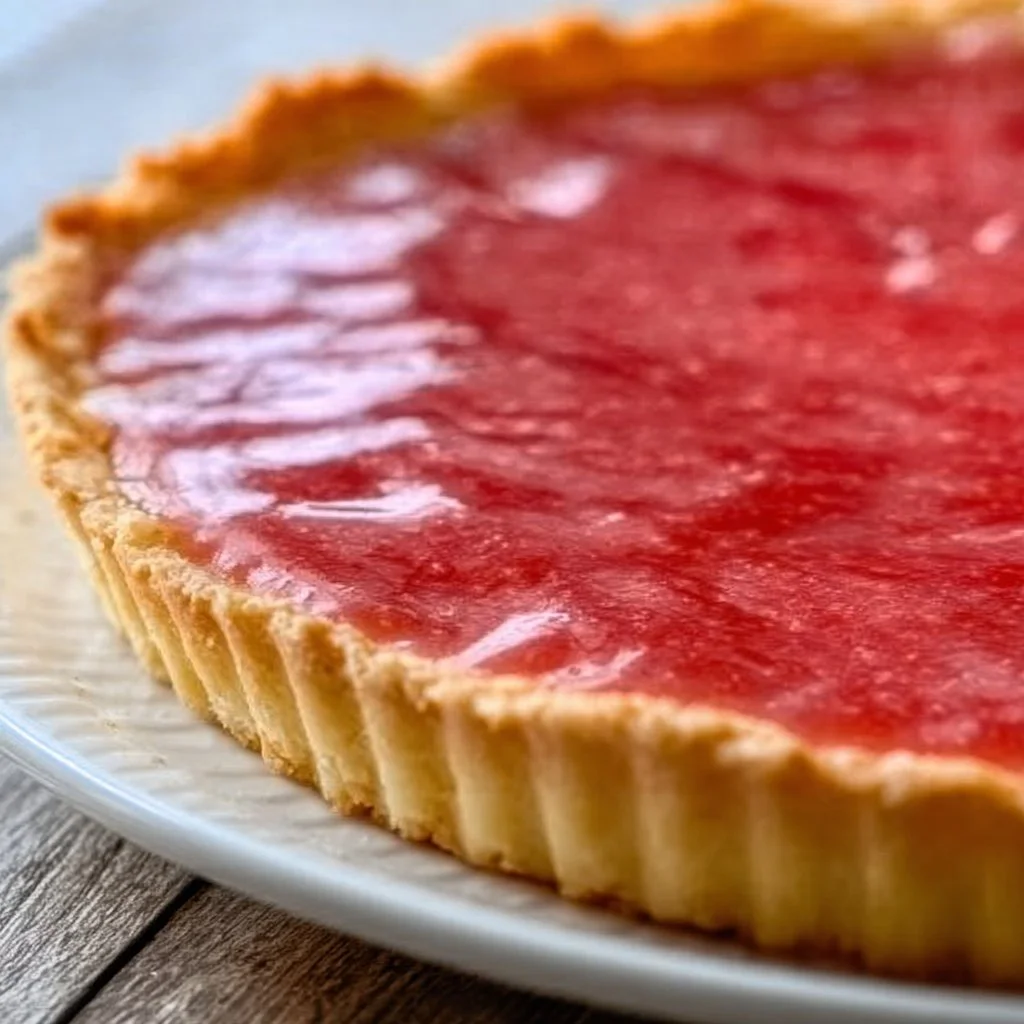
A delicious slice of sweet rhubarb custard tart on a plate.

Sweet Rhubarb Custard Tart is one of those comforting seasonal treats that feels like a warm hug on a spring afternoon. This tart pairs the tart, fragrant snap of fresh rhubarb with a silky, sweet vanilla custard, all held in a crisp, buttery pastry — a perfect balance of texture and flavor. If you love baking from scratch and enjoy desserts that celebrate seasonal produce, this recipe is worth trying this rhubarb season. For a playful citrus contrast, consider a small side of mini lemon tart flavors, similar in spirit to this recipe, for a bright aftertaste: mini lemon tarts.

Why this Sweet Rhubarb Custard Tart works

Rhubarb brings a bright, slightly tangy backbone that cuts through the richness of the custard, while the pastry adds a satisfying crunch. The custard sets into a delicate, spoonable texture that’s not too firm and not too wobbly — ideal for slicing and serving at gatherings or keeping as a comforting treat for yourself. This recipe is flexible: you can roast or poach the rhubarb, use a pre-made tart shell for speed, or make everything from scratch. It’s also 100% halal-friendly and family-safe.

Ingredients & Equipment

Ingredients

  • For the tart crust (9-inch/23 cm tart pan):
    • 1 1/4 cups (160 g) all-purpose flour
    • 2 tbsp granulated sugar
    • 1/4 tsp fine salt
    • 8 tbsp (115 g) unsalted butter, cold and cubed
    • 1 large egg yolk
    • 2–3 tbsp cold water (as needed)
  • For the rhubarb topping:
    • 1 lb (450 g) rhubarb, trimmed and cut into 1/2-inch pieces
    • 1/3 cup (65 g) granulated sugar (adjust to taste)
    • 1 tbsp lemon juice (optional, brightens flavor)
    • 1 tsp vanilla extract
  • For the custard filling:
    • 2 cups (480 ml) whole milk (or a mix of milk and cream for extra richness)
    • 3 large eggs
    • 1/2 cup (100 g) granulated sugar
    • 1/4 cup (30 g) cornstarch (or 3 tbsp flour as a substitute)
    • 1 tsp vanilla extract
    • Pinch of fine salt
  • Finishing (optional):
    • Powdered sugar for dusting
    • A few strips of toasted almond or a dollop of whipped cream (ensure halal-friendly cream)

Helpful notes

  • Use slightly less sugar if your rhubarb is on the sweeter side (early or tender stalks).
  • If you prefer a dairy-free custard, substitute with soy or oat milk and use a bit more cornstarch to help thicken.

Equipment

  • 9-inch tart pan with removable bottom (or a regular tart pan)
  • Mixing bowls (various sizes)
  • Pastry cutter or two knives (or food processor) for the crust
  • Whisk and spatula
  • Saucepan for custard
  • Rolling pin
  • Baking sheet (to place under the tart pan)
  • Cooling rack
  • Optional: blender or immersion blender (for smoothing custard), digital thermometer (for custard accuracy), oven thermometer

For inspiration on seasonal sides and comforting mains that pair well with desserts, I like keeping recipe ideas on hand such as a homey casserole; one comforting idea to explore is a southern sweet potato dish: southern maple sweet potato casserole.

Step-by-Step Instructions (with tips)

Overview: Make the crust, prepare the rhubarb (roast or poach), cook the custard, assemble, and bake briefly to set.

Step 1 — Make the tart crust

  1. In a bowl, whisk together flour, sugar, and salt. Add cold butter cubes and cut into the flour using a pastry cutter or two knives until the mixture resembles coarse crumbs with pea-sized pieces of butter remaining. (Tip: a food processor can speed this up — pulse in short bursts.)
  2. Mix in the egg yolk and 2 tablespoons of cold water. Add the third tablespoon only if needed; dough should hold together when pressed but not be sticky.
  3. Gather the dough into a disk, wrap in plastic, and chill for at least 30 minutes. Chilling ensures a flakier crust.
  4. On a lightly floured surface, roll dough to fit a 9-inch tart pan. Press into the pan, trim edges, and refrigerate for 15 minutes before blind baking.
  5. Blind bake: preheat oven to 375°F (190°C). Line crust with parchment and fill with pie weights or dried beans. Bake 15 minutes, remove weights and parchment, then bake another 8–10 minutes until lightly golden. Remove and let cool slightly. (Tip: place the tart pan on a baking sheet — easier to move and catches any spills.)

Step 2 — Prepare the rhubarb (two variations)
Variation A — Roasted rhubarb (recommended for concentrated flavor and less liquid)

  1. Toss rhubarb pieces with 1/3 cup sugar, lemon juice, and vanilla. Spread in a single layer on a baking tray lined with parchment.
  2. Roast at 400°F (200°C) for 12–15 minutes until tender but still holding shape. Cool slightly.

Variation B — Poached rhubarb (gentler, more saucy)

  1. Combine rhubarb, sugar, and 2–3 tablespoons water in a small saucepan.
  2. Bring to a simmer over medium heat and cook 6–8 minutes until rhubarb is soft but not falling apart. Let cool and drain if excess liquid is present.
    (Tip: roasting intensifies rhubarb flavor and reduces liquid, making assembly easier; poaching is forgiving and great if you want a saucier finish.)

Step 3 — Make the custard

  1. In a saucepan, whisk together sugar and cornstarch until smooth. Whisk in eggs until combined.
  2. Gradually whisk in milk to create a smooth mixture.
  3. Cook over medium heat, whisking constantly, until the mixture thickens and comes to a gentle boil. Reduce heat and simmer 1–2 minutes while whisking — the custard should be thick enough to coat the back of a spoon. If using a thermometer, aim for around 175–180°F (80–82°C).
  4. Remove from heat, stir in vanilla and a pinch of salt. For an extra-silky custard, strain through a fine mesh sieve into a bowl.
  5. Let the custard cool slightly before assembling to prevent curdling.

Step 4 — Assemble the tart

  1. If your crust was blind-baked, brush a thin layer of melted butter or egg wash and bake 2–3 minutes more to seal pores (optional).
  2. Spoon a thin layer of custard into the crust (about 1/3 of the total), then arrange roasted or poached rhubarb in an even layer. Finish with remaining custard, smoothing the top with an offset spatula. (Tip: reserve some rhubarb for a pretty topping pattern if desired.)
  3. Bake the tart at 350°F (175°C) for 12–18 minutes, just until the custard is set around the edges but still has a slight wobble in the center. Over-baking will make custard rubbery.
  4. Cool on a wire rack to room temperature, then chill for at least 2 hours to fully set. Dust with powdered sugar before serving if desired.

Step 5 — Variations and flavor boosts

  • Vanilla bean: split a vanilla bean and use seeds in both rhubarb and custard for intense aroma.
  • Almond twist: add 1/2 tsp almond extract to custard and scatter toasted sliced almonds on top (ensure almond extract is halal-certified).
  • Citrus echo: add 1 tsp finely grated lemon zest to custard to echo the rhubarb’s brightness.
  • Make mini tarts: divide dough and custard into small tart pans for individual servings.

For an alternative flavor pairing that complements fruit desserts, try experimenting with fermented or tangy accompaniments in other meals; for example, this creative take blends sweet and spicy elements: fermented pineapple kimchi — a sweet-spicy twist.

Storage, Freezing & Make-Ahead Tips

Short-term storage

  • Refrigerate leftover tart under a loose tent of foil or in an airtight container for up to 3–4 days. Custard-containing desserts do best refrigerated.
  • Bring slices to room temperature for 20–30 minutes before serving to soften the crust slightly and allow flavors to bloom.

Freezing

  • Freezing whole custard tarts isn’t ideal because the custard texture can change, but you can freeze the pre-baked crust and the roasted rhubarb separately.
    • To freeze crust: cool completely, wrap tightly in plastic and foil, and store for up to 2 months. Thaw in the refrigerator and re-crisp in a 350°F (175°C) oven for 8–10 minutes before assembling.
    • To freeze roasted rhubarb: cool completely and store in airtight containers for up to 3 months. Thaw in the fridge and drain any excess liquid before using.
  • For leftover slices, freeze individually wrapped pieces on a baking tray, then transfer to a freezer bag. Expect some texture change; thaw in fridge and serve slightly chilled or reheat gently in a low oven to refresh.

Make-ahead

  • Make crust and rhubarb up to 48 hours in advance. Keep custard chilled and assemble the day you plan to serve for the best texture.
  • You can also fully assemble and chill overnight; this makes for an easy dessert the next day with minimal fuss.

Portioning advice

  • A 9-inch tart yields 8 generous slices or 10–12 smaller portions if serving alongside other desserts. For gatherings, serve smaller slices with a scoop of halal-certified vanilla ice cream or a dollop of whipped cream.

How to Use / Serve This Dish

Serving ideas

  • Serve slightly chilled or at cool room temperature with a spoonful of lightly whipped cream or a scoop of vanilla ice cream.
  • For a fresh contrast, garnish with thin strips of orange or lemon zest right before serving.
  • Add a sprinkle of toasted nuts (almonds or pistachios) for texture and a nutty aroma.

Pairings (halal-friendly)

  • Serve with hot tea (green tea, mint tea, or black tea) or a warm cup of cardamom coffee substitute for a cozy dessert course.
  • Complement with a simple fruit salad of strawberries and mint for a springtime plate.
  • For a brunch spread, include this tart alongside scones, clotted cream (or halal-friendly alternative), and fresh fruit.

Creative uses

  • Turn leftovers into parfaits: layer crumbled tart crust, warm rhubarb, and custard in glasses for a pretty presentation.
  • Use rhubarb-custard mixture as a filling for puff pastry turnovers or as a topping for pancakes and waffles.

FAQ

Q: Can I make this tart without eggs?
A: Yes. To make an eggless custard, use 3/4 cup (90 g) cornstarch in place of eggs (total cornstarch amount will depend on desired thickness), and whisk into warmed milk and sugar until thickened. You may want to add 1/2 tsp agar-agar dissolved in a small amount of warm liquid for extra set, ensuring the product you use is halal-certified.

Q: My custard is lumpy — how can I fix it?
A: If lumps form, remove from heat and whisk vigorously or blend briefly with an immersion blender until smooth. Straining through a fine-mesh sieve is a good second step to catch remaining bits. Prevent lumps by tempering eggs: whisk eggs and cornstarch, then slowly whisk in a small amount of hot milk before returning mixture to the saucepan.

Q: Can I use frozen rhubarb?
A: Yes. Thaw frozen rhubarb and drain any released liquid. Because frozen rhubarb can be softer and wetter than fresh, roasting to concentrate the flavor helps, or reduce the amount of liquid used during poaching.

Q: How long will the tart keep once baked?
A: In the refrigerator, the tart keeps well for 3–4 days. The custard will gradually become firmer as it chills. Avoid leaving custard-based desserts out at room temperature for more than two hours.

Conclusion

There’s something quietly joyful about a Sweet Rhubarb Custard Tart — the way tart rhubarb and silky custard sing together in a crisp shell makes it a seasonal favorite that’s as suitable for casual family tea as for a weekend gathering. If you try this recipe, I hope it brings a little spring sunshine into your kitchen. For more inspiration and variations on rhubarb custard desserts, see this lovely step-by-step example from another baker at Rhubarb Tart with Custard – A Baking Journey, explore a playful spin on tarts and flavors in A Naughty Tart – by Ruby Bhogal – The Last Bite, and compare filling techniques at this practical guide on a similar pie: Rhubarb Custard Pie – Cloudy Kitchen. If you bake it, please share a photo or story — I’d love to hear how yours turned out!

Sweet Rhubarb Custard Tart

Published: March 30, 2026 By Carol bonaparte

A delicious slice of sweet rhubarb custard tart on a plate.

Sweet Rhubarb Custard Tart is one of those comforting seasonal treats that feels like a warm hug on a spring afternoon. This tart pairs the tart, fragrant snap of fresh rhubarb with a silky, sweet vanilla custard, all held in a crisp, buttery pastry — a perfect balance of texture and flavor. If you love baking from scratch and enjoy desserts that celebrate seasonal produce, this recipe is worth trying this rhubarb season. For a playful citrus contrast, consider a small side of mini lemon tart flavors, similar in spirit to this recipe, for a bright aftertaste: mini lemon tarts.

Why this Sweet Rhubarb Custard Tart works

Rhubarb brings a bright, slightly tangy backbone that cuts through the richness of the custard, while the pastry adds a satisfying crunch. The custard sets into a delicate, spoonable texture that’s not too firm and not too wobbly — ideal for slicing and serving at gatherings or keeping as a comforting treat for yourself. This recipe is flexible: you can roast or poach the rhubarb, use a pre-made tart shell for speed, or make everything from scratch. It’s also 100% halal-friendly and family-safe.

Ingredients & Equipment

Ingredients

  • For the tart crust (9-inch/23 cm tart pan):
    • 1 1/4 cups (160 g) all-purpose flour
    • 2 tbsp granulated sugar
    • 1/4 tsp fine salt
    • 8 tbsp (115 g) unsalted butter, cold and cubed
    • 1 large egg yolk
    • 2–3 tbsp cold water (as needed)
  • For the rhubarb topping:
    • 1 lb (450 g) rhubarb, trimmed and cut into 1/2-inch pieces
    • 1/3 cup (65 g) granulated sugar (adjust to taste)
    • 1 tbsp lemon juice (optional, brightens flavor)
    • 1 tsp vanilla extract
  • For the custard filling:
    • 2 cups (480 ml) whole milk (or a mix of milk and cream for extra richness)
    • 3 large eggs
    • 1/2 cup (100 g) granulated sugar
    • 1/4 cup (30 g) cornstarch (or 3 tbsp flour as a substitute)
    • 1 tsp vanilla extract
    • Pinch of fine salt
  • Finishing (optional):
    • Powdered sugar for dusting
    • A few strips of toasted almond or a dollop of whipped cream (ensure halal-friendly cream)

Helpful notes

  • Use slightly less sugar if your rhubarb is on the sweeter side (early or tender stalks).
  • If you prefer a dairy-free custard, substitute with soy or oat milk and use a bit more cornstarch to help thicken.

Equipment

  • 9-inch tart pan with removable bottom (or a regular tart pan)
  • Mixing bowls (various sizes)
  • Pastry cutter or two knives (or food processor) for the crust
  • Whisk and spatula
  • Saucepan for custard
  • Rolling pin
  • Baking sheet (to place under the tart pan)
  • Cooling rack
  • Optional: blender or immersion blender (for smoothing custard), digital thermometer (for custard accuracy), oven thermometer

For inspiration on seasonal sides and comforting mains that pair well with desserts, I like keeping recipe ideas on hand such as a homey casserole; one comforting idea to explore is a southern sweet potato dish: southern maple sweet potato casserole.

Step-by-Step Instructions (with tips)

Overview: Make the crust, prepare the rhubarb (roast or poach), cook the custard, assemble, and bake briefly to set.

Step 1 — Make the tart crust

  1. In a bowl, whisk together flour, sugar, and salt. Add cold butter cubes and cut into the flour using a pastry cutter or two knives until the mixture resembles coarse crumbs with pea-sized pieces of butter remaining. (Tip: a food processor can speed this up — pulse in short bursts.)
  2. Mix in the egg yolk and 2 tablespoons of cold water. Add the third tablespoon only if needed; dough should hold together when pressed but not be sticky.
  3. Gather the dough into a disk, wrap in plastic, and chill for at least 30 minutes. Chilling ensures a flakier crust.
  4. On a lightly floured surface, roll dough to fit a 9-inch tart pan. Press into the pan, trim edges, and refrigerate for 15 minutes before blind baking.
  5. Blind bake: preheat oven to 375°F (190°C). Line crust with parchment and fill with pie weights or dried beans. Bake 15 minutes, remove weights and parchment, then bake another 8–10 minutes until lightly golden. Remove and let cool slightly. (Tip: place the tart pan on a baking sheet — easier to move and catches any spills.)

Step 2 — Prepare the rhubarb (two variations)
Variation A — Roasted rhubarb (recommended for concentrated flavor and less liquid)

  1. Toss rhubarb pieces with 1/3 cup sugar, lemon juice, and vanilla. Spread in a single layer on a baking tray lined with parchment.
  2. Roast at 400°F (200°C) for 12–15 minutes until tender but still holding shape. Cool slightly.

Variation B — Poached rhubarb (gentler, more saucy)

  1. Combine rhubarb, sugar, and 2–3 tablespoons water in a small saucepan.
  2. Bring to a simmer over medium heat and cook 6–8 minutes until rhubarb is soft but not falling apart. Let cool and drain if excess liquid is present.
    (Tip: roasting intensifies rhubarb flavor and reduces liquid, making assembly easier; poaching is forgiving and great if you want a saucier finish.)

Step 3 — Make the custard

  1. In a saucepan, whisk together sugar and cornstarch until smooth. Whisk in eggs until combined.
  2. Gradually whisk in milk to create a smooth mixture.
  3. Cook over medium heat, whisking constantly, until the mixture thickens and comes to a gentle boil. Reduce heat and simmer 1–2 minutes while whisking — the custard should be thick enough to coat the back of a spoon. If using a thermometer, aim for around 175–180°F (80–82°C).
  4. Remove from heat, stir in vanilla and a pinch of salt. For an extra-silky custard, strain through a fine mesh sieve into a bowl.
  5. Let the custard cool slightly before assembling to prevent curdling.

Step 4 — Assemble the tart

  1. If your crust was blind-baked, brush a thin layer of melted butter or egg wash and bake 2–3 minutes more to seal pores (optional).
  2. Spoon a thin layer of custard into the crust (about 1/3 of the total), then arrange roasted or poached rhubarb in an even layer. Finish with remaining custard, smoothing the top with an offset spatula. (Tip: reserve some rhubarb for a pretty topping pattern if desired.)
  3. Bake the tart at 350°F (175°C) for 12–18 minutes, just until the custard is set around the edges but still has a slight wobble in the center. Over-baking will make custard rubbery.
  4. Cool on a wire rack to room temperature, then chill for at least 2 hours to fully set. Dust with powdered sugar before serving if desired.

Step 5 — Variations and flavor boosts

  • Vanilla bean: split a vanilla bean and use seeds in both rhubarb and custard for intense aroma.
  • Almond twist: add 1/2 tsp almond extract to custard and scatter toasted sliced almonds on top (ensure almond extract is halal-certified).
  • Citrus echo: add 1 tsp finely grated lemon zest to custard to echo the rhubarb’s brightness.
  • Make mini tarts: divide dough and custard into small tart pans for individual servings.

For an alternative flavor pairing that complements fruit desserts, try experimenting with fermented or tangy accompaniments in other meals; for example, this creative take blends sweet and spicy elements: fermented pineapple kimchi — a sweet-spicy twist.

Storage, Freezing & Make-Ahead Tips

Short-term storage

  • Refrigerate leftover tart under a loose tent of foil or in an airtight container for up to 3–4 days. Custard-containing desserts do best refrigerated.
  • Bring slices to room temperature for 20–30 minutes before serving to soften the crust slightly and allow flavors to bloom.

Freezing

  • Freezing whole custard tarts isn’t ideal because the custard texture can change, but you can freeze the pre-baked crust and the roasted rhubarb separately.
    • To freeze crust: cool completely, wrap tightly in plastic and foil, and store for up to 2 months. Thaw in the refrigerator and re-crisp in a 350°F (175°C) oven for 8–10 minutes before assembling.
    • To freeze roasted rhubarb: cool completely and store in airtight containers for up to 3 months. Thaw in the fridge and drain any excess liquid before using.
  • For leftover slices, freeze individually wrapped pieces on a baking tray, then transfer to a freezer bag. Expect some texture change; thaw in fridge and serve slightly chilled or reheat gently in a low oven to refresh.

Make-ahead

  • Make crust and rhubarb up to 48 hours in advance. Keep custard chilled and assemble the day you plan to serve for the best texture.
  • You can also fully assemble and chill overnight; this makes for an easy dessert the next day with minimal fuss.

Portioning advice

  • A 9-inch tart yields 8 generous slices or 10–12 smaller portions if serving alongside other desserts. For gatherings, serve smaller slices with a scoop of halal-certified vanilla ice cream or a dollop of whipped cream.

How to Use / Serve This Dish

Serving ideas

  • Serve slightly chilled or at cool room temperature with a spoonful of lightly whipped cream or a scoop of vanilla ice cream.
  • For a fresh contrast, garnish with thin strips of orange or lemon zest right before serving.
  • Add a sprinkle of toasted nuts (almonds or pistachios) for texture and a nutty aroma.

Pairings (halal-friendly)

  • Serve with hot tea (green tea, mint tea, or black tea) or a warm cup of cardamom coffee substitute for a cozy dessert course.
  • Complement with a simple fruit salad of strawberries and mint for a springtime plate.
  • For a brunch spread, include this tart alongside scones, clotted cream (or halal-friendly alternative), and fresh fruit.

Creative uses

  • Turn leftovers into parfaits: layer crumbled tart crust, warm rhubarb, and custard in glasses for a pretty presentation.
  • Use rhubarb-custard mixture as a filling for puff pastry turnovers or as a topping for pancakes and waffles.

FAQ

Q: Can I make this tart without eggs?
A: Yes. To make an eggless custard, use 3/4 cup (90 g) cornstarch in place of eggs (total cornstarch amount will depend on desired thickness), and whisk into warmed milk and sugar until thickened. You may want to add 1/2 tsp agar-agar dissolved in a small amount of warm liquid for extra set, ensuring the product you use is halal-certified.

Q: My custard is lumpy — how can I fix it?
A: If lumps form, remove from heat and whisk vigorously or blend briefly with an immersion blender until smooth. Straining through a fine-mesh sieve is a good second step to catch remaining bits. Prevent lumps by tempering eggs: whisk eggs and cornstarch, then slowly whisk in a small amount of hot milk before returning mixture to the saucepan.

Q: Can I use frozen rhubarb?
A: Yes. Thaw frozen rhubarb and drain any released liquid. Because frozen rhubarb can be softer and wetter than fresh, roasting to concentrate the flavor helps, or reduce the amount of liquid used during poaching.

Q: How long will the tart keep once baked?
A: In the refrigerator, the tart keeps well for 3–4 days. The custard will gradually become firmer as it chills. Avoid leaving custard-based desserts out at room temperature for more than two hours.

Conclusion

There’s something quietly joyful about a Sweet Rhubarb Custard Tart — the way tart rhubarb and silky custard sing together in a crisp shell makes it a seasonal favorite that’s as suitable for casual family tea as for a weekend gathering. If you try this recipe, I hope it brings a little spring sunshine into your kitchen. For more inspiration and variations on rhubarb custard desserts, see this lovely step-by-step example from another baker at Rhubarb Tart with Custard – A Baking Journey, explore a playful spin on tarts and flavors in A Naughty Tart – by Ruby Bhogal – The Last Bite, and compare filling techniques at this practical guide on a similar pie: Rhubarb Custard Pie – Cloudy Kitchen. If you bake it, please share a photo or story — I’d love to hear how yours turned out!

Leave a Comment