Privacy Policy

Contact Us

Privacy Policy

Contact Us

Savory Pancake

Published March 22, 2026 By Carol bonaparte

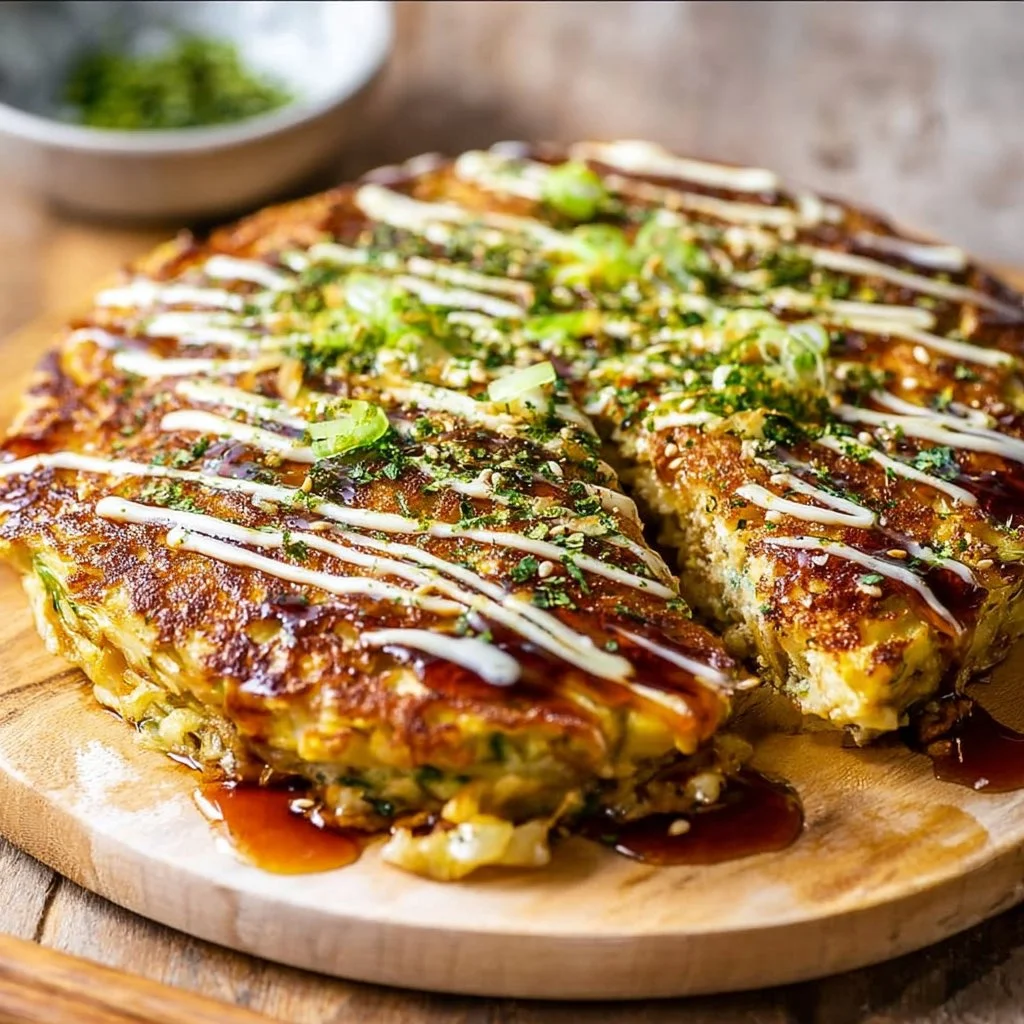
A plate of golden savory pancakes topped with fresh herbs and vegetables

Savory Pancake is a delightful, comforting seasonal dish that invites hands-on, from-scratch cooking and warms the kitchen with simple, welcoming flavors. This savory pancake centers around finely shredded cabbage and crisp vegetables bound into a tender, slightly crisp pancake that’s perfect for cool evenings or as a cozy weekend project. With a batter that can be thinned with dashi stock or water for a light, silky texture, each bite combines subtle umami, gentle sweetness from the cabbage, and satisfying crunch. Whether you’re feeding family or preparing a relaxed dinner for friends, this recipe is approachable, customizable, and deeply comforting.

Ingredients & Equipment

Ingredients

  • 1 cup all-purpose flour
  • 2 large eggs
  • 2 cups finely shredded cabbage
  • 1/2 cup chopped vegetables (carrots, green onions, bell peppers, etc.)
  • Dashi stock or water (for batter consistency)
  • Salt to taste
  • Oil (for cooking)
  • Toppings: Okonomiyaki sauce, mayonnaise, bonito flakes, seaweed flakes

Notes

  • Use fresh, crunchy cabbage for the best texture; green or Napa cabbage both work well.
  • If you want a vegetarian dashi, use kombu (kelp) dashi or a mushroom-based stock; otherwise a traditional bonito-based dashi adds authentic umami.
  • The toppings named here are traditional for this style of savory pancake; adjust quantities to taste.

Helpful tools

  • Large mixing bowl
  • Whisk or fork (or a blender for a faster batter)
  • Box grater or mandoline for shredding cabbage
  • Cutting board and sharp knife
  • Skillet or griddle (nonstick or cast iron recommended)
  • Spatula
  • Ladle or measuring cup for portioning batter
  • Thermometer (optional) to check skillet temperature
  • Baking tray or wire rack for keeping pancakes warm

Step-by-Step Instructions (with tips)

  1. In a large bowl, combine the flour and eggs. Add dashi stock or water gradually until you achieve a smooth batter consistency.
    • Tip: Aim for a batter that’s pourable but still thick enough to hold the vegetables—about the consistency of pancake batter. Start with a small amount of liquid and add more as needed. A blender can make a very smooth batter quickly if you prefer.
  2. Fold in the shredded cabbage and chopped vegetables. Season with salt.
    • Tip: Toss the vegetables gently so they’re evenly coated. If your vegetables are particularly watery (some bell peppers or very fresh cabbage), let them sit in a colander for a few minutes to drain or pat them dry with a towel so the batter isn’t diluted.
    • Variation: For a deeper, smokier flavor, toss chopped vegetables in a hot skillet with a touch of oil and roast them briefly before folding into the batter. Alternatively, lightly blanch or boil hardy vegetables like carrots for 1–2 minutes if you prefer a softer texture.
  3. Heat a skillet over medium heat and add a little oil.
    • Tip: Preheat the pan well so the pancake gets a crisp edge. A temperature around 350–375°F (175–190°C) on a griddle is ideal. If the pan is too cool, pancakes will absorb oil; if it’s too hot, the exterior can burn before the inside cooks.
  4. Pour a ladleful of the batter onto the skillet, shaping it into a round pancake.
    • Tip: For consistent sizes, use a 1/3-cup or 1/2-cup measure. Don’t press the batter down too much—let it spread naturally into a round shape, then gently nudge the edges for neatness.
  5. Cook for about 3–4 minutes on each side until golden brown and cooked through.
    • Tip: Watch for small bubbles and a nicely browned underside before flipping. Use a wide spatula to lift and flip carefully. If cooking thicker pancakes, lower the heat slightly and extend the cooking time to ensure the center cooks through.
  6. Repeat with the remaining batter.
    • Tip: Keep finished pancakes on a baking tray in a low oven (around 200°F / 95°C) on a wire rack to maintain crispness while you finish the batch. Add a very small brush of oil to the skillet between pancakes if needed.
  7. Serve hot, topped with Okonomiyaki sauce, mayonnaise, bonito flakes, and seaweed flakes.
    • Tip: Drizzle sauces in a decorative pattern, and sprinkle bonito and seaweed last—the warm pancake will make bonito flakes dance slightly, creating an appealing presentation. For a lighter touch, swap regular mayonnaise for a yogurt-based drizzle or a citrus-infused mayo.

Additional variations and ideas

  • Add cooked, flaked fish (such as salmon or canned tuna) or cooked shrimp into the batter for added protein while keeping the dish seafood-based.
  • Stir fresh herbs or a pinch of chili flakes into the batter to vary the flavor profile.
  • For a gluten-free version, substitute a gluten-free all-purpose flour blend—note that texture will change slightly and may need a little extra binder like a teaspoon of xanthan gum.
  • To make mini pancakes for appetizers, use a tablespoon to drop the batter and reduce cooking time to about 2 minutes per side.

Storage, Freezing & Make-Ahead Tips

Storing leftovers

  • Refrigerate: Cool pancakes completely, then stack with parchment paper between layers to prevent sticking. Store in an airtight container for up to 3 days.
  • Reheating: Reheat on a skillet over medium-low heat for best texture; about 2–3 minutes per side will restore crisp edges and warm the interior. Microwaving works in a pinch but will soften the exterior.

Freezing

  • Freeze single layers: Place cooled pancakes in a single layer on a baking tray and freeze until firm (about 1–2 hours), then transfer to a freezer-safe bag or container with parchment between layers. This prevents sticking and makes it easy to take out exactly how many you need.
  • Frozen shelf life: Properly stored, pancakes keep well for up to 2 months in the freezer.
  • Reheating from frozen: Reheat directly from frozen in a preheated skillet with a splash of oil, covered loosely with a lid for a few minutes to ensure the center heats through; finish uncovered to crisp the exterior. Alternatively, reheat in a moderate oven at 350°F (175°C) for 10–15 minutes.

Make-ahead tips

  • Prepare batter ahead: The batter can be prepared and refrigerated for up to 12 hours; give it a gentle whisk before cooking.
  • Pre-shred vegetables: Shred the cabbage and chop vegetables a day ahead and store in a sealed container in the fridge to save prep time.
  • Mix-and-match: Make a larger batch and freeze cooked pancakes for quick lunches or weekday dinners—just reheat and add fresh toppings.

How to Use / Serve This Dish

Serving ideas

  • As a main: Serve a hearty savory pancake with steamed rice or a small bowl of soup (such as miso or clear broth) and a simple salad of cucumber and sesame for a balanced meal.
  • As a snack or appetizer: Make bite-sized pancakes and serve with toothpicks and dipping sauces—try a soy-sesame dip or a citrusy ponzu-style drizzle.
  • For brunch: Pair the savory pancakes with a bright, pickled vegetable side and a pot of green tea—light, refreshing, and satisfying.

Creative variations

  • Turn it into a wrap: Fold a warm pancake around a filling of fresh greens, sliced cucumbers, and a drizzle of sauce for an on-the-go lunch.
  • Layer it: Use pancakes as a base for layered open-faced sandwiches—top with avocado slices, poached eggs (if desired), and extra scallions.
  • Make it seasonal: In cooler months, add roasted root vegetables and a sprinkle of toasted seeds; in spring, toss in fresh peas and chives for a lighter profile.

Garnish suggestions

  • Fresh herbs: Chopped parsley, cilantro, or shiso leaves complement the savory profile.
  • Crunch: Toasted sesame seeds, crushed roasted peanuts, or crispy shallots add texture.
  • Brightness: A squeeze of lemon or a few drops of rice vinegar on the side brightens the overall flavor.

Frequently Asked Questions

Q: Can I substitute the eggs for a vegan or egg-free version?
A: Yes—use an egg replacer such as a flax egg (1 tablespoon ground flaxseed + 3 tablespoons water per egg) or a commercial egg substitute. Keep in mind texture may be slightly different; add a little more binding (e.g., 1–2 tablespoons of chickpea flour) if the batter seems loose.

Q: How long will these pancakes last in the refrigerator?
A: Stored in an airtight container, cooked pancakes will keep well for up to 3 days. Reheat on a skillet to revive the crispness. If you notice any off smells or visible mold, discard immediately.

Q: What can I use instead of dashi if I don’t have it?
A: Water works fine for a neutral base. For extra savory depth, use a light vegetable stock, kombu (kelp) infusion, or mushroom-based broth for vegetarian umami. If you have instant dashi powder, a small amount mixed with water will give the authentic savory backbone.

Q: My pancakes are raw in the center but brown on the outside. What should I do?
A: Reduce the heat slightly and cook a bit longer to allow the center to cook through without burning the outside. For thicker pancakes, cover the skillet for a minute or two to trap heat and aid even cooking, then uncover to crisp the exterior.

Conclusion

This Savory Pancake recipe is a lovely, adaptable dish that celebrates seasonal produce and hands-on cooking—great for family dinners, casual get-togethers, or a cozy solo meal. If you want to explore more about this style of pancake and its culinary roots, check out this detailed Okonomiyaki (Japanese Cabbage Pancake) Recipe – Serious Eats for an in-depth take. For background on the tradition and regional variations, the Okonomiyaki – Wikipedia page is a helpful reference. If you learn best by watching, here’s a useful tutorial video that shows technique and presentation: Okonomiyaki Recipe (Video) お好み焼き – Just One Cookbook. I hope you’ll try this recipe soon—experiment with your favorite vegetables, share photos, and tell me what toppings became your signature finish. Happy cooking and enjoy every comforting bite!
A plate of golden savory pancakes topped with fresh herbs and vegetables

Savory Pancake

This savory pancake combines finely shredded cabbage and crisp vegetables into a tender pancake that's perfect for cool evenings or a cozy weekend project.
Prep Time 20 minutes
Cook Time 15 minutes
Total Time 35 minutes
Course Brunch, Main Course, Snack
Cuisine Japanese
Servings 4 servings
Calories 250 kcal

Ingredients
  

Pancake Batter

  • 1 cup all-purpose flour
  • 2 large eggs
  • 2 cups finely shredded cabbage Use fresh, crunchy cabbage for best texture.
  • ½ cup chopped vegetables (carrots, green onions, bell peppers, etc.) Adjust quantities to taste.
  • to taste salt
  • Dashi stock or water (for batter consistency) Aim for a pourable but thick batter.
  • Oil (for cooking) Recommended: nonstick or cast iron skillet.

Toppings

  • Okonomiyaki sauce Traditional topping.
  • mayonnaise Drizzle in a decorative pattern.
  • bonito flakes Sprinkle last for presentation.
  • seaweed flakes Sprinkle for added flavor.

Instructions
 

Preparation

  • In a large bowl, combine the flour and eggs. Gradually add dashi stock or water until you achieve a smooth batter consistency.
  • Fold in the shredded cabbage and chopped vegetables. Season with salt.

Cooking

  • Heat a skillet over medium heat and add a little oil.
  • Pour a ladleful of the batter onto the skillet, shaping it into a round pancake.
  • Cook for about 3–4 minutes on each side until golden brown and cooked through.
  • Repeat with the remaining batter, keeping finished pancakes warm on a baking tray in a low oven.

Serving

  • Serve hot, topped with Okonomiyaki sauce, mayonnaise, bonito flakes, and seaweed flakes.
Notes

Variations include adding protein like flaked fish or shrimp, or turning it into a wrap. Ensure to store leftovers properly for maximum freshness.

Nutrition

Serving: 1gCalories: 250kcalCarbohydrates: 35gProtein: 10gFat: 8gSaturated Fat: 1gSodium: 350mgFiber: 3gSugar: 2g
Keyword Cabbage Pancake, Comfort Food, Okonomiyaki, Savory Pancake, Vegetable Pancake
Tried this recipe?Let us know how it was!

Savory Pancake

Published: March 22, 2026 By Carol bonaparte

A plate of golden savory pancakes topped with fresh herbs and vegetables

Savory Pancake is a delightful, comforting seasonal dish that invites hands-on, from-scratch cooking and warms the kitchen with simple, welcoming flavors. This savory pancake centers around finely shredded cabbage and crisp vegetables bound into a tender, slightly crisp pancake that’s perfect for cool evenings or as a cozy weekend project. With a batter that can be thinned with dashi stock or water for a light, silky texture, each bite combines subtle umami, gentle sweetness from the cabbage, and satisfying crunch. Whether you’re feeding family or preparing a relaxed dinner for friends, this recipe is approachable, customizable, and deeply comforting.

Ingredients & Equipment

Ingredients

  • 1 cup all-purpose flour
  • 2 large eggs
  • 2 cups finely shredded cabbage
  • 1/2 cup chopped vegetables (carrots, green onions, bell peppers, etc.)
  • Dashi stock or water (for batter consistency)
  • Salt to taste
  • Oil (for cooking)
  • Toppings: Okonomiyaki sauce, mayonnaise, bonito flakes, seaweed flakes

Notes

  • Use fresh, crunchy cabbage for the best texture; green or Napa cabbage both work well.
  • If you want a vegetarian dashi, use kombu (kelp) dashi or a mushroom-based stock; otherwise a traditional bonito-based dashi adds authentic umami.
  • The toppings named here are traditional for this style of savory pancake; adjust quantities to taste.

Helpful tools

  • Large mixing bowl
  • Whisk or fork (or a blender for a faster batter)
  • Box grater or mandoline for shredding cabbage
  • Cutting board and sharp knife
  • Skillet or griddle (nonstick or cast iron recommended)
  • Spatula
  • Ladle or measuring cup for portioning batter
  • Thermometer (optional) to check skillet temperature
  • Baking tray or wire rack for keeping pancakes warm

Step-by-Step Instructions (with tips)

  1. In a large bowl, combine the flour and eggs. Add dashi stock or water gradually until you achieve a smooth batter consistency.
    • Tip: Aim for a batter that’s pourable but still thick enough to hold the vegetables—about the consistency of pancake batter. Start with a small amount of liquid and add more as needed. A blender can make a very smooth batter quickly if you prefer.
  2. Fold in the shredded cabbage and chopped vegetables. Season with salt.
    • Tip: Toss the vegetables gently so they’re evenly coated. If your vegetables are particularly watery (some bell peppers or very fresh cabbage), let them sit in a colander for a few minutes to drain or pat them dry with a towel so the batter isn’t diluted.
    • Variation: For a deeper, smokier flavor, toss chopped vegetables in a hot skillet with a touch of oil and roast them briefly before folding into the batter. Alternatively, lightly blanch or boil hardy vegetables like carrots for 1–2 minutes if you prefer a softer texture.
  3. Heat a skillet over medium heat and add a little oil.
    • Tip: Preheat the pan well so the pancake gets a crisp edge. A temperature around 350–375°F (175–190°C) on a griddle is ideal. If the pan is too cool, pancakes will absorb oil; if it’s too hot, the exterior can burn before the inside cooks.
  4. Pour a ladleful of the batter onto the skillet, shaping it into a round pancake.
    • Tip: For consistent sizes, use a 1/3-cup or 1/2-cup measure. Don’t press the batter down too much—let it spread naturally into a round shape, then gently nudge the edges for neatness.
  5. Cook for about 3–4 minutes on each side until golden brown and cooked through.
    • Tip: Watch for small bubbles and a nicely browned underside before flipping. Use a wide spatula to lift and flip carefully. If cooking thicker pancakes, lower the heat slightly and extend the cooking time to ensure the center cooks through.
  6. Repeat with the remaining batter.
    • Tip: Keep finished pancakes on a baking tray in a low oven (around 200°F / 95°C) on a wire rack to maintain crispness while you finish the batch. Add a very small brush of oil to the skillet between pancakes if needed.
  7. Serve hot, topped with Okonomiyaki sauce, mayonnaise, bonito flakes, and seaweed flakes.
    • Tip: Drizzle sauces in a decorative pattern, and sprinkle bonito and seaweed last—the warm pancake will make bonito flakes dance slightly, creating an appealing presentation. For a lighter touch, swap regular mayonnaise for a yogurt-based drizzle or a citrus-infused mayo.

Additional variations and ideas

  • Add cooked, flaked fish (such as salmon or canned tuna) or cooked shrimp into the batter for added protein while keeping the dish seafood-based.
  • Stir fresh herbs or a pinch of chili flakes into the batter to vary the flavor profile.
  • For a gluten-free version, substitute a gluten-free all-purpose flour blend—note that texture will change slightly and may need a little extra binder like a teaspoon of xanthan gum.
  • To make mini pancakes for appetizers, use a tablespoon to drop the batter and reduce cooking time to about 2 minutes per side.

Storage, Freezing & Make-Ahead Tips

Storing leftovers

  • Refrigerate: Cool pancakes completely, then stack with parchment paper between layers to prevent sticking. Store in an airtight container for up to 3 days.
  • Reheating: Reheat on a skillet over medium-low heat for best texture; about 2–3 minutes per side will restore crisp edges and warm the interior. Microwaving works in a pinch but will soften the exterior.

Freezing

  • Freeze single layers: Place cooled pancakes in a single layer on a baking tray and freeze until firm (about 1–2 hours), then transfer to a freezer-safe bag or container with parchment between layers. This prevents sticking and makes it easy to take out exactly how many you need.
  • Frozen shelf life: Properly stored, pancakes keep well for up to 2 months in the freezer.
  • Reheating from frozen: Reheat directly from frozen in a preheated skillet with a splash of oil, covered loosely with a lid for a few minutes to ensure the center heats through; finish uncovered to crisp the exterior. Alternatively, reheat in a moderate oven at 350°F (175°C) for 10–15 minutes.

Make-ahead tips

  • Prepare batter ahead: The batter can be prepared and refrigerated for up to 12 hours; give it a gentle whisk before cooking.
  • Pre-shred vegetables: Shred the cabbage and chop vegetables a day ahead and store in a sealed container in the fridge to save prep time.
  • Mix-and-match: Make a larger batch and freeze cooked pancakes for quick lunches or weekday dinners—just reheat and add fresh toppings.

How to Use / Serve This Dish

Serving ideas

  • As a main: Serve a hearty savory pancake with steamed rice or a small bowl of soup (such as miso or clear broth) and a simple salad of cucumber and sesame for a balanced meal.
  • As a snack or appetizer: Make bite-sized pancakes and serve with toothpicks and dipping sauces—try a soy-sesame dip or a citrusy ponzu-style drizzle.
  • For brunch: Pair the savory pancakes with a bright, pickled vegetable side and a pot of green tea—light, refreshing, and satisfying.

Creative variations

  • Turn it into a wrap: Fold a warm pancake around a filling of fresh greens, sliced cucumbers, and a drizzle of sauce for an on-the-go lunch.
  • Layer it: Use pancakes as a base for layered open-faced sandwiches—top with avocado slices, poached eggs (if desired), and extra scallions.
  • Make it seasonal: In cooler months, add roasted root vegetables and a sprinkle of toasted seeds; in spring, toss in fresh peas and chives for a lighter profile.

Garnish suggestions

  • Fresh herbs: Chopped parsley, cilantro, or shiso leaves complement the savory profile.
  • Crunch: Toasted sesame seeds, crushed roasted peanuts, or crispy shallots add texture.
  • Brightness: A squeeze of lemon or a few drops of rice vinegar on the side brightens the overall flavor.

Frequently Asked Questions

Q: Can I substitute the eggs for a vegan or egg-free version?
A: Yes—use an egg replacer such as a flax egg (1 tablespoon ground flaxseed + 3 tablespoons water per egg) or a commercial egg substitute. Keep in mind texture may be slightly different; add a little more binding (e.g., 1–2 tablespoons of chickpea flour) if the batter seems loose.

Q: How long will these pancakes last in the refrigerator?
A: Stored in an airtight container, cooked pancakes will keep well for up to 3 days. Reheat on a skillet to revive the crispness. If you notice any off smells or visible mold, discard immediately.

Q: What can I use instead of dashi if I don’t have it?
A: Water works fine for a neutral base. For extra savory depth, use a light vegetable stock, kombu (kelp) infusion, or mushroom-based broth for vegetarian umami. If you have instant dashi powder, a small amount mixed with water will give the authentic savory backbone.

Q: My pancakes are raw in the center but brown on the outside. What should I do?
A: Reduce the heat slightly and cook a bit longer to allow the center to cook through without burning the outside. For thicker pancakes, cover the skillet for a minute or two to trap heat and aid even cooking, then uncover to crisp the exterior.

Conclusion

This Savory Pancake recipe is a lovely, adaptable dish that celebrates seasonal produce and hands-on cooking—great for family dinners, casual get-togethers, or a cozy solo meal. If you want to explore more about this style of pancake and its culinary roots, check out this detailed Okonomiyaki (Japanese Cabbage Pancake) Recipe – Serious Eats for an in-depth take. For background on the tradition and regional variations, the Okonomiyaki – Wikipedia page is a helpful reference. If you learn best by watching, here’s a useful tutorial video that shows technique and presentation: Okonomiyaki Recipe (Video) お好み焼き – Just One Cookbook. I hope you’ll try this recipe soon—experiment with your favorite vegetables, share photos, and tell me what toppings became your signature finish. Happy cooking and enjoy every comforting bite!

A plate of golden savory pancakes topped with fresh herbs and vegetables

Savory Pancake

This savory pancake combines finely shredded cabbage and crisp vegetables into a tender pancake that's perfect for cool evenings or a cozy weekend project.
Prep Time 20 minutes
Cook Time 15 minutes
Total Time 35 minutes
Course Brunch, Main Course, Snack
Cuisine Japanese
Servings 4 servings
Calories 250 kcal

Ingredients
  

Pancake Batter

  • 1 cup all-purpose flour
  • 2 large eggs
  • 2 cups finely shredded cabbage Use fresh, crunchy cabbage for best texture.
  • ½ cup chopped vegetables (carrots, green onions, bell peppers, etc.) Adjust quantities to taste.
  • to taste salt
  • Dashi stock or water (for batter consistency) Aim for a pourable but thick batter.
  • Oil (for cooking) Recommended: nonstick or cast iron skillet.

Toppings

  • Okonomiyaki sauce Traditional topping.
  • mayonnaise Drizzle in a decorative pattern.
  • bonito flakes Sprinkle last for presentation.
  • seaweed flakes Sprinkle for added flavor.

Instructions
 

Preparation

  • In a large bowl, combine the flour and eggs. Gradually add dashi stock or water until you achieve a smooth batter consistency.
  • Fold in the shredded cabbage and chopped vegetables. Season with salt.

Cooking

  • Heat a skillet over medium heat and add a little oil.
  • Pour a ladleful of the batter onto the skillet, shaping it into a round pancake.
  • Cook for about 3–4 minutes on each side until golden brown and cooked through.
  • Repeat with the remaining batter, keeping finished pancakes warm on a baking tray in a low oven.

Serving

  • Serve hot, topped with Okonomiyaki sauce, mayonnaise, bonito flakes, and seaweed flakes.
Notes

Variations include adding protein like flaked fish or shrimp, or turning it into a wrap. Ensure to store leftovers properly for maximum freshness.

Nutrition

Serving: 1gCalories: 250kcalCarbohydrates: 35gProtein: 10gFat: 8gSaturated Fat: 1gSodium: 350mgFiber: 3gSugar: 2g
Keyword Cabbage Pancake, Comfort Food, Okonomiyaki, Savory Pancake, Vegetable Pancake
Tried this recipe?Let us know how it was!

Leave a Comment

Recipe Rating