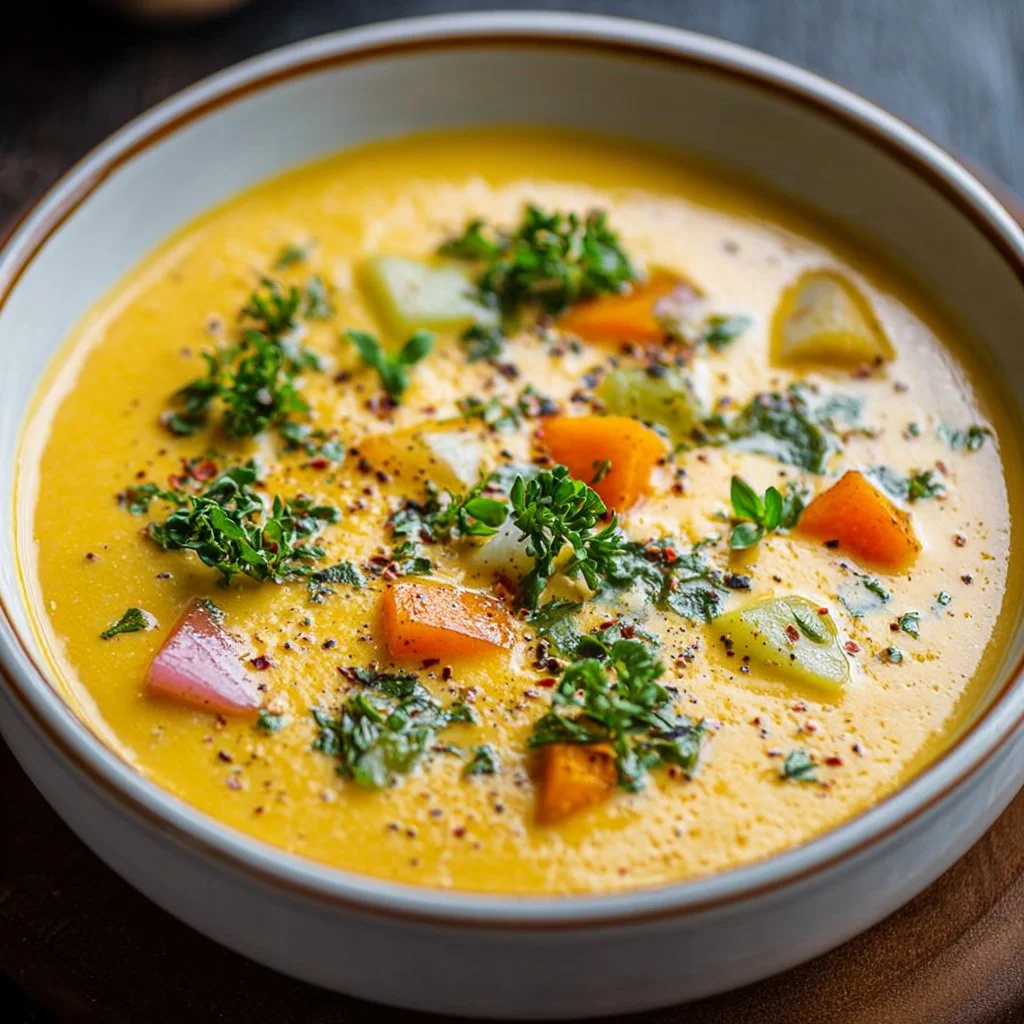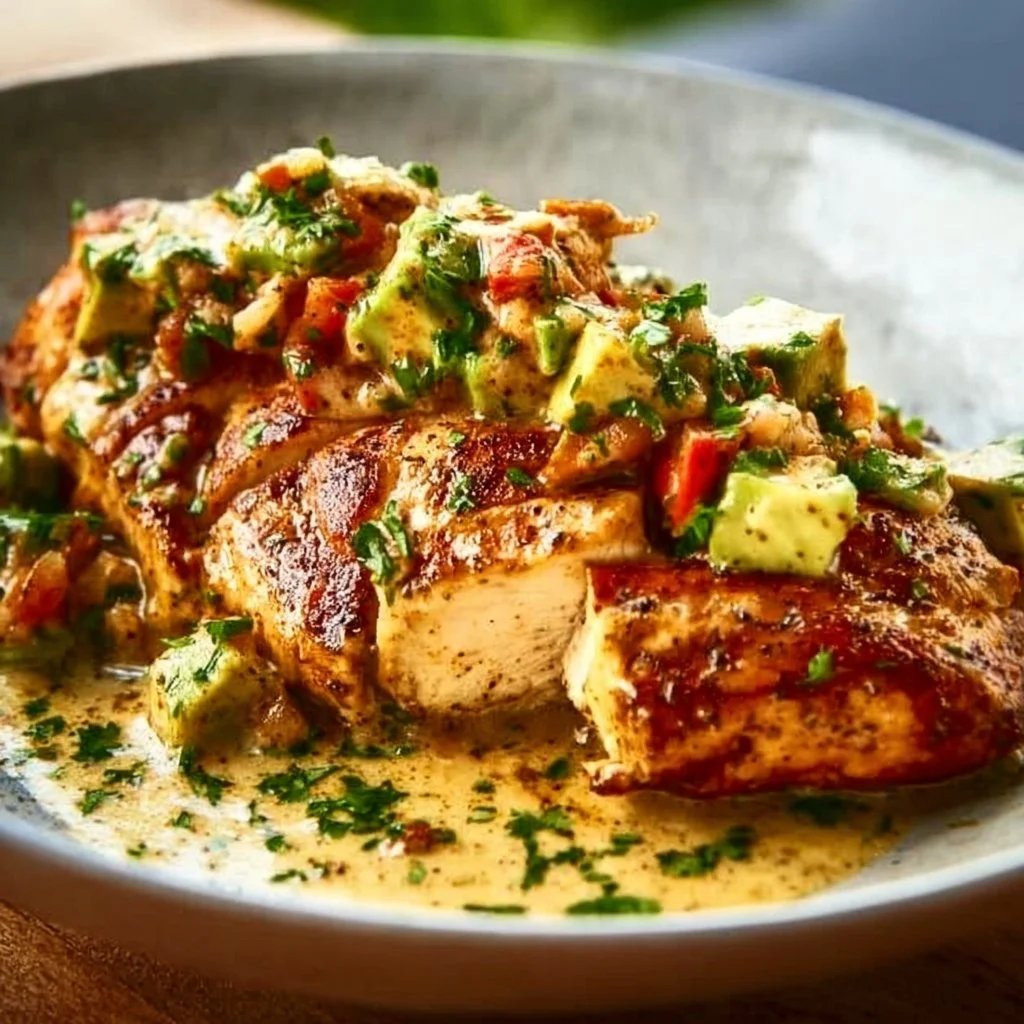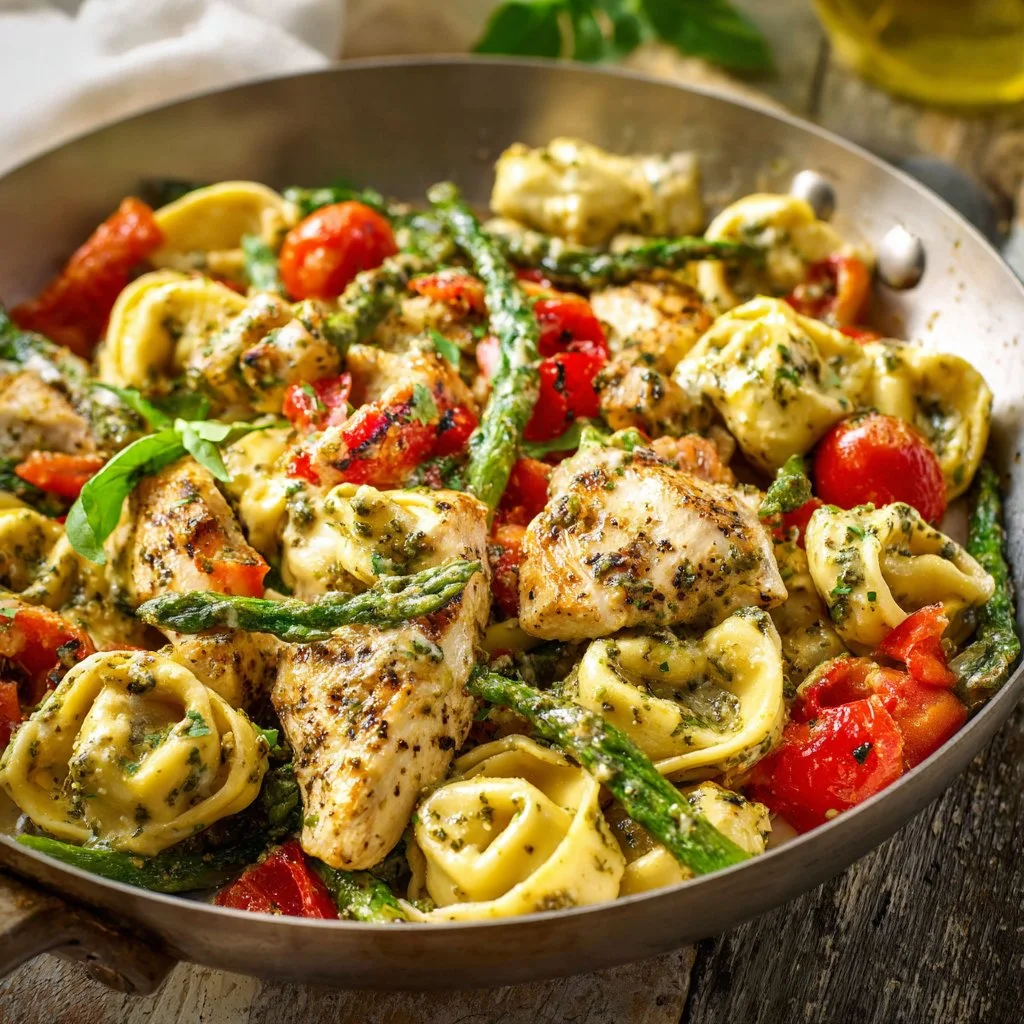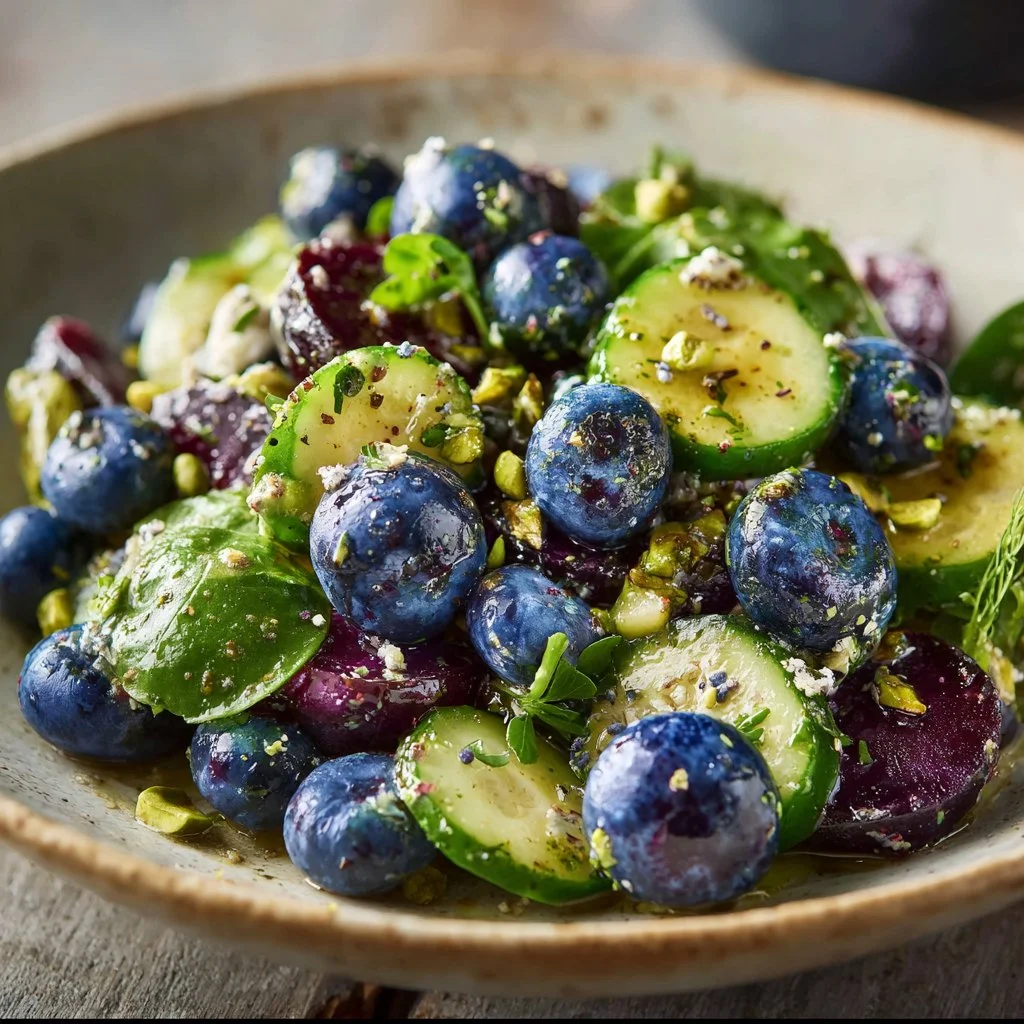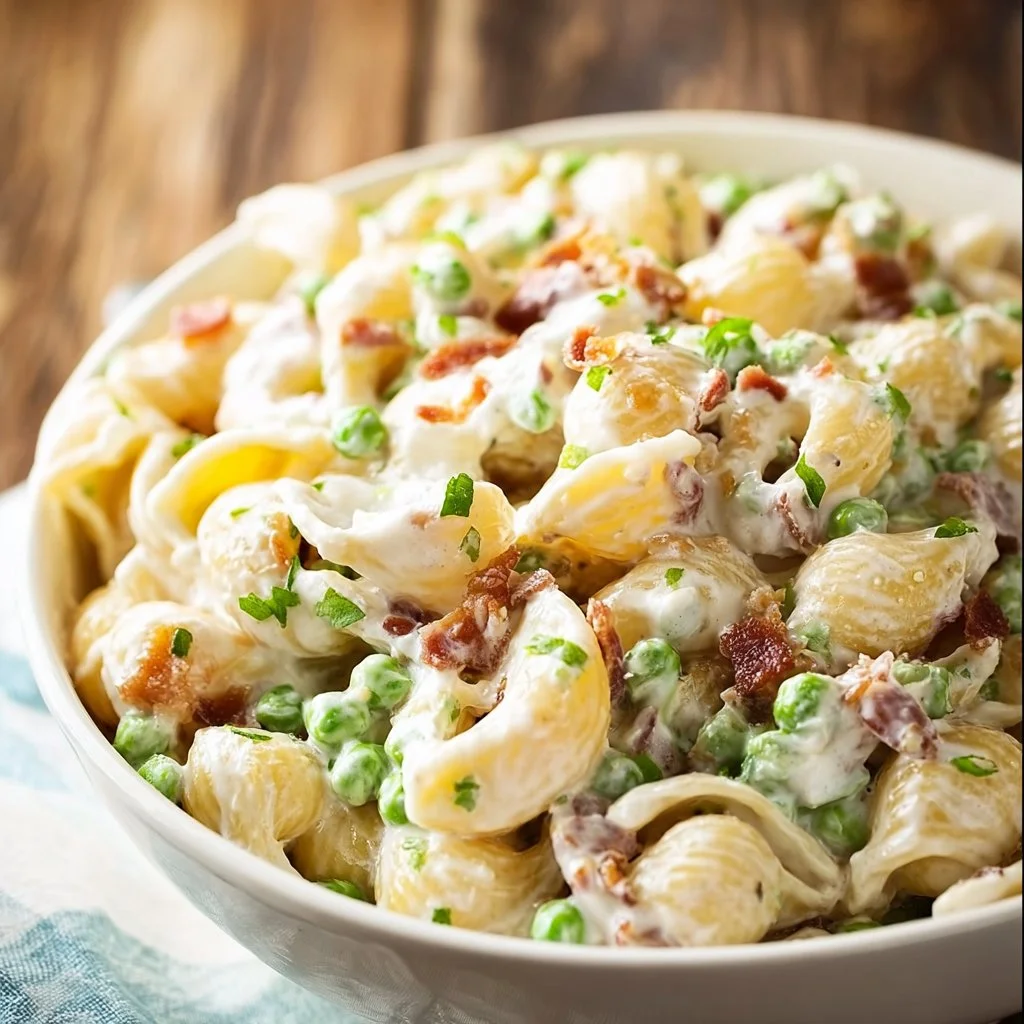
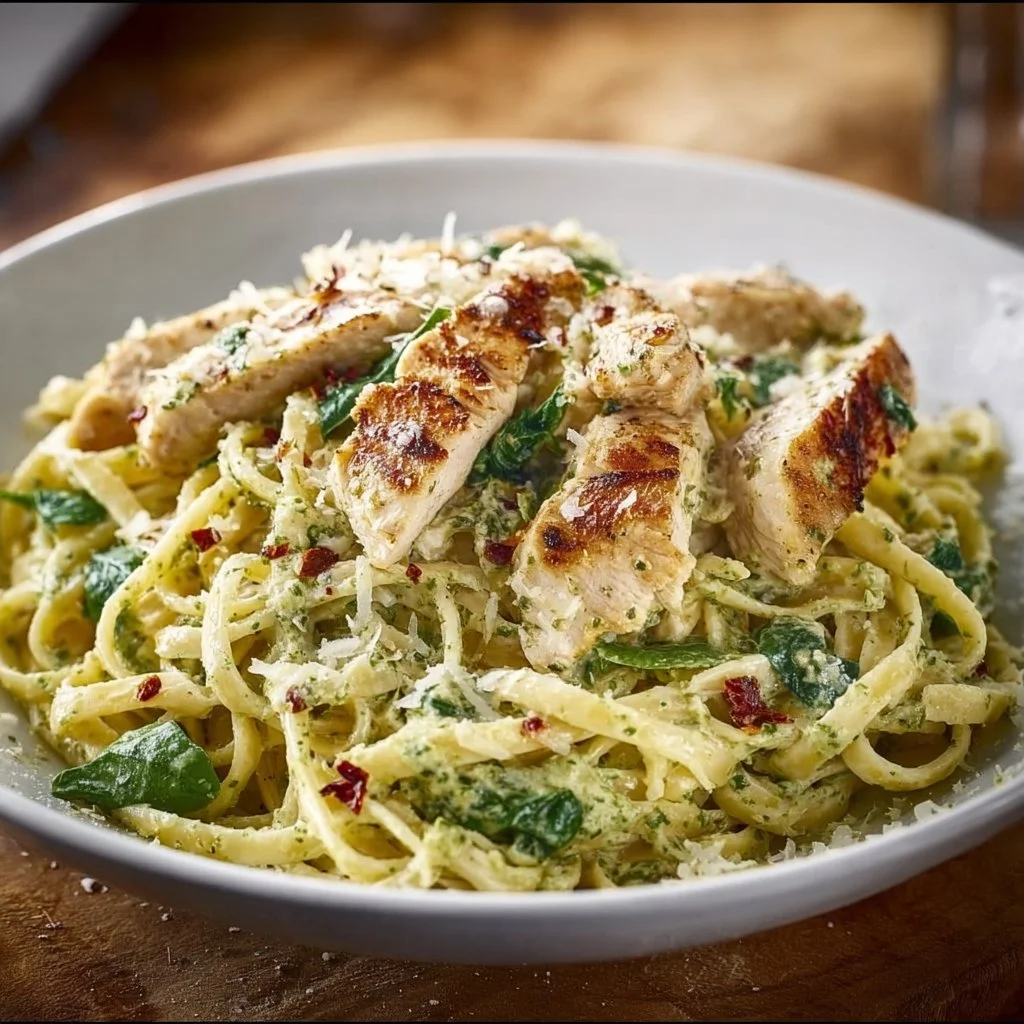
Pesto Pasta With Chicken is a comforting, bright, and satisfying meal that sings of fresh basil and cozy family dinners. This seasonal homemade recipe brings together tender diced chicken, silky pesto, and cream to create a luscious sauce that clings to every strand or bite of pasta. The combination of herbaceous pesto, rich Parmesan, and juicy chicken gives you a balance of texture and flavor—creamy, slightly nutty, and delightfully savory. If you love simple weeknight dinners that feel special, try this version and then explore a smoky grilled twist like our grilled chicken asparagus pesto pasta for an outdoor-friendly variation.
Ingredients & Equipment
Ingredients
- 12 oz pasta (any type; penne, fusilli, or farfalle work great)
- 1 lb chicken breast, diced
- 1 cup pesto sauce (store-bought or homemade)
- 1 cup heavy cream
- 1/2 cup grated Parmesan cheese
- Salt and pepper to taste
- Fresh basil for garnish
Notes:
- For a lighter option, substitute half-and-half for heavy cream, though the sauce will be thinner.
- Use freshly grated Parmesan for best flavor and a smoother melt.
- Make sure your pesto is halal and does not contain any non-halal additives; most traditional basil pine nut pestos are fine.
Helpful Equipment
- Large pot for boiling pasta
- Large skillet or sauté pan (12-inch recommended)
- Colander to drain pasta
- Cutting board and sharp chef’s knife
- Measuring cups and spoons
- Wooden spoon or heatproof spatula
- Blender or food processor (if making homemade pesto)
- Instant-read thermometer (handy to check chicken temperature)
- Baking tray (optional, if you prefer to roast the chicken)
Kitchen tip: an instant-read thermometer helps ensure chicken is cooked safely to 165°F (74°C) without overcooking.
Step-by-Step Instructions (with tips)
Cook pasta according to package instructions; drain and set aside.
- Tip: Salt the pasta water well (about 1–2 tablespoons for a large pot) to season the pasta from the inside out. Keep about 1/2 cup of pasta cooking water before draining; it can loosen the sauce if needed.
- Variation: For al dente pasta, cook 1–2 minutes less than the package time so it holds up when tossed with sauce.
In a large skillet, cook diced chicken over medium heat until fully cooked.
- Method: Heat 1–2 tablespoons of olive oil in the skillet. Add diced chicken, season with salt and pepper, and cook, stirring occasionally, until pieces are browned and cooked through (about 6–8 minutes).
- Tip: Don’t overcrowd the pan—cook in batches if needed for better browning.
- Variation: Instead of pan-searing, you can roast the chicken on a baking tray at 425°F (220°C) for about 12–15 minutes, then dice. Roasting gives a concentrated flavor and slightly crisp edges.
Reduce heat and add the pesto sauce and heavy cream; stir until combined.
- Tip: Lower the heat to avoid scorching the pesto. Stir the pesto into warm cream to create a smooth, pale green sauce.
- Flavor idea: Add a squeeze of fresh lemon juice (about 1 teaspoon) if you want a lift, or a pinch of red pepper flakes for subtle warmth.
Add the cooked pasta to the skillet and toss to combine well.
- Technique: Add pasta straight into the skillet and toss over low heat. If the sauce seems too thick, add reserved pasta water a tablespoon at a time until you reach the desired consistency.
- Tip: Tossing pasta in the sauce rather than pouring sauce over pasta helps the noodles absorb more flavor.
Stir in the grated Parmesan cheese, and season with salt and pepper to taste.
- Tip: Add the cheese off-heat or on the lowest heat to prevent separation. Taste before adding extra salt because pesto and Parmesan already contain salt.
Serve warm, garnished with fresh basil.
- Presentation tip: Tear a few basil leaves by hand and sprinkle over each bowl for aroma and color. A drizzle of extra-virgin olive oil just before serving adds sheen and richness.
Quick variations and additions:
- Vegetables: Stir in blanched peas, roasted cherry tomatoes, or sautéed mushrooms for color and nutrition.
- Nuts and crunch: Toasted pine nuts or slivered almonds sprinkled on top add texture.
- Cheese swaps: Try grated Pecorino Romano or a mix of Parmesan and Grana Padano.
For another fragrant, comforting chicken noodle idea, you might enjoy the flavors found in our aromatic ginger garlic chicken noodle soup—it’s a great companion recipe to keep in mind for cooler nights.
Storage, Freezing & Make-Ahead Tips
Storing leftovers:
- Refrigerate: Transfer cooled pesto pasta with chicken to an airtight container and refrigerate for up to 3–4 days.
- Reheating: Gently rewarm on the stove over low heat with a splash of water or cream to restore saucy texture. Microwaving works too—stir halfway through and add liquid if it looks dry.
Freezing:
- Freezing pesto cream sauces can sometimes change texture slightly, but it’s still perfectly tasty.
- To freeze: Cool completely, portion into freezer-safe containers, and freeze for up to 2 months. Thaw overnight in the refrigerator before reheating. Rewarm slowly on the stovetop and add a little cream or pasta water to revive the sauce.
- Tip: Freeze cooked chicken and pesto separately from fresh pasta when possible. Pasta can get softer after freezing and reheating, so if you plan to freeze, keep the components separate for best texture.
Make-ahead:
- Pesto: Make or buy pesto ahead of time. Homemade pesto keeps in the fridge for a week or freeze in ice cube trays for single-serving portions.
- Chicken: Cook and dice chicken up to two days ahead; store it refrigerated and fold into the sauce when ready.
- Full dish: Assemble fully and refrigerate for up to 24 hours; reheat gently before serving.
Portioning advice:
- This recipe yields about 4 servings. For meal prep, divide into individual containers and add fresh basil just before eating for the best color and aroma.
How to Use / Serve This Dish
Serving ideas:
- Simple dinner: Serve pesto pasta with chicken alongside a crisp green salad (mixed greens, cucumber, and lemon vinaigrette) to balance the richness.
- Family-style: Place the skillet on the table and let everyone garnish their portion—great for casual gatherings.
- Light lunch: Serve a smaller portion with a side of roasted vegetables for a hearty midday meal.
Creative variations:
- Lemon ricotta twist: Stir in a few spoonfuls of ricotta and a little lemon zest for a softer, tangy finish—this pairs beautifully with spring peas. For inspiration on bright spring pastas, see our take on lemon ricotta pasta with fresh peas.
- One-pan shortcut: For an efficient weeknight version, cook pasta in the same skillet with the liquid, or use a one-pot method where pasta finishes in the sauce (adjust liquid amounts). If you enjoy one-pot convenience, this approach saves time and dishes.
Serving temperature and garnishes:
- Serve warm—not piping hot—to let the pesto aroma shine.
- Garnish with torn basil leaves, an extra sprinkle of Parmesan, and a drizzle of olive oil for a restaurant-quality finish.
Pairing suggestions:
- Non-alcoholic beverages: Serve with sparkling water flavored with lemon, iced mint tea, or a light fruit spritzer.
- Bread: A warm, crusty loaf or garlic flatbread complements the creamy sauce well.
FAQ
Q: Can I use thigh meat instead of chicken breast?
A: Yes—boneless, skinless thigh meat is a great substitution. It’s slightly more forgiving and stays juicy during cooking. Adjust cooking time slightly if pieces are larger.
Q: How long does this dish keep in the fridge?
A: Stored in an airtight container, pesto pasta with chicken keeps well for 3–4 days. Reheat gently and add a splash of liquid if the sauce has thickened.
Q: Can I make this dairy-free or vegan?
A: For dairy-free, replace heavy cream with a plant-based alternative such as full-fat coconut milk or a cashew cream, and use a dairy-free Parmesan-style sprinkle. For a vegan version, swap chicken for cubed and pan-seared tofu or roasted chickpeas and use vegan pesto (no cheese) or a nut-and-herb pesto blended with nutritional yeast.
Q: Why did my sauce separate when reheating, and how can I fix it?
A: Separation can occur if reheated too quickly at high heat. Rewarm gently over low heat and whisk in a small splash of cream or reserved pasta water to bring the emulsion back together. A hand blender on low can help re-emulsify a broken sauce.
Conclusion
Pesto Pasta With Chicken is a cozy, versatile dish that celebrates fresh herbs, comforting creaminess, and simple weeknight joy. Whether you keep it classic or try a bright lemon-ricotta twist, this pasta is easy to adapt to what’s in season and what your family loves. If you’re looking for inspiration or variations to try next, check out this flavorful take on Creamy Chicken Pesto Pasta – The Mediterranean Dish for an extra-creamy version, explore a streamlined method in this helpful One Pot Creamy Pesto Chicken Pasta Recipe – Budget Bytes, or compare techniques in the Best Chicken Pesto Pasta Recipe – Delish roundup. Give this recipe a try, share it with someone who loves cozy, from-scratch meals, and come back to tell me which variation became your favorite.