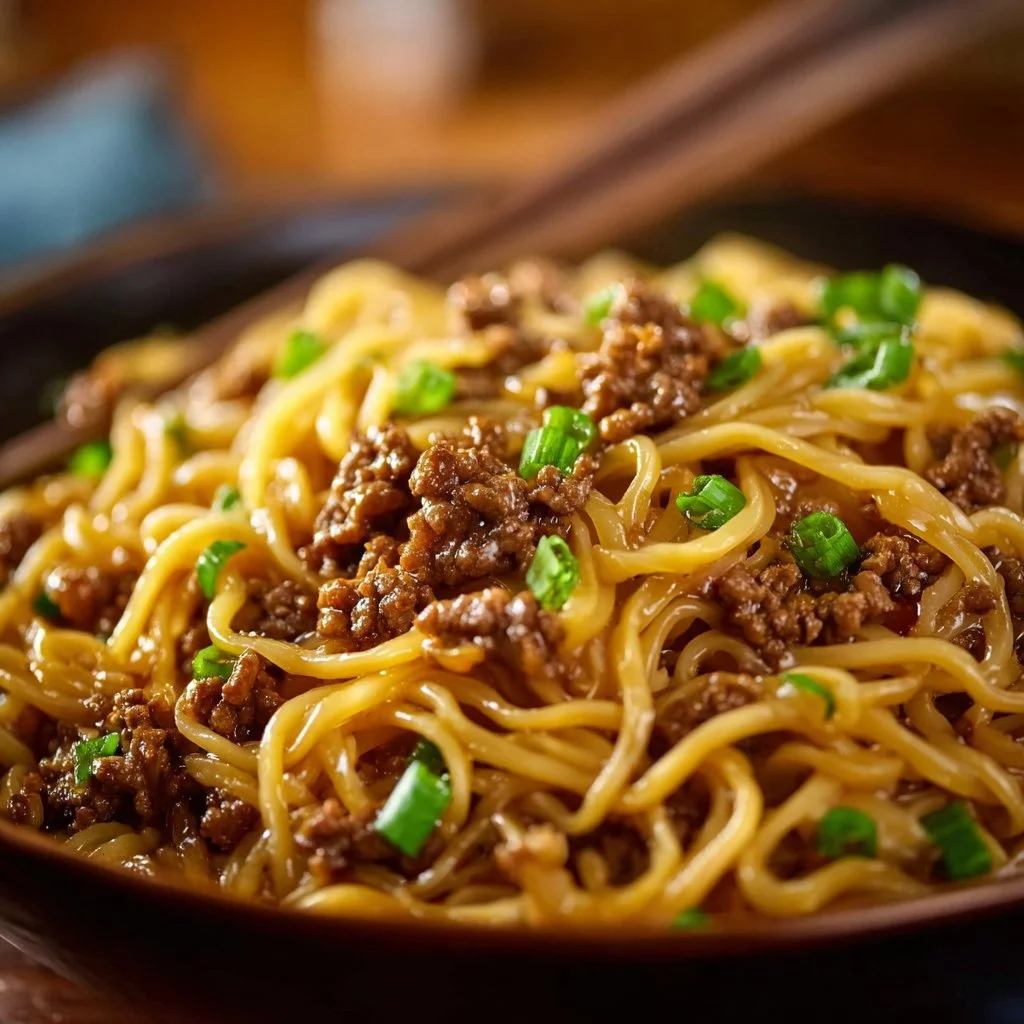
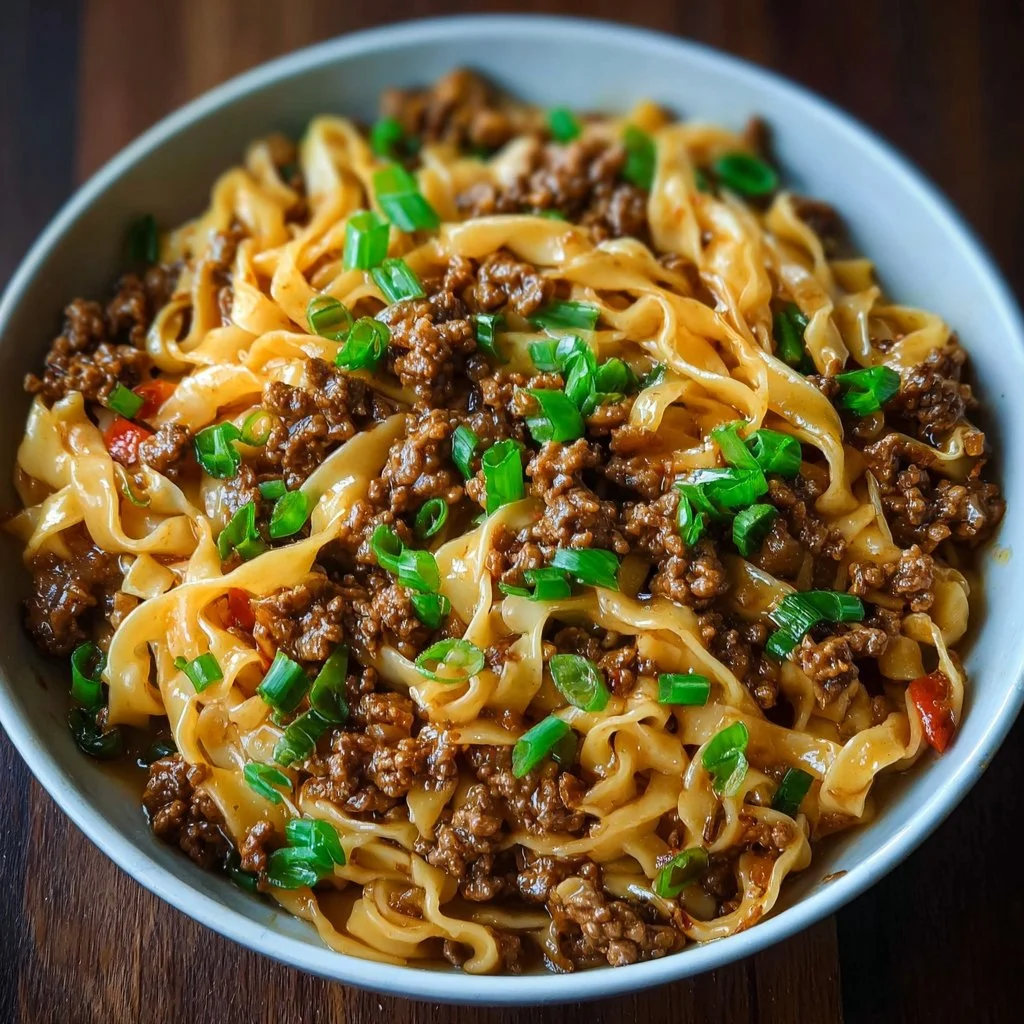
There’s something irresistibly cozy about a skillet full of savory-sweet sauce clinging to warm noodles, and our Mongolian Ground Beef Noodles deliver just that: fast comfort with a bright, seasonal twist. Ground beef is the star here—economical, flavorful, and perfect for quick weeknight meals when you want something hearty without fuss. If you love easy, family-friendly beef dishes, this recipe reads like a cousin to a cheesy ground beef and rice casserole but with Asian-inspired flavors and saucy, slurpable noodles. It’s ideal for cooler evenings when you crave warmth, big flavors, and a plate that feels like a hug.
Ingredients & Equipment
Ingredients
- 1 lb ground beef
- 5 cloves garlic, minced
- 1/3 cup brown sugar
- 1/4 cup beef broth
- 1/3 cup soy sauce
- 3 tablespoons hoisin sauce
- 1/2 teaspoon ground ginger
- 1/2 teaspoon ground black pepper
- Pinch of red pepper flakes (optional for a spicy kick)
- 10 oz linguine
- 1 tablespoon cornstarch
- 2 tablespoons water
- 4 green onions, sliced for garnish
Notes on ingredients
- Soy sauce: Use low-sodium soy sauce if you’re watching salt; taste before seasoning further.
- Hoisin sauce: Adds sweetness and depth; a little goes a long way. If you don’t have hoisin, see substitutions in the FAQ.
- Linguine: Works great for saucy preparations because the flat strands catch sauce well. Spaghetti or fettuccine are fine swaps.
Equipment
- Large pot for boiling pasta
- Colander or strainer
- Large skillet or sauté pan (12-inch preferred)
- Wooden spoon or spatula
- Small bowl for cornstarch slurry
- Tongs for tossing noodles with sauce
- Measuring cups and spoons
Helpful tools
- Blender or immersion blender (optional) if you want an ultra-smooth sauce base before adding to meat
- Rimmed baking sheet (handy if you prefer to brown ground beef in the oven for less splatter)
- Instant-read thermometer (not necessary here, but useful when working with thicker cuts or whole proteins)
Step-by-Step Instructions (with tips)
-
Cook the linguine according to the package instructions. Once cooked, drain and set aside.
- Tip: Salt your pasta water generously (it should taste like the sea). Reserve 1/4 cup of the pasta water before draining — it’s great to loosen the sauce if it gets too thick.
- Variation: For a slightly chewier texture, cook the linguine 1–2 minutes less than package directions and finish it in the sauce.
-
In a large skillet, cook the ground beef over medium heat until it is browned and cooked through. Drain any excess fat.
- Tip: Break the meat into small pieces as it cooks so the sauce can coat more surface area. If using extra-lean beef, you may not need to drain.
- Variation (roasting option): Spread the ground beef evenly on a rimmed baking sheet and roast at 425°F (220°C) for 10–15 minutes, stirring once. This reduces splatter and can yield a slightly deeper caramelization.
-
Add the minced garlic to the browned beef and cook for about 1 minute until fragrant. Stir in the brown sugar, beef broth, soy sauce, hoisin sauce, ground ginger, ground black pepper, and red pepper flakes if using. Stir well to combine all the flavors.
- Tip: After adding the liquid ingredients, bring the mixture to a gentle simmer so the sugar dissolves and flavors meld. Taste after a minute and adjust for salt, sweetness, or heat.
-
In a small bowl, mix the cornstarch with water to create a slurry. Add this mixture to the skillet and stir until the sauce thickens, about 2–3 minutes.
- Tip: Make sure the cornstarch is fully dissolved before adding to avoid lumps. If you prefer a thicker sauce, mix 1 1/2 tablespoons of cornstarch with 3 tablespoons of water and add gradually.
- Variation (no cornstarch): Reduce the sauce for a few extra minutes to concentrate flavors. If you want a glossy finish without cornstarch, whisk in a teaspoon of cold butter off the heat.
-
Once the sauce has thickened, add the cooked linguine to the skillet. Toss the noodles in the sauce until they are well coated.
- Tip: Use tongs and fold the pasta through the sauce so each strand is evenly coated. If the mixture seems dry, add reserved pasta water or a splash more beef broth to reach your desired sauciness.
- If you like, add quick-cooking vegetables (baby spinach, shredded carrots, or frozen peas) in at this step so they heat through in the sauce.
-
Garnish the dish with sliced green onions and serve hot.
- Tip: A few extra green onions and a sprinkle of sesame seeds or a drizzle of toasted sesame oil add a restaurant-finish flavor boost.
- Pairing idea: Serve with steamed broccoli or a bright cucumber salad on the side to cut through the richness.
Kitchen tips and flavor suggestions
- Brown sugar balance: The brown sugar gives that classic sweet-savory Mongolian note—start with 1/3 cup and adjust if you prefer more or less sweetness.
- Want more depth? Add a teaspoon of toasted sesame oil when you finish the sauce.
- For an umami boost, stir in a spoonful of oyster sauce or a dash of fish sauce (use sparingly).
- If you enjoy Korean-style beef noodles, try swapping hoisin for a bit of gochujang in a small batch to compare flavors — this recipe shares a family spirit with other savory noodle bowls like my Korean beef noodles.
Storage, Freezing & Make-Ahead Tips
Storing leftovers
- Refrigerator: Cool the dish to room temperature, then store in airtight containers for up to 3–4 days. Keep in mind that noodles will absorb sauce over time and become firmer.
- Reheating: Reheat on the stovetop in a skillet over medium-low heat with a splash of beef broth, water, or soy sauce to loosen the sauce. You can also microwave individual portions, stirring halfway through and adding a little liquid.
Freezing
- Freezing fully assembled noodles can cause the pasta to become mushy. For best results, freeze the sauce and noodles separately:
- Sauce: Cool and transfer to freezer-safe containers or bags; freeze up to 3 months.
- Noodles: Flash-freeze cooked linguine on a tray, then transfer to freezer bags for up to 1 month.
- To reheat from frozen: Thaw overnight in the fridge, then warm the sauce in a skillet and toss with reheated noodles.
Make-ahead ideas
- Prep the sauce ahead: Cook the beef and sauce up to the end of the thickening step. Cool and refrigerate for up to 2 days. When ready to serve, reheat the sauce and toss with freshly cooked linguine for the best texture.
- Double the sauce: If you love extra sauce, double the sauce ingredients (but keep the pasta amount the same) so leftovers are saucier.
Portioning advice
- This recipe serves about 3–4 people. For meal prep, portion into single-serving containers with a separate compartment (or a little container) for green onions and fresh garnishes.
How to Use / Serve This Dish
Serving ideas
- Family style: Spoon the noodles into a large bowl and top with a mound of sliced green onions and sesame seeds so everyone can help themselves.
- Meal companions: Serve alongside simple sautés like stir-fried bok choy, roasted broccoli, or steamed snap peas. A bright cabbage slaw with rice wine vinegar also pairs beautifully to cut the richness.
- Rice swap: Not in the mood for noodles? Serve the Mongolian beef sauce over steamed rice, cauliflower rice, or even baked potatoes for a fun twist similar to my Korean ground beef bowl.
- Leftover remix: Use leftovers as a filling for lettuce wraps, or toss into a stir-fried vegetable medley for a quick lunch.
Creative variations
- Protein swaps: Try ground pork, turkey, or a plant-based ground meat alternative. Ground lamb can add a deeper, aromatic twist—adjust seasoning accordingly.
- Veg-forward version: Add chopped mushrooms and shredded cabbage to the beef while it browns and increase the soy sauce slightly for balance.
- Heat options: Include fresh sliced chiles, a drizzle of chili oil, or extra red pepper flakes for more fire.
Frequently Asked Questions
Q: Can I use ground turkey or chicken instead of beef?
A: Yes. Ground turkey or chicken will work, but they are leaner and milder. Consider adding a touch more oil when browning and an extra splash of soy sauce or a small spoonful of sesame oil to boost flavor.
Q: How long will leftovers keep?
A: Refrigerated leftovers will keep for 3–4 days. Freeze the sauce separately for up to 3 months. When reheating, add liquid to restore sauciness and heat gently to avoid drying out the noodles.
Q: What can I substitute for hoisin sauce?
A: If you don’t have hoisin, mix 2 tablespoons of soy sauce with 1 tablespoon of brown sugar and 1/2 teaspoon of rice vinegar, plus a drop of sesame oil if you have it; this mimics the sweet-savory profile. Oyster sauce can also be used but is saltier, so reduce other salt sources.
Q: How do I prevent the noodles from getting mushy when reheating?
A: Reheat gently on the stovetop with a small splash of liquid and toss continuously until warmed through. Avoid high heat and overcooking. Freezing sauce and noodles separately is the best way to preserve texture.
Conclusion
Mongolian Ground Beef Noodles are the kind of seasonal comfort that feels effortless but tastes like you’ve spent hours on it—sweet-savory, slightly sticky sauce clinging to each strand of linguine, brightened by fresh green onions. It’s a weeknight hero with room for improvisation, from swapping proteins to adding quick veggies, and it scales easily for meal prep. If you want more inspiration for similar saucy, satisfying noodle dishes, take a look at this Mongolian Ground Beef Noodles | Table for Two® by Julie Chiou and this version from Mongolian Ground Beef Noodles – 12 Tomatoes to compare techniques and flavor notes. Try the recipe this week, play with the variations, and if you love it, share it with someone who could use a cozy, delicious dinner.
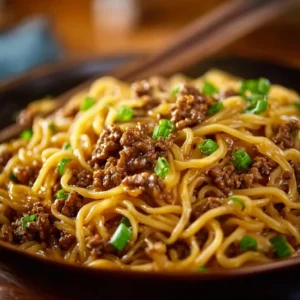
Mongolian Ground Beef Noodles
Ingredients
Main ingredients
- 1 lb ground beef
- 5 cloves garlic, minced
- ⅓ cup brown sugar Adjust sweetness to taste.
- ¼ cup beef broth
- ⅓ cup soy sauce Use low-sodium if preferred.
- 3 tablespoons hoisin sauce Adds sweetness and depth.
- ½ teaspoon ground ginger
- ½ teaspoon ground black pepper
- Pinch red pepper flakes Optional for a spicy kick.
- 10 oz linguine Works well with saucy preparations.
- 1 tablespoon cornstarch For thickening the sauce.
- 2 tablespoons water For the cornstarch slurry.
- 4 green onions sliced For garnish.
Instructions
Cooking the noodles
- Cook the linguine according to the package instructions. Once cooked, drain and set aside.
- Salt the pasta water generously before cooking, and reserve 1/4 cup of the pasta water before draining, to loosen the sauce if needed.
Preparing the beef
- In a large skillet, cook the ground beef over medium heat until browned and cooked through. Drain any excess fat.
- Break the meat into small pieces while it cooks for better sauce coating.
Making the sauce
- Add the minced garlic to the browned beef and cook for about 1 minute until fragrant.
- Stir in the brown sugar, beef broth, soy sauce, hoisin sauce, ground ginger, ground black pepper, and red pepper flakes. Mix well.
- Bring the mixture to a gentle simmer to dissolve the sugar and meld the flavors. Adjust seasoning if necessary.
- In a small bowl, mix cornstarch with water to create a slurry. Add this mixture to the skillet and stir until the sauce thickens, about 2–3 minutes.
- If you prefer a thicker sauce, whisk in more cornstarch gradually.
Combining noodles and sauce
- Once the sauce has thickened, add the cooked linguine to the skillet and toss until well coated.
- If mixture seems dry, add reserved pasta water or a splash of beef broth.
- Add quick-cooking vegetables if desired at this step.
Serving
- Garnish with sliced green onions and serve hot.
- Optionally add sesame seeds or toasted sesame oil for enhanced flavor.