Privacy Policy

Contact Us

Privacy Policy

Contact Us

Mongolian Ground Beef Noodles

Published March 15, 2026 By sarah

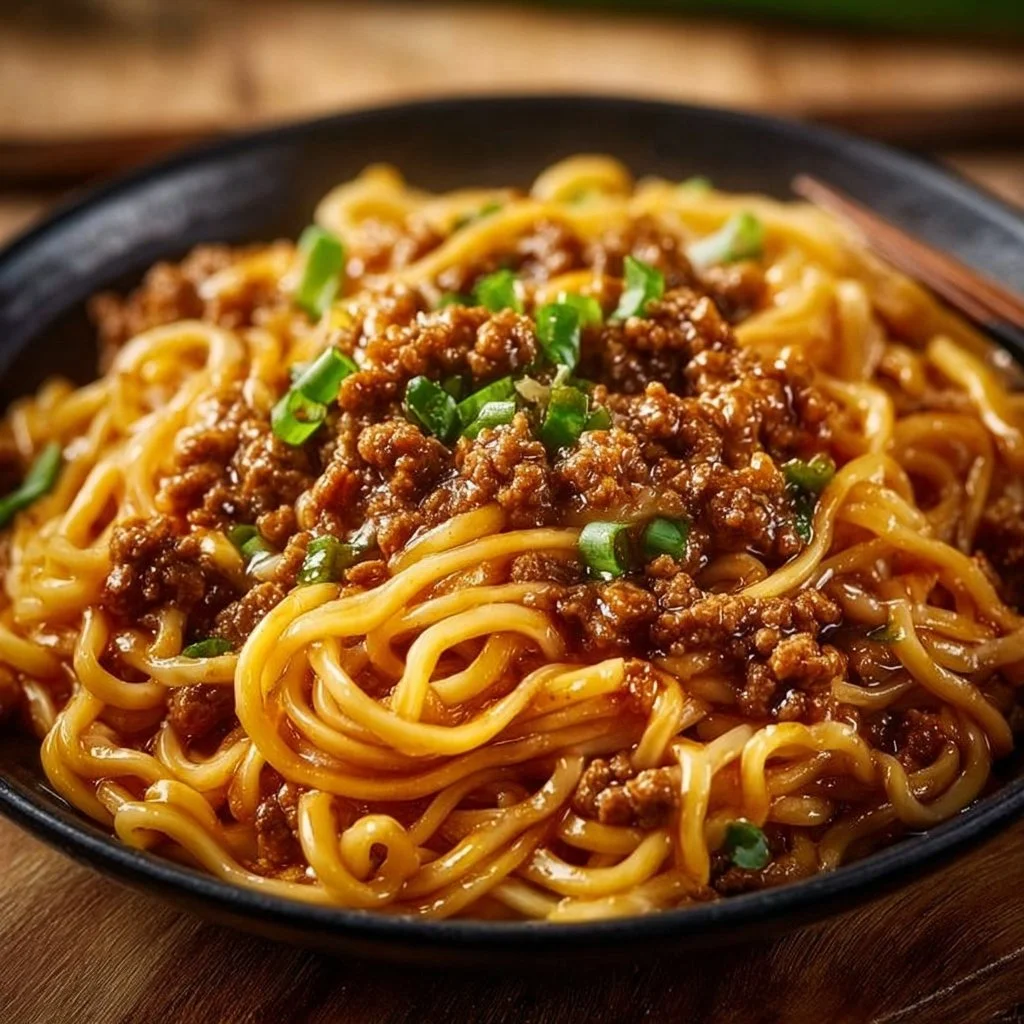
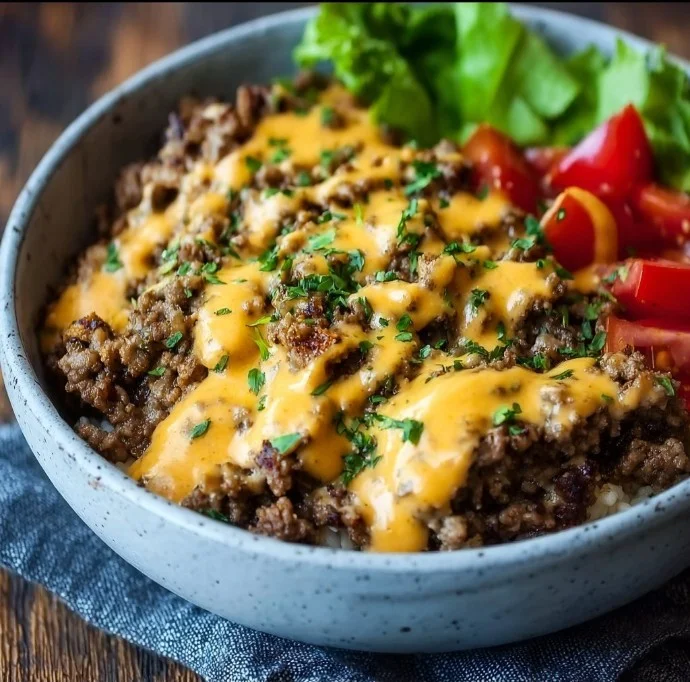
Plate of Mongolian Ground Beef Noodles served with vegetables

Mongolian Ground Beef Noodles

Mongolian Ground Beef Noodles is a cozy, fast weeknight dish that brings big savory-sweet flavor with minimal fuss. If you love comforting, from-scratch dinners that come together quickly, this recipe is worth trying: it pairs tender, caramelized ground beef with glossy, brown-sugar-soy sauce–coated noodles for a texture and flavor combination that feels both familiar and a little special. The main ingredients—ground beef, salty soy, toasty sesame oil, and browned garlic—create a sauce that clings to linguine, giving each bite that satisfying balance of sweet, savory, and umami. If you enjoy seasonal comfort cooking, this warm noodle bowl is especially nice in cooler months but versatile enough year-round—and if you’re pressed for time, it’s a great weeknight winner. For more simple ground-beef ideas you can compare prep styles with a favorite one-dish meal like easy ground beef casseroles as you plan your week.

Ingredients & Equipment

Ingredients

  • 8 oz linguine
  • 1 lb ground beef (lean or regular, depending on preference)
  • 3 cloves garlic, minced
  • 1/4 cup soy sauce (use low-sodium if preferred)
  • 3 tbsp brown sugar
  • 2 tbsp sesame oil
  • 1/2 tsp ground ginger
  • 2 green onions, sliced (white and green parts separated if you like)
  • Salt and pepper to taste

Notes

  • For a gluten-free version, swap soy sauce for a gluten-free tamari (see FAQ).
  • You can use lean ground beef for less fat, but a bit of fat helps the flavor and sauce cling to the noodles.
  • Brown sugar adds both sweetness and a light caramel note; dark brown sugar will be richer.

Helpful equipment

  • Large pot for boiling pasta
  • Colander to drain linguine
  • Large skillet or sauté pan (12-inch works well)
  • Wooden spoon or spatula for breaking up beef
  • Measuring cups and spoons
  • Chef’s knife and cutting board
  • Optional: a small bowl for mixing sauce, a kitchen thermometer if you like to check meat temperature

Step-by-Step Instructions (with tips)

  1. Cook the linguine according to package instructions; drain.
    Tip: Salt the pasta water well (about 1–2 tsp per quart) so the noodles absorb seasoning as they cook. For slightly firmer noodles, reduce the cooking time by 1 minute and finish cooking in the skillet with the sauce.

  2. In a large skillet, heat sesame oil over medium heat.
    Tip: Watch the oil so it doesn’t smoke; sesame oil adds a toasted aroma quickly. If you’d like a milder sesame note, use 1 tbsp sesame oil and 1 tbsp neutral oil (canola or vegetable).

  3. Add ground beef and cook until browned.
    Tip: Break the meat apart as it cooks and let it get a little caramelized; those browned bits add depth to the sauce. If the beef releases a lot of liquid, let it reduce a minute or drain excess fat if you prefer a leaner finish.

  4. Stir in minced garlic and cook for 1 minute.
    Tip: Garlic cooks quickly—add it after the beef is nicely browned so it doesn’t burn and turn bitter.

  5. Add soy sauce, brown sugar, and ground ginger; mix well.
    Tip: Stir and let the sauce bubble briefly so the sugar dissolves and starts to thicken. Taste and adjust—if it’s too salty, add a touch more brown sugar or a splash of water; if too sweet, a squeeze of fresh lemon juice or a pinch more ground ginger brightens it (lemon is optional, but adds freshness).

  6. Combine the cooked linguine with the beef mixture and toss to coat.
    Tip: Use tongs or two large forks to toss the noodles thoroughly so each strand picks up sauce. If the mixture seems dry, add 1–2 tablespoons of the reserved pasta water (starchy cooking water helps bind sauce to noodles).

  7. Season with salt and pepper.
    Tip: Because soy sauce is salty, less added salt is usually needed; always taste before adding more.

  8. Serve garnished with sliced green onions.
    Tip: Scatter the white parts of the green onions while cooking for more onion flavor, and add the green parts fresh at the end for color and brightness.

Variations and flavor suggestions

  • Add vegetables: Stir in quick-cooking vegetables like thinly sliced bell peppers, shredded carrots, snap peas, or baby spinach during the last 2–3 minutes for color and nutrition.
  • Add heat: A pinch of red pepper flakes, a drizzle of chili oil, or a small spoonful of chili paste brightens the dish.
  • Swap noodles: Use spaghetti, udon, or rice noodles depending on texture preference. Udon gives a chewier, more pillowy bite.
  • Make it saucier: For a silkier sauce, whisk 1 tsp cornstarch with 2 tbsp water and stir it into the pan after adding soy sauce, letting it bubble to thicken.

Roasting vs. boiling note

  • If you prefer a deeper flavor in the beef, you can roast ground beef in a 425°F oven spread on a rimmed baking sheet until browned (about 12–15 minutes), then transfer to the skillet to finish with the sauce. For the noodles, boiling remains the fastest, most consistent method.

Kitchen tips summary

  • Reserve some pasta water to loosen the sauce if needed.
  • Caramelize the beef well for best flavor contrast.
  • Use low-sodium soy sauce if watching salt; taste before salting.
  • Finish with fresh garnishes (green onions, sesame seeds) for texture.

Storage, Freezing & Make-Ahead Tips

Storing leftovers

  • Refrigerate in an airtight container for up to 3–4 days. Reheat gently on the stove over low heat with a splash of water or broth to loosen the sauce, or microwave in 30-second intervals, stirring between, until hot.

Freezing

  • Freezing is possible but best done carefully: separate components for best texture—freeze the beef-sauce in a sealed container and the noodles in another. Thaw overnight in the refrigerator before reheating. The sauce will freeze and reheat well; noodles can become a bit softer, so consider undercooking them slightly if you plan to freeze.

Make-ahead tips

  • Prepare the beef-sauce up to 3 days ahead; cool completely and refrigerate. When ready, reheat the sauce and toss with freshly cooked noodles for the best texture.
  • For meal prep portioning, divide into single-serving containers with the sauce and noodles separated if possible. Add fresh green onions at the time of serving.

Portioning advice

  • This recipe yields about 3–4 servings depending on appetite. For meal prep, 1/2 lb beef and 4 oz noodles per meal is a good single-serving guideline for a hearty main course.

How to Use / Serve This Dish

Serving ideas

  • Family-style bowl: Serve steaming bowls and let everyone top with extra green onions, sesame seeds, or chili flakes for customizable spice.
  • With steamed vegetables: Balance the richness with steamed broccoli, bok choy, or a simple cucumber salad for crunch and brightness.
  • As a noodle salad: Cool the noodles and beef slightly and toss with a splash of rice vinegar and shredded carrots for a warm-to-cool noodle salad.
  • In lettuce wraps: Spoon the beef and noodle mixture into crisp lettuce leaves for a lighter, hand-held option that’s great for parties or casual dinners.

Creative variations

  • Stuffed peppers: Mix the beef and some chopped noodles into halved bell peppers, top with a sprinkle of shredded cheese (optional), and bake until the peppers soften.
  • Noodle bake: Combine leftovers with a light bechamel or tomato-based sauce, sprinkle with breadcrumbs, and bake for a golden, casserole-style meal.
  • Breakfast twist: Stir a soft-poached egg or a fried egg on top for a silky sauce element (eggs are halal-friendly and add richness).

Pairings

  • Serve with simple sides like steamed greens or a bright citrusy salad to cut through the savory-sweet sauce. Avoid alcoholic beverage pairings; instead, consider a warm cup of mint tea or a refreshing iced lemon drink.

FAQ

Q: Can I substitute ground beef with other proteins?
A: Yes—ground turkey, chicken, or lamb work well. Ground turkey is leaner and milder, so consider adding a touch of oil or reducing sugar slightly to keep the flavor balanced. For lamb, reduce additional salt because lamb can be richer. Plant-based crumbles also work for a vegetarian-friendly swap; check seasoning and cook time.

Q: How long will leftovers keep in the fridge?
A: Store in an airtight container and use within 3–4 days. Reheat thoroughly to 165°F (74°C) for food safety. If freezing, use within 2–3 months for best quality.

Q: Can I make this gluten-free?
A: Absolutely. Swap regular soy sauce for a gluten-free tamari or a certified gluten-free soy sauce, and choose gluten-free linguine or rice noodles. Adjust seasoning as tamari can be slightly different in saltiness.

Q: My sauce is too thick or too salty—how do I fix it?
A: If too thick, add a tablespoon or two of reserved pasta water or unsalted broth until the desired consistency. If too salty, add a small splash of vinegar (rice or apple cider) or a teaspoon of honey to balance, or add more unsalted noodles/vegetables to dilute the saltiness.

Conclusion

Mongolian Ground Beef Noodles is a comforting, pantry-friendly recipe that rewards simple ingredients with big flavor—perfect for chilly evenings, busy weeknights, or any time you want a warming bowl of noodles. If you enjoy exploring similar takes on the classic, you might find additional variations and inspiration from other home cooks; for instance, take a look at this version on Mongolian Ground Beef Noodles – 12 Tomatoes to compare sauce styles. For another home-cooking perspective and step-by-step photos, check out the take on Mongolian Ground Beef Noodles | Table for Two® by Julie Chiou. If you like to see alternate ingredient swaps and serving ideas, this write-up from Mongolian Ground Beef Noodles – Palatable Pastime is a helpful reference. And for a classic approach with helpful tips, this guide at Mongolian Ground Beef Noodles – Taste and Tell offers another friendly viewpoint. I hope this recipe brings warmth and simple joy to your table—give it a try, tweak it your way, and come back to share how you made it your own.
Plate of Mongolian Ground Beef Noodles served with vegetables

Mongolian Ground Beef Noodles

A cozy, fast weeknight dish featuring tender, caramelized ground beef with glossy, brown-sugar-soy sauce-coated noodles, offering a satisfying balance of sweet, savory, and umami flavors.
Prep Time 10 minutes
Cook Time 15 minutes
Total Time 25 minutes
Course Dinner, Main Course
Cuisine Asian, Mongolian
Servings 4 servings
Calories 500 kcal

Ingredients
  

Noodles and Sauce Ingredients

  • 8 oz linguine Use gluten-free noodles if needed.
  • 1 lb ground beef Lean or regular depending on preference.
  • 3 cloves garlic, minced
  • ¼ cup soy sauce Use low-sodium if preferred.
  • 3 tbsp brown sugar Dark brown sugar will yield a richer flavor.
  • 2 tbsp sesame oil Watch the oil so it doesn’t smoke.
  • ½ tsp ground ginger
  • 2 stalks green onions, sliced White and green parts separated if desired.
  • Salt and pepper to taste Soy sauce adds saltiness; adjust seasoning accordingly.

Instructions
 

Cooking the Noodles

  • Cook the linguine according to package instructions; drain.
  • Tip: Salt the pasta water well (about 1–2 tsp per quart) so the noodles absorb seasoning as they cook. For slightly firmer noodles, reduce the cooking time by 1 minute and finish cooking in the skillet with the sauce.

Preparing the Beef

  • In a large skillet, heat sesame oil over medium heat.
  • Tip: Watch the oil so it doesn’t smoke; sesame oil adds a toasted aroma quickly.
  • Add ground beef and cook until browned.
  • Tip: Break the meat apart as it cooks and let it get a little caramelized.
  • Stir in minced garlic and cook for 1 minute.
  • Tip: Add garlic after the beef is browned so it doesn’t burn.
  • Add soy sauce, brown sugar, and ground ginger; mix well.
  • Tip: Stir and let the sauce bubble briefly to thicken.

Combining Noodles and Sauce

  • Combine the cooked linguine with the beef mixture and toss to coat.
  • Tip: Use tongs or two large forks to toss the noodles thoroughly.
  • Season with salt and pepper.
  • Tip: Always taste before adding more salt.

Serving

  • Serve garnished with sliced green onions.
  • Tip: Add the white parts of the green onions while cooking for more flavor.
Notes

For a gluten-free version, swap soy sauce for gluten-free tamari. Store leftovers in an airtight container for up to 3-4 days. For meal prep, portion into containers with sauce and noodles separated.

Nutrition

Serving: 1gCalories: 500kcalCarbohydrates: 53gProtein: 30gFat: 20gSaturated Fat: 7gSodium: 800mgFiber: 2gSugar: 6g
Keyword Comfort Food, Easy Dinner, Mongolian Ground Beef Noodles, noodle dish, Weeknight Meal
Tried this recipe?Let us know how it was!

Mongolian Ground Beef Noodles

Published: March 15, 2026 By sarah

Plate of Mongolian Ground Beef Noodles served with vegetables

Mongolian Ground Beef Noodles

Mongolian Ground Beef Noodles is a cozy, fast weeknight dish that brings big savory-sweet flavor with minimal fuss. If you love comforting, from-scratch dinners that come together quickly, this recipe is worth trying: it pairs tender, caramelized ground beef with glossy, brown-sugar-soy sauce–coated noodles for a texture and flavor combination that feels both familiar and a little special. The main ingredients—ground beef, salty soy, toasty sesame oil, and browned garlic—create a sauce that clings to linguine, giving each bite that satisfying balance of sweet, savory, and umami. If you enjoy seasonal comfort cooking, this warm noodle bowl is especially nice in cooler months but versatile enough year-round—and if you’re pressed for time, it’s a great weeknight winner. For more simple ground-beef ideas you can compare prep styles with a favorite one-dish meal like easy ground beef casseroles as you plan your week.

Ingredients & Equipment

Ingredients

  • 8 oz linguine
  • 1 lb ground beef (lean or regular, depending on preference)
  • 3 cloves garlic, minced
  • 1/4 cup soy sauce (use low-sodium if preferred)
  • 3 tbsp brown sugar
  • 2 tbsp sesame oil
  • 1/2 tsp ground ginger
  • 2 green onions, sliced (white and green parts separated if you like)
  • Salt and pepper to taste

Notes

  • For a gluten-free version, swap soy sauce for a gluten-free tamari (see FAQ).
  • You can use lean ground beef for less fat, but a bit of fat helps the flavor and sauce cling to the noodles.
  • Brown sugar adds both sweetness and a light caramel note; dark brown sugar will be richer.

Helpful equipment

  • Large pot for boiling pasta
  • Colander to drain linguine
  • Large skillet or sauté pan (12-inch works well)
  • Wooden spoon or spatula for breaking up beef
  • Measuring cups and spoons
  • Chef’s knife and cutting board
  • Optional: a small bowl for mixing sauce, a kitchen thermometer if you like to check meat temperature

Step-by-Step Instructions (with tips)

  1. Cook the linguine according to package instructions; drain.
    Tip: Salt the pasta water well (about 1–2 tsp per quart) so the noodles absorb seasoning as they cook. For slightly firmer noodles, reduce the cooking time by 1 minute and finish cooking in the skillet with the sauce.

  2. In a large skillet, heat sesame oil over medium heat.
    Tip: Watch the oil so it doesn’t smoke; sesame oil adds a toasted aroma quickly. If you’d like a milder sesame note, use 1 tbsp sesame oil and 1 tbsp neutral oil (canola or vegetable).

  3. Add ground beef and cook until browned.
    Tip: Break the meat apart as it cooks and let it get a little caramelized; those browned bits add depth to the sauce. If the beef releases a lot of liquid, let it reduce a minute or drain excess fat if you prefer a leaner finish.

  4. Stir in minced garlic and cook for 1 minute.
    Tip: Garlic cooks quickly—add it after the beef is nicely browned so it doesn’t burn and turn bitter.

  5. Add soy sauce, brown sugar, and ground ginger; mix well.
    Tip: Stir and let the sauce bubble briefly so the sugar dissolves and starts to thicken. Taste and adjust—if it’s too salty, add a touch more brown sugar or a splash of water; if too sweet, a squeeze of fresh lemon juice or a pinch more ground ginger brightens it (lemon is optional, but adds freshness).

  6. Combine the cooked linguine with the beef mixture and toss to coat.
    Tip: Use tongs or two large forks to toss the noodles thoroughly so each strand picks up sauce. If the mixture seems dry, add 1–2 tablespoons of the reserved pasta water (starchy cooking water helps bind sauce to noodles).

  7. Season with salt and pepper.
    Tip: Because soy sauce is salty, less added salt is usually needed; always taste before adding more.

  8. Serve garnished with sliced green onions.
    Tip: Scatter the white parts of the green onions while cooking for more onion flavor, and add the green parts fresh at the end for color and brightness.

Variations and flavor suggestions

  • Add vegetables: Stir in quick-cooking vegetables like thinly sliced bell peppers, shredded carrots, snap peas, or baby spinach during the last 2–3 minutes for color and nutrition.
  • Add heat: A pinch of red pepper flakes, a drizzle of chili oil, or a small spoonful of chili paste brightens the dish.
  • Swap noodles: Use spaghetti, udon, or rice noodles depending on texture preference. Udon gives a chewier, more pillowy bite.
  • Make it saucier: For a silkier sauce, whisk 1 tsp cornstarch with 2 tbsp water and stir it into the pan after adding soy sauce, letting it bubble to thicken.

Roasting vs. boiling note

  • If you prefer a deeper flavor in the beef, you can roast ground beef in a 425°F oven spread on a rimmed baking sheet until browned (about 12–15 minutes), then transfer to the skillet to finish with the sauce. For the noodles, boiling remains the fastest, most consistent method.

Kitchen tips summary

  • Reserve some pasta water to loosen the sauce if needed.
  • Caramelize the beef well for best flavor contrast.
  • Use low-sodium soy sauce if watching salt; taste before salting.
  • Finish with fresh garnishes (green onions, sesame seeds) for texture.

Storage, Freezing & Make-Ahead Tips

Storing leftovers

  • Refrigerate in an airtight container for up to 3–4 days. Reheat gently on the stove over low heat with a splash of water or broth to loosen the sauce, or microwave in 30-second intervals, stirring between, until hot.

Freezing

  • Freezing is possible but best done carefully: separate components for best texture—freeze the beef-sauce in a sealed container and the noodles in another. Thaw overnight in the refrigerator before reheating. The sauce will freeze and reheat well; noodles can become a bit softer, so consider undercooking them slightly if you plan to freeze.

Make-ahead tips

  • Prepare the beef-sauce up to 3 days ahead; cool completely and refrigerate. When ready, reheat the sauce and toss with freshly cooked noodles for the best texture.
  • For meal prep portioning, divide into single-serving containers with the sauce and noodles separated if possible. Add fresh green onions at the time of serving.

Portioning advice

  • This recipe yields about 3–4 servings depending on appetite. For meal prep, 1/2 lb beef and 4 oz noodles per meal is a good single-serving guideline for a hearty main course.

How to Use / Serve This Dish

Serving ideas

  • Family-style bowl: Serve steaming bowls and let everyone top with extra green onions, sesame seeds, or chili flakes for customizable spice.
  • With steamed vegetables: Balance the richness with steamed broccoli, bok choy, or a simple cucumber salad for crunch and brightness.
  • As a noodle salad: Cool the noodles and beef slightly and toss with a splash of rice vinegar and shredded carrots for a warm-to-cool noodle salad.
  • In lettuce wraps: Spoon the beef and noodle mixture into crisp lettuce leaves for a lighter, hand-held option that’s great for parties or casual dinners.

Creative variations

  • Stuffed peppers: Mix the beef and some chopped noodles into halved bell peppers, top with a sprinkle of shredded cheese (optional), and bake until the peppers soften.
  • Noodle bake: Combine leftovers with a light bechamel or tomato-based sauce, sprinkle with breadcrumbs, and bake for a golden, casserole-style meal.
  • Breakfast twist: Stir a soft-poached egg or a fried egg on top for a silky sauce element (eggs are halal-friendly and add richness).

Pairings

  • Serve with simple sides like steamed greens or a bright citrusy salad to cut through the savory-sweet sauce. Avoid alcoholic beverage pairings; instead, consider a warm cup of mint tea or a refreshing iced lemon drink.

FAQ

Q: Can I substitute ground beef with other proteins?
A: Yes—ground turkey, chicken, or lamb work well. Ground turkey is leaner and milder, so consider adding a touch of oil or reducing sugar slightly to keep the flavor balanced. For lamb, reduce additional salt because lamb can be richer. Plant-based crumbles also work for a vegetarian-friendly swap; check seasoning and cook time.

Q: How long will leftovers keep in the fridge?
A: Store in an airtight container and use within 3–4 days. Reheat thoroughly to 165°F (74°C) for food safety. If freezing, use within 2–3 months for best quality.

Q: Can I make this gluten-free?
A: Absolutely. Swap regular soy sauce for a gluten-free tamari or a certified gluten-free soy sauce, and choose gluten-free linguine or rice noodles. Adjust seasoning as tamari can be slightly different in saltiness.

Q: My sauce is too thick or too salty—how do I fix it?
A: If too thick, add a tablespoon or two of reserved pasta water or unsalted broth until the desired consistency. If too salty, add a small splash of vinegar (rice or apple cider) or a teaspoon of honey to balance, or add more unsalted noodles/vegetables to dilute the saltiness.

Conclusion

Mongolian Ground Beef Noodles is a comforting, pantry-friendly recipe that rewards simple ingredients with big flavor—perfect for chilly evenings, busy weeknights, or any time you want a warming bowl of noodles. If you enjoy exploring similar takes on the classic, you might find additional variations and inspiration from other home cooks; for instance, take a look at this version on Mongolian Ground Beef Noodles – 12 Tomatoes to compare sauce styles. For another home-cooking perspective and step-by-step photos, check out the take on Mongolian Ground Beef Noodles | Table for Two® by Julie Chiou. If you like to see alternate ingredient swaps and serving ideas, this write-up from Mongolian Ground Beef Noodles – Palatable Pastime is a helpful reference. And for a classic approach with helpful tips, this guide at Mongolian Ground Beef Noodles – Taste and Tell offers another friendly viewpoint. I hope this recipe brings warmth and simple joy to your table—give it a try, tweak it your way, and come back to share how you made it your own.

Plate of Mongolian Ground Beef Noodles served with vegetables

Mongolian Ground Beef Noodles

A cozy, fast weeknight dish featuring tender, caramelized ground beef with glossy, brown-sugar-soy sauce-coated noodles, offering a satisfying balance of sweet, savory, and umami flavors.
Prep Time 10 minutes
Cook Time 15 minutes
Total Time 25 minutes
Course Dinner, Main Course
Cuisine Asian, Mongolian
Servings 4 servings
Calories 500 kcal

Ingredients
  

Noodles and Sauce Ingredients

  • 8 oz linguine Use gluten-free noodles if needed.
  • 1 lb ground beef Lean or regular depending on preference.
  • 3 cloves garlic, minced
  • ¼ cup soy sauce Use low-sodium if preferred.
  • 3 tbsp brown sugar Dark brown sugar will yield a richer flavor.
  • 2 tbsp sesame oil Watch the oil so it doesn’t smoke.
  • ½ tsp ground ginger
  • 2 stalks green onions, sliced White and green parts separated if desired.
  • Salt and pepper to taste Soy sauce adds saltiness; adjust seasoning accordingly.

Instructions
 

Cooking the Noodles

  • Cook the linguine according to package instructions; drain.
  • Tip: Salt the pasta water well (about 1–2 tsp per quart) so the noodles absorb seasoning as they cook. For slightly firmer noodles, reduce the cooking time by 1 minute and finish cooking in the skillet with the sauce.

Preparing the Beef

  • In a large skillet, heat sesame oil over medium heat.
  • Tip: Watch the oil so it doesn’t smoke; sesame oil adds a toasted aroma quickly.
  • Add ground beef and cook until browned.
  • Tip: Break the meat apart as it cooks and let it get a little caramelized.
  • Stir in minced garlic and cook for 1 minute.
  • Tip: Add garlic after the beef is browned so it doesn’t burn.
  • Add soy sauce, brown sugar, and ground ginger; mix well.
  • Tip: Stir and let the sauce bubble briefly to thicken.

Combining Noodles and Sauce

  • Combine the cooked linguine with the beef mixture and toss to coat.
  • Tip: Use tongs or two large forks to toss the noodles thoroughly.
  • Season with salt and pepper.
  • Tip: Always taste before adding more salt.

Serving

  • Serve garnished with sliced green onions.
  • Tip: Add the white parts of the green onions while cooking for more flavor.
Notes

For a gluten-free version, swap soy sauce for gluten-free tamari. Store leftovers in an airtight container for up to 3-4 days. For meal prep, portion into containers with sauce and noodles separated.

Nutrition

Serving: 1gCalories: 500kcalCarbohydrates: 53gProtein: 30gFat: 20gSaturated Fat: 7gSodium: 800mgFiber: 2gSugar: 6g
Keyword Comfort Food, Easy Dinner, Mongolian Ground Beef Noodles, noodle dish, Weeknight Meal
Tried this recipe?Let us know how it was!

Leave a Comment

Recipe Rating