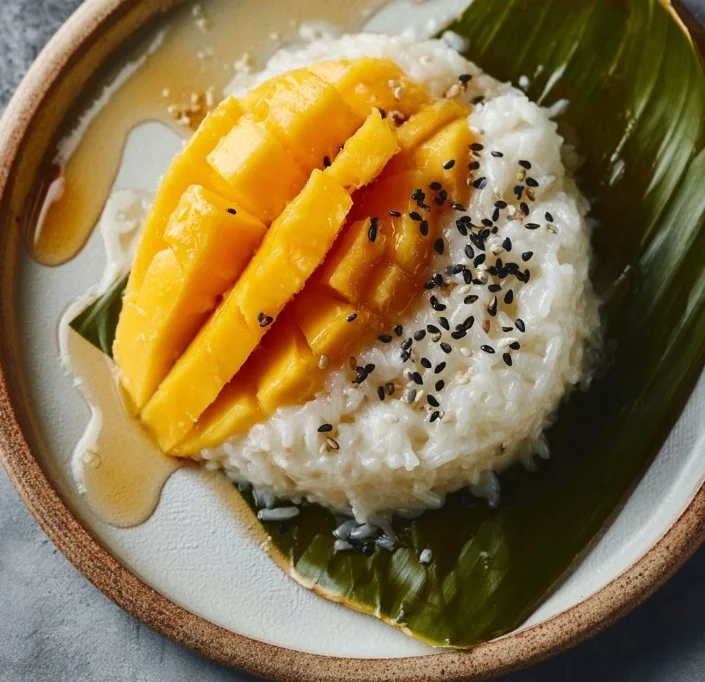
Mango Sticky Rice is a simple, irresistible dessert that tastes like sunshine on a plate. Bursting with ripe mangoes, creamy coconut sauce, and pillowy sticky rice, this Thai classic is perfect for late-summer fruit runs or any time you crave a comforting, from-scratch treat. The contrast of soft, chewy rice with juicy, fragrant mango slices and a glossy coconut drizzle makes every bite balanced and memorable. If you love desserts with tropical flavor and homemade heart, this Mango Sticky Rice recipe will become a seasonal favorite in your repertoire—plus it’s a lovely way to celebrate mango season with friends and family. For a cozy, weeknight dessert pairing, try it after a soothing soup like this comforting wild rice soup.
Ingredients & Equipment
Ingredients
- 1 cup uncooked sticky rice (also called glutinous rice or sweet rice)
- 1 can full-fat coconut milk (13.5 oz / 400 g can)
- 1/4 cup sugar
- 1/2 teaspoon salt
- 2 teaspoons cornstarch (Optional)
- 3 ripe mangoes, peeled and sliced
- Toasted sesame seeds for garnish (Optional)
Notes
- Choose mangoes that are fragrant and slightly soft to the touch—Honey, Ataulfo, or Kensington Pride varieties work beautifully.
- Sticky (glutinous) rice is essential for the right chewy texture—regular jasmine rice won’t give the same result.
- Full-fat coconut milk provides the richest, creamiest sauce. Low-fat coconut milk will make a thinner sauce but can still work with cornstarch to thicken.
Equipment
- Fine-mesh sieve or bowl for rinsing rice
- Large heatproof bowl that fits your steamer
- Steamer (bamboo steamer, metal steamer basket, or a pot with a steaming rack)
- Saucepan for coconut sauce
- Measuring cups and spoons
- Spoon or spatula
- Oven mitts or kitchen towels
- Optional: small whisk, small bowl for cornstarch slurry, thermometer (for sugar dissolution), blender (if you like ultra-smooth sauce)
Helpful tools: A bamboo steamer gives a lovely gentle steam and authentic texture, but a metal steamer or even a heatproof sieve set over a pot works well too. A small whisk helps dissolve sugar evenly.
Also consider prepping a cozy meal around it—after your favorite soup like slow-cooked chicken and wild rice soup, this dessert feels like an elevated finish.
Step-by-Step Instructions (with tips)
Below is a clear, friendly guide to make Mango Sticky Rice at home with confident steps and helpful tips.
- Rinse and soak the sticky rice
- Place the sticky rice in a large bowl or fine-mesh sieve. Rinse under cool tap water, using your hand to gently stir and rub the rice to release excess starch.
- Drain the water and repeat rinsing once more. Add cold water to the bowl to cover the rice.
- Soak the rice for a minimum of 1 hour, or up to overnight in the fridge. Soaking plumps the grains and shortens steaming time.
- Once soaked, rinse again and drain the water thoroughly.
Tip: If you’re short on time, soak for at least 1 hour; overnight soaking yields the most tender, even grains.
- Steam the rice
- Transfer the drained rice to a heatproof bowl that fits inside your steamer.
- Fill the steamer pot with about 2 inches of water, making sure the water doesn’t touch the bottom of the rice bowl.
- Place the rice bowl on the steaming rack, and cover the steamer with its lid.
- Turn the heat to medium-high to bring the water to a boil. When steam begins to escape, reduce to medium heat.
- Steam for 20 to 25 minutes, until the rice is cooked through with no hard, raw bits in the center.
- Remove the pot from the stove and let the rice sit, covered, while you prepare the coconut sauce.
Tip: Lift the lid quickly to check texture; you want grains to be soft but still hold shape. If you find some firmness in the center, steam another 3–5 minutes.
- Make the coconut sauce
- While the rice is steaming, combine the full-fat coconut milk, sugar, and salt in a saucepan.
- Cook over medium or medium-low heat until the mixture is hot and the sugar is dissolved. Do not let the mixture boil—boiling can split the coconut milk and create a grainy texture.
- If your coconut milk seems thin, prepare a cornstarch slurry: combine 2 teaspoons cornstarch with 4 tablespoons water and stir until dissolved.
- Add half of the slurry to the hot coconut mixture and whisk quickly; cook a minute more until the sauce thickens slightly. Add more slurry a little at a time if needed until the sauce coats the back of a spoon. (*Footnote 1)
Tip: Warm the coconut sauce gently. A thermometer reading around 160–175°F (71–80°C) indicates hot but not boiling—perfect for sugar dissolution without breaking the fat.
- Combine rice and coconut sauce
- Carefully remove the bowl of steamed rice from the steamer using oven mitts.
- Pour about 1 cup of the warm coconut sauce into the bowl with the rice.
- Stir gently but thoroughly so the sauce is absorbed into the rice and the grains become glossy and compact.
- Cover and let the rice sit at room temperature (or lukewarm) until it cools a bit and the sauce is fully absorbed.
Tip: Don’t pour all the sauce into the rice—reserve some to pour over when serving for that attractive glossy finish.
- Slice mangos and plate
- Peel and slice the ripe mangoes into thin, even slices.
- To serve: transfer about 1/3 cup of the coconut-coated sticky rice to each small plate or bowl. Fan the sliced mango on the side.
- Spoon a few extra spoonfuls of reserved coconut sauce over the rice and mango for shine and extra coconut flavor.
- Garnish with toasted sesame seeds if you like a nutty crunch. (*Footnote 2)
Tips and variations
- Roasting vs. Steaming rice: While steaming is traditional and yields the best texture, you can cook sticky rice in a rice cooker if it has a sticky/glutinous rice setting. Avoid boiling in excess water like regular rice—the texture won’t be authentic.
- Coconut flavor variations: Stir in a few drops of pandan extract or a small scrape of fresh lime zest into the sauce for aromatic depth.
- Sugar swaps: Use palm sugar or light brown sugar for a deeper caramel note; dissolve it well before adding cornstarch.
- Vegan adjustments: This recipe is naturally vegan if you use plant-based sweeteners. If you want richer flavor, reduce salt slightly and use full-fat coconut milk.
Storage, Freezing & Make-Ahead Tips
Storing leftovers
- Refrigerator: Store leftover sticky rice and mango slices separately in airtight containers for up to 2 days. The rice keeps best when wrapped tightly to avoid drying out.
- The coconut sauce can be stored in a small jar for up to 3–4 days in the fridge. Reheat gently before using; thin with a splash of water if it thickens.
Freezing
- Freezing whole mango sticky rice is not recommended. The rice texture changes and mango slices become watery after thawing.
- If you want to freeze components, store cooked sticky rice in a freezer-safe container for up to 1 month. Thaw in the fridge overnight and reheat by steaming or microwaving gently, then stir in warm coconut sauce to restore creaminess.
- Mangoes can be frozen if peeled and sliced and placed on a tray to freeze individually, then bagged. Use frozen mango for smoothies or compotes rather than for fresh plating.
Make-ahead tips
- You can steam the rice in the morning and gently reheat before serving. Keep the sauce warm on the stovetop over very low heat, stirring occasionally.
- Prepare the coconut sauce ahead and keep warm in a thermos or low oven (covered) until serving.
- Slice mango just before serving to maintain its vibrant color and texture.
Portioning advice
- This recipe serves about 3–4 small dessert portions. For larger gatherings, double or triple the recipe and prepare rice in batches to keep texture optimal.
How to Use / Serve This Dish
Serving ideas
- Classic presentation: sticky rice molded or scooped, with sliced mango beside it and extra coconut sauce drizzled on top.
- Dessert platter: pair mango sticky rice with light cookies or coconut macaroons for contrast.
- Brunch addition: serve small pots of mango sticky rice alongside tropical fruit salad, yogurt, and granola for an indulgent buffet.
- Mini desserts: use small ramekins or silicone molds to make individual portions for parties.
Pairings
- Serve after light savory mains like grilled fish, lemongrass chicken, or a fragrant curry.
- A cup of ginger tea or jasmine tea complements the sweetness and cuts richness.
- For a cocktail pairing, light sparkling wine or a mango mocktail enhances the fruit-forward notes.
Creative variations
- Mango sticky rice pudding: stir remaining coconut sauce into leftover rice and bake briefly with a sprinkle of nutmeg for a warm pudding.
- Tropical toppings: shredded toasted coconut, chopped pistachios, or a drizzle of passionfruit pulp add brightness.
- Savory-sweet twist: a pinch of flaky sea salt on top heightens the sweet-salty interplay.
FAQ
Q: Can I use regular jasmine rice if I don’t have sticky rice?
A: Traditional texture comes from glutinous (sticky) rice. Jasmine rice won’t produce the chewy, clumping quality that makes this dish special. If you can’t find sticky rice, look for glutinous rice labeled “sweet rice” in Asian markets or online.
Q: How ripe should the mangoes be?
A: Aim for mangoes that give slightly when pressed and have a fragrant aroma at the stem end. Overly hard mangoes won’t be flavorful; overly soft or fermented fruit will be too sweet or mushy.
Q: How long will leftovers keep in the fridge?
A: Keep components separate: rice is best consumed within 2 days refrigerated, and the coconut sauce within 3–4 days. Mango slices are best eaten within a day for optimal texture.
Q: Can I thicken the coconut sauce without cornstarch?
A: Yes—reduce the sauce gently over low heat to concentrate it, or stir in a small amount of dissolved tapioca starch or arrowroot as a substitute. Be careful to avoid boiling too hard.
Conclusion
Mango Sticky Rice is one of those comforting, seasonal desserts that feels like a hug after a warm meal—creamy coconut, tender sticky rice, and sweet mangoes combine into a simple yet elegant finish. I hope this step-by-step recipe inspires you to make it for a weeknight treat or a special gathering. If you’d like more background on this classic, check out a lovely write-up of Mango Sticky Rice from Mango Sticky Rice (a Thai dessert!) – Joyous Apron, an alternative take and tested recipe at Mango Sticky Rice Recipe | Epicurious, and another home-cook friendly version at Thai Mango Sticky Rice Recipe (Khao Niaow Ma Muang) – The Forked Spoon. Try it, share it, and tell someone you love them with a plate of warm, coconut-coated rice and bright mango slices.
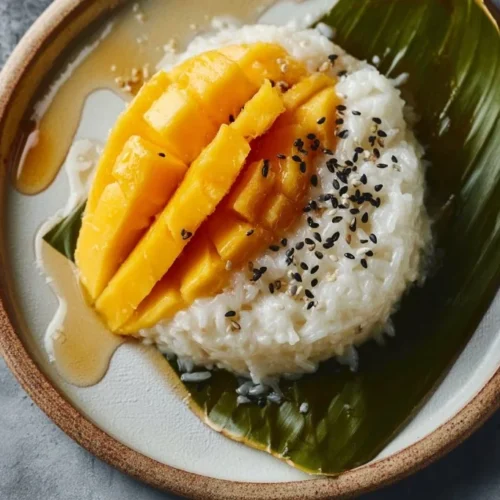
Mango Sticky Rice
Ingredients
Main Ingredients
- 1 cup uncooked sticky rice Also called glutinous rice or sweet rice.
- 1 can full-fat coconut milk (13.5 oz / 400 g can) Provides rich, creamy sauce.
- ¼ cup sugar
- ½ teaspoon salt
- 2 teaspoons cornstarch (Optional)
- 3 ripe mangoes, peeled and sliced Choose fragrant and slightly soft varieties.
For Garnish
- To taste Toasted sesame seeds Optional, for garnish.
Instructions
Preparation
- Rinse the sticky rice under cool tap water, gently stirring to release excess starch, and drain.
- Soak the rice in cold water for a minimum of 1 hour or up to overnight. Drain again once soaked.
Cooking the Rice
- Transfer the drained rice to a heatproof bowl suitable for steaming.
- In a steamer pot, fill with 2 inches of water and set the rice bowl on the steaming rack. Cover and bring the water to a boil.
- Steam for 20 to 25 minutes until the rice is cooked through. Remove and let it sit covered.
Making the Coconut Sauce
- In a saucepan, combine coconut milk, sugar, and salt. Heat until warm and sugar dissolves without boiling.
- If using cornstarch, prepare a slurry with cornstarch and water, stir into the coconut mixture, and cook until slightly thickened.
Combining and Serving
- In the bowl with rice, pour about 1 cup of warm coconut sauce and stir gently until absorbed.
- Peel and slice mangoes, then plate with 1/3 cup of coconut-coated sticky rice alongside.
- Drizzle with reserved coconut sauce and garnish with sesame seeds if desired.