Privacy Policy

Contact Us

Privacy Policy

Contact Us

Lemon Basil Pasta Salad

Published March 30, 2026 By sarah

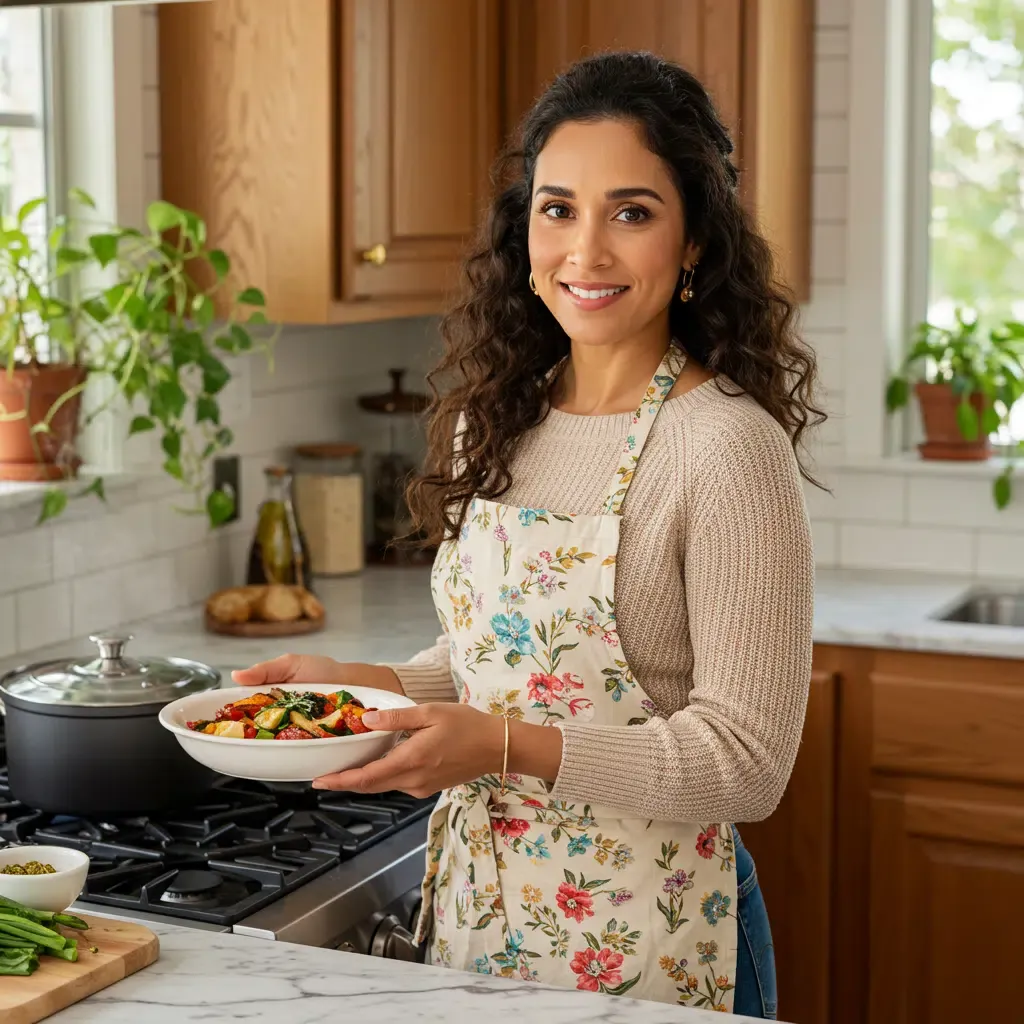
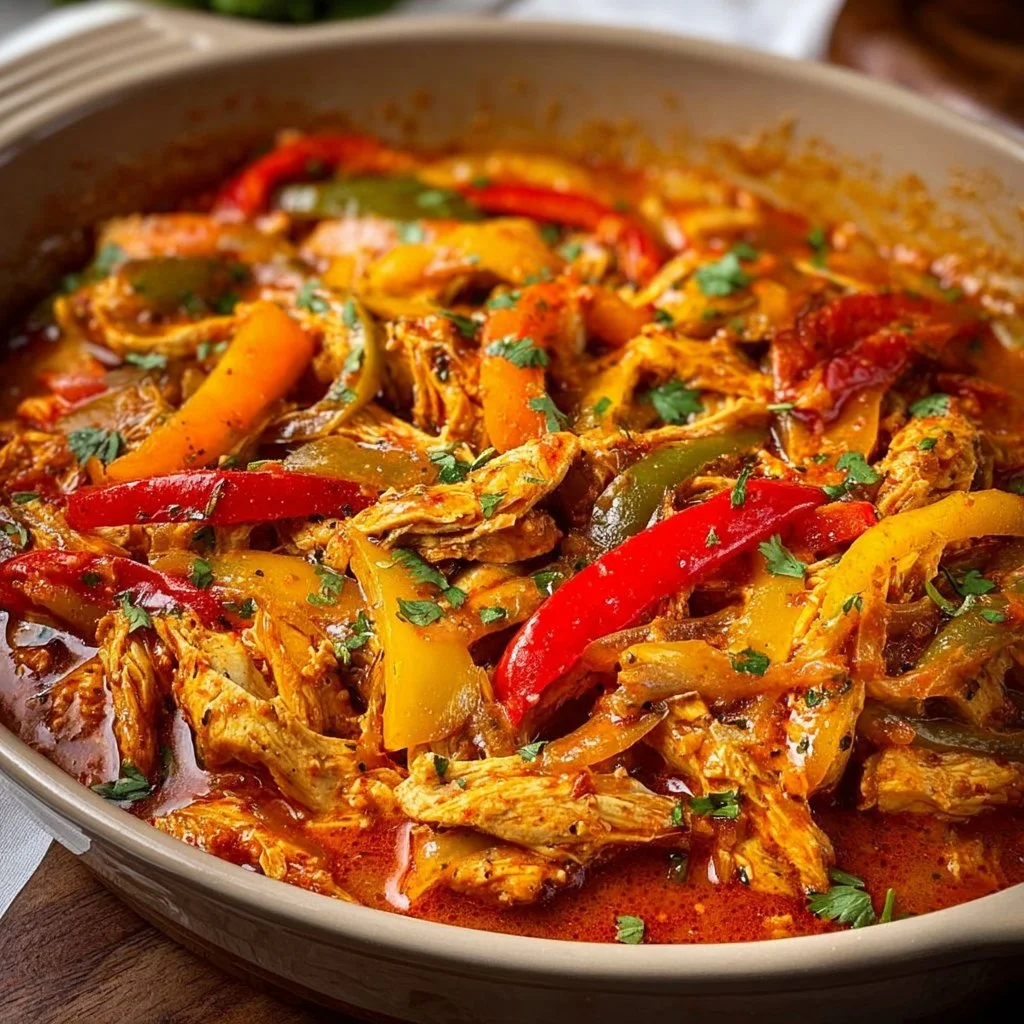
Delicious Lemon Basil Pasta Salad in a colorful bowl with fresh vegetables.

Lemon Basil Pasta Salad is a bright, breezy dish that feels like sunshine in a bowl — perfect for warm-weather gatherings, weeknight dinners, or a peaceful picnic. This Lemon Basil Pasta Salad highlights tender orecchiette, caramelized zucchini, marinated artichoke hearts, and a silky herb-forward dressing made with fresh basil, lemon zest, and pepitas for a subtle nutty depth. The textures play nicely together: toothsome pasta, crisp-tender greens, and the soft bite of artichoke — all tied together by a creamy, tangy, plant-based dressing. If you’re curious about other lemon-basil takes that lean cheesier and richer, I love this lemon basil parmesan pasta salad as a complementary idea.

Ingredients & Equipment

Ingredients

  • 1 large zucchini, cut into 3/4 inch half moons
  • 8 oz orecchiette pasta
  • 2–3 cups spinach, roughly chopped
  • 1, 6.5 oz jar of marinated artichoke hearts, diced
  • 3 tbsp extra virgin olive oil (divided)
  • 1/2 medium red onion, diced
  • 1 medium lemon, fully zested and cut in half
  • 1/4 cup fresh basil, stems removed
  • 1/4 cup fresh parsley, stems removed
  • 1–2 cloves of garlic, grated (to taste)
  • 3 tbsp pepitas or sunflower seeds
  • 1/4 cup plain unsweetened plant-based yogurt
  • 1 tsp yellow miso paste
  • Kosher salt to taste

Equipment and helpful tools

  • Large pot for pasta
  • Large skillet (nonstick or stainless steel)
  • Large mixing bowl
  • Blender or food processor (a tall blender cup works well)
  • Tongs or pasta fork
  • Cutting board and chef’s knife
  • Clean towel or paper towels for salting zucchini
  • Measuring spoons and cups
  • Serving bowl or platter

Notes

  • Use a blender or food processor to get the dressing smooth and emulsified; a high-speed blender makes it silkier but a regular blender or immersion blender also works.
  • If you don’t have pepitas, sunflower seeds are an easy swap. Both provide body and subtle crunch.
  • The recipe is naturally plant-forward and halal-friendly; add a halal protein (see serving suggestions) if desired.

Step-by-Step Instructions (with tips)

Below are clear, easy-to-follow steps based on a tried-and-true method. Read through the full list once before starting so everything goes smoothly.

  1. Prepare the zucchini

    • Place your zucchini pieces on a clean towel and sprinkle them with a pinch of salt. Allow the zucchini to sit for 5–10 minutes to draw out excess water then pat dry.
    • Tip: Salting first helps you get a quick caramelization in the pan instead of steaming. Patting dry is important — moisture is the enemy of browning.
  2. Cook the pasta

    • Bring a pot of water to a rolling boil and add a generous amount of salt (the water should taste like the sea). Cook the orecchiette according to package instructions until al dente.
    • Drain and immediately rinse with cold water to stop the cooking and cool the pasta. This keeps the pasta pleasantly chewy and ready for a cold or room-temperature salad.
    • Add the cold pasta to a large mixing bowl with the spinach and artichoke hearts so the greens can soften gently in the residual heat.
  3. Sauté the onions

    • Place a large skillet over medium heat with 1 tbsp of oil. Once hot, add the diced red onions with a pinch of salt and sauté until softened and lightly translucent, about 4–6 minutes.
    • Transfer the cooked onions to the mixing bowl with the pasta and greens.
    • Tip: If you like a sweeter note, cook the onions a few minutes longer until they start to caramelize.
  4. Caramelize zucchini and lemon

    • In the same skillet, add another tbsp of oil. Add the lemon halves and zucchini to opposite sides of the pan cut side down. Cook the zucchini undisturbed for 3 minutes or until it begins to caramelize, then flip and repeat for the other side.
    • Cook the lemon undisturbed until the bottoms have caramelized and darkened slightly, about 5–6 minutes. The charred lemon juices add a mellow, slightly sweet brightness to the dressing.
    • Once cooked, remove from heat and add the zucchini to the mixing bowl.
    • Tip: Keep the lemon halves in the pan until they’re warm and caramelized — squeezing warm lemon gives a rounder, more mellow acidity than cold lemon juice.
  5. Make the basil-miso dressing

    • To a blender cup, add the basil, parsley, lemon zest, grated garlic, pepitas, plant-based yogurt, miso paste, the remaining oil, the juice of the cooked lemon, and a pinch of salt. Blend the mixture until smooth.
    • Taste and adjust the salt to your liking. Add a little water or extra oil if it’s too thick — a creamy but pourable dressing works best.
    • Tip: Yellow miso gives an umami lift and helps round out the acidity; if you’re short on miso, a pinch of extra salt and a teaspoon of tahini can add depth (see substitutions in the FAQ).
  6. Combine and finish

    • Pour half the dressing over the pasta mixture and give it a good mix to fully combine. Add more dressing as desired or reserve extra for serving.
    • Taste and finish with another squeeze of lemon or a few torn basil leaves for freshness.
    • Tip: Start with less dressing and add gradually. Orecchiette holds a lot of flavor in its little cups, so a little goes a long way.

Variations and cooking swaps

  • Roasting vs. Sautéing zucchini: For a hands-off approach, roast zucchini at 425°F for 12–15 minutes until tender and browned. Roasting concentrates flavor; sautéing gives quick caramelization and a softer result.
  • Pasta choice: While orecchiette is lovely for catching bits of artichoke and dressing, small shells, farfalle, or penne work well too. If you’d like a gluten-free version, use your favorite gluten-free short pasta.
  • Make it creamier: For a richer dressing, stir in 2 tablespoons of softened, plain dairy-free cream cheese or a splash more plant-based yogurt. For a cheesier, non-vegan twist (still halal-friendly), consider adding crumbled halal feta. For inspiration on creamy ideas, see this helpful creamy pasta salad variations.
  • Protein additions: Stir in roasted chickpeas, grilled halal chicken, or pan-seared tofu for a more filling meal.

Storage, Freezing & Make-Ahead Tips

Best practices for storing leftovers

  • Refrigerator: Store the assembled salad in an airtight container for up to 3–4 days. The spinach will soften over time, and the dressing will continue to meld with the pasta — both are fine, but the salad is freshest on day one.
  • Separate components: If you want maximum freshness, store the cooked pasta, dressing, and sautéed zucchini separately. Combine just before serving for best texture.

Freezing advice

  • Assembled pasta salads with tender greens and plant-based yogurt aren’t great candidates for freezing — the yogurt and spinach can separate and become watery after thawing.
  • What you can freeze: The dressing can be frozen in ice cube trays or small containers for up to 2 months. Defrost in the refrigerator and whisk or re-blend briefly before using. You can also freeze cooked zucchini slices on a tray, then transfer to a freezer bag, but expect a softer texture when thawed.

Make-ahead tips

  • Prep the dressing and keep chilled up to 3 days. Make the dressing first, then toss with the pasta shortly before serving.
  • Cook the pasta and keep it lightly oiled in the fridge for up to 2 days — add the spinach and artichokes just before tossing to keep them bright.
  • Caramelize the lemon and zucchini the morning of your event and reheat briefly in a skillet on low heat before adding to the pasta — this preserves the caramelized flavor.

Portioning advice

  • This recipe with 8 oz of pasta serves about 3–4 as a main dish or 6 as a side. Double the pasta and dressing if feeding a crowd.

How to Use / Serve This Dish

Serving ideas

  • Serve chilled or at room temperature. For potlucks, keep the dressing separate and toss just before serving if you expect to store leftovers at the event.
  • Garnishes: Extra torn basil, a handful of pepitas, a few lemon zest curls, or a drizzle of good extra virgin olive oil finish the dish beautifully.
  • Pairings: Lemon Basil Pasta Salad shines alongside simple grilled vegetables, warm flatbreads, or a crisp green salad. For a heartier meal, add roasted chickpeas, pan-seared tofu, or halal grilled chicken on the side.

Creative variations

  • Mediterranean twist: Add halved cherry tomatoes, cucumbers, and a sprinkle of chopped kalamata olives for a Mediterranean feel. (Olives are naturally halal.)
  • Hearty grain bowl: Swap half the pasta for cooked farro or barley to create a more filling grain salad.
  • Crunch factor: Swap pepitas for toasted almonds or chopped walnuts if you prefer a different texture — both are great for adding crunch and richness.

If you enjoy contrasting summer flavors, you might also like a bold corn-forward option like this juicy street corn pasta salad, which pairs great alongside Lemon Basil Pasta Salad at a summer spread.

FAQ

Q: Can I make this recipe gluten-free?
A: Yes. Substitute the orecchiette for a gluten-free short pasta (rice-based or chickpea-based varieties work well). Keep in mind that gluten-free pasta can be more delicate, so cook it carefully to al dente and rinse with cool water to stop cooking.

Q: How long will the salad keep in the fridge?
A: Assembled, the salad keeps well for 3–4 days, though the spinach will wilt a bit and the texture will soften. For the best texture, store components separately and combine within 24–48 hours.

Q: What can I use instead of miso paste?
A: Yellow miso adds a mellow umami. If you don’t have miso, try 1/2–1 tsp tahini plus a pinch of salt and a few drops of soy sauce or tamari (use a gluten-free tamari if needed). Taste and adjust — miso is salty and savory, so balance with a little extra plant-based yogurt or lemon if needed.

Q: Is the dressing suitable for nut-free diets?
A: Yes. The pepitas and sunflower seeds are seed-based and safe for nut-free diets. If you need to avoid seeds too, omit them and add an extra tablespoon of plant-based yogurt and 1–2 tbsp of olive oil to keep body in the dressing.

Conclusion

There’s a special comfort in a simple, seasonal bowl of Lemon Basil Pasta Salad — the kind that makes you slow down, savor a sunny bite, and smile. This pasta salad is flexible, refreshing, and easy to make ahead for gatherings or weeknight dinners; the herbaceous dressing and caramelized lemon are the little luxuries that lift humble ingredients into something memorable. If you’d like more inspiration or alternate takes on lemon-basil pasta salads, check out this lovely Basil Lemon Pasta Salad – Julie Blanner for a bright, elegant version, this easy and approachable Easy Lemon Basil Pasta Salad – Kalefornia Kravings for weeknight simplicity, and a vegan, gluten-free twist at Lemon Basil Pasta Salad (vegan, gluten-free) – Nuts About Greens. I can’t wait to hear how your version turns out — try it, tweak it, and share a photo or note about your favorite variation!
Lemon Basil Pasta Salad

Published: March 30, 2026 By sarah

Delicious Lemon Basil Pasta Salad in a colorful bowl with fresh vegetables.

Lemon Basil Pasta Salad is a bright, breezy dish that feels like sunshine in a bowl — perfect for warm-weather gatherings, weeknight dinners, or a peaceful picnic. This Lemon Basil Pasta Salad highlights tender orecchiette, caramelized zucchini, marinated artichoke hearts, and a silky herb-forward dressing made with fresh basil, lemon zest, and pepitas for a subtle nutty depth. The textures play nicely together: toothsome pasta, crisp-tender greens, and the soft bite of artichoke — all tied together by a creamy, tangy, plant-based dressing. If you’re curious about other lemon-basil takes that lean cheesier and richer, I love this lemon basil parmesan pasta salad as a complementary idea.

Ingredients & Equipment

Ingredients

  • 1 large zucchini, cut into 3/4 inch half moons
  • 8 oz orecchiette pasta
  • 2–3 cups spinach, roughly chopped
  • 1, 6.5 oz jar of marinated artichoke hearts, diced
  • 3 tbsp extra virgin olive oil (divided)
  • 1/2 medium red onion, diced
  • 1 medium lemon, fully zested and cut in half
  • 1/4 cup fresh basil, stems removed
  • 1/4 cup fresh parsley, stems removed
  • 1–2 cloves of garlic, grated (to taste)
  • 3 tbsp pepitas or sunflower seeds
  • 1/4 cup plain unsweetened plant-based yogurt
  • 1 tsp yellow miso paste
  • Kosher salt to taste

Equipment and helpful tools

  • Large pot for pasta
  • Large skillet (nonstick or stainless steel)
  • Large mixing bowl
  • Blender or food processor (a tall blender cup works well)
  • Tongs or pasta fork
  • Cutting board and chef’s knife
  • Clean towel or paper towels for salting zucchini
  • Measuring spoons and cups
  • Serving bowl or platter

Notes

  • Use a blender or food processor to get the dressing smooth and emulsified; a high-speed blender makes it silkier but a regular blender or immersion blender also works.
  • If you don’t have pepitas, sunflower seeds are an easy swap. Both provide body and subtle crunch.
  • The recipe is naturally plant-forward and halal-friendly; add a halal protein (see serving suggestions) if desired.

Step-by-Step Instructions (with tips)

Below are clear, easy-to-follow steps based on a tried-and-true method. Read through the full list once before starting so everything goes smoothly.

  1. Prepare the zucchini

    • Place your zucchini pieces on a clean towel and sprinkle them with a pinch of salt. Allow the zucchini to sit for 5–10 minutes to draw out excess water then pat dry.
    • Tip: Salting first helps you get a quick caramelization in the pan instead of steaming. Patting dry is important — moisture is the enemy of browning.
  2. Cook the pasta

    • Bring a pot of water to a rolling boil and add a generous amount of salt (the water should taste like the sea). Cook the orecchiette according to package instructions until al dente.
    • Drain and immediately rinse with cold water to stop the cooking and cool the pasta. This keeps the pasta pleasantly chewy and ready for a cold or room-temperature salad.
    • Add the cold pasta to a large mixing bowl with the spinach and artichoke hearts so the greens can soften gently in the residual heat.
  3. Sauté the onions

    • Place a large skillet over medium heat with 1 tbsp of oil. Once hot, add the diced red onions with a pinch of salt and sauté until softened and lightly translucent, about 4–6 minutes.
    • Transfer the cooked onions to the mixing bowl with the pasta and greens.
    • Tip: If you like a sweeter note, cook the onions a few minutes longer until they start to caramelize.
  4. Caramelize zucchini and lemon

    • In the same skillet, add another tbsp of oil. Add the lemon halves and zucchini to opposite sides of the pan cut side down. Cook the zucchini undisturbed for 3 minutes or until it begins to caramelize, then flip and repeat for the other side.
    • Cook the lemon undisturbed until the bottoms have caramelized and darkened slightly, about 5–6 minutes. The charred lemon juices add a mellow, slightly sweet brightness to the dressing.
    • Once cooked, remove from heat and add the zucchini to the mixing bowl.
    • Tip: Keep the lemon halves in the pan until they’re warm and caramelized — squeezing warm lemon gives a rounder, more mellow acidity than cold lemon juice.
  5. Make the basil-miso dressing

    • To a blender cup, add the basil, parsley, lemon zest, grated garlic, pepitas, plant-based yogurt, miso paste, the remaining oil, the juice of the cooked lemon, and a pinch of salt. Blend the mixture until smooth.
    • Taste and adjust the salt to your liking. Add a little water or extra oil if it’s too thick — a creamy but pourable dressing works best.
    • Tip: Yellow miso gives an umami lift and helps round out the acidity; if you’re short on miso, a pinch of extra salt and a teaspoon of tahini can add depth (see substitutions in the FAQ).
  6. Combine and finish

    • Pour half the dressing over the pasta mixture and give it a good mix to fully combine. Add more dressing as desired or reserve extra for serving.
    • Taste and finish with another squeeze of lemon or a few torn basil leaves for freshness.
    • Tip: Start with less dressing and add gradually. Orecchiette holds a lot of flavor in its little cups, so a little goes a long way.

Variations and cooking swaps

  • Roasting vs. Sautéing zucchini: For a hands-off approach, roast zucchini at 425°F for 12–15 minutes until tender and browned. Roasting concentrates flavor; sautéing gives quick caramelization and a softer result.
  • Pasta choice: While orecchiette is lovely for catching bits of artichoke and dressing, small shells, farfalle, or penne work well too. If you’d like a gluten-free version, use your favorite gluten-free short pasta.
  • Make it creamier: For a richer dressing, stir in 2 tablespoons of softened, plain dairy-free cream cheese or a splash more plant-based yogurt. For a cheesier, non-vegan twist (still halal-friendly), consider adding crumbled halal feta. For inspiration on creamy ideas, see this helpful creamy pasta salad variations.
  • Protein additions: Stir in roasted chickpeas, grilled halal chicken, or pan-seared tofu for a more filling meal.

Storage, Freezing & Make-Ahead Tips

Best practices for storing leftovers

  • Refrigerator: Store the assembled salad in an airtight container for up to 3–4 days. The spinach will soften over time, and the dressing will continue to meld with the pasta — both are fine, but the salad is freshest on day one.
  • Separate components: If you want maximum freshness, store the cooked pasta, dressing, and sautéed zucchini separately. Combine just before serving for best texture.

Freezing advice

  • Assembled pasta salads with tender greens and plant-based yogurt aren’t great candidates for freezing — the yogurt and spinach can separate and become watery after thawing.
  • What you can freeze: The dressing can be frozen in ice cube trays or small containers for up to 2 months. Defrost in the refrigerator and whisk or re-blend briefly before using. You can also freeze cooked zucchini slices on a tray, then transfer to a freezer bag, but expect a softer texture when thawed.

Make-ahead tips

  • Prep the dressing and keep chilled up to 3 days. Make the dressing first, then toss with the pasta shortly before serving.
  • Cook the pasta and keep it lightly oiled in the fridge for up to 2 days — add the spinach and artichokes just before tossing to keep them bright.
  • Caramelize the lemon and zucchini the morning of your event and reheat briefly in a skillet on low heat before adding to the pasta — this preserves the caramelized flavor.

Portioning advice

  • This recipe with 8 oz of pasta serves about 3–4 as a main dish or 6 as a side. Double the pasta and dressing if feeding a crowd.

How to Use / Serve This Dish

Serving ideas

  • Serve chilled or at room temperature. For potlucks, keep the dressing separate and toss just before serving if you expect to store leftovers at the event.
  • Garnishes: Extra torn basil, a handful of pepitas, a few lemon zest curls, or a drizzle of good extra virgin olive oil finish the dish beautifully.
  • Pairings: Lemon Basil Pasta Salad shines alongside simple grilled vegetables, warm flatbreads, or a crisp green salad. For a heartier meal, add roasted chickpeas, pan-seared tofu, or halal grilled chicken on the side.

Creative variations

  • Mediterranean twist: Add halved cherry tomatoes, cucumbers, and a sprinkle of chopped kalamata olives for a Mediterranean feel. (Olives are naturally halal.)
  • Hearty grain bowl: Swap half the pasta for cooked farro or barley to create a more filling grain salad.
  • Crunch factor: Swap pepitas for toasted almonds or chopped walnuts if you prefer a different texture — both are great for adding crunch and richness.

If you enjoy contrasting summer flavors, you might also like a bold corn-forward option like this juicy street corn pasta salad, which pairs great alongside Lemon Basil Pasta Salad at a summer spread.

FAQ

Q: Can I make this recipe gluten-free?
A: Yes. Substitute the orecchiette for a gluten-free short pasta (rice-based or chickpea-based varieties work well). Keep in mind that gluten-free pasta can be more delicate, so cook it carefully to al dente and rinse with cool water to stop cooking.

Q: How long will the salad keep in the fridge?
A: Assembled, the salad keeps well for 3–4 days, though the spinach will wilt a bit and the texture will soften. For the best texture, store components separately and combine within 24–48 hours.

Q: What can I use instead of miso paste?
A: Yellow miso adds a mellow umami. If you don’t have miso, try 1/2–1 tsp tahini plus a pinch of salt and a few drops of soy sauce or tamari (use a gluten-free tamari if needed). Taste and adjust — miso is salty and savory, so balance with a little extra plant-based yogurt or lemon if needed.

Q: Is the dressing suitable for nut-free diets?
A: Yes. The pepitas and sunflower seeds are seed-based and safe for nut-free diets. If you need to avoid seeds too, omit them and add an extra tablespoon of plant-based yogurt and 1–2 tbsp of olive oil to keep body in the dressing.

Conclusion

There’s a special comfort in a simple, seasonal bowl of Lemon Basil Pasta Salad — the kind that makes you slow down, savor a sunny bite, and smile. This pasta salad is flexible, refreshing, and easy to make ahead for gatherings or weeknight dinners; the herbaceous dressing and caramelized lemon are the little luxuries that lift humble ingredients into something memorable. If you’d like more inspiration or alternate takes on lemon-basil pasta salads, check out this lovely Basil Lemon Pasta Salad – Julie Blanner for a bright, elegant version, this easy and approachable Easy Lemon Basil Pasta Salad – Kalefornia Kravings for weeknight simplicity, and a vegan, gluten-free twist at Lemon Basil Pasta Salad (vegan, gluten-free) – Nuts About Greens. I can’t wait to hear how your version turns out — try it, tweak it, and share a photo or note about your favorite variation!
Leave a Comment