Privacy Policy

Contact Us

Privacy Policy

Contact Us

Korean Beef Noodles

Published March 30, 2026 By Lina

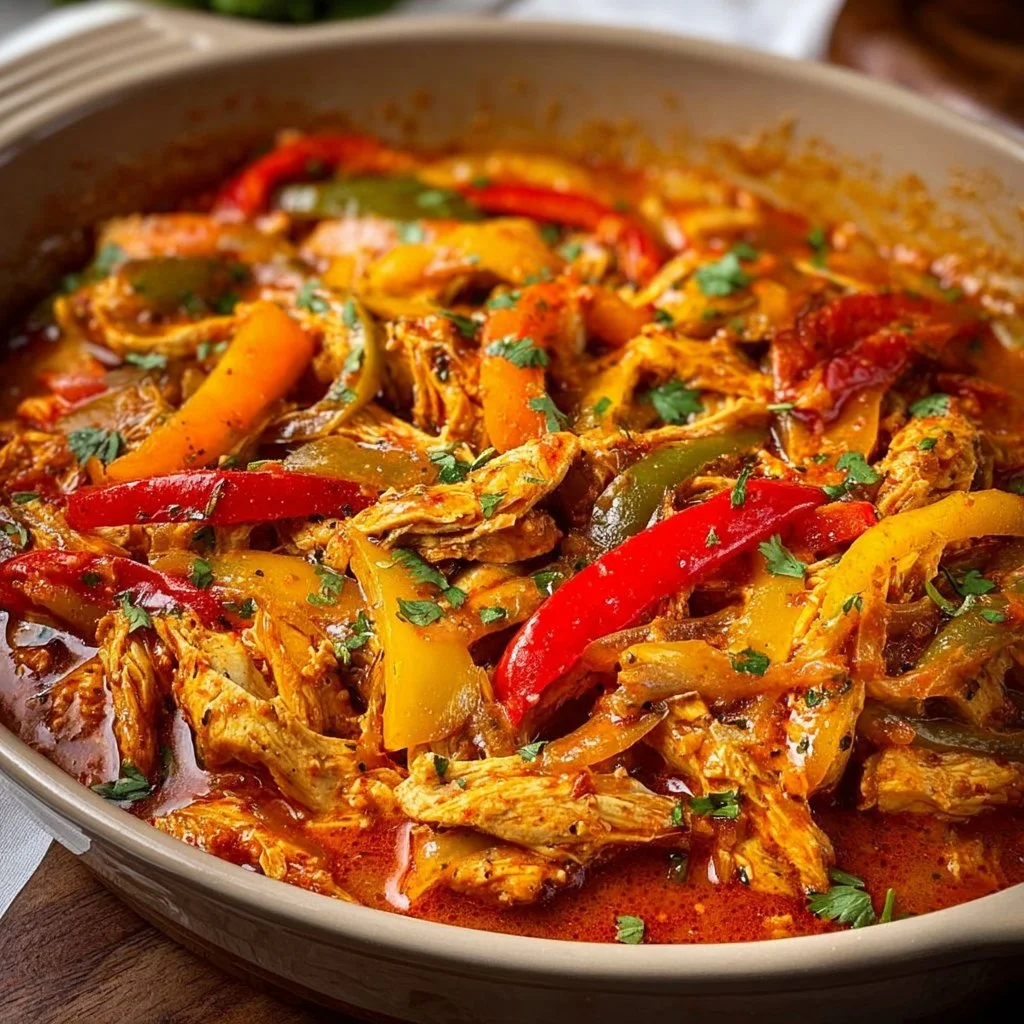
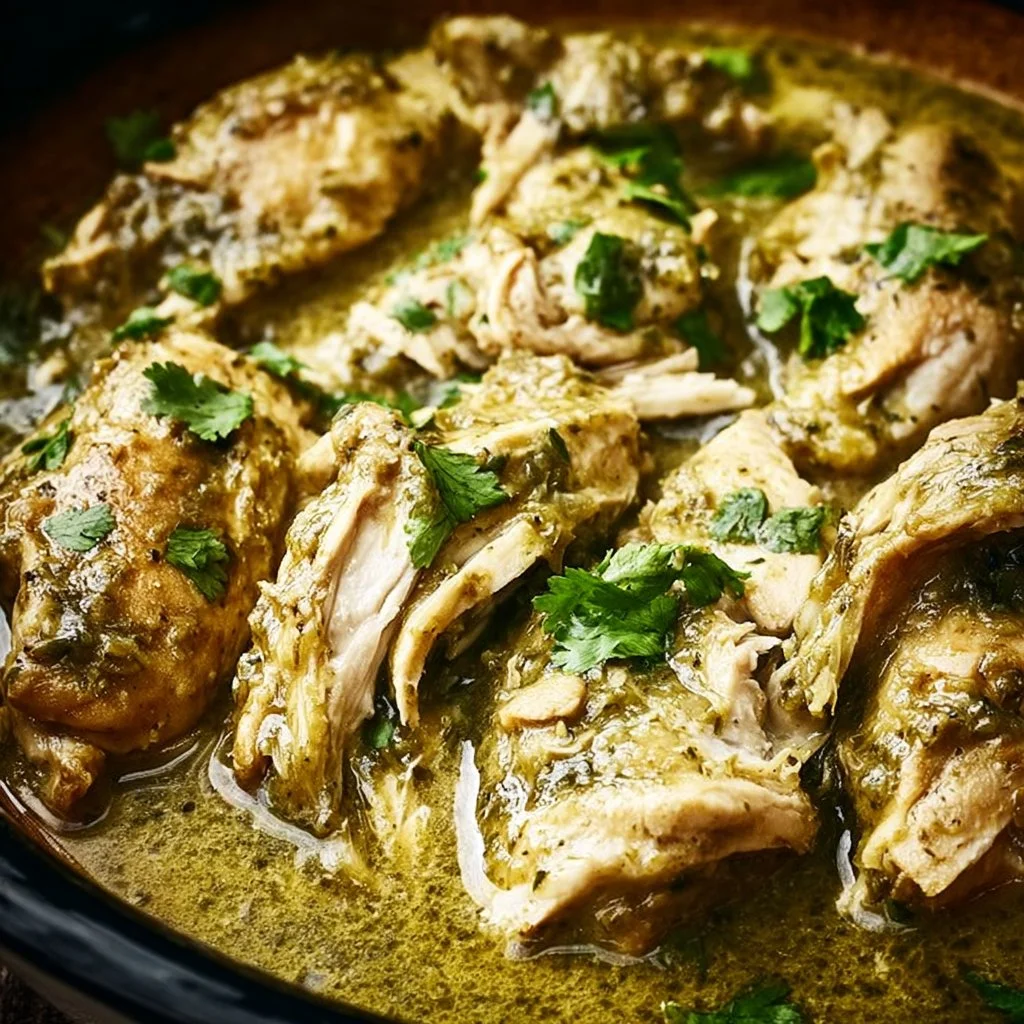
A bowl of Korean beef noodles garnished with green onions and sesame seeds

Korean Beef Noodles are the kind of bowl that feels like a warm hug on a chilly evening — savory, slightly sweet, and deeply comforting. This seasonal homemade recipe highlights tender, slow-cooked beef, chewy egg noodles, and a fragrant mix of garlic, ginger, and toasted sesame, making it perfect for fall or winter nights when you crave something cozy and satisfying. The main ingredients — beef, egg noodles, soy, and a touch of sesame oil — create layers of umami and texture that feel both familiar and special. If you enjoy hearty, make-ahead bowls, you might also like this Korean ground beef bowl for another weeknight-friendly idea.

Ingredients & Equipment

Ingredients:

  • 1 lb beef (chuck or brisket), cut into pieces
  • 4 cups beef broth
  • 3 cups egg noodles
  • 1 onion, sliced
  • 2 carrots, sliced
  • 1 bell pepper, sliced
  • 3 cloves garlic, minced
  • 2 tablespoons soy sauce
  • 1 tablespoon sesame oil
  • 1 tablespoon ginger, minced
  • Salt and pepper to taste
  • Green onions and sesame seeds for garnish

Notes:

  • Use a well-marbled cut like chuck for the richest flavor; brisket works beautifully too and shreds nicely after long cooking.
  • For a lower-sodium version, choose low-sodium beef broth and soy sauce, and adjust seasoning later.
  • If you need a gluten-free option, swap soy sauce for tamari and use rice noodles instead of egg noodles.

Helpful tools:

  • Large heavy-bottomed pot, Dutch oven, or slow cooker
  • Tongs and a sturdy wooden spoon
  • Fine grater or microplane for ginger
  • Colander for draining noodles
  • Optional: blender for a silky broth, baking tray for roasting vegetables, meat thermometer to check internal temp

Step-by-Step Instructions (with tips)

  1. In a large pot or slow cooker, heat sesame oil over medium heat. Add the beef and brown on all sides.

    • Tip: Browning the beef in a Dutch oven first builds flavor through caramelization. If using a slow cooker, you can brown on the stovetop and then transfer, or brown directly in a skillet and add to the slow cooker.
    • Variation: For a deeper, roasted flavor, roast the beef on a baking tray at 425°F (220°C) for 20–25 minutes before adding to the pot.
  2. Add the onions, garlic, ginger, carrots, and bell pepper, sautéing for a few minutes until softened.

    • Tip: Cook the aromatics until the onions are translucent and the garlic is fragrant (about 2–3 minutes) to avoid sharp raw garlic flavor.
    • Variation: If you like a slightly sweeter profile, let the onions caramelize a bit longer before adding the veggies.
  3. Stir in the soy sauce and beef broth, then season with salt and pepper.

    • Tip: Pour in the broth slowly and scrape up any browned bits from the bottom of the pot — that fond is full of flavor and becomes part of the broth.
  4. Cover and cook on low for about 6-8 hours until the beef is tender.

    • Tip: If you’re short on time, use an Instant Pot: cook on high pressure for 45–60 minutes depending on the cut, then natural release for 10–15 minutes. For stove-top simmering, allow 2.5–3 hours over low heat, checking occasionally.
    • Variation: For a more concentrated broth, cook uncovered for the last 30 minutes to reduce and intensify flavors.
  5. Cook the egg noodles according to package instructions.

    • Tip: Cook noodles al dente since they’ll absorb some broth when combined. Rinse briefly under warm water if you’re not serving immediately to prevent sticking.
  6. Once done, shred the beef in the pot and stir to combine.

    • Tip: Use two forks to pull the beef apart in the pot so the strands soak up the cooking liquid. If you prefer chunkier pieces, cut the meat into bite-sized portions instead of shredding.
  7. Serve the beef mixture over the noodles and garnish with green onions and sesame seeds.

    • Tip: Add a drizzle of additional sesame oil or a splash of toasted sesame oil for a fragrant finish. A squeeze of lime or a few drops of rice vinegar can brighten the bowl just before serving.

Flavor suggestions:

  • Add gochujang (Korean red pepper paste) for a spicy-sweet kick — start with 1 tablespoon and adjust to taste.
  • Stir in a tablespoon of brown sugar or honey for subtle caramel notes.
  • Toss in baby spinach at the end for a green touch; it wilts quickly in hot broth.

Variations & Quick Swaps

  • Fast Weeknight Version: Use thinly sliced beef (like sirloin) and cook briefly in a hot skillet, then combine with store-bought broth and pre-cooked noodles for a 20–30 minute meal.
  • Ground Beef Option: Swap the chuck for lean ground beef for a quicker recipe; brown and break up the meat, then follow the remaining steps. (For inspiration on ground beef meals, see this 4-ingredient ground beef casserole.)
  • Vegetarian Twist: Replace beef and beef broth with firm tofu or seared mushrooms and use vegetable broth; add a splash of soy and extra umami from a teaspoon of mushroom powder or miso paste.
  • Noodle Choices: Rice noodles, udon, or soba all work well — choose what you prefer or have on hand.

Storage, Freezing & Make-Ahead Tips

Storing leftovers:

  • Refrigerator: Store in an airtight container up to 3–4 days. Keep noodles and beef mix separated if possible to prevent the noodles from getting soggy.
  • Reheating: Gently reheat on the stovetop over low heat, adding a splash of broth or water to loosen the sauce. Microwave in short bursts, stirring between intervals.

Freezing:

  • Freeze the beef and broth mixture (without cooked noodles) in freezer-safe containers or heavy-duty freezer bags for up to 3 months. Leave some headspace for expansion.
  • Thaw overnight in the refrigerator before reheating. Once warmed, cook fresh noodles and combine.

Make-ahead:

  • The beef mixture actually benefits from sitting — make it a day ahead to deepen flavors. On the day of serving, quickly cook noodles, reheat the beef gently, and assemble.
  • Portion into single servings for easy lunches or packed meals; assemble just before eating to keep textures bright.

Portioning advice:

  • This recipe makes about 4 generous servings. For family-style dinners, serve from the pot and let guests add their own garnishes.
  • For meal prep, divide into 4 airtight containers with a portion of fresh noodles stored separately.

How to Use / Serve This Dish

Serving ideas:

  • Classic Bowl: Noodles topped with shredded beef, a ladle of broth, scallions, sesame seeds, and a soft-boiled egg.
  • Noodle Salad: Chill the cooked noodles, toss lightly with sesame oil and rice vinegar, and top with room-temperature shredded beef for a refreshing contrast.
  • Lettuce Wraps: Spoon a small portion of the beef mixture into crisp butter lettuce leaves and garnish with chopped cucumbers and sesame seeds for a light, handheld option.
  • Rice Option: Serve the beef and broth over steamed jasmine or brown rice if you prefer grains to noodles.

Pairings:

  • Pickled cucumbers or quick kimchi add a bright, tangy counterpoint to the rich beef.
  • A simple sesame spinach salad or steamed green beans with garlic complements the textures without overpowering the main bowl.
  • A side of steamed dumplings or vegetable pancakes can make this a wider spread if you’re feeding a group.

Leftover creativity:

  • Use leftover beef as a filling for stuffed peppers or as a hearty topping for baked potatoes.
  • Transform leftovers into a breakfast hash by sautéing small diced potatoes with the shredded beef and topping with a fried egg.

For an idea on turning similar beef into handheld dinners, take a look at this ground beef enchiladas post for inspiration on repurposing savory beef into family-friendly meals.

FAQ

Q: Can I make this in an Instant Pot?
A: Yes. Brown the beef using the sauté function, add veggies, soy sauce, and broth, seal the lid, and pressure-cook on high for 45–60 minutes (depending on cut). Allow a natural release for 10–15 minutes, then shred. This speeds things up while still producing tender results.

Q: How long will leftovers keep in the fridge?
A: Stored in an airtight container, the beef mixture will stay good for 3–4 days. Noodles are best stored separately and reheated within 2–3 days for best texture.

Q: What can I use if I don’t have egg noodles?
A: Rice noodles, udon, soba, or even spaghetti can be used in a pinch. Cook according to package directions and adjust cooking times as needed.

Q: Can I reduce the sodium without losing flavor?
A: Yes. Use low-sodium beef broth and low-sodium soy sauce, then adjust with a little extra sesame oil, fresh ginger, and garlic. A squeeze of citrus (lime or lemon) added at the end brightens flavors and reduces the perception of saltiness.

Conclusion

Korean Beef Noodles are a seasonal, comforting bowl that brings warmth and depth to any weeknight dinner — the slow-cooked beef, silky broth, and tender noodles make every spoonful satisfying and nourishing. If you’re short on time but want a similar profile, try the quick 20 Minute Korean Beef Sesame Noodles for a speedy alternative. For a more classic, family-style take on this flavor combination, see the detailed Korean Beef Noodles – Barefeet In The Kitchen post. And if you prefer using ground beef for a lighter, faster version, check out this helpful Korean Ground Beef Noodles [+Video] guide. Give this recipe a try this season, and if it warms your kitchen and your heart, share it with friends and family — I’d love to hear how you make it your own.
Korean Beef Noodles

Published: March 30, 2026 By Lina

A bowl of Korean beef noodles garnished with green onions and sesame seeds

Korean Beef Noodles are the kind of bowl that feels like a warm hug on a chilly evening — savory, slightly sweet, and deeply comforting. This seasonal homemade recipe highlights tender, slow-cooked beef, chewy egg noodles, and a fragrant mix of garlic, ginger, and toasted sesame, making it perfect for fall or winter nights when you crave something cozy and satisfying. The main ingredients — beef, egg noodles, soy, and a touch of sesame oil — create layers of umami and texture that feel both familiar and special. If you enjoy hearty, make-ahead bowls, you might also like this Korean ground beef bowl for another weeknight-friendly idea.

Ingredients & Equipment

Ingredients:

  • 1 lb beef (chuck or brisket), cut into pieces
  • 4 cups beef broth
  • 3 cups egg noodles
  • 1 onion, sliced
  • 2 carrots, sliced
  • 1 bell pepper, sliced
  • 3 cloves garlic, minced
  • 2 tablespoons soy sauce
  • 1 tablespoon sesame oil
  • 1 tablespoon ginger, minced
  • Salt and pepper to taste
  • Green onions and sesame seeds for garnish

Notes:

  • Use a well-marbled cut like chuck for the richest flavor; brisket works beautifully too and shreds nicely after long cooking.
  • For a lower-sodium version, choose low-sodium beef broth and soy sauce, and adjust seasoning later.
  • If you need a gluten-free option, swap soy sauce for tamari and use rice noodles instead of egg noodles.

Helpful tools:

  • Large heavy-bottomed pot, Dutch oven, or slow cooker
  • Tongs and a sturdy wooden spoon
  • Fine grater or microplane for ginger
  • Colander for draining noodles
  • Optional: blender for a silky broth, baking tray for roasting vegetables, meat thermometer to check internal temp

Step-by-Step Instructions (with tips)

  1. In a large pot or slow cooker, heat sesame oil over medium heat. Add the beef and brown on all sides.

    • Tip: Browning the beef in a Dutch oven first builds flavor through caramelization. If using a slow cooker, you can brown on the stovetop and then transfer, or brown directly in a skillet and add to the slow cooker.
    • Variation: For a deeper, roasted flavor, roast the beef on a baking tray at 425°F (220°C) for 20–25 minutes before adding to the pot.
  2. Add the onions, garlic, ginger, carrots, and bell pepper, sautéing for a few minutes until softened.

    • Tip: Cook the aromatics until the onions are translucent and the garlic is fragrant (about 2–3 minutes) to avoid sharp raw garlic flavor.
    • Variation: If you like a slightly sweeter profile, let the onions caramelize a bit longer before adding the veggies.
  3. Stir in the soy sauce and beef broth, then season with salt and pepper.

    • Tip: Pour in the broth slowly and scrape up any browned bits from the bottom of the pot — that fond is full of flavor and becomes part of the broth.
  4. Cover and cook on low for about 6-8 hours until the beef is tender.

    • Tip: If you’re short on time, use an Instant Pot: cook on high pressure for 45–60 minutes depending on the cut, then natural release for 10–15 minutes. For stove-top simmering, allow 2.5–3 hours over low heat, checking occasionally.
    • Variation: For a more concentrated broth, cook uncovered for the last 30 minutes to reduce and intensify flavors.
  5. Cook the egg noodles according to package instructions.

    • Tip: Cook noodles al dente since they’ll absorb some broth when combined. Rinse briefly under warm water if you’re not serving immediately to prevent sticking.
  6. Once done, shred the beef in the pot and stir to combine.

    • Tip: Use two forks to pull the beef apart in the pot so the strands soak up the cooking liquid. If you prefer chunkier pieces, cut the meat into bite-sized portions instead of shredding.
  7. Serve the beef mixture over the noodles and garnish with green onions and sesame seeds.

    • Tip: Add a drizzle of additional sesame oil or a splash of toasted sesame oil for a fragrant finish. A squeeze of lime or a few drops of rice vinegar can brighten the bowl just before serving.

Flavor suggestions:

  • Add gochujang (Korean red pepper paste) for a spicy-sweet kick — start with 1 tablespoon and adjust to taste.
  • Stir in a tablespoon of brown sugar or honey for subtle caramel notes.
  • Toss in baby spinach at the end for a green touch; it wilts quickly in hot broth.

Variations & Quick Swaps

  • Fast Weeknight Version: Use thinly sliced beef (like sirloin) and cook briefly in a hot skillet, then combine with store-bought broth and pre-cooked noodles for a 20–30 minute meal.
  • Ground Beef Option: Swap the chuck for lean ground beef for a quicker recipe; brown and break up the meat, then follow the remaining steps. (For inspiration on ground beef meals, see this 4-ingredient ground beef casserole.)
  • Vegetarian Twist: Replace beef and beef broth with firm tofu or seared mushrooms and use vegetable broth; add a splash of soy and extra umami from a teaspoon of mushroom powder or miso paste.
  • Noodle Choices: Rice noodles, udon, or soba all work well — choose what you prefer or have on hand.

Storage, Freezing & Make-Ahead Tips

Storing leftovers:

  • Refrigerator: Store in an airtight container up to 3–4 days. Keep noodles and beef mix separated if possible to prevent the noodles from getting soggy.
  • Reheating: Gently reheat on the stovetop over low heat, adding a splash of broth or water to loosen the sauce. Microwave in short bursts, stirring between intervals.

Freezing:

  • Freeze the beef and broth mixture (without cooked noodles) in freezer-safe containers or heavy-duty freezer bags for up to 3 months. Leave some headspace for expansion.
  • Thaw overnight in the refrigerator before reheating. Once warmed, cook fresh noodles and combine.

Make-ahead:

  • The beef mixture actually benefits from sitting — make it a day ahead to deepen flavors. On the day of serving, quickly cook noodles, reheat the beef gently, and assemble.
  • Portion into single servings for easy lunches or packed meals; assemble just before eating to keep textures bright.

Portioning advice:

  • This recipe makes about 4 generous servings. For family-style dinners, serve from the pot and let guests add their own garnishes.
  • For meal prep, divide into 4 airtight containers with a portion of fresh noodles stored separately.

How to Use / Serve This Dish

Serving ideas:

  • Classic Bowl: Noodles topped with shredded beef, a ladle of broth, scallions, sesame seeds, and a soft-boiled egg.
  • Noodle Salad: Chill the cooked noodles, toss lightly with sesame oil and rice vinegar, and top with room-temperature shredded beef for a refreshing contrast.
  • Lettuce Wraps: Spoon a small portion of the beef mixture into crisp butter lettuce leaves and garnish with chopped cucumbers and sesame seeds for a light, handheld option.
  • Rice Option: Serve the beef and broth over steamed jasmine or brown rice if you prefer grains to noodles.

Pairings:

  • Pickled cucumbers or quick kimchi add a bright, tangy counterpoint to the rich beef.
  • A simple sesame spinach salad or steamed green beans with garlic complements the textures without overpowering the main bowl.
  • A side of steamed dumplings or vegetable pancakes can make this a wider spread if you’re feeding a group.

Leftover creativity:

  • Use leftover beef as a filling for stuffed peppers or as a hearty topping for baked potatoes.
  • Transform leftovers into a breakfast hash by sautéing small diced potatoes with the shredded beef and topping with a fried egg.

For an idea on turning similar beef into handheld dinners, take a look at this ground beef enchiladas post for inspiration on repurposing savory beef into family-friendly meals.

FAQ

Q: Can I make this in an Instant Pot?
A: Yes. Brown the beef using the sauté function, add veggies, soy sauce, and broth, seal the lid, and pressure-cook on high for 45–60 minutes (depending on cut). Allow a natural release for 10–15 minutes, then shred. This speeds things up while still producing tender results.

Q: How long will leftovers keep in the fridge?
A: Stored in an airtight container, the beef mixture will stay good for 3–4 days. Noodles are best stored separately and reheated within 2–3 days for best texture.

Q: What can I use if I don’t have egg noodles?
A: Rice noodles, udon, soba, or even spaghetti can be used in a pinch. Cook according to package directions and adjust cooking times as needed.

Q: Can I reduce the sodium without losing flavor?
A: Yes. Use low-sodium beef broth and low-sodium soy sauce, then adjust with a little extra sesame oil, fresh ginger, and garlic. A squeeze of citrus (lime or lemon) added at the end brightens flavors and reduces the perception of saltiness.

Conclusion

Korean Beef Noodles are a seasonal, comforting bowl that brings warmth and depth to any weeknight dinner — the slow-cooked beef, silky broth, and tender noodles make every spoonful satisfying and nourishing. If you’re short on time but want a similar profile, try the quick 20 Minute Korean Beef Sesame Noodles for a speedy alternative. For a more classic, family-style take on this flavor combination, see the detailed Korean Beef Noodles – Barefeet In The Kitchen post. And if you prefer using ground beef for a lighter, faster version, check out this helpful Korean Ground Beef Noodles [+Video] guide. Give this recipe a try this season, and if it warms your kitchen and your heart, share it with friends and family — I’d love to hear how you make it your own.

Leave a Comment