Privacy Policy

Contact Us

Privacy Policy

Contact Us

Japanese Egg Sandwich (Tamago Sando)

Published January 4, 2026 By sarah

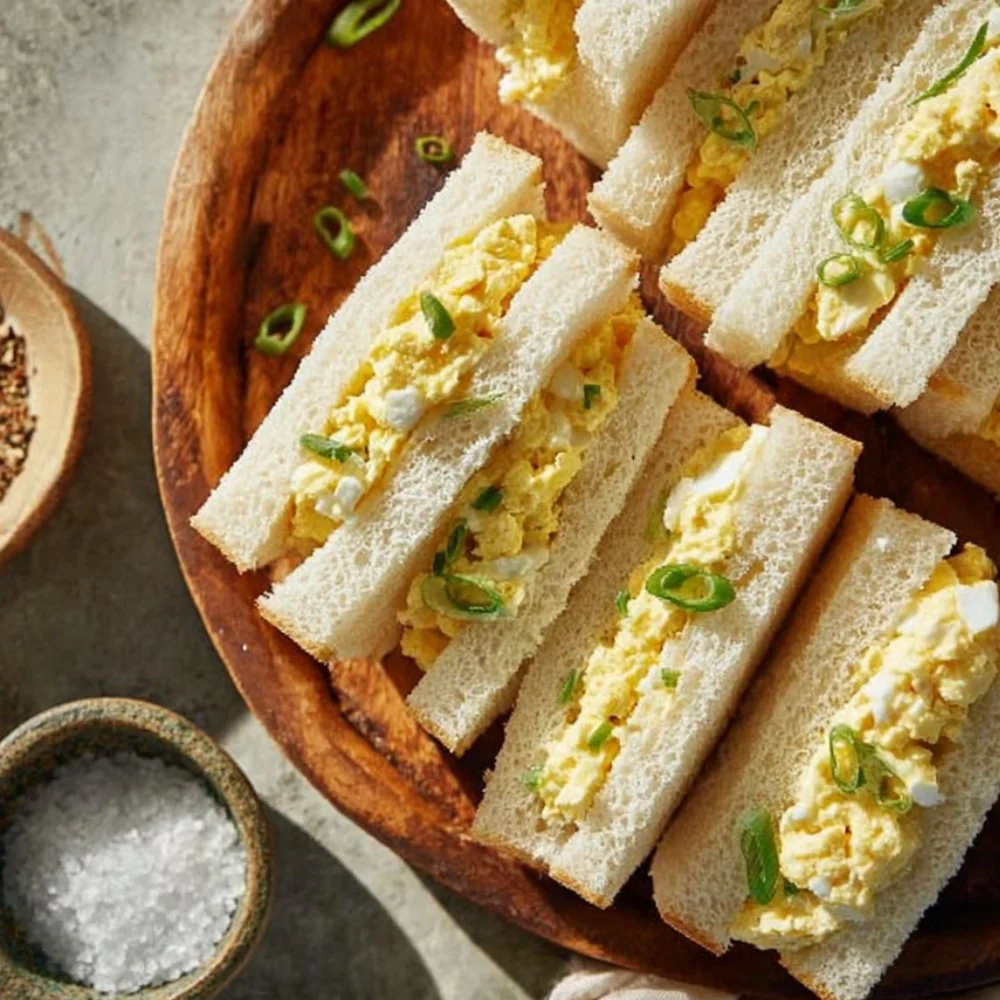
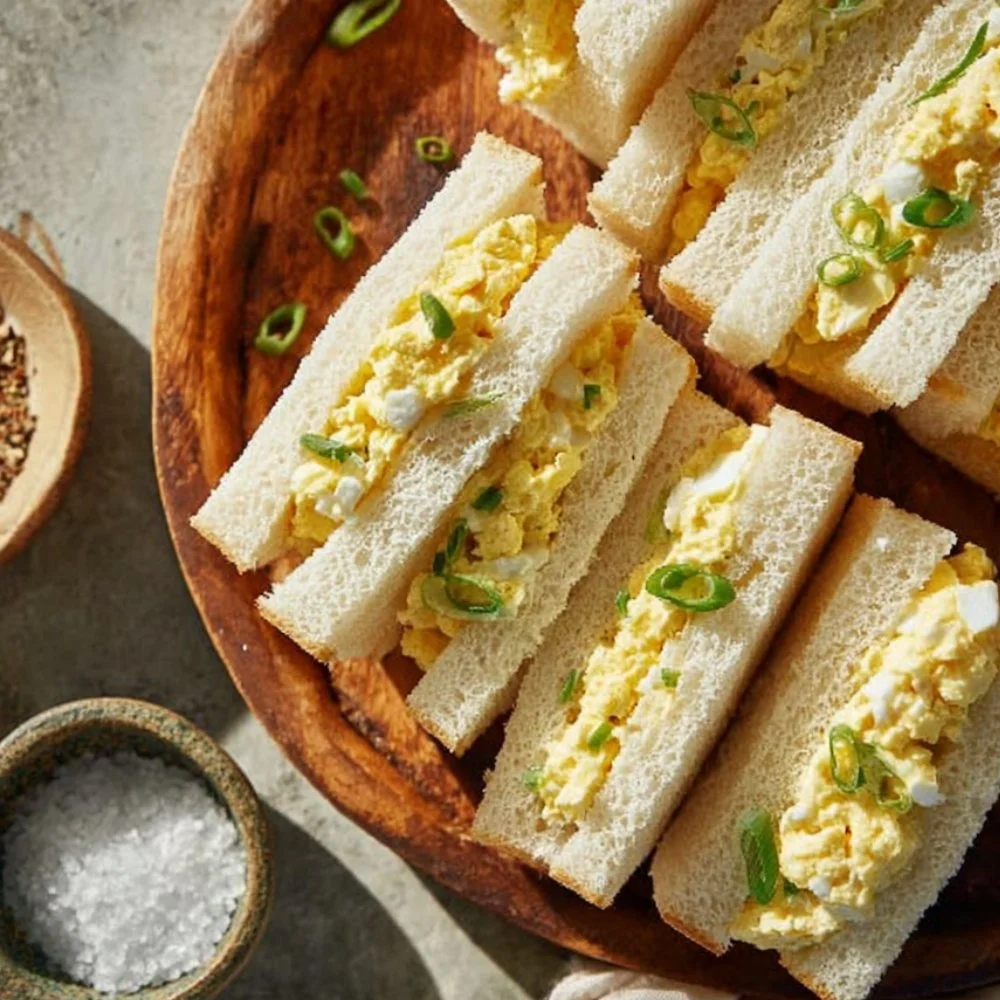
Japanese Egg Sandwich (Tamago Sando) with creamy egg filling on soft bread

There’s something incredibly comforting about a simple egg sandwich done exceptionally well — and the Japanese Egg Sandwich (Tamago Sando) is exactly that kind of food. Soft, pillowy milk bread, velvety egg filling seasoned with a touch of sugar and Japanese mayonnaise, and a gentle kiss of butter make this a seasonal favorite when eggs are at their peak freshness. If you treasure small, satisfying bites that showcase quality ingredients, this tamago sando is worth trying. For ideas on complementary seasonings and salt choices that elevate eggs, explore the Japanese pink salt benefits to spark inspiration.

Ingredients & Equipment

Ingredients

  • 6 large Pete and Gerry’s Organic Eggs
  • 1/4 teaspoon sugar
  • 1/4 teaspoon salt
  • 1/4 teaspoon ground black pepper
  • 1 to 2 teaspoon milk (or plant milk (Optional) (Footnote 1))
  • 4 tablespoons Japanese mayonnaise
  • 4 slices Japanese milk bread
  • 2 tablespoons unsalted butter (softened)
  • chives (sliced) (for garnish) (Optional)

Footnote 1: The milk is optional and helps make the egg salad slightly creamier; plant milks like oat or almond work fine if you prefer dairy-free.

Equipment

  • Medium saucepan (for boiling eggs) or steamer
  • Bowl for mixing
  • Fork or small whisk
  • Knife and cutting board
  • Spatula
  • Fine sieve or ricer (optional, for extra-smooth filling)
  • Blender (optional — pulse briefly for very smooth texture)
  • Slotted spoon
  • Timer and thermometer (helpful if you like precise doneness)

Tip: A simple egg slicer or a mesh ricer transforms the cooked eggs into a silky texture quickly. If you enjoy learning variations on egg texture, you might also look at a classic deviled egg recipe for ideas to riff on the seasoning.

Step-by-Step Instructions (with tips)

To make the egg salad

  1. Choose your method: Decide whether you want classic hard-boiled eggs, soft-boiled for an extra creamy center, or oven-baked eggs. For tamago sando, fully set yet tender yolks (jammy to fully hard) work best.
  2. Hard-boil method (recommended): Place 6 eggs in a single layer in a saucepan and cover with cold water by about an inch. Bring to a gentle boil, then cover, remove from heat, and let sit for 9–11 minutes depending on your stovetop and how set you like the yolks. Immediately transfer to an ice bath to stop cooking.
  3. Alternative — steaming: Steam eggs for 12 minutes for even, easy-to-peel shells. Steam often reduces surface cracking and gives predictably tender whites.
  4. Peel the cooled eggs and rough-chop them. For silkier consistency, push the chopped eggs through a fine sieve or pulse in a blender for one second bursts — avoid over-blending into paste.
  5. In a mixing bowl, combine chopped eggs, 4 tablespoons Japanese mayonnaise, 1/4 teaspoon sugar, 1/4 teaspoon salt, 1/4 teaspoon ground black pepper, and 1–2 teaspoons milk if using. Fold gently to keep some texture — tamago sando is known for being luxuriously smooth but not soupy.
  6. Taste and adjust: add a pinch more salt, a drop more mayo, or an additional 1/8 teaspoon sugar if you prefer a slightly sweeter profile (Japanese versions often balance sweet and savory).
  7. Optional garnish: Fold in finely chopped chives or reserve them to sprinkle on top of the assembled sandwich for a fresh note.

To cook and assemble the sandwich

  1. Prepare the bread: Lightly spread softened unsalted butter on one side of each slice of Japanese milk bread. The buttered side will sit against the egg filling for a richer mouthfeel and to keep the bread from becoming soggy.
  2. Toast (optional): For a warm contrast, lightly toast the bread on the buttered side just until golden. Traditional tamago sando often uses untoasted milk bread for its soft texture — choose what you love.
  3. Assemble: Spread a generous portion of egg salad onto the non-buttered side of one slice. Use a spatula to smooth it into an even layer about 1/2 inch thick; the goal is a cloud-like, pillowy profile rather than a thin smear.
  4. Top with a sprinkle of sliced chives if using, then place the second slice of bread on top, buttered-side down.
  5. Trim the crusts if you want the classic Japanese presentation: sandwiches are often crustless and cut into neat rectangles or triangles. Use a serrated knife and a gentle sawing motion to avoid squishing the filling.
  6. Slice and serve immediately: Tamago sando is best enjoyed the same day for maximum tenderness — the bread and filling are at their loveliest fresh.

To Store

If you have leftover egg salad, transfer it to an airtight container and refrigerate. Use within 3–4 days for best quality. If sandwiches are assembled ahead, store them wrapped tightly in plastic wrap or in an airtight container and consume within 24 hours to avoid soggy bread.
Japanese Egg Sandwich (Tamago Sando)

Variations & Kitchen Tips

Texture Variations

  • Smoother filling: Push eggs through a mesh sieve or pulse briefly in a blender. Add milk by the teaspoon to adjust creaminess.
  • Chunkier filling: Hand-chop eggs with a fork for more texture and mouthfeel.
  • Roasted egg twist: For a smoky note, roast peeled eggs briefly under a broiler (watch carefully), then chop and mix — this adds a subtle depth.

Flavor Suggestions

  • Swap Japanese mayo for your favorite brand, but note that Japanese mayonnaise (kewpie-style) has a tangier, richer umami profile that makes tamago sando special.
  • Fold in a small amount of grainy mustard or wasabi mayonnaise for a spicy lift.
  • Add a thin smear of sriracha mayo for a modern fusion version.

Storage, Freezing & Make-Ahead Tips

Egg salad doesn’t freeze well because the mayo and egg whites separate when thawed, so avoid freezing prepared sandwiches or egg salad. Instead, prep components:

  • Make-ahead eggs: Hard-boiled eggs keep well in their shells for up to one week refrigerated — cook a batch and peel when ready to assemble.
  • Make the egg salad up to 2 days in advance and keep it chilled in an airtight container. Stir gently before use to reincorporate any separated liquids.
  • Assemble sandwiches the day you plan to serve. If you must transport them, wrap tightly in plastic wrap and pack in a cooler with an ice pack to maintain texture and safety.
  • Portion advice: For meal prepping, portion the egg salad into 1/2-cup servings so you can quickly build sandwiches or use it as a topping for salads and toast.

How to Use / Serve This Dish

Tamago sando is wonderfully versatile. Serve a pair with a steaming bowl of miso soup for a Japanese-inspired breakfast, or pair with a light green salad and pickles for lunch. For a picnic, wrap sandwiches tightly and place on a bed of fresh lettuce to keep them from sticking.

Creative ways to use leftovers: Spread egg salad on avocado toast, use it as a filling for savory crepes, or top a baked potato with a spoonful for lunch. If you enjoy repurposing egg dishes into snacks, check this variety demonstrating a fun cooked twist on egg ideas like air fryer deviled eggs.

FAQ

How long will homemade tamago sando stay fresh?

Assembled sandwiches are best eaten the same day. If stored, keep them in the refrigerator and eat within 24 hours to preserve bread texture. Egg salad alone keeps 3–4 days refrigerated in an airtight container.

Can I substitute regular mayonnaise for Japanese mayonnaise?

Yes — you can use regular mayonnaise, but the flavor profile will differ. Japanese mayonnaise (kewpie style) is tangier and richer because it often uses only egg yolks and a different vinegar. If you want to emulate the taste, add a touch of rice vinegar and a pinch of sugar to regular mayo.

What’s the best way to get perfectly cooked eggs for the filling?

Steaming eggs for about 12 minutes or using the stovetop sit-and-steam method (bring to boil, cover and rest 9–11 minutes) produces even, easy-to-peel eggs with tender whites and set yolks. Immediately chilling in an ice bath helps prevent overcooking and makes peeling easy.

Any good substitutions for milk bread?

Japanese milk bread is ideal for its soft, slightly sweet crumb. If you can’t find it, use brioche or a very soft sandwich bread. Toasted sourdough gives a delicious contrast but changes the traditional texture.

Conclusion

Making a Japanese Egg Sandwich (Tamago Sando) is an act of gentle care: a handful of humble ingredients transformed into something comforting, bright, and deeply satisfying. Whether you’re celebrating spring eggs, packing a heartfelt lunch, or seeking a peaceful morning bite, this sandwich captures the cozy simplicity of homemade food. For classic technique and visual inspiration, you might enjoy the detailed guide at Japanese Egg Sandwich (Tamago Sando) たまごサンド • Just One Cookbook. For another well-loved home cook’s take, see the practical notes at Japanese Egg Sandwich Recipe (Tamago Sando) – Hungry Huy. If you’re looking for variations and plating ideas, browse the thoughtful recipes and presentation tips at Japanese Egg Sandwich (Tamago Sando) タマゴサンド – Okonomi Kitchen.

Give it a try this season — tinker with textures, keep the flavors balanced, and share a photo or a smile with someone who appreciates simple, nurturing food.

Japanese Egg Sandwich (Tamago Sando) with creamy egg filling on soft bread

Japanese Egg Sandwich

A comforting and velvety egg sandwich made with soft Japanese milk bread, filled with a rich egg salad and seasoned to perfection.
Prep Time 20 minutes
Cook Time 15 minutes
Total Time 35 minutes
Course Breakfast, Lunch
Cuisine Japanese
Servings 2 sandwiches
Calories 400 kcal

Ingredients
  

For the Egg Filling

  • 6 large Pete and Gerry’s Organic Eggs
  • ¼ teaspoon sugar
  • ¼ teaspoon salt
  • ¼ teaspoon ground black pepper
  • 1 to 2 teaspoons milk (or plant milk) Optional, for creaminess
  • 4 tablespoons Japanese mayonnaise

For the Sandwich

  • 4 slices Japanese milk bread
  • 2 tablespoons unsalted butter (softened)
  • chives (sliced) (for garnish) Optional

Instructions
 

Prepare the Egg Salad

  • Choose your method: Hard-boil, soft-boil, or oven-bake the eggs as desired.
  • For hard-boiling, place eggs in a saucepan, cover with water and bring to a boil. Cover, turn off the heat, and let sit for 9-11 minutes.
  • Transfer eggs to an ice bath to cool. Peel and rough-chop the eggs.
  • In a bowl, combine chopped eggs, mayonnaise, sugar, salt, pepper, and milk if using. Fold gently to combine.
  • Taste and adjust seasoning to preference.
  • Optional: Fold in chives for added flavor.

Assemble the Sandwich

  • Spread butter on one side of each slice of bread.
  • Toast the buttered side lightly if desired.
  • Spread a generous portion of egg salad on the non-buttered side of one slice.
  • Top with another slice of bread, buttered side down.
  • Trim crusts and slice into neat rectangles or triangles if desired.

Notes

Store leftover egg salad in an airtight container for up to 3-4 days. Assembled sandwiches are best eaten within 24 hours to maintain freshness.

Nutrition

Serving: 1gCalories: 400kcalCarbohydrates: 30gProtein: 14gFat: 28gSaturated Fat: 8gSodium: 500mgFiber: 1gSugar: 1g
Keyword Comfort Food, Egg Salad Sandwich, homemade, Japanese Egg Sandwich, Tamago Sando
Tried this recipe?Let us know how it was!

Japanese Egg Sandwich (Tamago Sando)

Published: January 4, 2026 By sarah

Japanese Egg Sandwich (Tamago Sando) with creamy egg filling on soft bread

There’s something incredibly comforting about a simple egg sandwich done exceptionally well — and the Japanese Egg Sandwich (Tamago Sando) is exactly that kind of food. Soft, pillowy milk bread, velvety egg filling seasoned with a touch of sugar and Japanese mayonnaise, and a gentle kiss of butter make this a seasonal favorite when eggs are at their peak freshness. If you treasure small, satisfying bites that showcase quality ingredients, this tamago sando is worth trying. For ideas on complementary seasonings and salt choices that elevate eggs, explore the Japanese pink salt benefits to spark inspiration.

Ingredients & Equipment

Ingredients

  • 6 large Pete and Gerry’s Organic Eggs
  • 1/4 teaspoon sugar
  • 1/4 teaspoon salt
  • 1/4 teaspoon ground black pepper
  • 1 to 2 teaspoon milk (or plant milk (Optional) (Footnote 1))
  • 4 tablespoons Japanese mayonnaise
  • 4 slices Japanese milk bread
  • 2 tablespoons unsalted butter (softened)
  • chives (sliced) (for garnish) (Optional)

Footnote 1: The milk is optional and helps make the egg salad slightly creamier; plant milks like oat or almond work fine if you prefer dairy-free.

Equipment

  • Medium saucepan (for boiling eggs) or steamer
  • Bowl for mixing
  • Fork or small whisk
  • Knife and cutting board
  • Spatula
  • Fine sieve or ricer (optional, for extra-smooth filling)
  • Blender (optional — pulse briefly for very smooth texture)
  • Slotted spoon
  • Timer and thermometer (helpful if you like precise doneness)

Tip: A simple egg slicer or a mesh ricer transforms the cooked eggs into a silky texture quickly. If you enjoy learning variations on egg texture, you might also look at a classic deviled egg recipe for ideas to riff on the seasoning.

Step-by-Step Instructions (with tips)

To make the egg salad

  1. Choose your method: Decide whether you want classic hard-boiled eggs, soft-boiled for an extra creamy center, or oven-baked eggs. For tamago sando, fully set yet tender yolks (jammy to fully hard) work best.
  2. Hard-boil method (recommended): Place 6 eggs in a single layer in a saucepan and cover with cold water by about an inch. Bring to a gentle boil, then cover, remove from heat, and let sit for 9–11 minutes depending on your stovetop and how set you like the yolks. Immediately transfer to an ice bath to stop cooking.
  3. Alternative — steaming: Steam eggs for 12 minutes for even, easy-to-peel shells. Steam often reduces surface cracking and gives predictably tender whites.
  4. Peel the cooled eggs and rough-chop them. For silkier consistency, push the chopped eggs through a fine sieve or pulse in a blender for one second bursts — avoid over-blending into paste.
  5. In a mixing bowl, combine chopped eggs, 4 tablespoons Japanese mayonnaise, 1/4 teaspoon sugar, 1/4 teaspoon salt, 1/4 teaspoon ground black pepper, and 1–2 teaspoons milk if using. Fold gently to keep some texture — tamago sando is known for being luxuriously smooth but not soupy.
  6. Taste and adjust: add a pinch more salt, a drop more mayo, or an additional 1/8 teaspoon sugar if you prefer a slightly sweeter profile (Japanese versions often balance sweet and savory).
  7. Optional garnish: Fold in finely chopped chives or reserve them to sprinkle on top of the assembled sandwich for a fresh note.

To cook and assemble the sandwich

  1. Prepare the bread: Lightly spread softened unsalted butter on one side of each slice of Japanese milk bread. The buttered side will sit against the egg filling for a richer mouthfeel and to keep the bread from becoming soggy.
  2. Toast (optional): For a warm contrast, lightly toast the bread on the buttered side just until golden. Traditional tamago sando often uses untoasted milk bread for its soft texture — choose what you love.
  3. Assemble: Spread a generous portion of egg salad onto the non-buttered side of one slice. Use a spatula to smooth it into an even layer about 1/2 inch thick; the goal is a cloud-like, pillowy profile rather than a thin smear.
  4. Top with a sprinkle of sliced chives if using, then place the second slice of bread on top, buttered-side down.
  5. Trim the crusts if you want the classic Japanese presentation: sandwiches are often crustless and cut into neat rectangles or triangles. Use a serrated knife and a gentle sawing motion to avoid squishing the filling.
  6. Slice and serve immediately: Tamago sando is best enjoyed the same day for maximum tenderness — the bread and filling are at their loveliest fresh.

To Store

If you have leftover egg salad, transfer it to an airtight container and refrigerate. Use within 3–4 days for best quality. If sandwiches are assembled ahead, store them wrapped tightly in plastic wrap or in an airtight container and consume within 24 hours to avoid soggy bread.

Japanese Egg Sandwich (Tamago Sando)

Variations & Kitchen Tips

Texture Variations

  • Smoother filling: Push eggs through a mesh sieve or pulse briefly in a blender. Add milk by the teaspoon to adjust creaminess.
  • Chunkier filling: Hand-chop eggs with a fork for more texture and mouthfeel.
  • Roasted egg twist: For a smoky note, roast peeled eggs briefly under a broiler (watch carefully), then chop and mix — this adds a subtle depth.

Flavor Suggestions

  • Swap Japanese mayo for your favorite brand, but note that Japanese mayonnaise (kewpie-style) has a tangier, richer umami profile that makes tamago sando special.
  • Fold in a small amount of grainy mustard or wasabi mayonnaise for a spicy lift.
  • Add a thin smear of sriracha mayo for a modern fusion version.

Storage, Freezing & Make-Ahead Tips

Egg salad doesn’t freeze well because the mayo and egg whites separate when thawed, so avoid freezing prepared sandwiches or egg salad. Instead, prep components:

  • Make-ahead eggs: Hard-boiled eggs keep well in their shells for up to one week refrigerated — cook a batch and peel when ready to assemble.
  • Make the egg salad up to 2 days in advance and keep it chilled in an airtight container. Stir gently before use to reincorporate any separated liquids.
  • Assemble sandwiches the day you plan to serve. If you must transport them, wrap tightly in plastic wrap and pack in a cooler with an ice pack to maintain texture and safety.
  • Portion advice: For meal prepping, portion the egg salad into 1/2-cup servings so you can quickly build sandwiches or use it as a topping for salads and toast.

How to Use / Serve This Dish

Tamago sando is wonderfully versatile. Serve a pair with a steaming bowl of miso soup for a Japanese-inspired breakfast, or pair with a light green salad and pickles for lunch. For a picnic, wrap sandwiches tightly and place on a bed of fresh lettuce to keep them from sticking.

Creative ways to use leftovers: Spread egg salad on avocado toast, use it as a filling for savory crepes, or top a baked potato with a spoonful for lunch. If you enjoy repurposing egg dishes into snacks, check this variety demonstrating a fun cooked twist on egg ideas like air fryer deviled eggs.

FAQ

How long will homemade tamago sando stay fresh?

Assembled sandwiches are best eaten the same day. If stored, keep them in the refrigerator and eat within 24 hours to preserve bread texture. Egg salad alone keeps 3–4 days refrigerated in an airtight container.

Can I substitute regular mayonnaise for Japanese mayonnaise?

Yes — you can use regular mayonnaise, but the flavor profile will differ. Japanese mayonnaise (kewpie style) is tangier and richer because it often uses only egg yolks and a different vinegar. If you want to emulate the taste, add a touch of rice vinegar and a pinch of sugar to regular mayo.

What’s the best way to get perfectly cooked eggs for the filling?

Steaming eggs for about 12 minutes or using the stovetop sit-and-steam method (bring to boil, cover and rest 9–11 minutes) produces even, easy-to-peel eggs with tender whites and set yolks. Immediately chilling in an ice bath helps prevent overcooking and makes peeling easy.

Any good substitutions for milk bread?

Japanese milk bread is ideal for its soft, slightly sweet crumb. If you can’t find it, use brioche or a very soft sandwich bread. Toasted sourdough gives a delicious contrast but changes the traditional texture.

Conclusion

Making a Japanese Egg Sandwich (Tamago Sando) is an act of gentle care: a handful of humble ingredients transformed into something comforting, bright, and deeply satisfying. Whether you’re celebrating spring eggs, packing a heartfelt lunch, or seeking a peaceful morning bite, this sandwich captures the cozy simplicity of homemade food. For classic technique and visual inspiration, you might enjoy the detailed guide at Japanese Egg Sandwich (Tamago Sando) たまごサンド • Just One Cookbook. For another well-loved home cook’s take, see the practical notes at Japanese Egg Sandwich Recipe (Tamago Sando) – Hungry Huy. If you’re looking for variations and plating ideas, browse the thoughtful recipes and presentation tips at Japanese Egg Sandwich (Tamago Sando) タマゴサンド – Okonomi Kitchen.

Give it a try this season — tinker with textures, keep the flavors balanced, and share a photo or a smile with someone who appreciates simple, nurturing food.

Japanese Egg Sandwich (Tamago Sando) with creamy egg filling on soft bread

Japanese Egg Sandwich

A comforting and velvety egg sandwich made with soft Japanese milk bread, filled with a rich egg salad and seasoned to perfection.
Prep Time 20 minutes
Cook Time 15 minutes
Total Time 35 minutes
Course Breakfast, Lunch
Cuisine Japanese
Servings 2 sandwiches
Calories 400 kcal

Ingredients
  

For the Egg Filling

  • 6 large Pete and Gerry’s Organic Eggs
  • ¼ teaspoon sugar
  • ¼ teaspoon salt
  • ¼ teaspoon ground black pepper
  • 1 to 2 teaspoons milk (or plant milk) Optional, for creaminess
  • 4 tablespoons Japanese mayonnaise

For the Sandwich

  • 4 slices Japanese milk bread
  • 2 tablespoons unsalted butter (softened)
  • chives (sliced) (for garnish) Optional

Instructions
 

Prepare the Egg Salad

  • Choose your method: Hard-boil, soft-boil, or oven-bake the eggs as desired.
  • For hard-boiling, place eggs in a saucepan, cover with water and bring to a boil. Cover, turn off the heat, and let sit for 9-11 minutes.
  • Transfer eggs to an ice bath to cool. Peel and rough-chop the eggs.
  • In a bowl, combine chopped eggs, mayonnaise, sugar, salt, pepper, and milk if using. Fold gently to combine.
  • Taste and adjust seasoning to preference.
  • Optional: Fold in chives for added flavor.

Assemble the Sandwich

  • Spread butter on one side of each slice of bread.
  • Toast the buttered side lightly if desired.
  • Spread a generous portion of egg salad on the non-buttered side of one slice.
  • Top with another slice of bread, buttered side down.
  • Trim crusts and slice into neat rectangles or triangles if desired.
Notes

Store leftover egg salad in an airtight container for up to 3-4 days. Assembled sandwiches are best eaten within 24 hours to maintain freshness.

Nutrition

Serving: 1gCalories: 400kcalCarbohydrates: 30gProtein: 14gFat: 28gSaturated Fat: 8gSodium: 500mgFiber: 1gSugar: 1g
Keyword Comfort Food, Egg Salad Sandwich, homemade, Japanese Egg Sandwich, Tamago Sando
Tried this recipe?Let us know how it was!

Leave a Comment

Recipe Rating