
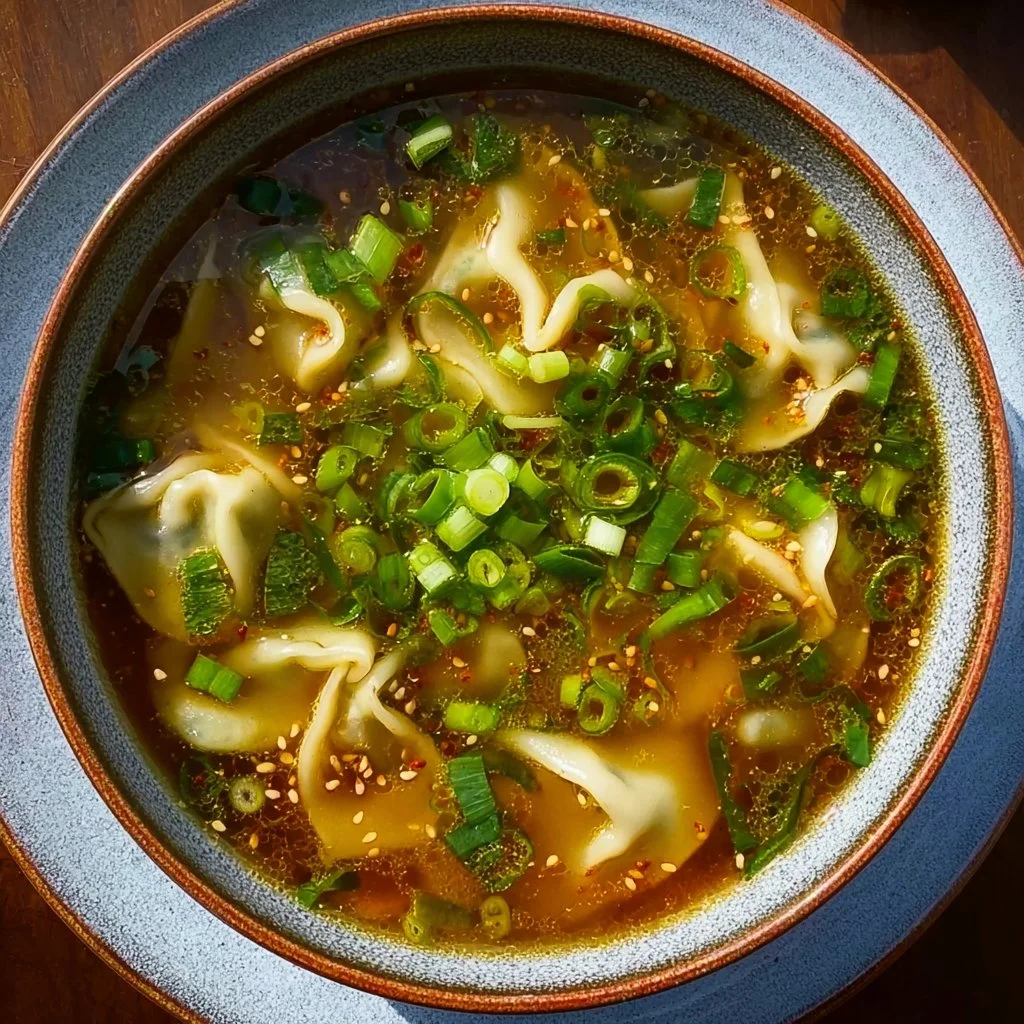
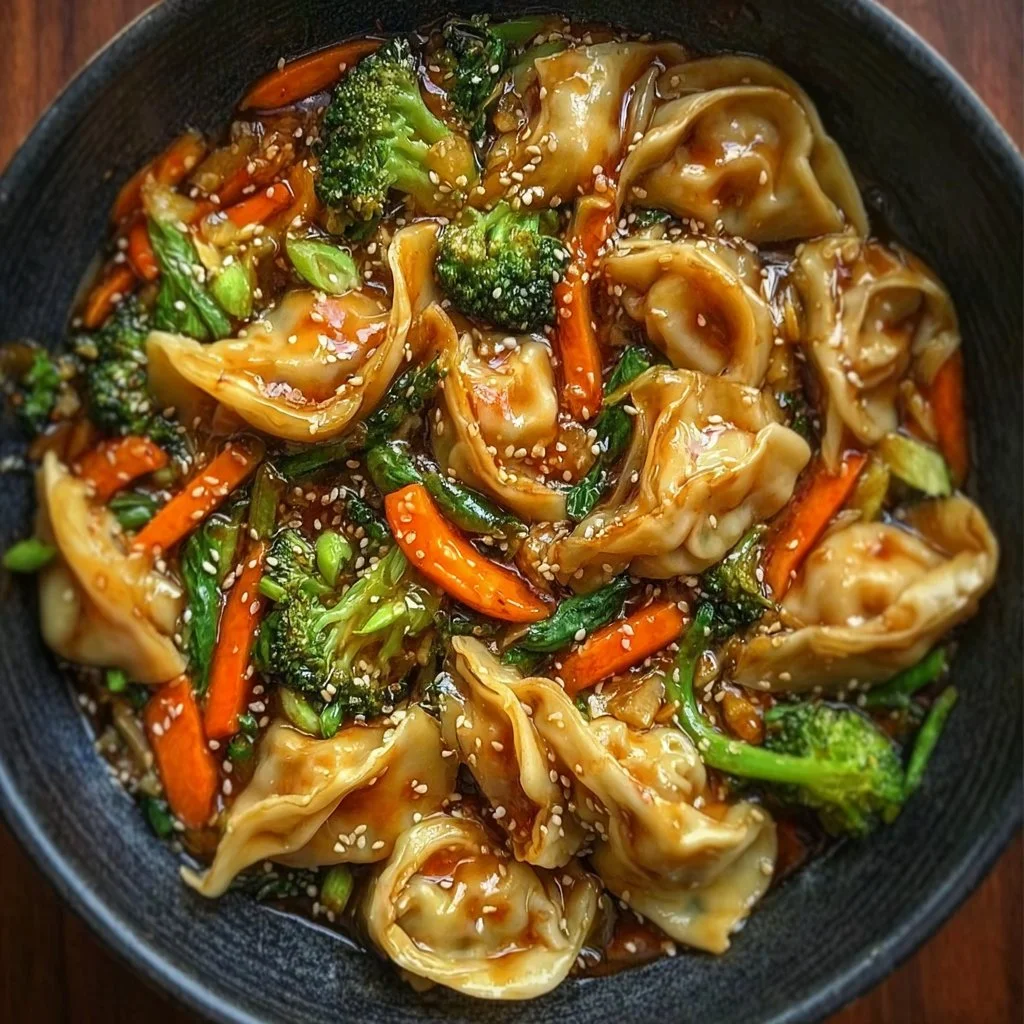
There’s something uncomplicatedly cozy about a steaming bowl of Gyoza Soup: tender gyoza dumplings slipping through a fragrant broth dotted with leafy greens and sweet mushrooms. Whether you’re chasing chilly evenings or celebrating crisp fall markets, this soup is an easy, seasonal hug in a bowl. The star is the gyoza themselves — store-bought or homemade — but the real magic comes from building a simple, umami-rich broth and adding quick-cooking vegetables for texture and color. If you enjoy other comforting noodle soups, like the aromatic ginger garlic chicken noodle soup, you’ll find Gyoza Soup similarly satisfying and surprisingly quick to pull together.
Ingredients & Equipment
Ingredients
– 1 package of gyoza dumplings
– 4 cups vegetable broth
– 2 cups mixed vegetables (like bok choy, carrots, and mushrooms)
– 2 green onions, chopped
– 2 cloves garlic, minced
– 1 tablespoon soy sauce
– 1 teaspoon sesame oil
– Salt and pepper to taste
Notes:
- Gyoza: You can use fresh or frozen store-bought gyoza, or homemade dumplings if you have them. Pork, chicken, shrimp, or vegetable gyoza all work — adjust broth seasoning if your filling is already salty.
- Vegetables: Bok choy gives a lovely leafy texture, carrots add sweetness and color, and shiitake or cremini mushrooms add depth. Swap in spinach, napa cabbage, snow peas, or thinly sliced zucchini to match the season.
- Broth: A good-quality vegetable broth keeps this vegetarian-friendly, but chicken broth or a light dashi will add extra savory complexity.
Equipment
– Large pot or Dutch oven
– Stirring spoon or spatula
– Sharp knife and cutting board
– Ladle for serving
– Slotted spoon (helpful for lifting gyoza)
Helpful optional tools:
– Blender (if you want to make a blended vegetable base or silky carrot-ginger swirl)
– Baking tray (for pan-frying gyoza before adding to the soup for texture)
– Instant-read thermometer (useful if cooking homemade gyoza to confirm internal temperature)
A quick note: if you plan to pan-fry the gyoza first (a delicious variation), a non-stick skillet with a fitted lid makes the process simpler.
Step-by-Step Instructions (with tips)
In a large pot, heat sesame oil over medium heat. Add garlic and sauté until fragrant.
- Tip: Don’t let the garlic brown — cook just until fragrant (about 30–45 seconds) to avoid bitterness. If you like a bit more aromatics, add a teaspoon of grated ginger with the garlic.
Pour in the vegetable broth and bring to a simmer.
- Tip: Start with room-temperature broth and bring it gently to a simmer rather than a rolling boil; this keeps flavors bright. If you want a deeper flavor, add a strip of kombu (dried kelp) while the broth heats and remove it after 10 minutes.
Add the mixed vegetables and cook until tender, about 3–4 minutes.
- Tip: Add harder vegetables (like carrots) first for 1–2 minutes, then add bok choy and mushrooms so everything finishes at the same time. Trim bok choy stems and slice carrots thinly so they cook quickly.
Add the gyoza dumplings and cook according to package instructions, usually about 5–6 minutes.
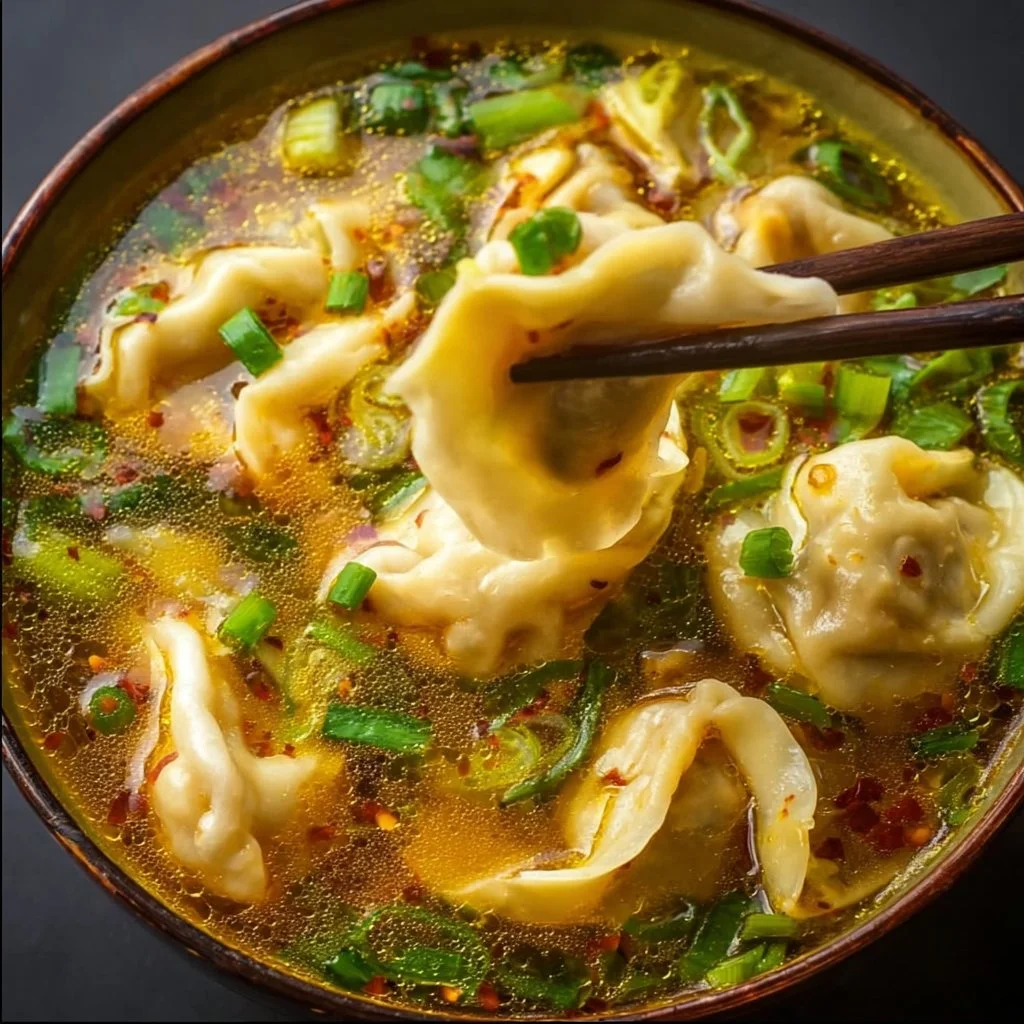
- Variation A — Boiling: Drop frozen or fresh gyoza into the simmering broth and cook until they float and are heated through (follow package timing). Use a slotted spoon to swirl gently so they don’t stick.
- Variation B — Pan-fry then simmer (crispy-bottomed gyoza): In a separate non-stick skillet, heat a tablespoon of oil, arrange gyoza in a single layer, fry until bottoms are golden (2–3 minutes), then add a splash of water and cover to steam for 3–4 minutes. Transfer into the hot broth to finish cooking and soak up flavor. This gives a delightful contrast of textures.
- Kitchen tip: If using frozen gyoza, don’t thaw them first — add directly to simmering broth and add an extra 1–2 minutes to cooking time.
Stir in soy sauce, and season with salt and pepper to taste.
- Tip: Taste before adding a lot of salt — gyoza fillings can already be seasoned, and soy sauce brings saltiness and depth. For a brighter lift, squeeze a little lime or add a teaspoon of rice vinegar at the end.
Serve hot, garnished with chopped green onions.
- Tip: Finish with an optional drizzle of chili oil, a sprinkle of toasted sesame seeds, or a few leaves of fresh cilantro for contrast.
Flavor suggestions:
- For extra umami: add a teaspoon of miso dissolved in a little warm broth before serving.
- For heat: a dash of sriracha or a spoonful of gochujang stirred into the broth warms the bowl beautifully.
- For richness: stir in a soft-boiled egg just before serving or add thin rice noodles for a heartier meal.
Storage, Freezing & Make-Ahead Tips
Short-term storage:
- Refrigerator: Leftover gyoza soup will keep in an airtight container for 2–3 days. Store broth and gyoza together for convenience, but note that gyoza can absorb broth and become softer over time.
- Reheating: Gently reheat on the stovetop over low-medium heat until just warmed through. Avoid aggressive boiling, which can break down the dumpling wrappers and make vegetables mushy.
Freezing:
- Gyoza dumplings themselves freeze very well (if homemade, freeze them on a tray first before bagging), but gyoza cooked in broth will change texture after freezing. If you plan to freeze, separate components:
- Freeze cooked gyoza on a tray, then transfer to a freezer bag for up to 2 months; reheat by pan-frying or steaming.
- Freeze the broth and vegetables in a freezer-safe container for up to 2 months; when thawed, bring to a simmer and add freshly cooked or frozen gyoza to finish.
- Tip: Portion into single-serving containers so you can thaw only what you need.
Make-ahead strategy:
- Prep ahead by chopping vegetables and slicing green onions 1–2 days in advance and storing them in airtight containers in the fridge.
- If making homemade gyoza, prepare and freeze raw dumplings on a tray; they’ll be ready to drop into simmering broth directly from the freezer. This turns weeknight dinners into a breeze.
Portioning advice:
- This recipe is easily scaled. A standard package of gyoza with 4 cups of broth and 2 cups of vegetables typically serves 2–3 as a main or 3–4 as a starter. For heartier appetites, add noodles or an extra package of gyoza.
How to Use / Serve This Dish
Serving ideas:
- As a complete weeknight meal: Add a handful of cooked rice noodles or soba to the bowl, toss in an extra soft-boiled egg, and garnish with chili oil and sesame seeds for texture.
- As a starter or part of a spread: Serve smaller bowls of Gyoza Soup alongside plates of steamed dumplings, pickled cucumber, and a simple seaweed salad for an at-home Japanese-inspired meal.
Pairings:
- Light side: A crisp cucumber salad with rice vinegar and sesame seeds or a simple edamame with flaky salt.
- Heartier side: Crispy pan-fried gyoza (even if the soup has gyoza, frying a few extra brings great texture), or a sesame-soy roasted vegetable tray.
Creative variations:
- Vegetarian/vegan: Use mushroom or vegetable gyoza and a kombu-based broth, add miso for richness.
- Seafood twist: Use shrimp gyoza and finish with a squeeze of lemon and a scatter of chives.
- Noodle bowl: Turn this into a gyoza noodle soup by stirring in cooked udon or ramen noodles just before serving — this is a fast way to stretch the meal.
For more ideas on comforting, rich soups to pair alongside this bowl, try recipes inspired by creamy, flavorful comforts like bacon cheddar gnocchi soup for when you want something indulgent on the side.
FAQ
Q: Can I use homemade gyoza in this soup?
A: Absolutely. Homemade gyoza are wonderful here. If they’re uncooked, add them to a simmering broth and cook until the wrappers are translucent and the filling reaches a safe temperature (160°F / 71°C for pork). If frozen, add a couple extra minutes.
Q: How long will leftovers last?
A: Stored in an airtight container, Gyoza Soup will keep in the refrigerator for 2–3 days. If you’ve added noodles or eggs, expect slightly shorter refrigerator life (1–2 days) because of the starch and egg components.
Q: What can I substitute for vegetable broth?
A: Chicken broth, low-sodium dashi, or a light beef broth can all be used depending on your preference. Dashi brings an authentic Japanese umami note, while chicken broth gives extra richness. If using a salty store-bought broth, reduce added soy sauce.
Q: My gyoza fell apart in the soup — how do I prevent this?
A: Gentle handling and simmering, not boiling, are key. Use a wide pot so dumplings have room, and add them near the end of cooking. If you pan-fry first, they hold their shape better once added to the broth.
Conclusion
Gyoza Soup is the kind of seasonal, from-scratch comfort that’s both quick enough for weeknights and special enough for guests. It’s forgiving: swap vegetables, change the broth, pan-fry or boil the dumplings — the result is always a warm, nourishing bowl with satisfying textures and comforting umami. If this recipe inspires you, explore other takes and variations online; for more simple gyoza-focused inspiration I like the interpretation at Gyoza Soup – The Stingy Vegan, a clear, straightforward guide is available at Gyoza Soup Recipe: Comforting Japanese Dumpling Soup, and a quick, noodle-forward version can be found at Gyoza Noodle Soup {15 Minute Meal}. Try a batch this week, tweak the toppings to your taste, and consider sharing your favorite variation with friends — comfort this good is worth passing along.
Gyoza Soup
Ingredients
For the soup
- 4 cups vegetable broth A good-quality vegetable broth keeps this vegetarian-friendly.
- 2 cups mixed vegetables (like bok choy, carrots, and mushrooms) Feel free to swap in other seasonal vegetables.
- 2 cloves garlic, minced Garlic adds aromatic flavor to the soup.
- 1 tablespoon soy sauce Brings saltiness and umami.
- 1 teaspoon sesame oil For sautéing garlic at the beginning.
- Salt and pepper to taste Season according to preference.
For the gyoza
- 1 package gyoza dumplings Store-bought or homemade, any filling works.
For garnishing
- 2 stalks green onions, chopped Used as a garnish before serving.
Instructions
Preparation
- In a large pot, heat sesame oil over medium heat. Add garlic and sauté until fragrant.
- Pour in the vegetable broth and bring to a simmer.
- Add the mixed vegetables and cook until tender, about 3–4 minutes.
- Add the gyoza dumplings and cook according to package instructions, usually about 5–6 minutes.
- Stir in soy sauce, and season with salt and pepper to taste.
Serving
- Serve hot, garnished with chopped green onions.
1 thought on “Gyoza Soup”