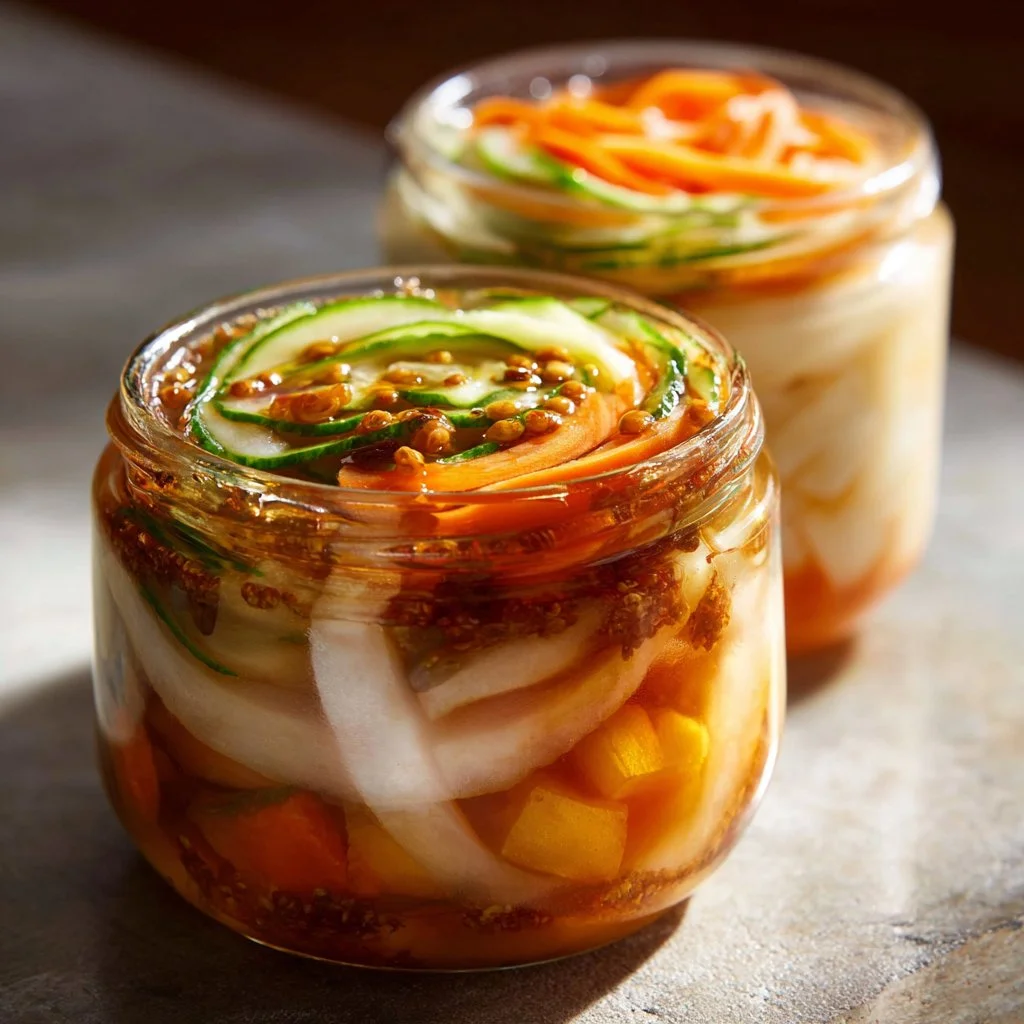
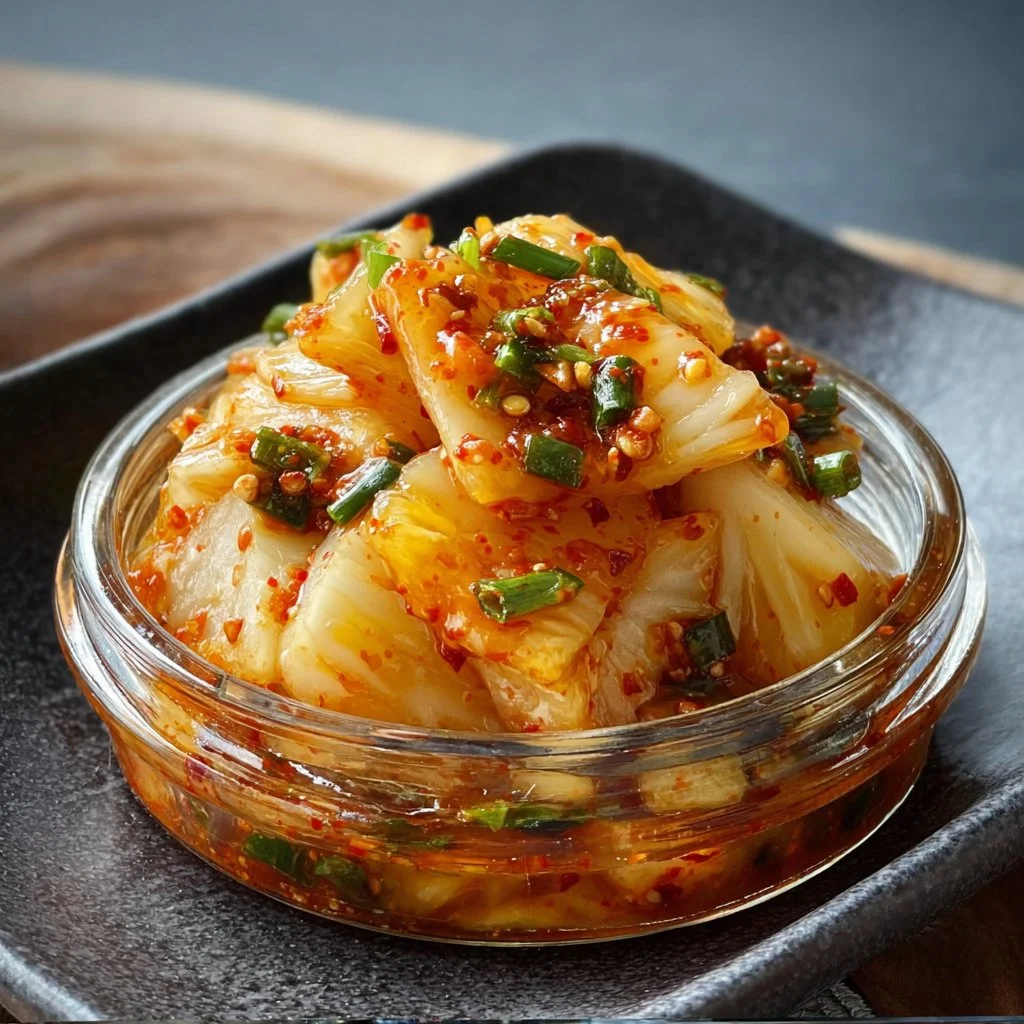
Fermented Pineapple Kimchi: A Sweet & Spicy Twist!
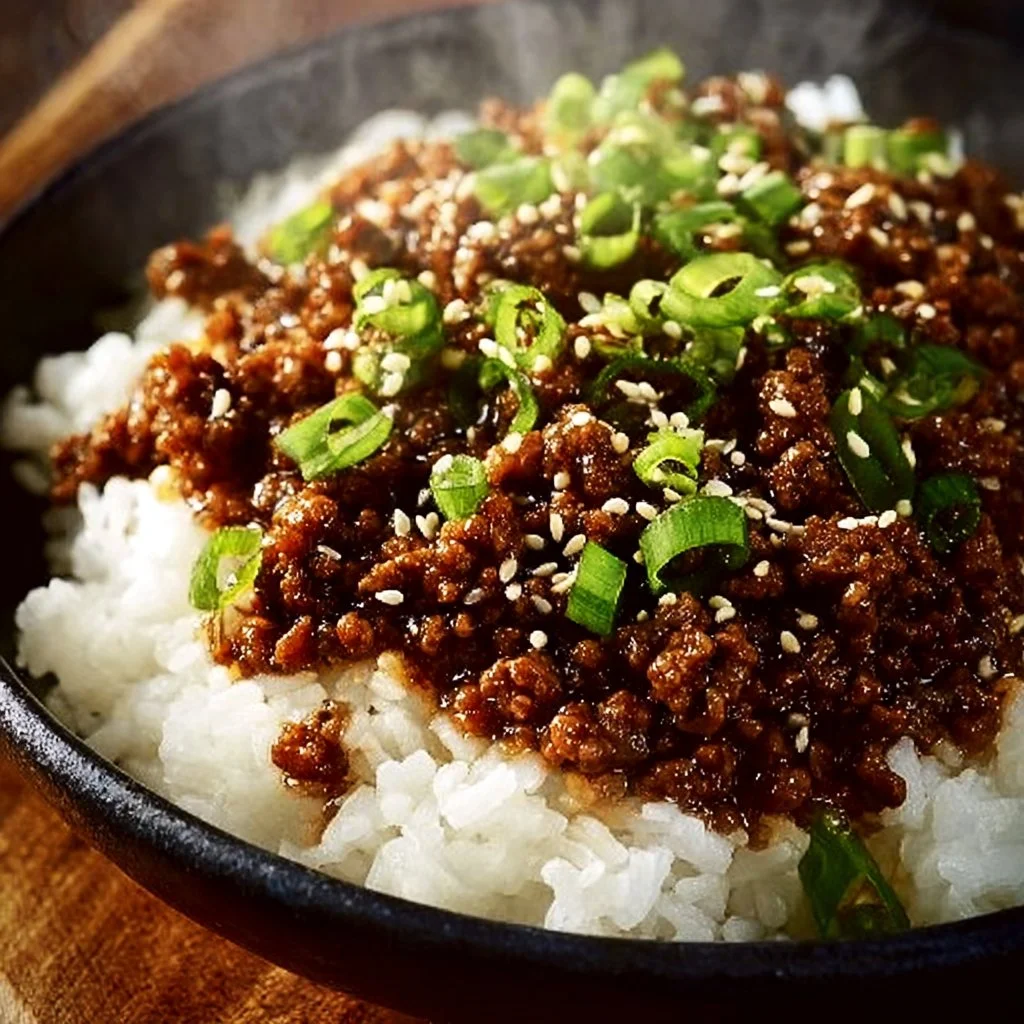
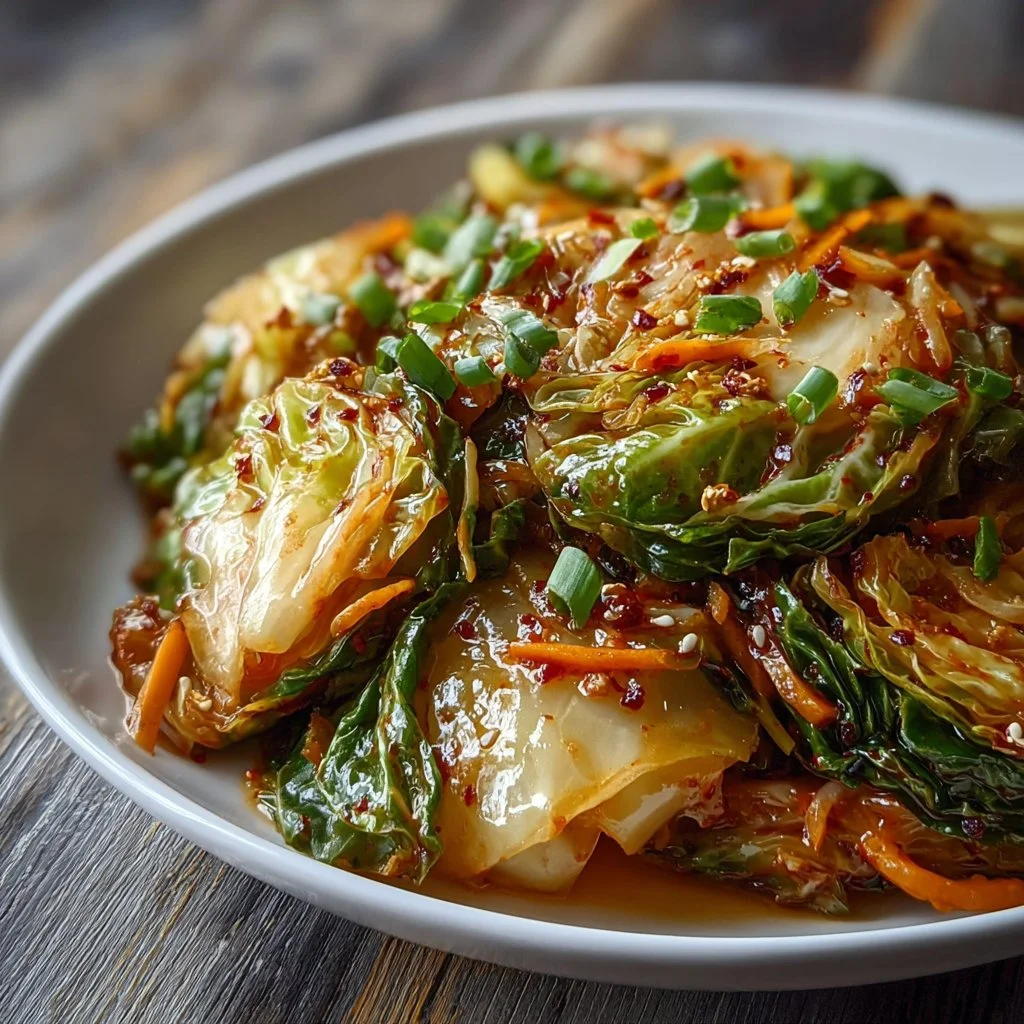
Fermented Pineapple Kimchi: A Sweet & Spicy Twist! is a joyful, seasonal recipe that transforms juicy pineapple into a tangy, effervescent condiment that’s equal parts sweet and spicy. If you love bright textures—crisp pineapple, snappy green onions, and a punchy ginger-garlic paste—this kimchi delivers a lively mouthfeel and depth of flavor that warms the kitchen and the soul. It’s perfect for summer produce, backyard gatherings, or cozying up with heartier dishes; it’s especially lovely spooned over grain bowls, like my favorite shrimp rice bowls with spicy mayo, to add a probiotic zing and tropical lift.
Ingredients & Equipment
Ingredients
- 1 medium Fresh Pineapple (Canned pineapple in juice can be used for a quicker option.)
- 3 cloves Garlic (Adjust the amount for a milder taste.)
- 4 stalks Green Onions (Chives can be substituted for a gentler taste.)
- 2 tablespoons Fish Sauce (Swap with soy sauce or miso paste for a vegetarian alternative.)
- 2 tablespoons Gochugaru (Korean Red Pepper Flakes) (Adjust the amount to control the heat level.)
- 1 tablespoon Ginger (Ground ginger can be used in a pinch but may alter the freshness.)
- 1 teaspoon Salt (Essential for fermentation, at 2% of the total weight of pineapple and water.)
- 2 cups Water (Filtered water is best for clear results.)
- 1 teaspoon Salt (Essential for the brine, helps in effective fermentation.)
Notes on the ingredient list
- The two "1 teaspoon Salt" entries are intentional: one is noted as the recommended 2% guideline for the combined weight of pineapple + water to make an appropriate brine; the second is an extra measure many home fermenters add directly to seasoning the pineapple before mixing with the paste. If you prefer a single, more precise approach, weigh your pineapple and water and calculate 2% salt by weight for the brine.
- If you prefer a vegetarian version, swap the fish sauce for a salty umami substitute like soy sauce, tamari, or a diluted miso paste.
- Canned pineapple in juice works well for speed—reduce brining time slightly because the canned fruit is softer.
Equipment & helpful tools
- Sharp chef’s knife and cutting board
- Large mixing bowl
- Measuring spoons and a kitchen scale (recommended for accurate fermentation)
- Blender or food processor (for the spice paste)
- Large glass jar or fermentation crock with an airlock (1–2 quart)
- Fermentation weight or small sealed bag to keep fruit submerged
- Clean towel or breathable lid cover
- Baking tray (for roasting variations)
- Thermometer (optional, for tracking room temperature during fermentation)
Step-by-Step Instructions
Step-by-Step Instructions
Prepare the pineapple
- Peel and core the fresh pineapple, then cut the flesh into 1/2-inch cubes for a kkakdugi-like texture, or into thin wedges if you prefer more chew. If using canned pineapple, drain and roughly chop.
- Optional variation: For a deeper, caramelized flavor, roast pineapple chunks on a baking tray at 425°F (220°C) for 10–15 minutes until edges brown slightly. Roasting adds complexity but reduces crispness.
Make the brine
- In a measuring cup, dissolve 1 teaspoon of salt in 2 cups of filtered water. If you’re following the 2% rule for brine (recommended for fermentation stability), weigh your pineapple and water combined and adjust salt accordingly. The simple 1 tsp in 2 cups is a gentle starting point for home fermenting.
- Tip: Warm the water slightly to dissolve the salt, then cool completely before using.
Prepare the spice paste
- In a blender or food processor, combine 3 cloves garlic, 1 tablespoon fresh ginger, 2 tablespoons gochugaru, and 2 tablespoons fish sauce (or the vegetarian swap). Pulse into a coarse paste. If you like a chunkier kimchi, pulse less; for a smoother coating, blend more.
- Kitchen tip: If you want milder heat, start with 1 tablespoon gochugaru and increase to taste on future batches.
Salt the pineapple (optional but recommended)
- Toss pineapple cubes with 1 teaspoon salt and let sit for 10–20 minutes. This draws out some moisture and helps the flavors penetrate.
- Drain gently if a lot of liquid releases, but reserve any juice — it can be mixed back in or used in the brine.
Combine everything
- In a large bowl, gently combine the pineapple, chopped green onions, and the spice paste. Use clean hands or a spatula to ensure an even coating without smashing the fruit.
- Taste a small piece to check seasoning—remember the ferment will mellow and deepen.
Pack the jar
- Transfer the mixture to your clean glass jar, pressing down to remove large air pockets and to encourage the pineapple to sit beneath any released juice. Leave 1–2 inches of headspace for expansion.
- Place a fermentation weight or a small sealed bag on top so the pineapple stays submerged. If additional liquid is needed, top with reserved pineapple juice or the cooled brine.
Ferment
- Cover the jar with a breathable cloth secured with a rubber band, or use a loose-fitting lid or airlock setup. Let it ferment at room temperature (65–75°F / 18–24°C) for 24–72 hours for a bright, slightly effervescent result. For a tangier, more mature profile, ferment up to 5–7 days, tasting daily.
- Tip: Gently press down once a day to keep fruit submerged and release excess gases. If using a sealed lid, open carefully to release pressure.
Refrigerate and enjoy
- When the flavor is where you like it, close the jar and refrigerate. Fermentation will continue slowly in the fridge, but at a much-reduced pace.
- Variation: If you want a smoother condiment or hot sauce, lightly blend a portion of the fermented pineapple with a little of its brine.
Flavor and texture tips
- For more umami depth, add a small spoon of miso to the paste (this also helps boost probiotics if unpasteurized miso is used).
- If you’re concerned about over-fermenting due to warm weather, ferment for a shorter time and then chill immediately.
- Add a splash of citrus (lime or lemon) right before serving to brighten flavors.
Storage, Freezing & Make-Ahead Tips
Storing
- Refrigerate your fermented pineapple kimchi in a sealed jar. Properly fermented and chilled, it will keep well for 2–6 weeks; the exact shelf life depends on fridge temperature and how sour you prefer it.
- Always use a clean utensil when scooping to avoid introducing contaminants.
Freezing
- Fermented pineapple can be frozen, but texture will change (fruit becomes softer). Freeze in small portions (ice cube tray or freezer-safe containers) for up to 3 months.
- Thaw in the refrigerator overnight. Expect a softer texture and slightly milder fermentation character after freezing, but the flavor remains delicious in cooked dishes or blended condiments.
Make-ahead
- This is a fantastic make-ahead condiment. Prepare 1–3 days before entertaining for a lively, bright kimchi, or 4–7 days ahead if you want a deeper tang. Because pineapple has higher sugar content than cabbage, it can ferment faster—so check at the 48-hour mark.
Portioning advice
- Store in 1/2-cup or 1-cup jars for easy use. Small jars work well if you plan to serve as a condiment; larger jars reduce air exposure and can be convenient for frequent use.
How to Use / Serve This Dish
Serving ideas
- Brighten grain bowls: Scoop over rice or quinoa bowls for a tropical kick.
- Sandwiches & wraps: Use as a tangy condiment on grilled chicken, falafel wraps, or veggie sandwiches.
- Topping for grilled proteins: Spoon over grilled or roasted chicken and fish (ensure meats are prepared in a halal-friendly way).
- Tacos (vegetarian or halal proteins): Add a sweet-spicy crunch that contrasts beautifully with creamy elements.
- Side dish at seasonal gatherings: Serve in a small bowl as part of a mezze-like spread alongside roasted vegetables or salads. For a cozy holiday side pairing idea, try it with a sweet casserole like Southern maple sweet potato casserole to balance the sweetness with tang and spice.
- Transform into sauce: Blend with a little brine to make a glaze for roasted vegetables or a dipping sauce for fritters.
Creative variations
- Fermented pineapple salsa: Chop extra cilantro and jalapeño for a chunkier, fresher salsa-style kimchi.
- Pureed hot sauce: Blend fermented pineapple with extra gochugaru and a touch of vinegar for a fruity hot sauce.
- Rice bowl topper: Spoon onto grain bowls, salads, or even over creamy avocado toast for contrast. It pairs nicely with hearty dips and spreads—try adding a tangy side like a chilled Buffalo chicken dip for a lively flavor contrast at casual gatherings.
FAQ
Q: Is it safe to ferment pineapple at home?
A: Yes. Pineapple is high in natural sugars and, when combined with proper salt levels and clean practices, ferments beautifully. Use clean jars, keep the fruit submerged under brine or juices, and monitor for any off smells or visible mold (white kahm yeast is harmless but should be skimmed).
Q: Can I make this recipe vegetarian or vegan?
A: Absolutely. Replace fish sauce with soy sauce, tamari, or a diluted miso paste for umami without animal ingredients. Adjust salt accordingly because these swaps can be saltier or less salty than traditional fish sauce.
Q: How long should I ferment before refrigerating?
A: For a lightly fermented, fresh-tasting result, 24–48 hours at room temperature is often enough. For deeper tang and carbonation, 3–7 days works well. Taste daily and refrigerate when it reaches your preferred balance of sweet, spicy, and sour.
Q: Will the pineapple get too mushy after fermentation?
A: Pineapple softens faster than cabbage because of its enzymes and sugar. To preserve firmer texture, ferment for shorter times and keep pieces larger. Roasting first will change texture but adds caramelized complexity.
Conclusion
Fermented Pineapple Kimchi: A Sweet & Spicy Twist! is more than a condiment—it’s a seasonal chance to celebrate local fruit, probiotics, and bold contrasts of flavor that lift everyday meals. Whether you ferment a small jar to brighten weeknight bowls, roast pineapple for deeper notes, or puree some into a vibrant sauce, this recipe invites experimentation and sharing. If you’re looking for further inspiration on fruit-forward fermented condiments and creative uses, explore the playful recipes like How to Make Pineapple Kkakdugi (Kimchi) & Pineapple Kimchi Hot …, try a tangy fresh idea with Fermented Pineapple Salsa Recipe – Full of Days, or adapt the same sweet-and-spicy approach to other fruits by reading How to Make Mango Pique: Sweet and Spicy Fruit-Infused Vinegar. I can’t wait to hear how your jar turns out—please try it, tweak it to your taste, and share a photo or note about your favorite pairing!
Fermented Pineapple Kimchi
Ingredients
Main Ingredients
- 1 medium Fresh Pineapple Canned pineapple in juice can be used for a quicker option.
- 3 cloves Garlic Adjust the amount for a milder taste.
- 4 stalks Green Onions Chives can be substituted for a gentler taste.
- 2 tablespoons Fish Sauce Swap with soy sauce or miso paste for a vegetarian alternative.
- 2 tablespoons Gochugaru (Korean Red Pepper Flakes) Adjust the amount to control the heat level.
- 1 tablespoon Ginger Ground ginger can be used in a pinch but may alter the freshness.
- 2 teaspoons Salt One is for fermentation and the other is for brine.
- 2 cups Water Filtered water is best for clear results.
Instructions
Preparation
- Peel and core the fresh pineapple, then cut into 1/2-inch cubes or thin wedges. If using canned pineapple, drain and roughly chop.
- Optional: Roast pineapple chunks on a baking tray at 425°F for 10-15 minutes for a deeper flavor.
Making the Brine
- Dissolve 1 teaspoon of salt in 2 cups of filtered water.
- Warm the water slightly to dissolve the salt, then let it cool completely.
Prepare the Spice Paste
- In a blender or food processor, combine garlic, ginger, gochugaru, and fish sauce. Pulse into a coarse paste.
Salting the Pineapple
- Toss pineapple cubes with 1 teaspoon salt and let sit for 10-20 minutes.
- Drain gently if a lot of liquid is released, but reserve any juice.
Combining Ingredients
- In a large bowl, gently combine the pineapple, chopped green onions, and the spice paste.
- Taste the mixture for seasoning and adjust as necessary.
Packing the Jar
- Transfer the mixture to a clean glass jar, pressing down to remove air pockets.
- Place a fermentation weight on top to keep the pineapple submerged.
Fermentation
- Cover the jar with a breathable cloth and let it ferment at room temperature for 24-72 hours.
- Gently press down once a day to keep the fruit submerged.
Refrigeration
- When fermentation is complete, close the jar and refrigerate.