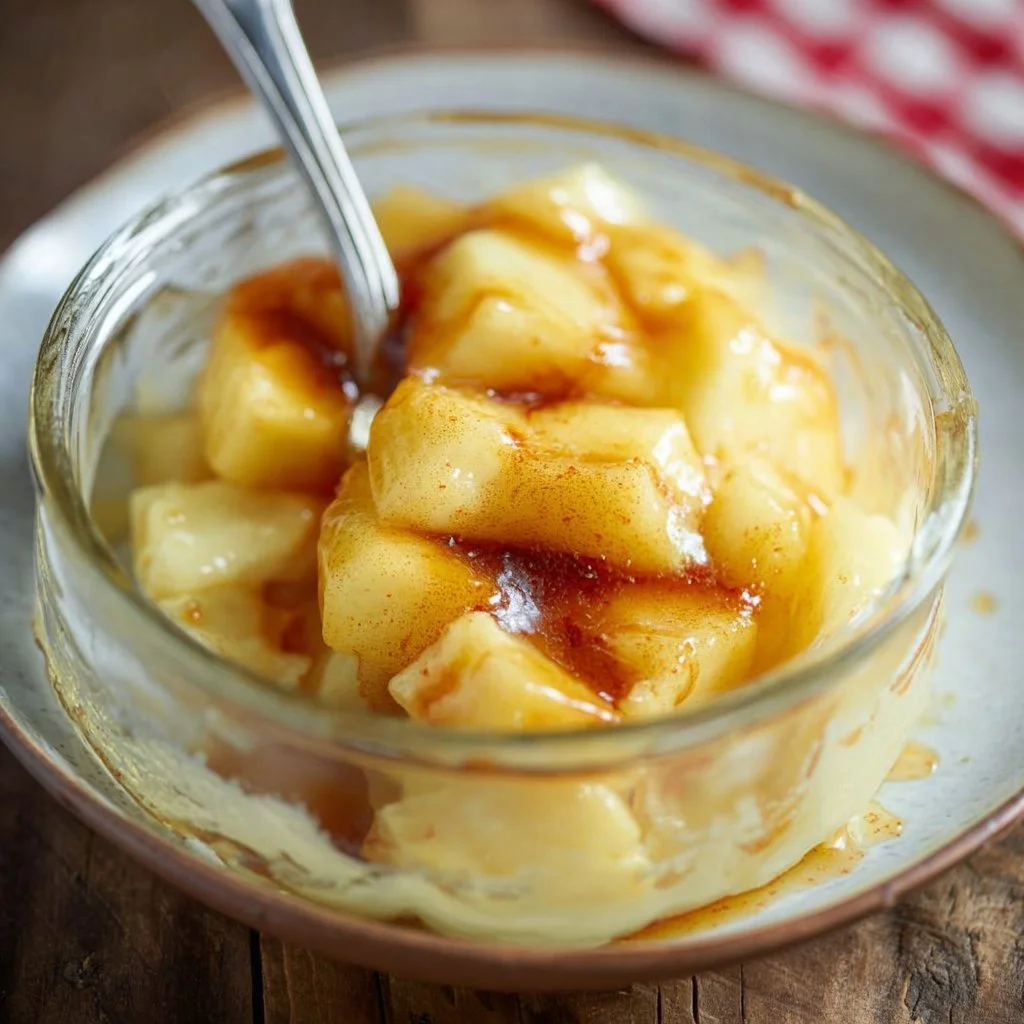
Fermented Apples are a cozy, seasonal delight that bring bright, tangy flavor and gentle fizz to your fall and winter kitchen. This easy-from-scratch project highlights the humble apple — peeled, chopped, and scented with cinnamon — transformed into a lively fermented treat with a crisp-tender texture and a pleasantly yeasty, tang-forward bite. Fermented Apples are worth trying because they capture orchard-fresh sweetness while adding probiotic depth and complexity without any fuss or special skills. Whether you love them as a snack, a topping, or a unique pantry staple, this approachable recipe celebrates apples’ natural sugars and aromatic spice in a warm, friendly way that’s perfect for home cooks who enjoy comforting seasonal preserves.
Ingredients & Equipment
Ingredients
- 3 1/2 cups peeled and chopped apples (approximately 3 large apples)
- 1 stick cinnamon (or 1 tablespoon ground)
- 1/2 – 1 teaspoon unrefined salt
- Juice from 1 large lemon
- 1-2 tablespoons starter culture* (optional)
- Water
Equipment
- Quart jar
- Fermentation weight** (optional)
- Fermentation lid (optional)
Notes
- *Starter culture can be whey from plain yogurt, a commercial vegetable starter, or 1–2 tablespoons of brine from a previous vegetable ferment. It speeds the process but isn’t required; wild fermentation will work too.
- **A fermentation weight keeps fruit submerged under the brine. If you don’t have a weight, a small clean jar filled with water or brine works well.
- Helpful tools: a small bowl, whisk, peeler, knife, cutting board, measuring spoons, a funnel (optional), and a thermometer if you like to monitor room temperature. A blender or food processor is useful if you want a puree variation later.
Step-by-Step Instructions (with tips)
Prepare the brine base.
- Add your starter culture (if using), unrefined salt, juice of 1 lemon, and 1/2 cup of water to a small bowl. Whisk well to combine. If using ground cinnamon instead of a stick of cinnamon, add it to the liquid mixture and whisk again.
Tip: Use filtered or distilled water to avoid chlorine that can slow fermentation. If your tap water is chlorinated, let it sit uncovered for a few hours or boil and cool it first.
- Add your starter culture (if using), unrefined salt, juice of 1 lemon, and 1/2 cup of water to a small bowl. Whisk well to combine. If using ground cinnamon instead of a stick of cinnamon, add it to the liquid mixture and whisk again.
Pack the apples.
- Pack your peeled and chopped apples into a clean quart jar, and add the cinnamon stick (if using). Pack gently but avoid crushing; a slightly snug fit works best to minimize air pockets.
Tip: Choose firm apples like Gala, Honeycrisp, or Fuji for better texture through fermentation.
- Pack your peeled and chopped apples into a clean quart jar, and add the cinnamon stick (if using). Pack gently but avoid crushing; a slightly snug fit works best to minimize air pockets.
Add the liquid.
- Pour the liquid mixture over the apples. Press gently so the liquid moves between the apple pieces.
Top up with water.
- Add in enough filtered water to completely cover the apples. The apples will float at first, but once the weight is in place they will stay below the surface of the brine.
Tip: Keep about 1 inch of headspace at the top of the jar to allow gases to expand during fermentation.
- Add in enough filtered water to completely cover the apples. The apples will float at first, but once the weight is in place they will stay below the surface of the brine.
Weigh down the apples.
- Add a fermentation weight** (or a 4 oz canning jar weighted with water or brine) and press down to keep the apples submerged. Submersion is the key to a clean, successful ferment.
Tip: Use non-reactive weights like glass or food-safe ceramic. Avoid metal touching the brine.
- Add a fermentation weight** (or a 4 oz canning jar weighted with water or brine) and press down to keep the apples submerged. Submersion is the key to a clean, successful ferment.
Seal the jar.
- Fit the jar with a pickle pipe, airlock fermentation lid, OR a screw-on lid. If using a regular lid, “burp” the jar once or twice daily to release gas and check the ferment.
Tip: If you prefer less hands-on time, an airlock lid lets gases escape automatically and keeps oxygen out.
- Fit the jar with a pickle pipe, airlock fermentation lid, OR a screw-on lid. If using a regular lid, “burp” the jar once or twice daily to release gas and check the ferment.
Ferment.
- Ferment for 2–5 days, or until bubbly and active. Fruit ferments fairly quickly, especially in warm kitchens, so keep a close eye. Your apples are ready when they are pleasantly tangy, slightly effervescent, and give off a mild yeasty aroma (not overly strong). Taste as you go.
Tip: Warmer temperatures speed fermentation; cooler temperatures slow it. Aim for a room temperature between 65–75°F (18–24°C) for steady, predictable results.
- Ferment for 2–5 days, or until bubbly and active. Fruit ferments fairly quickly, especially in warm kitchens, so keep a close eye. Your apples are ready when they are pleasantly tangy, slightly effervescent, and give off a mild yeasty aroma (not overly strong). Taste as you go.
Finish and refrigerate.
- Once your apples are fermented to your liking, remove the weight and add an airtight lid. Store in the fridge for 2 weeks or up to 2 months as long as there are no signs of spoilage. Enjoy!
Tip: Refrigeration slows fermentation so the flavor remains steady. If fizzy levels continue to rise in the fridge, simply open the jar occasionally to release pressure.
- Once your apples are fermented to your liking, remove the weight and add an airtight lid. Store in the fridge for 2 weeks or up to 2 months as long as there are no signs of spoilage. Enjoy!
Variations and kitchen tips
- Roasted vs. raw-start: For a deeper, caramelized flavor, roast the chopped apples at 375°F (190°C) for 15–20 minutes until tender and slightly golden. Let cool before packing and ferment as directed. Roasted apples yield a softer texture and richer sweetness.
- Boiling for softness: Briefly simmer apples for 2–3 minutes if you prefer a softer final texture. Drain and cool before packing into the jar.
- Spice tweaks: Add a few cloves, a slice of fresh ginger, a star anise, or a few cardamom pods for aromatic variation. Increase or reduce cinnamon to taste.
- Sweeter ferments: If you’d like a slightly sweeter finish, stir in 1–2 teaspoons of honey or date syrup at the end of fermentation before refrigerating. (Honey is optional and will feed microbes if stored at room temp; keep it chilled afterward.)
- Puree: After fermenting, puree some or all of the apples in a blender for a probiotic apple sauce you can use on toast, pancakes, or stirred into porridge.
Storage, Freezing & Make-Ahead Tips
Storing
- Refrigerator: Keep fermented apples in an airtight jar in the refrigerator. Properly fermented and chilled apples will be at their peak for about 2 weeks, and can remain good up to 2 months if they show no signs of spoilage (fuzzy mold, off smells, or slimy texture). Always use clean utensils to remove portions to prevent cross-contamination.
Freezing
- Freezing fermented fruit will halt microbial activity and change the texture. If you want to freeze for longer storage, transfer to freezer-safe containers or bags, leaving some headspace for expansion. Thawed fermented apples are best used in cooked dishes like compotes, baked desserts, or sauces rather than eaten as-is, since freezing softens their texture.
Make-ahead
- Make a batch ahead of a holiday gathering and refrigerate to develop flavor. If fermenting for a specific event, start a few days in advance and taste daily to find your preferred tang. Remember, warmer temperatures speed things up — start earlier when it’s cool, and watch closely when it’s warm.
Portioning
- Portion into small jars to gift or for single-serve snacking. Small jars also reduce repeated jar openings and keep the main batch fresher longer.
How to Use / Serve This Dish
Simple snack
- Serve chilled straight from the jar as a bright, probiotic-rich snack. Add a sprinkle of chopped toasted nuts for crunch.
Breakfast topper
- Spoon over yogurt, kefir, or milk-free alternatives on porridge or granola for a tangy-sweet contrast. Fermented Apples pair beautifully with warm cereals and comforting bowls.
Salad accent
- Thinly slice and add to leafy salads or grain bowls for a bright pop of flavor and an unexpected fermented note. They pair well with roasted root vegetables, toasted seeds, and a drizzle of olive oil.
Sandwiches & toasts
- Use as a condiment on savory sandwiches or grain-toasts — try with soft cheeses (or plant-based spreads), roasted vegetables, or grilled halloumi for a sweet-tangy boost.
Sauces & baking
- Stir into compotes, fold into muffin batters, or cook down briefly to make a dressed-down apple relish for savory mains or vegetarian dishes.
Creative ideas
- Mix into a warm spiced porridge, fold into a tart filling, or serve with warm crepes. Because the ferment is mildly effervescent, it brings a lively lift to rich, creamy elements.
Serving suggestions to keep it halal-friendly
- Pair with plain yogurt, labneh, cottage cheese (if vegetarian-friendly), nut butter, fresh cheese made with microbial rennet, roasted nuts, granola, or honey-drizzled ricotta. These combinations highlight the apples’ bright acidity without introducing any non-halal ingredients.
FAQ
Q: Can I skip the starter culture?
A: Yes. The starter is optional. Wild fermentation will occur on the apples’ surface because they carry natural yeasts. Using a starter (whey, commercial starter, or leftover brine from a previous ferment) speeds up the process and can produce more consistent results, but it’s not required.
Q: My apples floated — is that a problem?
A: Fruit often floats because of air pockets and natural buoyancy. That’s why we recommend using a fermentation weight to keep the pieces submerged under brine. If apples remain exposed, they risk discoloration or unwanted surface growth. Press and weigh them down and check daily.
Q: How do I know if the ferment is spoiled?
A: Signs of spoilage include fuzzy mold (white furry growth), an unpleasant rotten or putrid smell, or a slimy texture. A tangy, yeasty, slightly fizzy aroma is normal. If you see mold or very off smells, discard the jar and clean everything thoroughly before trying again.
Q: Can I use other fruits or mix-ins?
A: Absolutely. Pears, quince, or firm stone fruits can be fermented similarly. Be mindful that stone fruits have pits — remove them. Adjust spices and salt to taste. Each fruit has different sugar levels, so ferment times may vary.
Conclusion
Fermented Apples are an inviting, seasonal project that brings warmth and texture to your pantry — bright, tangy, subtly effervescent, and easy enough for weeknight experimenting. If you want inspiration or different techniques as you refine your batches, check this approachable tutorial on Homemade Fermented Apples – Taste of Artisan for another method and flavor ideas. For a straightforward, probiotic-rich version and helpful photos, this post on Easy Fermented Apples (Probiotic Rich) – Little Home in the Making is a lovely companion. And if you’re curious about regional twists on brined fruit, take a look at the creative Russian Brined Apples | Beets & Bones for inspiration. Give this recipe a try, make it your own, and share your favorite variations — I’d love to hear how your jars turn out!
Fermented Apples
Ingredients
Main Ingredients
- 3 ½ cups peeled and chopped apples (approximately 3 large apples) Choose firm apples like Gala, Honeycrisp, or Fuji.
- 1 stick cinnamon (or 1 tablespoon ground) Use ground cinnamon if preferred.
- ½ – 1 teaspoon unrefined salt Adjust to taste.
- 1 large lemon, juiced Fresh lemon juice is recommended.
- 1-2 tablespoons starter culture (optional) Can be whey from yogurt or brine from another ferment.
- to top up as needed water Use filtered or distilled to avoid chlorine.
Instructions
Prepare the brine base
- Add your starter culture (if using), unrefined salt, juice of 1 lemon, and 1/2 cup of water to a small bowl. Whisk well to combine.
- If using ground cinnamon, add it to the liquid mixture and whisk again.
Pack the apples
- Pack your peeled and chopped apples into a clean quart jar, and add the cinnamon stick (if using). Pack gently but avoid crushing.
Add the liquid
- Pour the liquid mixture over the apples. Press gently so the liquid moves between the apple pieces.
Top up with water
- Add in enough filtered water to completely cover the apples, keeping about 1 inch of headspace at the top of the jar.
Weigh down the apples
- Add a fermentation weight or a small clean jar filled with water or brine to keep the apples submerged.
Seal the jar
- Fit the jar with a pickle pipe, airlock fermentation lid, or a screw-on lid. If using a regular lid, 'burp' the jar once or twice daily to release gas.
Ferment
- Ferment for 2–5 days, or until bubbly and active, tasting as you go.
Finish and refrigerate
- Once apples are fermented to your liking, remove the weight and add an airtight lid. Store in the fridge.