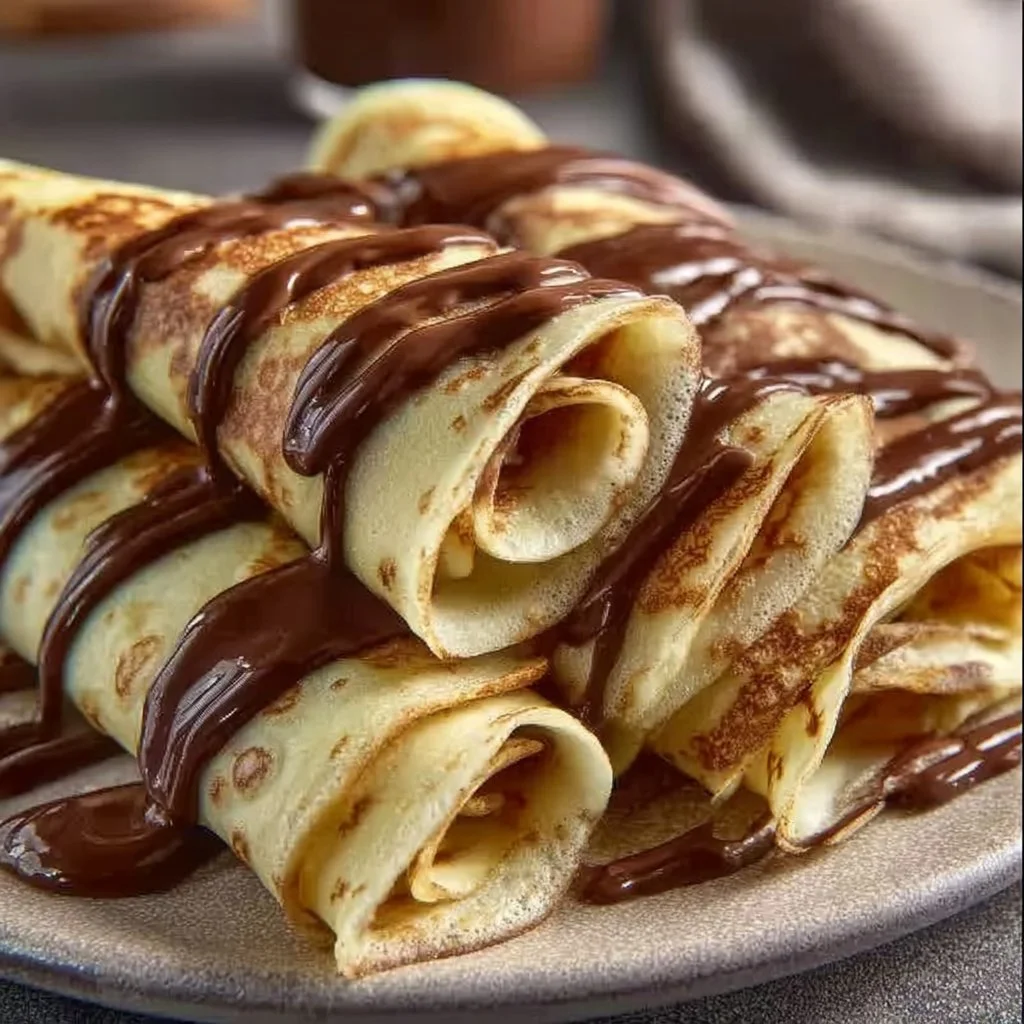
There’s something quietly magical about a stack of Basic Pancakes on a crisp morning: the warm steam, the buttery aroma, the way each forkful folds into syrupy goodness. This recipe is worth trying because it celebrates simple, seasonal ingredients—eggs, milk, flour, and butter—worked into a batter that’s forgiving, fast, and endlessly adaptable. Whether you’re welcoming cool autumn mornings with warm spices or savoring bright summer berries on top, these pancakes are a comforting blank canvas. If you love experimenting with textures, you might also enjoy lighter takes like these fluffy Japanese souffle pancakes as inspiration for extra-fluffy variations.
Ingredients & Equipment
Ingredients
- 3 eggs
- 500 ml milk
- 250 grams all-purpose flour
- 100 grams melted butter (cooled slightly)
- 1 packet vanilla sugar (optional)
Notes:
- Use whole milk for richness; semi-skimmed works fine too. For dairy-free, substitute with a plant milk (see FAQ for details).
- Vanilla sugar is optional—if you don’t have it, add 1 tsp vanilla extract or 1–2 tbsp of caster sugar to taste.
Equipment
- Large mixing bowl (or a blender for quick blending)
- Whisk (or fork)
- Ladle or measuring cup for portioning batter
- Non-stick skillet or griddle
- Spatula (thin metal or silicone)
- Measuring jug and scales
- Cooling rack or baking tray (useful to keep pancakes warm)
- Optional: thermometer for checking pan temperature (around 160–175°C observed on many stovetops), and an electric blender to create ultra-smooth batter
Helpful tools: A blender speeds up mixing and gives a very smooth batter; a baking tray and oven set to low heat (about 90°C / 200°F) are perfect for holding pancakes warm while you finish the batch. If you like crisp edges, a cast-iron skillet works wonderfully.
You might also be inspired by other pancake traditions; try a savory weekend option with these Korean vegetable pancakes for a different flavor profile.
Step-by-Step Instructions (with tips)
-
In a mixing bowl, whisk together the eggs and milk until well combined.
- Tip: Whisk briskly for about 30–45 seconds to ensure the eggs are fully incorporated and the batter will be uniform. If using a blender, pulse the eggs and milk first.
-
Gradually add the flour and mix until smooth.
- Tip: Sift the flour if you want extra-light pancakes; add it in two or three stages to avoid lumps. If lumps remain, let the batter rest 10–15 minutes to hydrate, then whisk again.
-
Stir in the melted butter and vanilla sugar if using.
- Tip: Make sure the melted butter has cooled slightly so it doesn’t cook the eggs on contact. The butter adds flavor and helps create a tender crumb.
-
Heat a non-stick skillet over medium heat.
- Tip: Test the heat by flicking a few drops of water into the pan—if they dance and evaporate, it’s ready. If you want perfectly even browning, preheat the skillet for 3–4 minutes and reduce to medium. For slight crispness, use a small knob of butter in the pan, swirled to coat.
-
Pour a ladle of batter onto the skillet, cooking until bubbles form on the surface.
- Tip: Use a 1/4- or 1/3-cup ladle for consistent pancake sizes. Bubbles forming and popping across the surface signal readiness to flip. For thinner pancakes, spread gently with the back of the ladle.
-
Flip and cook the other side until golden brown.
- Tip: Flip confidently once the first side is golden and the edges look set—don’t flip more than once. Cook the flipped side for 30–60 seconds until golden.
-
Repeat with the remaining batter, serving pancakes warm.
- Tip: Place cooked pancakes on a baking tray in a low oven (about 90–100°C / 200°F) to keep them warm while you finish. Stack gently with a light layer of butter between pancakes if you like them richer.
Variations and small technique notes:
- For extra-fluffy pancakes: separate the eggs and whisk the whites to soft peaks, then fold into the batter gently at the end.
- For a denser, crepe-like result: use slightly less flour or more milk to thin the batter.
- Add-ins: fresh blueberries, banana slices, or chocolate chips dropped into the batter on the pan make delightful variations. Fold in grated apple and a pinch of cinnamon for a seasonal touch.
- Roasting vs. boiling: While pancakes aren’t roasted or boiled in the traditional sense, consider roasting fruit toppings (like apples or pears with honey and spices) to add warm, seasonal complexity versus quick poached or boiled fruit compotes.
Storage, Freezing & Make-Ahead Tips
Storing leftovers
- Refrigerator: Cool pancakes completely on a wire rack to prevent sogginess, then stack with sheets of parchment between layers and store in an airtight container in the fridge for up to 3 days.
- Reheating: Reheat gently in a 180°C (350°F) oven for 8–10 minutes, or in a non-stick skillet over low heat for a minute per side. For a quick option, microwave a stack with a damp paper towel for 20–30 seconds.
Freezing
- Portion before freezing: Lay pancakes flat in a single layer on a baking tray and freeze until solid (about 1–2 hours). Transfer frozen pancakes into a zip-top bag or airtight container with parchment between layers to avoid sticking.
- Shelf life: Frozen pancakes will keep well for up to 2 months.
- Reheating from frozen: Reheat in a toaster, oven, or skillet. If using the oven, place on a baking tray at 160–175°C (325–350°F) for 8–12 minutes. For best texture, thaw in the fridge overnight before reheating.
Make-ahead batter
- Batter storage: This simple batter is best used fresh. If you must prepare ahead, keep batter in the fridge for up to 12 hours in an airtight container, then whisk lightly before cooking. Note: baking powder or leaveners would lose their lift over time; because this is a basic batter (without chemical leaveners listed), separation instead of over-rise is the main issue—stir well before cooking.
Portioning advice
- For family breakfasts, plan roughly 2–3 pancakes per adult and 1–2 per child, adjusting for appetite and whether you’re serving sides like fruit or eggs. If freezing, package in stacks of 4 or 6 for quick reheats.
How to Use / Serve This Dish
Sweet serving ideas
- Classic stack with butter and maple syrup for a timeless breakfast.
- Seasonal fruit: top with macerated berries in spring or roasted pears and cinnamon in autumn.
- Yogurt and compote: a dollop of Greek yogurt with warm berry compote balances richness with bright acidity.
- Nutty crunch: sprinkle chopped toasted nuts and a drizzle of honey for texture.
Savory variations
- Turn pancakes into a savory base by increasing salt slightly and omitting vanilla sugar; top with smoked salmon, crème fraîche, and dill, or serve with a fried egg and sautéed mushrooms.
- Sandwich-style pancakes: use pancakes as buns for breakfast sandwiches—add ham and cheese or a sweet-savory combo with bacon and maple butter.
Creative twists
- Pancake dessert stack: layer pancakes with mascarpone and lemon curd, finishing with a dusting of powdered sugar.
- Pancake tacos: fold smaller pancakes and fill with spiced pulled pork, slaw, and a drizzle of lime crema.
This basic batter is forgiving—experiment with mix-ins like orange zest, nutmeg, or even a tablespoon of cocoa powder for chocolate pancakes. If you enjoy exploring global flavors, you can compare textures and techniques with Spanish churro-inspired pancakes for a cinnamon-sugar twist on the classic.
FAQ
Q: Can I make these pancakes without eggs?
A: Yes. For egg-free pancakes, replace each egg with 1/4 cup (60 ml) of unsweetened applesauce or use a commercial egg replacer according to package instructions. Note that texture will be slightly different—less lift and a more cake-like crumb.
Q: How long will leftover pancakes last in the refrigerator?
A: Properly cooled and stored, pancakes will keep fresh for up to 3 days in the refrigerator. For longer storage, freeze them and use within 2 months.
Q: Can I swap milk for a non-dairy alternative?
A: Absolutely. Almond, soy, oat, or other plant milks work well as a 1:1 swap. Full-fat alternatives (like canned coconut milk diluted slightly) will yield richer pancakes; choose unsweetened versions if you want to control the sweetness.
Q: My pancakes are turning out flat or rubbery—what did I do wrong?
A: Over-mixing can make pancakes tough; mix just until the flour is incorporated. Cooking at too-high heat can brown the outside before the inside cooks—reduce the heat slightly. Also, let the skillet preheat properly so pancakes cook evenly.
Conclusion
There’s comfort in returning to the basics: a warm stack of Basic Pancakes made from pantry staples can feel seasonal with the simple addition of roasted apples in autumn, bright berries in summer, or a sprinkle of citrus zest in spring. These pancakes are forgiving, adaptable, and perfect for both weekday breakfasts and leisurely weekend mornings. If you want additional professional techniques for achieving lift and consistency, I recommend reading this detailed guide to the fluffiest pancakes from Serious Eats and comparing a tried-and-true classic with Allrecipes’ good old-fashioned pancakes for more variations. Try the recipe, play with toppings, and please share your favorite twist—I love seeing how simple recipes become personal traditions.
Basic Pancakes
Ingredients
Main Ingredients
- 3 pieces eggs
- 500 ml milk Use whole milk for richness; semi-skimmed works fine too. For dairy-free, substitute with a plant milk.
- 250 grams all-purpose flour Sift if you want extra-light pancakes.
- 100 grams melted butter Let it cool slightly to avoid cooking the eggs.
- 1 packet vanilla sugar Optional; you can substitute with 1 tsp vanilla extract or 1-2 tbsp caster sugar.
Instructions
Preparation
- In a mixing bowl, whisk together the eggs and milk until well combined.
- Gradually add the flour and mix until smooth. Let the batter rest if necessary.
- Stir in the melted butter and vanilla sugar if using.
Cooking
- Heat a non-stick skillet over medium heat. Test the heat before pouring the batter.
- Pour a ladle of batter onto the skillet, cooking until bubbles form on the surface.
- Flip and cook the other side until golden brown.
- Repeat with the remaining batter, keeping cooked pancakes warm in a low oven if necessary.