Privacy Policy

Contact Us

Privacy Policy

Contact Us

Pickled Carrot Salad With Fermented Shaved Carrots

Published March 25, 2026 By sarah

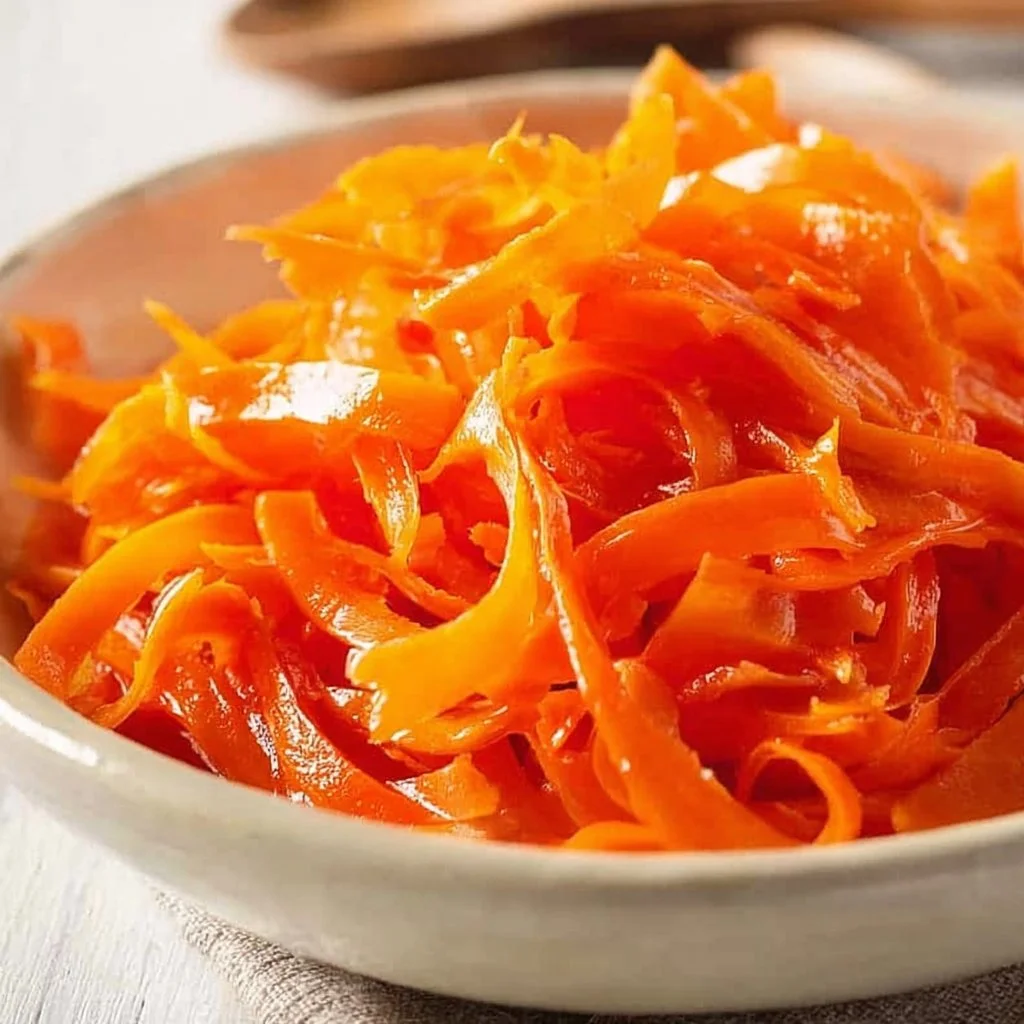
Fermented carrots showcased in a pickled carrot salad with shaved carrots

Fermented Carrots (Pickled Carrot Salad With Fermented Shaved Carrots) | Fermented Vegetables Recipes, Carrot Salad Recipes, Fermentation Recipes is a bright, crunchy, and tangy seasonal treat that’s easy to make at home. This recipe celebrates the humble carrot — its natural sweetness, satisfying crunch, and ability to carry flavors like fennel seed, garlic, and lemon peel — transforming it into a refreshing pickled carrot salad or a jar of shaved, probiotic-rich fermented carrots to enjoy all season. Whether you’re a fermentation novice or a home cook who loves comforting, from-scratch dishes, this recipe offers simple techniques, helpful tips, and tasty serving ideas to make the most of fresh carrots. For inspiration pairing this salad with other simple plates, I often reference a round-up of the best salad recipes to plan balanced meals.

Ingredients & Equipment

Ingredients (makes about 2–3 quart jars)

– 2 pounds carrots (about 8–10 medium carrots), scrubbed and peeled if desired
– 2–3 cloves garlic, thinly sliced (optional)
– 1–2 teaspoons whole coriander or fennel seeds (or a mix)
– 1 small hot pepper, sliced (optional, for gentle heat)
– 1–2 tablespoons fine sea salt or kosher salt (non-iodized), about 2%–3% salt by weight — see notes below
– 4 cups filtered water (or enough to cover jars)
– Zest of 1 lemon or 1–2 slices of lemon peel (optional, for brightness)
– Fresh herbs for jar layering or serving: dill, parsley, or cilantro (optional)

Notes:

  • If using a weight-based method, use roughly 18–25 g salt per 1,000 g of water + vegetables for a 2%–2.5% brine — a kitchen scale helps you be precise.
  • Keep ingredients halal and simple; no animal products or alcohol involved.

Essential Equipment

– Wide-mouth glass jars (mason jars) or fermentation crocks — quart jars work well
– A fermentation weight or a small clean jar or zip-top bag filled with brine to keep carrots submerged
– A non-reactive bowl for mixing brine (glass, stainless steel, or food-safe plastic)
– Measuring spoons and cups, or better: a digital kitchen scale
– Mandoline or sharp knife for shaving carrots (or a vegetable peeler for ribbons)
– Clean towel and rubber band (if using cloth lid) or an airlock lid for fermentation
– Optional: fermentation thermometer to check room temps if you want to be exact

Step-by-Step Instructions (with tips)

Method A — Shaved Carrots, Lacto-Fermentation (Crunchy, Bright)

  1. Prepare the carrots: Trim ends and either shave them into thin ribbons with a vegetable peeler or use a mandoline to create thin slices. Thin pieces ferment faster and stay pleasantly crisp.
    Tip: Thinner ribbons absorb brine and flavor quickly — a great choice if you want a 3–7 day ferment.

  2. Make the brine: Dissolve salt into filtered water (warm water helps dissolve salt but cool before pouring over carrots). For a simple guideline, start with about 1 tablespoon salt to 1 cup water for a quick surface brine; for weight-based fermentation, aim for 2%–2.5% salt concentration.
    Tip: Use non-iodized salt; iodized salt can sometimes cause discoloration or interfere with fermentation.

  3. Pack the jars: Add a few slices of garlic, a pinch of coriander or fennel seeds, and optional lemon peel to each jar. Pack the shaved carrots tightly, leaving about 1 inch (2.5 cm) of headspace at the top. Pour the brine over the carrots, ensuring they are fully submerged. Place a weight on top to keep carrots below the brine. Wipe rims clean and close with an airlock lid or a regular lid loosely tightened to let gas escape.
    Tip: Press down firmly to remove air pockets; bubbles rise during fermentation.

  4. Ferment: Store jars at room temperature, ideally 65–72°F (18–22°C), out of direct sunlight. Taste after 3 days; many prefer the texture and brightness at 3–7 days. Ferment longer (7–14 days) for a tangier flavor.
    Tip: Burp jars once daily if not using an airlock to release excess gas and prevent overflow.

  5. Refrigerate: Once you like the flavor, move jars to the refrigerator to slow fermentation. The carrots will continue to develop slowly in the cold but remain stable for weeks to months.

Method B — Pickled Carrot Salad (Quick Pickle With Fermentation Elements)

  1. Roast or blanch option: For a softer, deeper flavor, roast carrots lightly with a drizzle of oil and a sprinkle of salt at 400°F (200°C) for 15–20 minutes until just tender but not mushy. Alternatively, blanch carrot sticks in boiling water for 2–3 minutes and cool quickly in an ice bath. Roasted carrots add caramelized notes; blanched carrots keep more bright color.
    Tip: Roasting will reduce microbes on the surface, so for fermentation use the shaved/raw method. The roast/blanch route is for a quick pickled carrot salad (refrigerator pickles) that’s halal and delicious.

  2. Make a quick brine: Combine 1 cup water, 1 cup mild vinegar substitute (for halal-friendly acidity use distilled white vinegar or apple cider vinegar), 1 tablespoon sugar or honey, and 1–2 teaspoons salt. Heat until sugar and salt dissolve; cool slightly.
    Tip: This is a refrigerator pickling method — not a lacto-ferment — so it’s fast and reliable.

  3. Assemble: Place carrots and seasonings in jars, pour the cooled brine to cover, seal, and refrigerate. Let chill at least 12 hours before serving; best after 24–48 hours. Keeps well in the fridge for up to 2–3 weeks.

Flavor Variations & Tips

– Spice mix ideas: ginger + sesame seeds (Korean-style inspired), cumin + citrus zest, or turmeric + black pepper.
– Herb pairings: fresh dill or parsley for brightness; mint for a refreshing twist.
– Crunch: If your carrots lose crunch during fermentation, try shortening fermentation time or start with thicker-cut pieces. A brine with slightly higher salt can help retain crispness.
– Temperature matters: Cooler environments slow fermentation, producing a crisper texture; warmer kitchens will ferment faster and produce tangier results.

Storage, Freezing & Make-Ahead Tips

  • Refrigeration: After fermentation reaches your preferred tang, seal and refrigerate. Properly fermented carrots stored in clean, sealed jars will keep 1–3 months in the fridge; flavor slowly intensifies over time. Always use clean utensils to remove portions to avoid contamination.
  • Freezing: Freezing is possible but not ideal for texture or probiotic benefits — ice crystals will soften the carrots and freeze-thaw kills many live bacteria. If you want preserved flavor rather than live cultures, freeze drained carrots in airtight containers for up to 3 months; expect softer texture on thawing.
  • Make-ahead: Ferment a batch a week ahead for gatherings; many people find fermented carrots taste best after a week or two. Refrigerator-pickled carrots (quick pickles) can be made 1–2 days ahead and are great when you want speed.
  • Portioning: For easy serving, divide into smaller jars (1–2 cup sizes): open one jar and keep the rest sealed and cold to preserve the right balance of microbes and flavor.

How to Use / Serve This Dish

  • As a salad: Toss shaved fermented carrots with a drizzle of extra-virgin olive oil, a squeeze of lemon, chopped herbs, toasted seeds, and crumbled mild cheese (halal-friendly options like certain soft cheeses) for a lively side salad.
  • In bowls and sandwiches: Add a crunchy, tangy layer to grain bowls, wraps, or sandwiches — they pair beautifully with roasted vegetables, grilled chicken, or legume-based patties. For protein-based ideas, consider pairing with flavorful chicken recipes that actually taste amazing.
  • As a condiment: Use fermented carrots like you would relish or pickled onions: atop savory pancakes, next to fried plant-based cutlets, or alongside warm rice and lentil dishes.
  • Seasonal serving: In autumn and winter, serve alongside roasted root vegetables or a crisp apple and feta salad; the tang cuts through richness. See how I pair carrots with seasonal salads like this fall honeycrisp apple and feta salad.
  • Creative idea: Blend a portion into a quick carrot tahini dressing for drizzling over roasted cauliflower or grain bowls.

FAQ

1. Can I use table salt instead of sea salt? What about kosher salt?

Use non-iodized salts like sea salt or kosher salt. Many fermentation recipes avoid iodized table salt because iodine and anti-caking agents can sometimes affect fermentation or appearance. If you use kosher salt, note the crystals are larger so by volume measurements you may need a bit more or less — weighing salt is most accurate.

2. How long should I ferment carrots, and how will I know they’re ready?

Taste is the best guide: 3–7 days yields a mild tang and good crunch; 7–14 days gives more pronounced sourness. Fermentation slows in the fridge, so once you like the flavor, chill the jars. Look for pleasant sourness, some bubbles during active fermentation, and a fresh smell. Discard if you notice off smells, fuzzy mold on the surface, or colors that indicate spoilage rather than normal cloudiness.

3. My carrots turned soft — what went wrong and can I fix it?

Carrots can soften if fermented at high temperatures, fermented too long, or if they weren’t crisp to start. To prevent softness: ferment in a cooler spot, use slightly thicker cuts, and avoid over-fermentation. If they’re too soft but taste fine, use them in cooked dishes where texture is less critical (stews, sauces) or make a blended dressing.

4. Can I add other vegetables or mix carrots with beets or radishes?

Yes — carrots pair wonderfully with daikon radish, thinly sliced beets, thin onion rings, or cabbage for a quick slaw-style ferment. Different vegetables ferment at different speeds; mix similar densities (e.g., carrot + beet) or cut softer vegetables a bit thicker so textures align. For more vegetable fermentation ideas, these simple starters are helpful.

Conclusion

Fermented Carrots (Pickled Carrot Salad With Fermented Shaved Carrots) | Fermented Vegetables Recipes, Carrot Salad Recipes, Fermentation Recipes is a joyful, seasonal way to elevate everyday carrots into tangy, crunchy jars of goodness that keep throughout the season. Whether you shave carrots thin for a quick lacto-ferment, roast them briefly for a warm pickled salad, or mix carrots with other roots, the results are comforting, bright, and perfect for sharing with family and friends. If you’re looking for more beginner-friendly fermentation inspiration, check out Easy fermented vegetables – To Her Core for simple techniques and variations. For another take on a fermented carrot salad that complements this recipe, I recommend reading the Fermented Carrot Salad – Clean Food Living post. If you enjoy Korean-style carrot ferments and want to explore spicier, aromatic versions, this Lacto Fermented Korean Carrots | Beets & Bones recipe offers delightful ideas. Try a batch this week — then share your jars, photos, and favorite flavor twists with friends.
Fermented carrots showcased in a pickled carrot salad with shaved carrots

Fermented Carrots

A bright, crunchy, and tangy pickled carrot salad that transforms humble carrots into probiotic-rich goodness.
Prep Time 30 minutes
Total Time 30 minutes
Course Salad, Side Dish
Cuisine Preserved, Vegetarian
Servings 8 servings
Calories 50 kcal

Ingredients
  

Main Ingredients

  • 2 pounds carrots, scrubbed and peeled if desired About 8–10 medium carrots
  • 2–3 cloves garlic, thinly sliced Optional
  • 1–2 teaspoons whole coriander or fennel seeds Or a mix
  • 1 small hot pepper, sliced Optional, for gentle heat
  • 1–2 tablespoons fine sea salt or kosher salt Non-iodized, about 2%–3% salt by weight
  • 4 cups filtered water Or enough to cover jars
  • 1 zest of 1 lemon or 1–2 slices of lemon peel Optional, for brightness
  • Fresh herbs for jar layering or serving: dill, parsley, or cilantro Optional

Instructions
 

Preparation

  • Trim ends of the carrots and either shave them into thin ribbons with a vegetable peeler or use a mandoline to create thin slices.
  • Make the brine by dissolving salt into warm filtered water, then allow to cool.
  • Pack the jars: Add garlic, coriander or fennel, lemon peel, then pack the shaved carrots tightly, leaving about 1 inch of headspace.
  • Pour the cooled brine over the carrots ensuring they are fully submerged, and place a weight on top.
  • Ferment at room temperature for 3-7 days, tasting after each day for preferred tang.
  • Once fermented to taste, move jars to the refrigerator to slow fermentation.

Pickled Carrot Salad Option

  • For a softer flavor, roast carrots lightly at 400°F for 15–20 minutes or blanch them in boiling water for 2–3 minutes.
  • Make a quick brine by combining water, vinegar, sugar, and salt. Heat until dissolved and cool slightly.
  • Assemble by placing carrots in jars, pouring over the cooled brine to cover, and refrigerate.
Notes

Use non-iodized salts for clear fermentation. Refrigerated fermented carrots can last 1-3 months. Try adding spice mixes or fresh herbs for flavor variations.

Nutrition

Serving: 1gCalories: 50kcalCarbohydrates: 12gProtein: 1gSodium: 500mgFiber: 3gSugar: 4g
Keyword Carrot Salad Recipes, Fermentation Recipes, Fermented Carrots, healthy snacks, Pickled Carrot Salad
Tried this recipe?Let us know how it was!

Pickled Carrot Salad With Fermented Shaved Carrots

Published: March 25, 2026 By sarah

Fermented carrots showcased in a pickled carrot salad with shaved carrots

Fermented Carrots (Pickled Carrot Salad With Fermented Shaved Carrots) | Fermented Vegetables Recipes, Carrot Salad Recipes, Fermentation Recipes is a bright, crunchy, and tangy seasonal treat that’s easy to make at home. This recipe celebrates the humble carrot — its natural sweetness, satisfying crunch, and ability to carry flavors like fennel seed, garlic, and lemon peel — transforming it into a refreshing pickled carrot salad or a jar of shaved, probiotic-rich fermented carrots to enjoy all season. Whether you’re a fermentation novice or a home cook who loves comforting, from-scratch dishes, this recipe offers simple techniques, helpful tips, and tasty serving ideas to make the most of fresh carrots. For inspiration pairing this salad with other simple plates, I often reference a round-up of the best salad recipes to plan balanced meals.

Ingredients & Equipment

Ingredients (makes about 2–3 quart jars)

– 2 pounds carrots (about 8–10 medium carrots), scrubbed and peeled if desired
– 2–3 cloves garlic, thinly sliced (optional)
– 1–2 teaspoons whole coriander or fennel seeds (or a mix)
– 1 small hot pepper, sliced (optional, for gentle heat)
– 1–2 tablespoons fine sea salt or kosher salt (non-iodized), about 2%–3% salt by weight — see notes below
– 4 cups filtered water (or enough to cover jars)
– Zest of 1 lemon or 1–2 slices of lemon peel (optional, for brightness)
– Fresh herbs for jar layering or serving: dill, parsley, or cilantro (optional)

Notes:

  • If using a weight-based method, use roughly 18–25 g salt per 1,000 g of water + vegetables for a 2%–2.5% brine — a kitchen scale helps you be precise.
  • Keep ingredients halal and simple; no animal products or alcohol involved.

Essential Equipment

– Wide-mouth glass jars (mason jars) or fermentation crocks — quart jars work well
– A fermentation weight or a small clean jar or zip-top bag filled with brine to keep carrots submerged
– A non-reactive bowl for mixing brine (glass, stainless steel, or food-safe plastic)
– Measuring spoons and cups, or better: a digital kitchen scale
– Mandoline or sharp knife for shaving carrots (or a vegetable peeler for ribbons)
– Clean towel and rubber band (if using cloth lid) or an airlock lid for fermentation
– Optional: fermentation thermometer to check room temps if you want to be exact

Step-by-Step Instructions (with tips)

Method A — Shaved Carrots, Lacto-Fermentation (Crunchy, Bright)

  1. Prepare the carrots: Trim ends and either shave them into thin ribbons with a vegetable peeler or use a mandoline to create thin slices. Thin pieces ferment faster and stay pleasantly crisp.
    Tip: Thinner ribbons absorb brine and flavor quickly — a great choice if you want a 3–7 day ferment.

  2. Make the brine: Dissolve salt into filtered water (warm water helps dissolve salt but cool before pouring over carrots). For a simple guideline, start with about 1 tablespoon salt to 1 cup water for a quick surface brine; for weight-based fermentation, aim for 2%–2.5% salt concentration.
    Tip: Use non-iodized salt; iodized salt can sometimes cause discoloration or interfere with fermentation.

  3. Pack the jars: Add a few slices of garlic, a pinch of coriander or fennel seeds, and optional lemon peel to each jar. Pack the shaved carrots tightly, leaving about 1 inch (2.5 cm) of headspace at the top. Pour the brine over the carrots, ensuring they are fully submerged. Place a weight on top to keep carrots below the brine. Wipe rims clean and close with an airlock lid or a regular lid loosely tightened to let gas escape.
    Tip: Press down firmly to remove air pockets; bubbles rise during fermentation.

  4. Ferment: Store jars at room temperature, ideally 65–72°F (18–22°C), out of direct sunlight. Taste after 3 days; many prefer the texture and brightness at 3–7 days. Ferment longer (7–14 days) for a tangier flavor.
    Tip: Burp jars once daily if not using an airlock to release excess gas and prevent overflow.

  5. Refrigerate: Once you like the flavor, move jars to the refrigerator to slow fermentation. The carrots will continue to develop slowly in the cold but remain stable for weeks to months.

Method B — Pickled Carrot Salad (Quick Pickle With Fermentation Elements)

  1. Roast or blanch option: For a softer, deeper flavor, roast carrots lightly with a drizzle of oil and a sprinkle of salt at 400°F (200°C) for 15–20 minutes until just tender but not mushy. Alternatively, blanch carrot sticks in boiling water for 2–3 minutes and cool quickly in an ice bath. Roasted carrots add caramelized notes; blanched carrots keep more bright color.
    Tip: Roasting will reduce microbes on the surface, so for fermentation use the shaved/raw method. The roast/blanch route is for a quick pickled carrot salad (refrigerator pickles) that’s halal and delicious.

  2. Make a quick brine: Combine 1 cup water, 1 cup mild vinegar substitute (for halal-friendly acidity use distilled white vinegar or apple cider vinegar), 1 tablespoon sugar or honey, and 1–2 teaspoons salt. Heat until sugar and salt dissolve; cool slightly.
    Tip: This is a refrigerator pickling method — not a lacto-ferment — so it’s fast and reliable.

  3. Assemble: Place carrots and seasonings in jars, pour the cooled brine to cover, seal, and refrigerate. Let chill at least 12 hours before serving; best after 24–48 hours. Keeps well in the fridge for up to 2–3 weeks.

Flavor Variations & Tips

– Spice mix ideas: ginger + sesame seeds (Korean-style inspired), cumin + citrus zest, or turmeric + black pepper.
– Herb pairings: fresh dill or parsley for brightness; mint for a refreshing twist.
– Crunch: If your carrots lose crunch during fermentation, try shortening fermentation time or start with thicker-cut pieces. A brine with slightly higher salt can help retain crispness.
– Temperature matters: Cooler environments slow fermentation, producing a crisper texture; warmer kitchens will ferment faster and produce tangier results.

Storage, Freezing & Make-Ahead Tips

  • Refrigeration: After fermentation reaches your preferred tang, seal and refrigerate. Properly fermented carrots stored in clean, sealed jars will keep 1–3 months in the fridge; flavor slowly intensifies over time. Always use clean utensils to remove portions to avoid contamination.
  • Freezing: Freezing is possible but not ideal for texture or probiotic benefits — ice crystals will soften the carrots and freeze-thaw kills many live bacteria. If you want preserved flavor rather than live cultures, freeze drained carrots in airtight containers for up to 3 months; expect softer texture on thawing.
  • Make-ahead: Ferment a batch a week ahead for gatherings; many people find fermented carrots taste best after a week or two. Refrigerator-pickled carrots (quick pickles) can be made 1–2 days ahead and are great when you want speed.
  • Portioning: For easy serving, divide into smaller jars (1–2 cup sizes): open one jar and keep the rest sealed and cold to preserve the right balance of microbes and flavor.

How to Use / Serve This Dish

  • As a salad: Toss shaved fermented carrots with a drizzle of extra-virgin olive oil, a squeeze of lemon, chopped herbs, toasted seeds, and crumbled mild cheese (halal-friendly options like certain soft cheeses) for a lively side salad.
  • In bowls and sandwiches: Add a crunchy, tangy layer to grain bowls, wraps, or sandwiches — they pair beautifully with roasted vegetables, grilled chicken, or legume-based patties. For protein-based ideas, consider pairing with flavorful chicken recipes that actually taste amazing.
  • As a condiment: Use fermented carrots like you would relish or pickled onions: atop savory pancakes, next to fried plant-based cutlets, or alongside warm rice and lentil dishes.
  • Seasonal serving: In autumn and winter, serve alongside roasted root vegetables or a crisp apple and feta salad; the tang cuts through richness. See how I pair carrots with seasonal salads like this fall honeycrisp apple and feta salad.
  • Creative idea: Blend a portion into a quick carrot tahini dressing for drizzling over roasted cauliflower or grain bowls.

FAQ

1. Can I use table salt instead of sea salt? What about kosher salt?

Use non-iodized salts like sea salt or kosher salt. Many fermentation recipes avoid iodized table salt because iodine and anti-caking agents can sometimes affect fermentation or appearance. If you use kosher salt, note the crystals are larger so by volume measurements you may need a bit more or less — weighing salt is most accurate.

2. How long should I ferment carrots, and how will I know they’re ready?

Taste is the best guide: 3–7 days yields a mild tang and good crunch; 7–14 days gives more pronounced sourness. Fermentation slows in the fridge, so once you like the flavor, chill the jars. Look for pleasant sourness, some bubbles during active fermentation, and a fresh smell. Discard if you notice off smells, fuzzy mold on the surface, or colors that indicate spoilage rather than normal cloudiness.

3. My carrots turned soft — what went wrong and can I fix it?

Carrots can soften if fermented at high temperatures, fermented too long, or if they weren’t crisp to start. To prevent softness: ferment in a cooler spot, use slightly thicker cuts, and avoid over-fermentation. If they’re too soft but taste fine, use them in cooked dishes where texture is less critical (stews, sauces) or make a blended dressing.

4. Can I add other vegetables or mix carrots with beets or radishes?

Yes — carrots pair wonderfully with daikon radish, thinly sliced beets, thin onion rings, or cabbage for a quick slaw-style ferment. Different vegetables ferment at different speeds; mix similar densities (e.g., carrot + beet) or cut softer vegetables a bit thicker so textures align. For more vegetable fermentation ideas, these simple starters are helpful.

Conclusion

Fermented Carrots (Pickled Carrot Salad With Fermented Shaved Carrots) | Fermented Vegetables Recipes, Carrot Salad Recipes, Fermentation Recipes is a joyful, seasonal way to elevate everyday carrots into tangy, crunchy jars of goodness that keep throughout the season. Whether you shave carrots thin for a quick lacto-ferment, roast them briefly for a warm pickled salad, or mix carrots with other roots, the results are comforting, bright, and perfect for sharing with family and friends. If you’re looking for more beginner-friendly fermentation inspiration, check out Easy fermented vegetables – To Her Core for simple techniques and variations. For another take on a fermented carrot salad that complements this recipe, I recommend reading the Fermented Carrot Salad – Clean Food Living post. If you enjoy Korean-style carrot ferments and want to explore spicier, aromatic versions, this Lacto Fermented Korean Carrots | Beets & Bones recipe offers delightful ideas. Try a batch this week — then share your jars, photos, and favorite flavor twists with friends.

Fermented carrots showcased in a pickled carrot salad with shaved carrots

Fermented Carrots

A bright, crunchy, and tangy pickled carrot salad that transforms humble carrots into probiotic-rich goodness.
Prep Time 30 minutes
Total Time 30 minutes
Course Salad, Side Dish
Cuisine Preserved, Vegetarian
Servings 8 servings
Calories 50 kcal

Ingredients
  

Main Ingredients

  • 2 pounds carrots, scrubbed and peeled if desired About 8–10 medium carrots
  • 2–3 cloves garlic, thinly sliced Optional
  • 1–2 teaspoons whole coriander or fennel seeds Or a mix
  • 1 small hot pepper, sliced Optional, for gentle heat
  • 1–2 tablespoons fine sea salt or kosher salt Non-iodized, about 2%–3% salt by weight
  • 4 cups filtered water Or enough to cover jars
  • 1 zest of 1 lemon or 1–2 slices of lemon peel Optional, for brightness
  • Fresh herbs for jar layering or serving: dill, parsley, or cilantro Optional

Instructions
 

Preparation

  • Trim ends of the carrots and either shave them into thin ribbons with a vegetable peeler or use a mandoline to create thin slices.
  • Make the brine by dissolving salt into warm filtered water, then allow to cool.
  • Pack the jars: Add garlic, coriander or fennel, lemon peel, then pack the shaved carrots tightly, leaving about 1 inch of headspace.
  • Pour the cooled brine over the carrots ensuring they are fully submerged, and place a weight on top.
  • Ferment at room temperature for 3-7 days, tasting after each day for preferred tang.
  • Once fermented to taste, move jars to the refrigerator to slow fermentation.

Pickled Carrot Salad Option

  • For a softer flavor, roast carrots lightly at 400°F for 15–20 minutes or blanch them in boiling water for 2–3 minutes.
  • Make a quick brine by combining water, vinegar, sugar, and salt. Heat until dissolved and cool slightly.
  • Assemble by placing carrots in jars, pouring over the cooled brine to cover, and refrigerate.

Notes

Use non-iodized salts for clear fermentation. Refrigerated fermented carrots can last 1-3 months. Try adding spice mixes or fresh herbs for flavor variations.

Nutrition

Serving: 1gCalories: 50kcalCarbohydrates: 12gProtein: 1gSodium: 500mgFiber: 3gSugar: 4g
Keyword Carrot Salad Recipes, Fermentation Recipes, Fermented Carrots, healthy snacks, Pickled Carrot Salad
Tried this recipe?Let us know how it was!

Leave a Comment

Recipe Rating