Privacy Policy

Contact Us

Privacy Policy

Contact Us

Fermented Foods for Gut Health: Benefits, Traditions, Recipes

Published March 21, 2026 By Carol bonaparte

Fermented foods like kimchi and yogurt promote gut health and digestion.

Fermented Foods for Gut Health: Benefits, Traditions, Recipes

Fermented Foods for Gut Health: Benefits, Traditions, Recipes — if you love cozy kitchen projects that reward you with tangy, savory, and nourishing results, this is for you. Fermentation turns seasonal vegetables and dairy into probiotic-rich staples that brighten meals and support digestion. Whether you’ll be working with crisp cabbage, root vegetables, or plain yogurt cultures, expect a satisfying texture from crunchy to creamy and a layered flavor profile that ranges from mildly tangy to richly umami. I’ll walk you through simple, halal-friendly recipes and traditions, plus tips on salt, timing, and seasonal ingredients — and if you’re curious about salt choices, check this note on Japanese pink salt benefits that many home fermenters find helpful.

Why Fermented Foods Matter for Gut Health

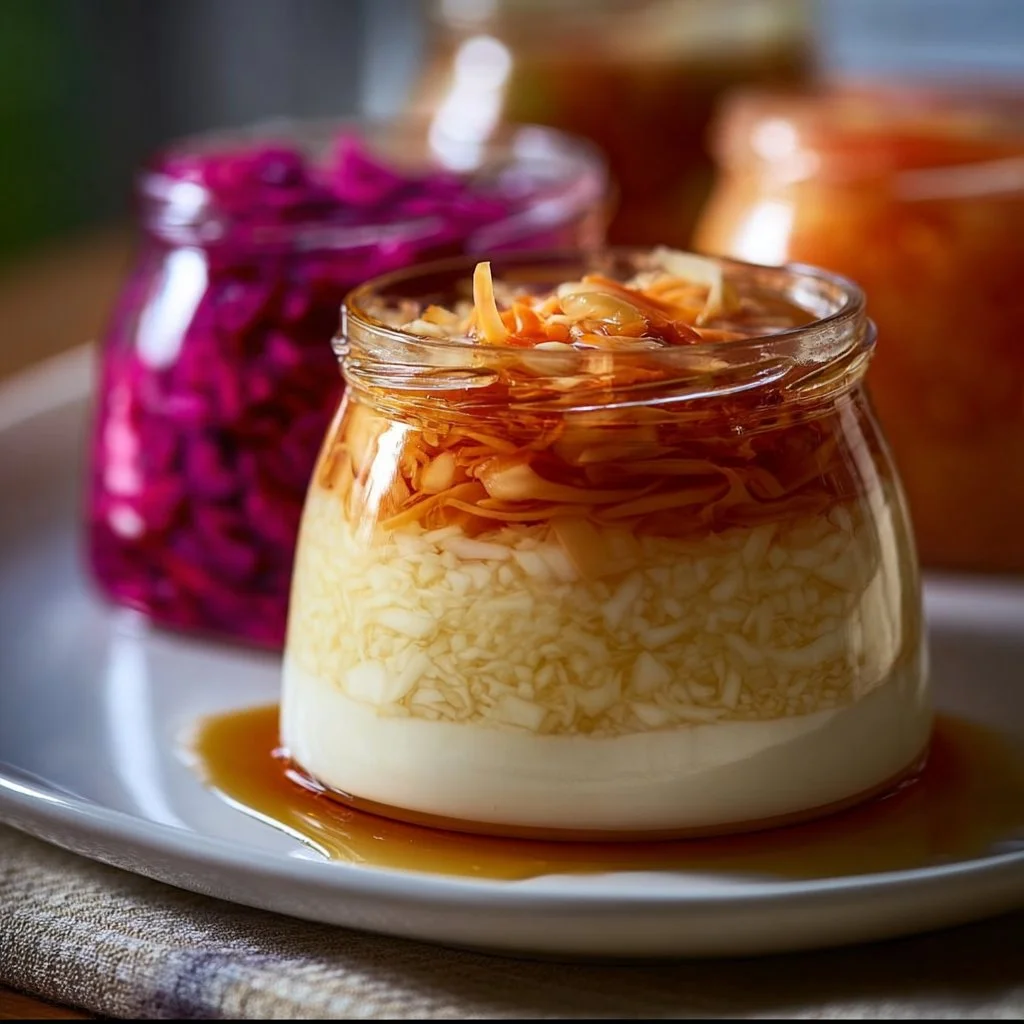
Fermentation is an ancient, low-energy preservation method that creates beneficial bacteria, improves nutrient availability, and adds long-lasting flavor. Lactic acid fermentation — the kind used for sauerkraut, kimchi, and lacto-fermented pickles — encourages beneficial microbes that can support gut balance. Fermented yogurt and kefir-style drinks (made without added sweeteners) add live dairy cultures that may ease digestion for some people. Making your own fermented foods at home means you control the ingredients: fresh produce, halal-friendly seasonings, and no additives you don’t want.

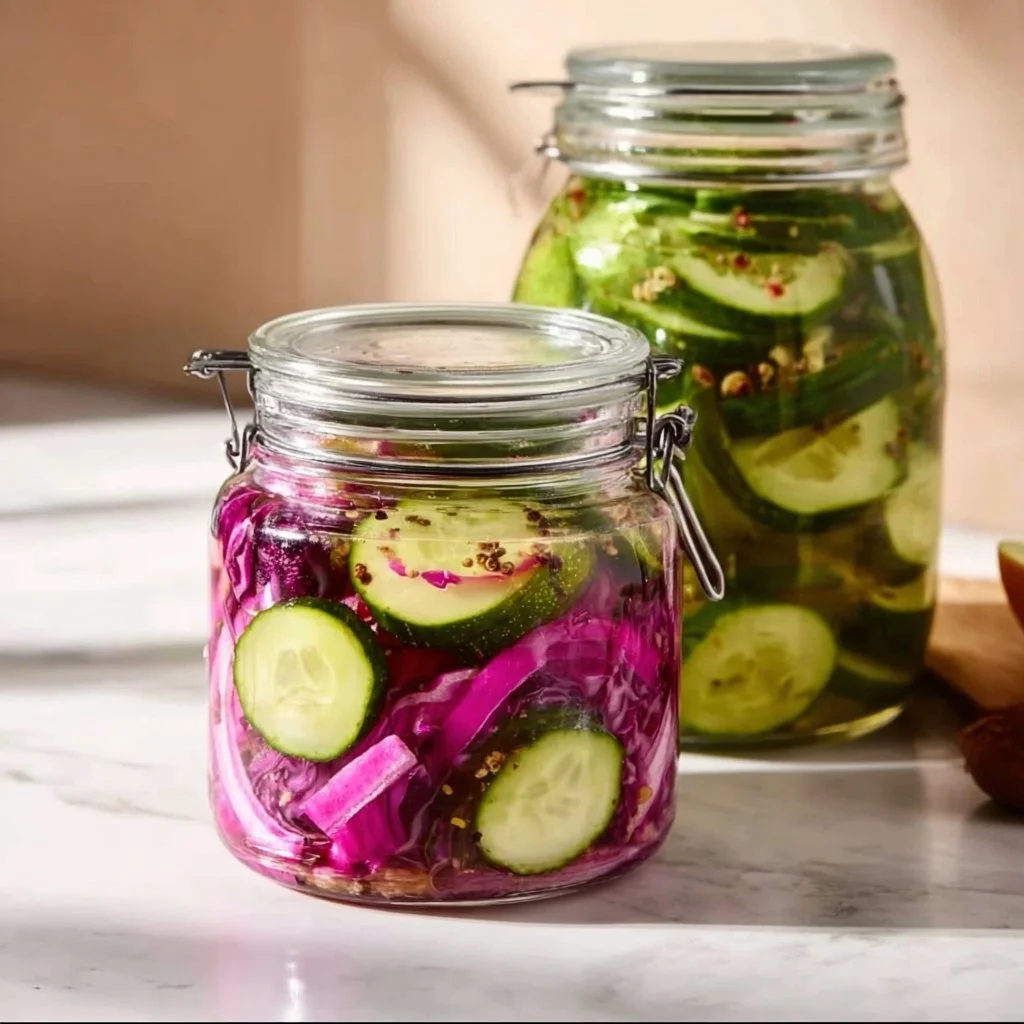
Seasonally, fermenting is perfect for autumn and winter when brassicas and root vegetables are abundant. In spring and summer, quick fridge pickles using cucumbers and green beans bring brightness to the table.

Ingredients & Equipment

Below are ingredients and equipment for three approachable, seasonal ferments: Classic Sauerkraut, Quick Red Cabbage Kimchi, and Lacto-Fermented Carrot Sticks. Quantities are for small-batch, family-friendly yields.

Ingredients (general notes)

  • Fresh cabbage (green or red), about 1–2 medium heads
  • Kosher salt or sea salt (non-iodized) — about 1.5–2% of vegetable weight
  • Carrots, peeled and cut into sticks
  • Daikon radish or turnip (optional for kimchi)
  • Spring onions or scallions
  • Fresh garlic and ginger (for kimchi)
  • Crushed red pepper flakes (optional and halal-friendly; adjust for heat)
  • Whole spices (mustard seeds, coriander seeds, caraway) for variety
  • Plain, unsweetened yogurt with live cultures (for simple cultured yogurt)
  • Filtered or boiled-and-cooled water (if brining)

Equipment

  • Large mixing bowl
  • Sharp knife or mandoline for even slicing
  • Cutting board
  • Kitchen scale (helpful for accurate salt ratios)
  • Fermentation crock or wide-mouth glass jars (Mason jars)
  • Small jar or fermentation weight to keep vegetables submerged
  • Clean cloth or breathable lid for room-temperature fermentation, or an airlock lid if preferred
  • Blender (optional for paste-style kimchi paste)
  • Funnel (useful for packing jars)
  • Thermometer (helpful for making yogurt)

Brief notes:

  • Use non-iodized salt; iodine can sometimes slow down fermentation.
  • A kitchen scale makes the 1.5–2% salt rule easy: weigh vegetables, multiply by 0.015–0.02 to get grams of salt.
  • Fermentation weights and airlock lids reduce the chance of surface mold and make the process more foolproof.

Step-by-Step Instructions (with tips)

Use the directions below as a base for each ferment. Adjust flavors and heat to taste.

H3: Classic Sauerkraut (Crunchy, tangy, seasonal)

  1. Prepare the cabbage: Remove outer leaves and core the cabbage. Thinly slice the cabbage into ribbons.
  2. Weigh and salt: Weigh the sliced cabbage and calculate 1.5–2% salt of the vegetable weight. Sprinkle the salt over the cabbage.
  3. Massage: In a large bowl, massage the cabbage with clean hands for 5–10 minutes until it releases liquid and becomes limp. Tip: wear gloves if you’re sensitive to salt or prolonged handling.
  4. Pack into jar: Pack the cabbage tightly into a wide-mouth jar, pressing down so the liquid rises and covers the cabbage. Leave about 1–2 inches of headspace.
  5. Add weight and cover: Place a small fermentation weight or a clean, smaller jar on top to keep cabbage submerged. Cover with a breathable cloth or an airlock lid.
  6. Ferment: Leave at room temperature (about 65–72°F / 18–22°C) for 5–14 days. Taste start at day 5; ferment longer for tangier flavor. Tip: warmer temperatures speed fermentation; cooler slows it.
  7. Store: Once desired tang, seal with a tight lid and move to the refrigerator. Sauerkraut continues to mellow in flavor as it chills.

Variations:

  • Add caraway seeds for an Eastern European twist.
  • Mix shredded apples for a slightly sweet contrast.
  • Roast some sliced cabbage before fermenting for a different texture (note: roasting may reduce natural water content, so adjust brine).

H3: Quick Red Cabbage Kimchi (A mild, seasonal kimchi-style ferment)

  1. Salt the cabbage: Slice red cabbage and sprinkle with salt; let sit 30–60 minutes. Rinse lightly if very salty and drain.
  2. Make the paste: Mince 2–3 cloves garlic and a thumb-sized knob of ginger. Mix with a tablespoon of fish-free umami (use mashed ripe pear or a spoon of miso for depth), a pinch of red pepper flakes, and a splash of filtered water to create a paste. (Miso is halal-friendly when it contains no alcohol or non-halal additives — choose a simple paste.)
  3. Mix vegetables: Combine cabbage with matchstick carrots, sliced scallion, and the seasoning paste. Massage so paste coats vegetables.
  4. Pack and weight: Pack into jar, press down, add weight to keep submerged, and leave headspace.
  5. Ferment: Let sit at room temperature for 2–5 days for quick kimchi, tasting daily. Move to refrigerator when you like the balance.

Tips:

  • For an even milder version, skip red pepper flakes and increase garlic for savory notes.
  • Use a blender to make an ultra-smooth paste if preferred.

H3: Lacto-Fermented Carrot Sticks (Crisp, tart snack)

  1. Prepare carrots: Peel and cut carrots into sticks that fit your jars.
  2. Make brine: Dissolve 1 tablespoon salt per 2 cups (500 ml) water. Use cooled, boiled water or filtered water.
  3. Add flavor: Add a few garlic cloves, a teaspoon of mustard seeds, and a bay leaf to each jar.
  4. Pack and pour: Pack carrots tightly, pour brine to cover, leaving 1 inch headspace. Weigh them down.
  5. Ferment: Leave at room temperature 3–7 days; move to the refrigerator once you like the tang. Tip: crunch is better if carrots are chilled before serving.

H3: Simple Homemade Yogurt (creamy, probiotic-rich)

  1. Heat milk: Slowly heat 1 liter of halal milk to 180°F (82°C) to change protein structure; hold 2 minutes. Cool to 110°F (43°C).
  2. Inoculate: Stir in 2 tablespoons plain yogurt with live cultures (as a starter) into the cooled milk.
  3. Incubate: Keep at around 110°F (43°C) for 4–8 hours until thickened. A warm oven with the light on, a yogurt maker, or an insulated cooler works.
  4. Chill: Move to the refrigerator to set fully. Use within 1–2 weeks.

Tip: For thicker Greek-style yogurt, strain through a cloth to remove whey.

Storage, Freezing & Make-Ahead Tips

  • Refrigeration: Once fermented to your liking, always refrigerate. Most fermented vegetables will keep 2–6 months in the fridge, gradual softening occurs over time but flavor remains.
  • Freezing: Freezing is possible but changes texture. Soft or pureed ferments (like blended beet relish) freeze better than crunchy items. If you must freeze, pack in airtight freezer-safe containers and expect some loss of crunch — thaw in fridge before using.
  • Portioning: Divide into small jars so you open one at a time. This keeps the rest sealed and slows flavor change.
  • Make-ahead: Many ferments improve with time. Sauerkraut and kimchi often taste best after at least 2 weeks chilled, but everyone’s palate differs. Yogurt can be made ahead and used for 7–10 days.
  • Safety tips: Always keep vegetables submerged to avoid mold. If you see fuzzy mold (rare with proper technique), discard that batch. Clear brine swirl and tangy aroma are signs of healthy fermentation.

How to Use / Serve These Dishes

Fermented foods are versatile and add brightness to many meals.

Serving ideas:

  • Use sauerkraut as a tangy side with roasted halal sausages (chicken or beef-based) or on warm sandwiches with ample pickles.
  • Add kimchi to bowls of steamed rice, grilled vegetables, or folded into omelettes to add spice and umami.
  • Serve pickled carrot sticks as crunchy snacks with dips, or alongside a mezze platter with hummus and olives.
  • Top grilled fish, roasted root vegetables, or simple noodle bowls with a spoonful of fermented vegetables for contrast.
  • Stir a spoonful of plain yogurt into soups at the end of cooking for creaminess (avoid boiling cultured yogurt to preserve probiotics).

Pairing note: Fermented condiments are brilliant with warming soups and stews; try a spoonful of sauerkraut with a hearty lentil soup or vegetable stew to brighten the bowl. For inspiration on cozy soups that pair wonderfully with fermented sides, see these hearty soup recipes and cozy comfort meals.

Creative variations:

  • Mix chopped fermented vegetables into deviled egg fillings for a tangy bite — a fun appetizer twist when you need small plates. Find creative ideas in this guide to deviled egg recipes for every occasion.
  • Blend sauerkraut into savory pancakes or fritters for moisture and flavor.
  • Use small amounts of kimchi as a condiment for wraps and grain bowls.

FAQ

Q: Is it safe to ferment at home?
A: Yes, with basic hygiene and the right salt-to-vegetable ratios, fermentation is generally safe. Keep produce submerged, use clean jars and utensils, and discard batches with off smells or visible mold. Typical lactic ferments have a pleasantly sour aroma and can be tasted as they develop.

Q: What if my ferment tastes too salty or too sour?
A: Too salty: rinse lightly before serving and serve in small portions with milder foods. Too sour: dilute with fresh shredded vegetables or shorten future fermentation times; ferment at a cooler temperature next time. Salt percentage and temperature are your main levers.

Q: Can I substitute salt types or starter cultures?
A: Use non-iodized salt (sea salt or kosher salt) for reliable results. For starters, plain yogurt can inoculate dairy; for vegetables, wild fermentation often works if there are no strong antimicrobial washes on produce. If you prefer a consistent result, use a small amount of brine from a successful previous batch as a starter (also known as “backslopping”).

Q: How long do these ferments last in the fridge?
A: Refrigerated sauerkraut and kimchi typically stay palatable for 2–6 months, gradually softening. Pickled carrots are good for 1–3 months. Yogurt is best consumed within 1–2 weeks. Always trust smell and appearance; when in doubt, discard.

Conclusion

Fermented foods connect us to tradition, seasonality, and the comforting ritual of making something nourishing from simple ingredients. Whether you try a crisp sauerkraut, a fragrant cabbage kimchi variation, or tangy lacto-fermented carrots, the process invites creativity and patience — and rewards your family with bright flavors and gut-friendly benefits. For a practical starter, explore a tried-and-true recipe like the Simple Kimchi Recipe: Fermentation for Gut Health to see how accessible these techniques can be. For more reading on the science and health conversation around fermentation, this BBC overview of fermented food and gut health is a helpful primer. If you want a broader look at traditional fermented foods from many cultures, consult this scholarly review on traditional fermented foods and beverages around the world. Try one small jar this season, and if you enjoy it, share your results — fermented food is the kind of comfort that grows when shared.
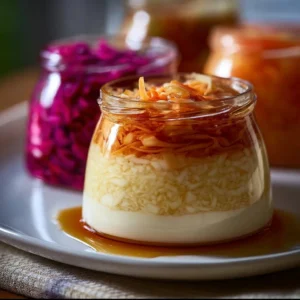
Fermented foods like kimchi and yogurt promote gut health and digestion.

Fermented Foods

Explore easy, seasonal recipes for fermented foods that boost gut health, including Classic Sauerkraut, Quick Red Cabbage Kimchi, Lacto-Fermented Carrot Sticks, and Simple Homemade Yogurt.
Prep Time 10 minutes
Total Time 1 day
Course Condiment, Side Dish, Snack
Cuisine German, Korean, Middle Eastern
Servings 8 servings
Calories 50 kcal

Ingredients
  

Classic Sauerkraut

  • 1-2 heads Fresh cabbage (green or red) About 1–2 medium heads.
  • 1.5-2 % Kosher salt or sea salt (non-iodized) About 1.5–2% of vegetable weight.

Quick Red Cabbage Kimchi

  • 1 head Red cabbage Sliced.
  • 2-3 cloves Garlic Mince.
  • 1 thumb-sized knob Ginger Mince.
  • 1 tablespoon Fish-free umami Use mashed ripe pear or miso.
  • 1 pinch Red pepper flakes Optional, adjust for heat.
  • 1 splash Filtered water To create a paste.
  • 1 bunch Spring onions or scallions Sliced.
  • 1 cup Matchstick carrots For mixing.

Lacto-Fermented Carrot Sticks

  • 2 cups Carrots Peeled and cut into sticks.
  • 1 tablespoon Salt For brine.
  • 2 cups Water Use cooled boiled water or filtered water.
  • 1 teaspoon Mustard seeds For flavor.
  • 3-5 cloves Garlic To add flavor.

Simple Homemade Yogurt

  • 1 liter Halal milk Heated to 180°F (82°C).
  • 2 tablespoons Plain yogurt with live cultures Stir into cooled milk for inoculation.

Instructions
 

Classic Sauerkraut Instructions

  • Remove outer leaves and core the cabbage, and slice it thinly into ribbons.
  • Weigh the sliced cabbage and calculate 1.5–2% salt of the vegetable weight. Sprinkle the salt over the cabbage.
  • Massage the cabbage with clean hands for 5–10 minutes until it releases liquid and becomes limp.
  • Pack the cabbage tightly into a jar, pressing down so the liquid rises and covers it. Leave about 1–2 inches of headspace.
  • Place a fermentation weight or small jar on top to keep cabbage submerged, then cover.
  • Leave at room temperature for 5–14 days, tasting starting at day 5.
  • Once desired tang, seal with a lid and refrigerate.

Quick Red Cabbage Kimchi Instructions

  • Slice red cabbage and sprinkle with salt; let sit for 30–60 minutes.
  • Rinse lightly if too salty and drain.
  • Create a paste with minced garlic, ginger, fish-free umami, red pepper flakes, and filtered water.
  • Combine the cabbage with matchstick carrots, scallions, and the seasoning paste, massaging to coat the vegetables.
  • Pack into a jar, press down, and add weight; leave headspace.
  • Let sit at room temperature for 2–5 days, tasting daily, and move to refrigerator when ready.

Lacto-Fermented Carrot Sticks Instructions

  • Peel and cut carrots into sticks.
  • Dissolve salt in water to create the brine.
  • Add garlic, mustard seeds, and bay leaf to each jar.
  • Pack carrots tightly, pour brine to cover with 1 inch of headspace.
  • Leave at room temperature for 3–7 days, refrigerate once desired tang is achieved.

Simple Homemade Yogurt Instructions

  • Heat milk to 180°F to change protein structure, then cool to 110°F.
  • Stir in yogurt as a starter into the cooled milk.
  • Keep at 110°F for 4–8 hours until thickened.
  • Move to refrigerator to set fully and use within 1–2 weeks.

Notes

Always use non-iodized salt. Keep vegetables submerged to avoid mold. Fermentation improves with time, most ferments mature in flavor as they chill.

Nutrition

Serving: 1gCalories: 50kcalCarbohydrates: 10gProtein: 2gFat: 1gSodium: 300mgFiber: 2gSugar: 1g
Keyword Fermented Foods, Gut Health, Kimchi, Sauerkraut, Yogurt
Tried this recipe?Let us know how it was!

Fermented Foods for Gut Health: Benefits, Traditions, Recipes

Published: March 21, 2026 By Carol bonaparte

Fermented foods like kimchi and yogurt promote gut health and digestion.

Fermented Foods for Gut Health: Benefits, Traditions, Recipes

Fermented Foods for Gut Health: Benefits, Traditions, Recipes — if you love cozy kitchen projects that reward you with tangy, savory, and nourishing results, this is for you. Fermentation turns seasonal vegetables and dairy into probiotic-rich staples that brighten meals and support digestion. Whether you’ll be working with crisp cabbage, root vegetables, or plain yogurt cultures, expect a satisfying texture from crunchy to creamy and a layered flavor profile that ranges from mildly tangy to richly umami. I’ll walk you through simple, halal-friendly recipes and traditions, plus tips on salt, timing, and seasonal ingredients — and if you’re curious about salt choices, check this note on Japanese pink salt benefits that many home fermenters find helpful.

Why Fermented Foods Matter for Gut Health

Fermentation is an ancient, low-energy preservation method that creates beneficial bacteria, improves nutrient availability, and adds long-lasting flavor. Lactic acid fermentation — the kind used for sauerkraut, kimchi, and lacto-fermented pickles — encourages beneficial microbes that can support gut balance. Fermented yogurt and kefir-style drinks (made without added sweeteners) add live dairy cultures that may ease digestion for some people. Making your own fermented foods at home means you control the ingredients: fresh produce, halal-friendly seasonings, and no additives you don’t want.

Seasonally, fermenting is perfect for autumn and winter when brassicas and root vegetables are abundant. In spring and summer, quick fridge pickles using cucumbers and green beans bring brightness to the table.

Ingredients & Equipment

Below are ingredients and equipment for three approachable, seasonal ferments: Classic Sauerkraut, Quick Red Cabbage Kimchi, and Lacto-Fermented Carrot Sticks. Quantities are for small-batch, family-friendly yields.

Ingredients (general notes)

  • Fresh cabbage (green or red), about 1–2 medium heads
  • Kosher salt or sea salt (non-iodized) — about 1.5–2% of vegetable weight
  • Carrots, peeled and cut into sticks
  • Daikon radish or turnip (optional for kimchi)
  • Spring onions or scallions
  • Fresh garlic and ginger (for kimchi)
  • Crushed red pepper flakes (optional and halal-friendly; adjust for heat)
  • Whole spices (mustard seeds, coriander seeds, caraway) for variety
  • Plain, unsweetened yogurt with live cultures (for simple cultured yogurt)
  • Filtered or boiled-and-cooled water (if brining)

Equipment

  • Large mixing bowl
  • Sharp knife or mandoline for even slicing
  • Cutting board
  • Kitchen scale (helpful for accurate salt ratios)
  • Fermentation crock or wide-mouth glass jars (Mason jars)
  • Small jar or fermentation weight to keep vegetables submerged
  • Clean cloth or breathable lid for room-temperature fermentation, or an airlock lid if preferred
  • Blender (optional for paste-style kimchi paste)
  • Funnel (useful for packing jars)
  • Thermometer (helpful for making yogurt)

Brief notes:

  • Use non-iodized salt; iodine can sometimes slow down fermentation.
  • A kitchen scale makes the 1.5–2% salt rule easy: weigh vegetables, multiply by 0.015–0.02 to get grams of salt.
  • Fermentation weights and airlock lids reduce the chance of surface mold and make the process more foolproof.

Step-by-Step Instructions (with tips)

Use the directions below as a base for each ferment. Adjust flavors and heat to taste.

H3: Classic Sauerkraut (Crunchy, tangy, seasonal)

  1. Prepare the cabbage: Remove outer leaves and core the cabbage. Thinly slice the cabbage into ribbons.
  2. Weigh and salt: Weigh the sliced cabbage and calculate 1.5–2% salt of the vegetable weight. Sprinkle the salt over the cabbage.
  3. Massage: In a large bowl, massage the cabbage with clean hands for 5–10 minutes until it releases liquid and becomes limp. Tip: wear gloves if you’re sensitive to salt or prolonged handling.
  4. Pack into jar: Pack the cabbage tightly into a wide-mouth jar, pressing down so the liquid rises and covers the cabbage. Leave about 1–2 inches of headspace.
  5. Add weight and cover: Place a small fermentation weight or a clean, smaller jar on top to keep cabbage submerged. Cover with a breathable cloth or an airlock lid.
  6. Ferment: Leave at room temperature (about 65–72°F / 18–22°C) for 5–14 days. Taste start at day 5; ferment longer for tangier flavor. Tip: warmer temperatures speed fermentation; cooler slows it.
  7. Store: Once desired tang, seal with a tight lid and move to the refrigerator. Sauerkraut continues to mellow in flavor as it chills.

Variations:

  • Add caraway seeds for an Eastern European twist.
  • Mix shredded apples for a slightly sweet contrast.
  • Roast some sliced cabbage before fermenting for a different texture (note: roasting may reduce natural water content, so adjust brine).

H3: Quick Red Cabbage Kimchi (A mild, seasonal kimchi-style ferment)

  1. Salt the cabbage: Slice red cabbage and sprinkle with salt; let sit 30–60 minutes. Rinse lightly if very salty and drain.
  2. Make the paste: Mince 2–3 cloves garlic and a thumb-sized knob of ginger. Mix with a tablespoon of fish-free umami (use mashed ripe pear or a spoon of miso for depth), a pinch of red pepper flakes, and a splash of filtered water to create a paste. (Miso is halal-friendly when it contains no alcohol or non-halal additives — choose a simple paste.)
  3. Mix vegetables: Combine cabbage with matchstick carrots, sliced scallion, and the seasoning paste. Massage so paste coats vegetables.
  4. Pack and weight: Pack into jar, press down, add weight to keep submerged, and leave headspace.
  5. Ferment: Let sit at room temperature for 2–5 days for quick kimchi, tasting daily. Move to refrigerator when you like the balance.

Tips:

  • For an even milder version, skip red pepper flakes and increase garlic for savory notes.
  • Use a blender to make an ultra-smooth paste if preferred.

H3: Lacto-Fermented Carrot Sticks (Crisp, tart snack)

  1. Prepare carrots: Peel and cut carrots into sticks that fit your jars.
  2. Make brine: Dissolve 1 tablespoon salt per 2 cups (500 ml) water. Use cooled, boiled water or filtered water.
  3. Add flavor: Add a few garlic cloves, a teaspoon of mustard seeds, and a bay leaf to each jar.
  4. Pack and pour: Pack carrots tightly, pour brine to cover, leaving 1 inch headspace. Weigh them down.
  5. Ferment: Leave at room temperature 3–7 days; move to the refrigerator once you like the tang. Tip: crunch is better if carrots are chilled before serving.

H3: Simple Homemade Yogurt (creamy, probiotic-rich)

  1. Heat milk: Slowly heat 1 liter of halal milk to 180°F (82°C) to change protein structure; hold 2 minutes. Cool to 110°F (43°C).
  2. Inoculate: Stir in 2 tablespoons plain yogurt with live cultures (as a starter) into the cooled milk.
  3. Incubate: Keep at around 110°F (43°C) for 4–8 hours until thickened. A warm oven with the light on, a yogurt maker, or an insulated cooler works.
  4. Chill: Move to the refrigerator to set fully. Use within 1–2 weeks.

Tip: For thicker Greek-style yogurt, strain through a cloth to remove whey.

Storage, Freezing & Make-Ahead Tips

  • Refrigeration: Once fermented to your liking, always refrigerate. Most fermented vegetables will keep 2–6 months in the fridge, gradual softening occurs over time but flavor remains.
  • Freezing: Freezing is possible but changes texture. Soft or pureed ferments (like blended beet relish) freeze better than crunchy items. If you must freeze, pack in airtight freezer-safe containers and expect some loss of crunch — thaw in fridge before using.
  • Portioning: Divide into small jars so you open one at a time. This keeps the rest sealed and slows flavor change.
  • Make-ahead: Many ferments improve with time. Sauerkraut and kimchi often taste best after at least 2 weeks chilled, but everyone’s palate differs. Yogurt can be made ahead and used for 7–10 days.
  • Safety tips: Always keep vegetables submerged to avoid mold. If you see fuzzy mold (rare with proper technique), discard that batch. Clear brine swirl and tangy aroma are signs of healthy fermentation.

How to Use / Serve These Dishes

Fermented foods are versatile and add brightness to many meals.

Serving ideas:

  • Use sauerkraut as a tangy side with roasted halal sausages (chicken or beef-based) or on warm sandwiches with ample pickles.
  • Add kimchi to bowls of steamed rice, grilled vegetables, or folded into omelettes to add spice and umami.
  • Serve pickled carrot sticks as crunchy snacks with dips, or alongside a mezze platter with hummus and olives.
  • Top grilled fish, roasted root vegetables, or simple noodle bowls with a spoonful of fermented vegetables for contrast.
  • Stir a spoonful of plain yogurt into soups at the end of cooking for creaminess (avoid boiling cultured yogurt to preserve probiotics).

Pairing note: Fermented condiments are brilliant with warming soups and stews; try a spoonful of sauerkraut with a hearty lentil soup or vegetable stew to brighten the bowl. For inspiration on cozy soups that pair wonderfully with fermented sides, see these hearty soup recipes and cozy comfort meals.

Creative variations:

  • Mix chopped fermented vegetables into deviled egg fillings for a tangy bite — a fun appetizer twist when you need small plates. Find creative ideas in this guide to deviled egg recipes for every occasion.
  • Blend sauerkraut into savory pancakes or fritters for moisture and flavor.
  • Use small amounts of kimchi as a condiment for wraps and grain bowls.

FAQ

Q: Is it safe to ferment at home?
A: Yes, with basic hygiene and the right salt-to-vegetable ratios, fermentation is generally safe. Keep produce submerged, use clean jars and utensils, and discard batches with off smells or visible mold. Typical lactic ferments have a pleasantly sour aroma and can be tasted as they develop.

Q: What if my ferment tastes too salty or too sour?
A: Too salty: rinse lightly before serving and serve in small portions with milder foods. Too sour: dilute with fresh shredded vegetables or shorten future fermentation times; ferment at a cooler temperature next time. Salt percentage and temperature are your main levers.

Q: Can I substitute salt types or starter cultures?
A: Use non-iodized salt (sea salt or kosher salt) for reliable results. For starters, plain yogurt can inoculate dairy; for vegetables, wild fermentation often works if there are no strong antimicrobial washes on produce. If you prefer a consistent result, use a small amount of brine from a successful previous batch as a starter (also known as “backslopping”).

Q: How long do these ferments last in the fridge?
A: Refrigerated sauerkraut and kimchi typically stay palatable for 2–6 months, gradually softening. Pickled carrots are good for 1–3 months. Yogurt is best consumed within 1–2 weeks. Always trust smell and appearance; when in doubt, discard.

Conclusion

Fermented foods connect us to tradition, seasonality, and the comforting ritual of making something nourishing from simple ingredients. Whether you try a crisp sauerkraut, a fragrant cabbage kimchi variation, or tangy lacto-fermented carrots, the process invites creativity and patience — and rewards your family with bright flavors and gut-friendly benefits. For a practical starter, explore a tried-and-true recipe like the Simple Kimchi Recipe: Fermentation for Gut Health to see how accessible these techniques can be. For more reading on the science and health conversation around fermentation, this BBC overview of fermented food and gut health is a helpful primer. If you want a broader look at traditional fermented foods from many cultures, consult this scholarly review on traditional fermented foods and beverages around the world. Try one small jar this season, and if you enjoy it, share your results — fermented food is the kind of comfort that grows when shared.

Fermented foods like kimchi and yogurt promote gut health and digestion.

Fermented Foods

Explore easy, seasonal recipes for fermented foods that boost gut health, including Classic Sauerkraut, Quick Red Cabbage Kimchi, Lacto-Fermented Carrot Sticks, and Simple Homemade Yogurt.
Prep Time 10 minutes
Total Time 1 day
Course Condiment, Side Dish, Snack
Cuisine German, Korean, Middle Eastern
Servings 8 servings
Calories 50 kcal

Ingredients
  

Classic Sauerkraut

  • 1-2 heads Fresh cabbage (green or red) About 1–2 medium heads.
  • 1.5-2 % Kosher salt or sea salt (non-iodized) About 1.5–2% of vegetable weight.

Quick Red Cabbage Kimchi

  • 1 head Red cabbage Sliced.
  • 2-3 cloves Garlic Mince.
  • 1 thumb-sized knob Ginger Mince.
  • 1 tablespoon Fish-free umami Use mashed ripe pear or miso.
  • 1 pinch Red pepper flakes Optional, adjust for heat.
  • 1 splash Filtered water To create a paste.
  • 1 bunch Spring onions or scallions Sliced.
  • 1 cup Matchstick carrots For mixing.

Lacto-Fermented Carrot Sticks

  • 2 cups Carrots Peeled and cut into sticks.
  • 1 tablespoon Salt For brine.
  • 2 cups Water Use cooled boiled water or filtered water.
  • 1 teaspoon Mustard seeds For flavor.
  • 3-5 cloves Garlic To add flavor.

Simple Homemade Yogurt

  • 1 liter Halal milk Heated to 180°F (82°C).
  • 2 tablespoons Plain yogurt with live cultures Stir into cooled milk for inoculation.

Instructions
 

Classic Sauerkraut Instructions

  • Remove outer leaves and core the cabbage, and slice it thinly into ribbons.
  • Weigh the sliced cabbage and calculate 1.5–2% salt of the vegetable weight. Sprinkle the salt over the cabbage.
  • Massage the cabbage with clean hands for 5–10 minutes until it releases liquid and becomes limp.
  • Pack the cabbage tightly into a jar, pressing down so the liquid rises and covers it. Leave about 1–2 inches of headspace.
  • Place a fermentation weight or small jar on top to keep cabbage submerged, then cover.
  • Leave at room temperature for 5–14 days, tasting starting at day 5.
  • Once desired tang, seal with a lid and refrigerate.

Quick Red Cabbage Kimchi Instructions

  • Slice red cabbage and sprinkle with salt; let sit for 30–60 minutes.
  • Rinse lightly if too salty and drain.
  • Create a paste with minced garlic, ginger, fish-free umami, red pepper flakes, and filtered water.
  • Combine the cabbage with matchstick carrots, scallions, and the seasoning paste, massaging to coat the vegetables.
  • Pack into a jar, press down, and add weight; leave headspace.
  • Let sit at room temperature for 2–5 days, tasting daily, and move to refrigerator when ready.

Lacto-Fermented Carrot Sticks Instructions

  • Peel and cut carrots into sticks.
  • Dissolve salt in water to create the brine.
  • Add garlic, mustard seeds, and bay leaf to each jar.
  • Pack carrots tightly, pour brine to cover with 1 inch of headspace.
  • Leave at room temperature for 3–7 days, refrigerate once desired tang is achieved.

Simple Homemade Yogurt Instructions

  • Heat milk to 180°F to change protein structure, then cool to 110°F.
  • Stir in yogurt as a starter into the cooled milk.
  • Keep at 110°F for 4–8 hours until thickened.
  • Move to refrigerator to set fully and use within 1–2 weeks.

Notes

Always use non-iodized salt. Keep vegetables submerged to avoid mold. Fermentation improves with time, most ferments mature in flavor as they chill.

Nutrition

Serving: 1gCalories: 50kcalCarbohydrates: 10gProtein: 2gFat: 1gSodium: 300mgFiber: 2gSugar: 1g
Keyword Fermented Foods, Gut Health, Kimchi, Sauerkraut, Yogurt
Tried this recipe?Let us know how it was!

Leave a Comment

Recipe Rating