Best Fermented Foods for Gut Health With Easy Recipes. If you’re curious about gentle, homemade ways to support digestion and add lively flavor to your meals, these simple ferments are worth trying. From crisp lacto-fermented cucumbers and tangy sauerkraut to creamy yogurt and umami-rich miso, fermented foods bring bright acidity, satisfying textures, and seasonal charm to the table. They’re comforting for chilly evenings and refreshingly crisp in warmer months — and most recipes use pantry staples like cabbage, cucumbers, garlic, and yogurt cultures. For cozy pairing ideas, I often reach for a steaming bowl from our best 20 hearty soup recipes collection to enjoy alongside a spoonful of ferment.
Why Fermented Foods Help Gut Health
Fermented foods are rich in beneficial bacteria (probiotics), enzymes, and organic acids that can support digestion, nutrient absorption, and balanced gut flora. Unlike commercially pasteurized condiments, homemade ferments preserve live cultures when made and stored correctly. They also deepen flavor — the longer a ferment matures, the more complex the taste becomes. Best of all, many ferments require minimal active time, making them ideal for home cooks who want nourishing, make-ahead staples.
Ingredients & Equipment
Below are the core ingredients and tools you’ll need to make four approachable, seasonal ferments: sauerkraut, quick kimchi, lacto-fermented pickles, and stovetop yogurt. Each recipe is halal-friendly and uses everyday produce.
Ingredients (shared/common)
- Cabbage (green or red) — for sauerkraut
- Napa cabbage — for quick kimchi
- Cucumbers (small pickling cucumbers work best)
- Carrots, radishes, or beets (optional for variety)
- Garlic, ginger, scallions
- Sea salt or kosher salt (non-iodized) — essential for lacto-fermentation
- Plain milk (whole or low-fat) — for yogurt and kefir if desired
- Active yogurt starter or a tablespoon of plain live-culture yogurt
- Miso paste (optional, for quick dressings and ferment flavor boosters)
- Sugar or honey (small amounts for some kimchi variations)
- Water (chlorine-free preferred — filtered or boiled and cooled)
Equipment
- Large mixing bowls
- Cutting board and sharp chef’s knife
- Mandoline (optional, for consistent slices)
- Mason jars (1–2 quart sizes) with wide mouths
- Fermentation weights or small glass jars to weigh down vegetables
- Clean dish towel and rubber bands or fermentation lids (airlock lids optional)
- Wooden spoon and measuring spoons
- Fine-mesh strainer
- Instant-read thermometer (helpful for yogurt)
- Blender (optional, for whipped dressings or blended ferments)
Helpful notes:
- Use non-reactive containers (glass, ceramic, or food-grade plastic). Avoid metal contact with brine.
- If your tap water is chlorinated, filter or boil and cool it first, as chlorine can inhibit fermenting bacteria.
- A kitchen scale is handy for precise salt-to-vegetable ratios (see notes in each recipe).
For a bright, fermented salad topping, these pickles and kraut are excellent alongside cold greens — try them with our best 20 salad recipes for inspiration.
Step-by-Step Instructions (with tips)
Below are clear directions for four beginner-friendly ferments. Each recipe includes variations and kitchen tips to adjust flavor and texture.
H3 Sauerkraut (Classic Lacto-Fermented Cabbage) Ingredients (makes about 1 quart)
- 1 medium head green cabbage (about 2–3 lbs)
- 1 to 1.5 tablespoons sea salt (about 2% salt by weight — ~20–25 g for 1 kg cabbage)
- Optional: 1 carrot, grated; 1 teaspoon caraway seeds; 1 apple, grated
Steps
- Remove outer leaves, quarter the cabbage, and save one large leaf for later.
- Finely shred the cabbage using a sharp knife or mandoline.
- Place shredded cabbage in a large bowl, sprinkle with salt, and massage vigorously for 8–10 minutes until it releases liquid and becomes limp.
- Pack the cabbage tightly into a sterilized jar, pressing down so the brine covers the cabbage. Leave 1–2 inches headspace.
- Tuck the reserved whole leaf on top to help keep shredded cabbage submerged; place a fermentation weight or small jar on top.
- Cover with a cloth and secure, or use an airlock lid. Ferment at room temperature (60–72°F / 15–22°C) for 5–14 days, tasting after day 3. The flavors will deepen over time.
- Once the sauerkraut reaches the tang you like, refrigerate; it will continue to develop slowly.
Tips & Variations
- For a sweeter kraut, add grated apple or a touch of honey before packing.
- To speed up fermentation, place the jar in a slightly warmer spot; cooler temps slow it down but yield crisper texture.
- If using a salt measurement by weight, the result is more consistent than volume.
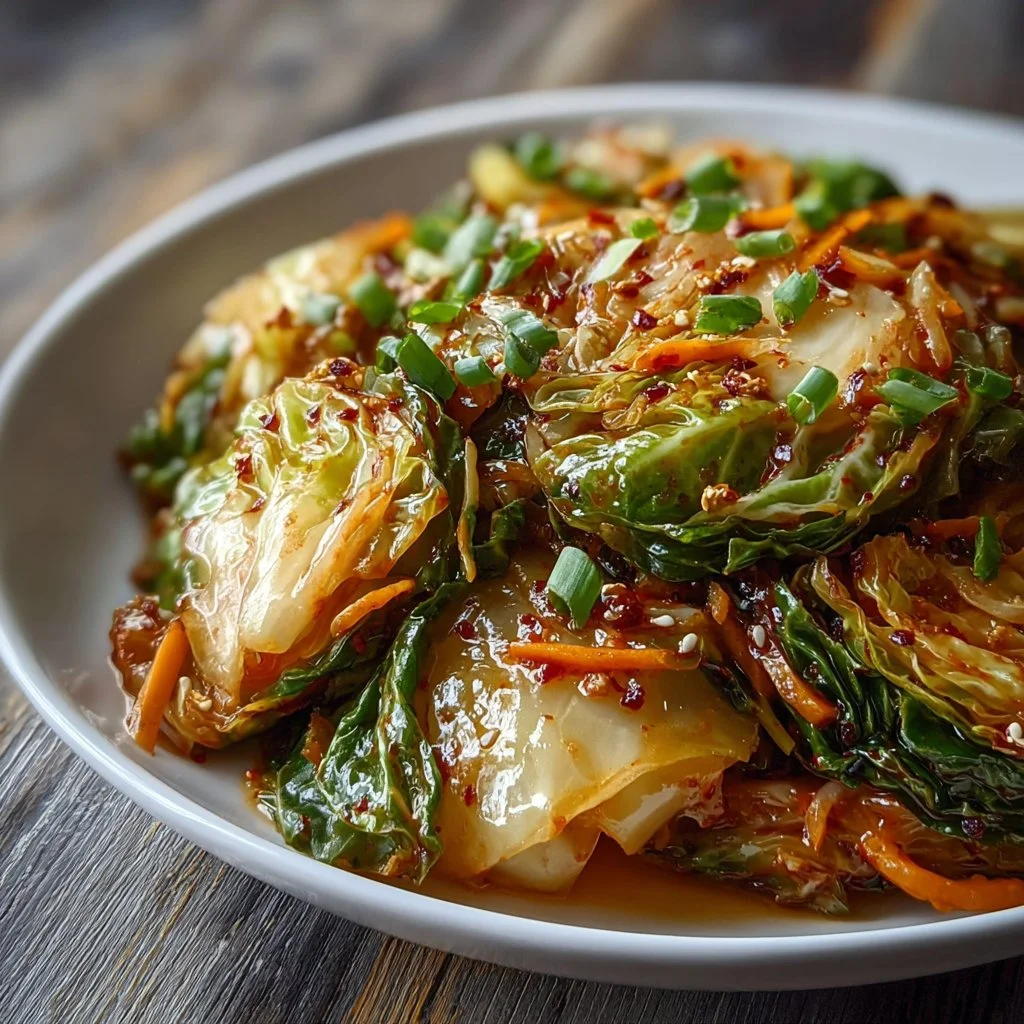
H3 Quick Kimchi (Milder, Refrigerator-Style) Ingredients (makes 1 quart)
- 1 small Napa cabbage, chopped
- 2–3 scallions, chopped
- 1–2 carrots, julienned
- 2–3 cloves garlic, minced
- 1 tablespoon grated fresh ginger
- 1–2 teaspoons sea salt
- 1 tablespoon miso paste or a little sugar for fermentation boost
- 1–2 tablespoons water to make a paste (as needed)
Steps
- Salt the chopped Napa cabbage lightly and let sit 20–30 minutes, then rinse and drain.
- Combine garlic, ginger, scallions, carrots, miso (or sugar), and a splash of water to make a paste.
- Mix the paste into the cabbage thoroughly, massaging it to distribute flavors.
- Pack into a jar, pressing down to release juices and ensure vegetables are submerged. Add a weight and leave headspace.
- For a quick kimchi, refrigerate immediately and let flavors meld for at least 24–48 hours. For a stronger ferment, leave at room temp 1–3 days before refrigerating.
Tips & Variations
- Add pear or apple for natural sweetness if you like a milder kimchi.
- Use chili-free versions for a family-friendly tang without heat.
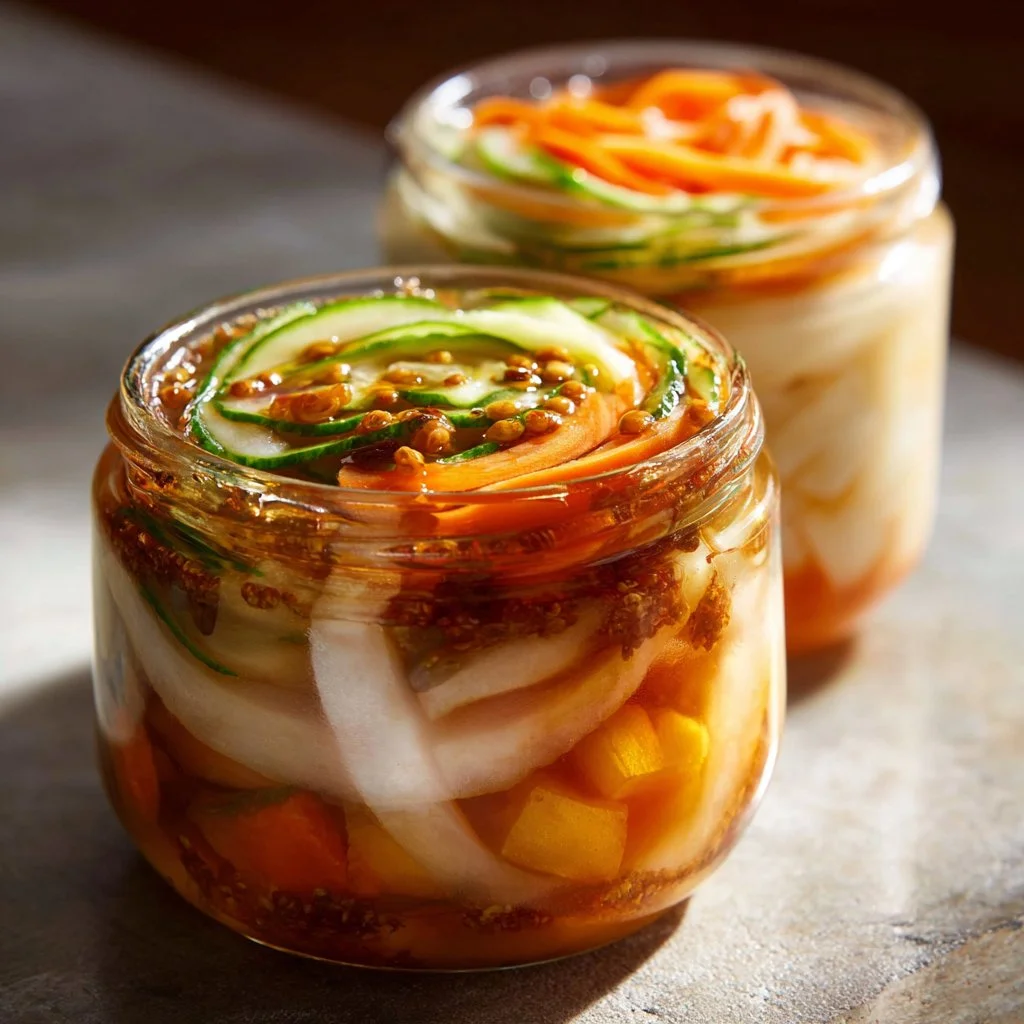
H3 Lacto-Fermented Pickles (Crunchy Refrigerator Pickles) Ingredients (makes 1 quart)
- 1 lb small cucumbers, trimmed
- 2 cups filtered water
- 2 tablespoons sea salt
- 2–3 cloves garlic, smashed
- 1 teaspoon mustard seeds, dill heads, or peppercorns
- Fresh dill or grape leaves (optional — grape leaves help keep crunch)
Steps
- Dissolve salt in water to make brine.
- Place garlic, spices, and herbs in a jar, pack cucumbers tightly, and pour brine over to cover.
- Use a weight to keep cucumbers submerged and leave 1–2 inches headspace.
- Cover with a cloth or fermentation lid and let sit at room temperature for 3–7 days, tasting daily. When tangy enough, refrigerate.
Tips & Variations
- For extra crispness, add a raw horseradish piece or grape leaf.
- Brine concentration and fermentation time control softness and flavor; longer ferments are tangier.
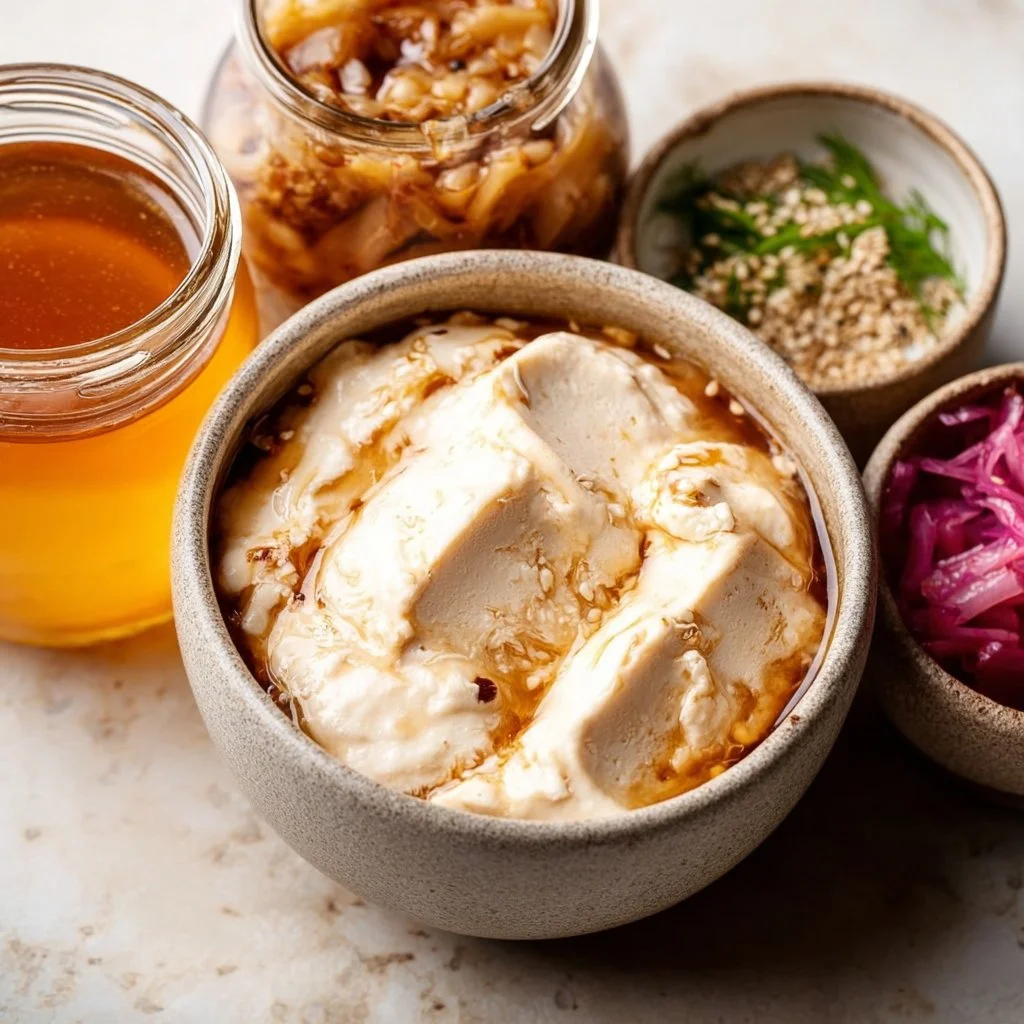
H3 Stovetop Yogurt (Creamy, Reliable Probiotic Yogurt) Ingredients (makes about 1 quart)
- 1 quart milk (whole milk gives creamier texture)
- 2 tablespoons plain live-culture yogurt (as starter) or 1 packet powdered yogurt starter
Steps
- Heat milk gently to 180°F (82°C) to denature proteins (stir to prevent skin). Hold a minute, then cool to 110–115°F (43–46°C).
- Whisk a few tablespoons of warm milk into the starter yogurt, then stir the mixture back into the pot.
- Pour into a warm container and keep insulated (in an oven with the light on, thermos, or yogurt maker) at 110–115°F for 4–10 hours until set to taste.
- Chill in the refrigerator; stirring will give a creamier texture.
Tips & Variations
- For thicker Greek-style yogurt, strain through a cheesecloth for 2–4 hours to remove whey.
- Flavor with honey, fruit compote, or use as a base for dressings.
Kitchen Tips (General)
- Cleanliness matters: use clean utensils and jars but avoid over-sanitizing, which can strip beneficial microbes.
- Burping jars: with uncovered or loosely sealed jars, “burp” daily to release gases and press vegetables back under brine.
- Taste often: fermentation is part science, part personal preference — taste to decide when it’s ready.
Storage, Freezing & Make-Ahead Tips
Storing Ferments
- Once a ferment reaches the flavor you like, move it to the refrigerator. Cold slows fermentation dramatically and preserves texture and flavor.
- Jars should be kept tightly capped in the fridge to maintain acidity and protect from cross-contamination.
Shelf Life
- Sauerkraut and kimchi: refrigerated 3–6 months, though flavor can continue to change; discard if there’s off smells, sliminess, or visible mold (white kahm yeast can appear and should be skimmed).
- Lacto pickles: 1–6 months refrigerated depending on salt and firmness.
- Yogurt: 1–2 weeks refrigerated.
Freezing
- Freezing kills many live cultures and alters texture; it’s not ideal for live ferments you wish to keep active.
- You can freeze cooked dishes that include fermented ingredients (like soups with miso added after heating) but avoid freezing raw live-culture jars if your goal is live probiotics.
- For yogurt, freezing is possible but texture may separate when thawed; use frozen yogurt in smoothies or baking where texture matters less.
Make-Ahead Tips
- Batch small jars so you always have a fresh, crisp jar for immediate use and another jar fermenting for deeper flavor.
- Label jars with date started and expected tasting window so you can track progress.
- Prepare multiple ferments at once using seasonal produce to preserve a variety of flavors for the weeks ahead.
How to Use / Serve These Ferments
Serving Ideas
- Sauerkraut: Serve spooned over roasted root vegetables, with grain bowls, or alongside savory sandwiches and warm dishes. It’s also a bright topper for hearty soups.
- Kimchi: Stir into fried rice, add to noodle bowls, or use as a tangy side to grilled vegetables. Quick kimchi also makes a lovely salad topper.
- Pickles: Slice onto salads, sandwiches, or serve whole as a crunchy snack. They brighten up creamy spreads and grain salads.
- Yogurt: Enjoy plain or flavored for breakfast, use as a base for tzatziki or cold sauces, or dollop onto curries and stews for cooling tang.
Creative Pairings
- Try a spoonful of sauerkraut or kimchi with roasted squash or sweet potatoes to balance sweetness with acidity.
- Mix plain yogurt with miso, lemon, and herbs for a savory dressing for salads or roasted vegetables.
- Use small pickles as a garnish for a mezze plate of olives, roasted chickpeas, and flatbread.
For a playful brunch or picnic idea, these ferments are also delicious with deviled egg variations; see our collection of best deviled egg recipes for every occasion for inspiration on inventive toppings and combinations.
FAQ
Q: Are homemade ferments safe? A: Yes—when made with clean equipment, the right salt concentration, and proper, non-reactive containers, lacto-fermentation is a safe and traditional preservation method. Watch for signs like mold, sliminess, or foul odors, which indicate spoilage. White film (kahm yeast) can appear and is usually harmless but can affect flavor; skim it off if it develops, and re-cover the ferment.
Q: Can I use table salt or iodized salt? A: Non-iodized sea salt or kosher salt is preferred because additives in iodized salt can interfere with fermentation. If you only have table salt, use slightly less and be aware flavors may differ.
Q: How long does it take to ferment? A: It depends on temperature and the recipe. Quick refrigerator ferments take 24–48 hours to develop flavor; traditional room-temperature ferments like sauerkraut usually take 5–14 days. Taste as you go.
Q: Can you substitute dairy for non-dairy in yogurt? A: Non-dairy milks (almond, soy, oat) require specific starters and sometimes thickeners to set like dairy yogurt. For reliable results with live cultures, cow’s milk yogurt is easiest, but there are many excellent vegan yogurt starters and recipes for plant-based yogurts.
Conclusion
Reflecting on the comfort and vibrant flavors of Best Fermented Foods for Gut Health With Easy Recipes, these homemade ferments are a seasonal kitchen delight that nourish both body and soul. Whether you tuck tangy sauerkraut into a steaming bowl of soup, spoon quick kimchi onto a grain bowl, crunch into a lacto-fermented pickle, or stir creamy stovetop yogurt into dressings, you’re building a pantry of probiotic-rich, flavor-packed staples that grow more interesting over time. If you want more recipe ideas and inspiration, this roundup of 30 essential fermented food recipes is a great place to explore new projects. For practical daily tips on making ferments part of family meals, read how to easily incorporate fermented food in meals every day. And to try other tested recipes from a trusted source, browse the fermented food recipes – BBC Good Food collection. I’d love to hear which ferment you try first — share your experience or photos, and let’s celebrate small, nourishing projects together.
Fermented Foods
Ingredients
Common Ingredients
- 1 head Cabbage (green or red) For sauerkraut
- 1 cup Napa cabbage For quick kimchi
- 1 lb Cucumbers Small pickling cucumbers preferred
- 2 cups Filtered water Chlorine-free preferred
- 2–3 cloves Garlic For various ferments
- 2 tablespoons Sea salt Essential for lacto-fermentation
- 1 tablespoon Miso paste Optional for flavor enhancement
- 1 quart Plain milk For yogurt and kefir
Instructions
Sauerkraut
- Remove outer leaves, quarter the cabbage, and save one large leaf for later.
- Finely shred the cabbage using a sharp knife or mandoline.
- Place shredded cabbage in a large bowl, sprinkle with salt, and massage vigorously for 8–10 minutes until it releases liquid and becomes limp.
- Pack the cabbage tightly into a sterilized jar, pressing down so the brine covers the cabbage. Leave 1–2 inches headspace.
- Tuck the reserved whole leaf on top to help keep shredded cabbage submerged; place a fermentation weight or small jar on top.
- Cover with a cloth and secure, or use an airlock lid. Ferment at room temperature (60–72°F / 15–22°C) for 5–14 days, tasting after day 3.
- Once the sauerkraut reaches the tang you like, refrigerate.
Quick Kimchi
- Salt the chopped Napa cabbage lightly and let sit for 20–30 minutes, then rinse and drain.
- Combine garlic, ginger, scallions, carrots, miso (or sugar), and a splash of water to make a paste.
- Mix the paste into the cabbage thoroughly, massaging it to distribute flavors.
- Pack into a jar, pressing down to release juices and ensure vegetables are submerged.
- Refrigerate immediately for quick kimchi or leave at room temp for 1–3 days for a stronger ferment.
Lacto-Fermented Pickles
- Dissolve salt in water to make brine.
- Place garlic, spices, and herbs in a jar, pack cucumbers tightly, and pour brine over to cover.
- Use a weight to keep cucumbers submerged and leave 1–2 inches headspace.
- Cover and let sit at room temperature for 3–7 days, tasting daily. Refrigerate when tangy enough.
Stovetop Yogurt
- Heat milk to 180°F (82°C), then cool to 110–115°F (43–46°C).
- Stir a few tablespoons of warm milk into the starter yogurt, then stir the mixture back into the pot.
- Pour into a warm container and keep it insulated at 110–115°F for 4–10 hours until set.
- Chill in the refrigerator.