Privacy Policy

Contact Us

Privacy Policy

Contact Us

Hot and Sour Cabbage

Published March 19, 2026 By Lina

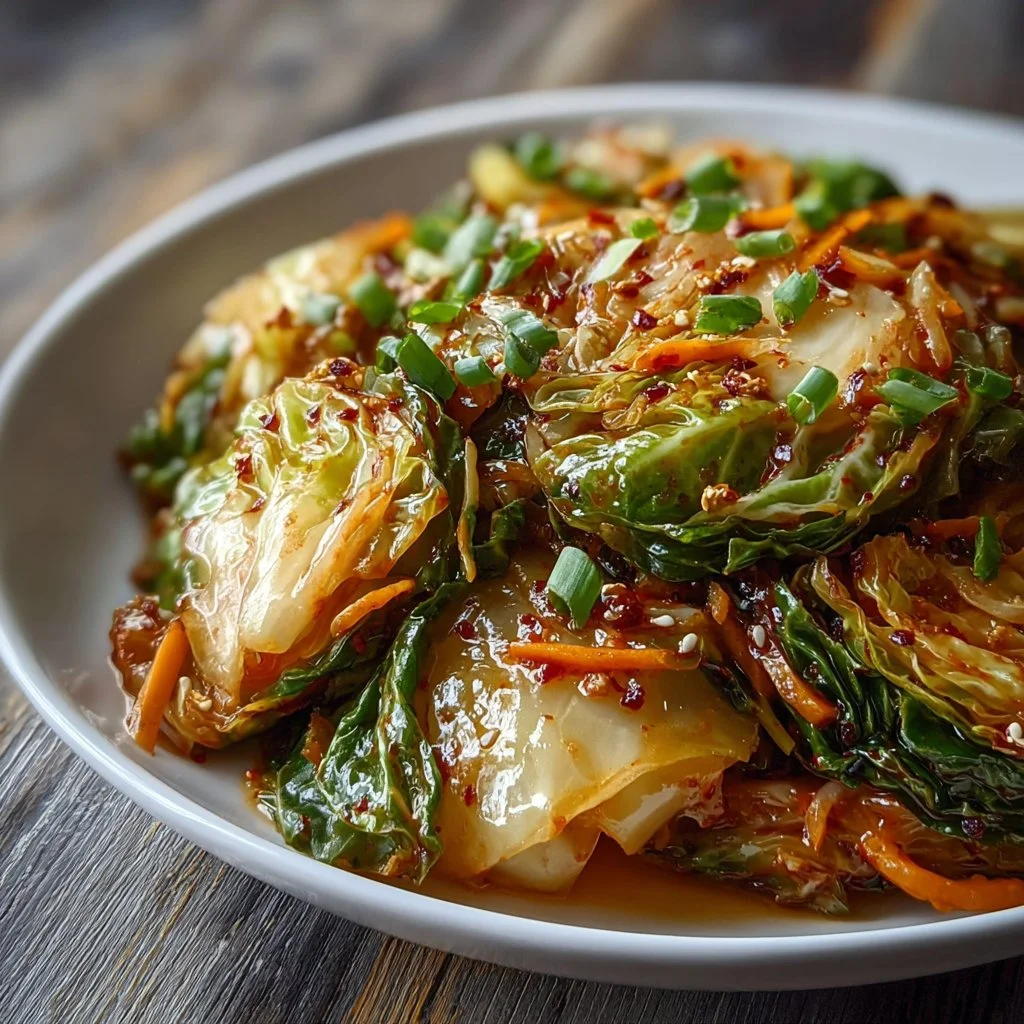
Delicious hot and sour cabbage dish served in a bowl

Hot and Sour Cabbage

Hot and Sour Cabbage greets the senses with a bright, tangy heat that’s perfect for chilly evenings and seasonal cooking. This comforting, from-scratch side or light main highlights thinly sliced green cabbage, crisp julienned carrot, scallions, and a bold sauce of soy, rice vinegar, and chili paste — a lovely balance of crunch, tang, and warming spice. If you love vibrant vegetable dishes that come together quickly and make the most of winter and spring cabbages, this recipe is worth trying tonight. For a sweet seasonal contrast alongside it, consider a fruit-forward side like baked pears with feta, honey and cranberries.

Ingredients & Equipment

Ingredients

  • 1 medium head green cabbage (approximately 1.75 lbs), cored and thinly sliced
  • 1 medium carrot, julienned
  • 3 scallions, sliced diagonally
  • 2 cloves garlic, minced
  • 1 tablespoon fresh ginger, minced
  • 2 tablespoons soy sauce or tamari
  • 2 tablespoons rice vinegar
  • 1 tablespoon chili paste or chili garlic sauce
  • 1 teaspoon sugar
  • 1 teaspoon toasted sesame oil
  • 2 tablespoons vegetable oil
  • 0.5 teaspoon freshly ground black pepper
  • 0.5 teaspoon salt, or to taste
  • 1 teaspoon toasted sesame seeds
  • Additional sliced scallions, for garnish

Equipment & Tools (brief notes)

  • Large wok or large heavy skillet — for quick, even stir-frying.
  • Mixing bowl and whisk — to combine the sauce.
  • Sharp chef’s knife and cutting board — for thin, even slicing.
  • Tongs or a wide spatula — to toss ingredients while cooking.
  • Optional helpful tools: blender (for a smooth dressing or to puree extra chilies), baking tray (if you want to roast cabbage wedges as a variation), instant-read thermometer (useful when reheating proteins served alongside).

Helpful notes:

  • Use tamari if you need a gluten-free option.
  • Toast your sesame seeds briefly in a dry pan to bring out flavor.
  • A mandoline speeds up thin slicing if you’re comfortable using it.

Step-by-Step Instructions (with tips)

Prep the sauce

  1. In a small bowl, whisk together 2 tablespoons soy sauce or tamari, 2 tablespoons rice vinegar, 1 tablespoon chili paste or chili garlic sauce, 1 teaspoon sugar, and 1 teaspoon toasted sesame oil. Set aside.
    Tip: Taste the sauce before adding to the vegetables; adjust sweetness or tang by adding a pinch more sugar or vinegar according to your palate.

Heat the pan
2. Heat 2 tablespoons vegetable oil in a large wok or skillet over medium-high heat. Make sure the pan is hot before adding aromatics.
Tip: A properly heated wok gives a lovely sear and helps maintain crisp-tender texture.

Aromatics
3. Add 2 cloves minced garlic and 1 tablespoon minced fresh ginger, stir-frying for about 30 seconds until fragrant but not browned.
Tip: Keep these moving in the pan — garlic browns quickly and will bring bitterness if overcooked.

Stir-fry the vegetables
4. Add the sliced cabbage and the julienned carrot. Stir-fry for 3 to 4 minutes until the vegetables are just beginning to wilt but remain crisp. If your pan is crowded, stir in batches or push vegetables to the edge so heat circulates.
Tip: For a crisper result, raise the heat slightly and toss frequently; for a softer result, lower the heat a touch and cook a bit longer.

Add the sauce
5. Pour in the prepared sauce and toss to coat evenly. Stir-fry for another 2 to 3 minutes until the cabbage is tender-crisp and the sauce is glossy and reduced slightly.
Tip: If the sauce seems too sharp, a splash of warm water can loosen it; if it’s too thin, cook a touch longer to reduce.

Finish and season
6. Add 0.5 teaspoon freshly ground black pepper, 0.5 teaspoon salt (or to taste), and the sliced scallions. Stir well and cook for 1 more minute so the scallions soften just a little.
Tip: Taste near the end and adjust seasoning; a squeeze of fresh lime or an extra dash of soy can fine-tune balance.

Serve
7. Transfer to a serving dish. Garnish with 1 teaspoon toasted sesame seeds and extra sliced scallions, if desired. Serve hot.

Variations and additional techniques

  • Roasted version: Cut the cabbage into wedges, toss with vegetable oil, soy, and a touch of chili paste, then roast on a baking tray at 425°F (220°C) for 20–25 minutes until edges are caramelized. This gives a smoky, deeper flavor and softer texture.
  • Boiled/steamed variation: Blanch sliced cabbage briefly in boiling water or steam until slightly softened, then toss in the hot sauce just before serving for a milder take. Note that blanching loses a bit of crunch.
  • Add protein: Stir in cubed firm tofu (pan-fried first) or shredded cooked chicken near the end to make it a heartier main.
  • Heat adjustments: Reduce chili paste for a mild family-friendly version; increase for a bolder, spicier bite.

Kitchen tips

  • Keep prep done before heating the pan: stir-frying moves fast.
  • Uniform slicing ensures even cooking.
  • Use high heat for quick searing but watch for burning of garlic and ginger.
  • If you like a glossy finish, a teaspoon of cornstarch mixed with a tablespoon of water can be whisked into the sauce before adding (optional) — only a small amount is needed.

Storage, Freezing & Make-Ahead Tips

Short-term storage

  • Refrigerator: Let the dish cool to room temperature (no more than two hours), then transfer to an airtight container. Stored this way, it keeps well for 3 to 4 days. Reheat gently in a skillet over medium heat with a splash of water to revive moisture, or microwave in short bursts stirring between intervals.

Freezing

  • Freezing cooked cabbage will change the texture slightly (it can become softer when thawed). If you plan to freeze, cool completely, portion into freezer-safe containers or heavy-duty freezer bags, and remove as much air as possible. Properly stored, it keeps for up to 2 months. Thaw overnight in the refrigerator and reheat in a skillet, adding a little oil or water to refresh texture.

Make-ahead strategy

  • Sauce: Prepare the sauce up to 3 days ahead and refrigerate in a sealed jar; this lets flavors meld and makes weeknight cooking faster.
  • Partial cook: You can slice the vegetables and store them separately in the fridge for up to 24 hours, then stir-fry and combine with sauce when ready to eat. Avoid cutting ahead more than a day to preserve crispness.

Portioning advice

  • This recipe serves about 3–4 as a side or 2 as a light main. For meal prep, pack rice or grains in separate containers to assemble just before eating (keeps grains from getting soggy).

How to Use / Serve This Dish

Serving ideas

  • As a side: Offer Hot and Sour Cabbage alongside steamed jasmine or brown rice and a simple protein like grilled marinated chicken or pan-seared tofu.
  • Grain bowls: Pile it over warm quinoa or farro, add roasted sweet potatoes and a handful of crunchy seeds for a well-rounded bowl.
  • Noodle accompaniment: Toss with hot cooked rice noodles for a quick main, finishing with extra scallions and sesame seeds.
  • Topping: Spoon it on top of flatbreads or warm pita with a dollop of yogurt-style sauce for a fusion-style meal.

Creative variations

  • Add roasted peanuts or cashews for extra texture and nuttiness.
  • Stir in a few leaves of fresh cilantro or basil at the end for a herbaceous lift.
  • For a richer finish, swirl in a tablespoon of natural peanut butter to the sauce for a subtly creamy, savory twist.

If you enjoy pairing bright vegetable dishes with comforting soups or bowls, you might also explore a hearty option like this creamy cheddar gnocchi soup to round out a cozy, balanced meal. For a refreshing non-alcoholic beverage to serve alongside, try a sparkling fruit mocktail such as a pomegranate mint raspberry spritz mocktail which complements the tangy notes nicely.

FAQ

Q: Can I make this dish gluten-free?
A: Yes. Use tamari or a certified gluten-free soy sauce to keep the recipe gluten-free. Also check that your chili paste or any packaged sauces are labeled gluten-free.

Q: How spicy is this, and can I make it milder?
A: The heat level depends on the chili paste you choose. For a milder result, start with 1/2 tablespoon of chili paste or substitute with a mild chili sauce. Add more gradually to reach your preferred spice level.

Q: Will the cabbage get soggy if I cook it longer?
A: Yes — overcooking will soften the cabbage beyond the crisp-tender texture. If you prefer softer cabbage, cook a minute or two longer; otherwise aim for 5 to 7 minutes total stir-fry time to preserve bite.

Q: Can I make this vegan?
A: Absolutely. The base recipe is plant-forward; just be sure your soy sauce or tamari and chili paste are vegan-friendly. Add pan-fried tofu or roasted chickpeas for extra protein.

Conclusion

Hot and Sour Cabbage is one of those seasonal, kitchen-friendly recipes that feels both simple and satisfying — tangy and spicy when you want a kick, yet comforting enough to become a weeknight favorite. Its quick prep, flexible variations, and bright flavors make it a reliable crowd-pleaser and a lovely way to celebrate cabbage when it’s at its best. For a few inspiration sources and similar takes on this classic, I enjoyed the approach at Hot and Sour Cabbage – The Woks of Life, a different but equally flavorful interpretation at Hot and Sour Chinese Cabbage – Palatable Pastime, and a home-cooked perspective at Hot and Sour Cabbage | The Modern Proper. Give this warming, zesty dish a try this season — and if you love it, share your tweaks and photos so others can enjoy it too.
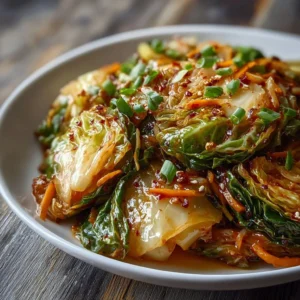
Delicious hot and sour cabbage dish served in a bowl

Hot and Sour Cabbage

A bright, tangy side dish featuring green cabbage, carrots, and a bold sauce of soy and chili, perfect for chilly evenings.
Prep Time 15 minutes
Cook Time 10 minutes
Total Time 25 minutes
Course Side Dish, Vegetable
Cuisine Asian, Vegetarian
Servings 4 servings
Calories 150 kcal

Ingredients
  

Vegetables

  • 1 medium head green cabbage (approximately 1.75 lbs), cored and thinly sliced
  • 1 medium carrot, julienned
  • 3 cloves garlic, minced
  • 1 tablespoon fresh ginger, minced
  • 3 scallions sliced diagonally additional sliced scallions, for garnish

Sauce

  • 2 tablespoons soy sauce or tamari Use tamari for gluten-free option.
  • 2 tablespoons rice vinegar
  • 1 tablespoon chili paste or chili garlic sauce Adjust for spice preference.
  • 1 teaspoon sugar Adjust sweetness as needed.
  • 1 teaspoon toasted sesame oil

Cooking Ingredients

  • 2 tablespoons vegetable oil
  • 0.5 teaspoon freshly ground black pepper
  • 0.5 teaspoon salt or to taste.
  • 1 teaspoon toasted sesame seeds for garnish

Instructions
 

Prepare the Sauce

  • In a small bowl, whisk together 2 tablespoons soy sauce or tamari, 2 tablespoons rice vinegar, 1 tablespoon chili paste, 1 teaspoon sugar, and 1 teaspoon toasted sesame oil. Set aside.

Heat the Pan

  • Heat 2 tablespoons vegetable oil in a large wok or skillet over medium-high heat.

Aromatics

  • Add 2 cloves minced garlic and 1 tablespoon minced fresh ginger, stir-frying for about 30 seconds until fragrant but not browned.

Stir-Fry the Vegetables

  • Add the sliced cabbage and julienned carrot. Stir-fry for 3 to 4 minutes until the vegetables are just beginning to wilt but remain crisp.

Add the Sauce

  • Pour in the prepared sauce and toss to coat evenly. Stir-fry for another 2 to 3 minutes until the cabbage is tender-crisp and the sauce is glossy.

Finish and Season

  • Add 0.5 teaspoon freshly ground black pepper, 0.5 teaspoon salt, and the sliced scallions. Stir well and cook for 1 more minute.

Serve

  • Transfer to a serving dish, garnish with 1 teaspoon toasted sesame seeds and extra sliced scallions, if desired. Serve hot.

Notes

Taste and adjust the sauce for sweetness or tang as needed before adding to the vegetables. Prepare the sauce ahead for faster cooking.

Nutrition

Serving: 1gCalories: 150kcalCarbohydrates: 10gProtein: 3gFat: 10gSaturated Fat: 1gSodium: 500mgFiber: 3gSugar: 2g
Keyword Cabbage, Healthy Side, Hot and Sour, Quick Recipe, Vegan Option
Tried this recipe?Let us know how it was!

Hot and Sour Cabbage

Published: March 19, 2026 By Lina

Delicious hot and sour cabbage dish served in a bowl

Hot and Sour Cabbage

Hot and Sour Cabbage greets the senses with a bright, tangy heat that’s perfect for chilly evenings and seasonal cooking. This comforting, from-scratch side or light main highlights thinly sliced green cabbage, crisp julienned carrot, scallions, and a bold sauce of soy, rice vinegar, and chili paste — a lovely balance of crunch, tang, and warming spice. If you love vibrant vegetable dishes that come together quickly and make the most of winter and spring cabbages, this recipe is worth trying tonight. For a sweet seasonal contrast alongside it, consider a fruit-forward side like baked pears with feta, honey and cranberries.

Ingredients & Equipment

Ingredients

  • 1 medium head green cabbage (approximately 1.75 lbs), cored and thinly sliced
  • 1 medium carrot, julienned
  • 3 scallions, sliced diagonally
  • 2 cloves garlic, minced
  • 1 tablespoon fresh ginger, minced
  • 2 tablespoons soy sauce or tamari
  • 2 tablespoons rice vinegar
  • 1 tablespoon chili paste or chili garlic sauce
  • 1 teaspoon sugar
  • 1 teaspoon toasted sesame oil
  • 2 tablespoons vegetable oil
  • 0.5 teaspoon freshly ground black pepper
  • 0.5 teaspoon salt, or to taste
  • 1 teaspoon toasted sesame seeds
  • Additional sliced scallions, for garnish

Equipment & Tools (brief notes)

  • Large wok or large heavy skillet — for quick, even stir-frying.
  • Mixing bowl and whisk — to combine the sauce.
  • Sharp chef’s knife and cutting board — for thin, even slicing.
  • Tongs or a wide spatula — to toss ingredients while cooking.
  • Optional helpful tools: blender (for a smooth dressing or to puree extra chilies), baking tray (if you want to roast cabbage wedges as a variation), instant-read thermometer (useful when reheating proteins served alongside).

Helpful notes:

  • Use tamari if you need a gluten-free option.
  • Toast your sesame seeds briefly in a dry pan to bring out flavor.
  • A mandoline speeds up thin slicing if you’re comfortable using it.

Step-by-Step Instructions (with tips)

Prep the sauce

  1. In a small bowl, whisk together 2 tablespoons soy sauce or tamari, 2 tablespoons rice vinegar, 1 tablespoon chili paste or chili garlic sauce, 1 teaspoon sugar, and 1 teaspoon toasted sesame oil. Set aside.
    Tip: Taste the sauce before adding to the vegetables; adjust sweetness or tang by adding a pinch more sugar or vinegar according to your palate.

Heat the pan
2. Heat 2 tablespoons vegetable oil in a large wok or skillet over medium-high heat. Make sure the pan is hot before adding aromatics.
Tip: A properly heated wok gives a lovely sear and helps maintain crisp-tender texture.

Aromatics
3. Add 2 cloves minced garlic and 1 tablespoon minced fresh ginger, stir-frying for about 30 seconds until fragrant but not browned.
Tip: Keep these moving in the pan — garlic browns quickly and will bring bitterness if overcooked.

Stir-fry the vegetables
4. Add the sliced cabbage and the julienned carrot. Stir-fry for 3 to 4 minutes until the vegetables are just beginning to wilt but remain crisp. If your pan is crowded, stir in batches or push vegetables to the edge so heat circulates.
Tip: For a crisper result, raise the heat slightly and toss frequently; for a softer result, lower the heat a touch and cook a bit longer.

Add the sauce
5. Pour in the prepared sauce and toss to coat evenly. Stir-fry for another 2 to 3 minutes until the cabbage is tender-crisp and the sauce is glossy and reduced slightly.
Tip: If the sauce seems too sharp, a splash of warm water can loosen it; if it’s too thin, cook a touch longer to reduce.

Finish and season
6. Add 0.5 teaspoon freshly ground black pepper, 0.5 teaspoon salt (or to taste), and the sliced scallions. Stir well and cook for 1 more minute so the scallions soften just a little.
Tip: Taste near the end and adjust seasoning; a squeeze of fresh lime or an extra dash of soy can fine-tune balance.

Serve
7. Transfer to a serving dish. Garnish with 1 teaspoon toasted sesame seeds and extra sliced scallions, if desired. Serve hot.

Variations and additional techniques

  • Roasted version: Cut the cabbage into wedges, toss with vegetable oil, soy, and a touch of chili paste, then roast on a baking tray at 425°F (220°C) for 20–25 minutes until edges are caramelized. This gives a smoky, deeper flavor and softer texture.
  • Boiled/steamed variation: Blanch sliced cabbage briefly in boiling water or steam until slightly softened, then toss in the hot sauce just before serving for a milder take. Note that blanching loses a bit of crunch.
  • Add protein: Stir in cubed firm tofu (pan-fried first) or shredded cooked chicken near the end to make it a heartier main.
  • Heat adjustments: Reduce chili paste for a mild family-friendly version; increase for a bolder, spicier bite.

Kitchen tips

  • Keep prep done before heating the pan: stir-frying moves fast.
  • Uniform slicing ensures even cooking.
  • Use high heat for quick searing but watch for burning of garlic and ginger.
  • If you like a glossy finish, a teaspoon of cornstarch mixed with a tablespoon of water can be whisked into the sauce before adding (optional) — only a small amount is needed.

Storage, Freezing & Make-Ahead Tips

Short-term storage

  • Refrigerator: Let the dish cool to room temperature (no more than two hours), then transfer to an airtight container. Stored this way, it keeps well for 3 to 4 days. Reheat gently in a skillet over medium heat with a splash of water to revive moisture, or microwave in short bursts stirring between intervals.

Freezing

  • Freezing cooked cabbage will change the texture slightly (it can become softer when thawed). If you plan to freeze, cool completely, portion into freezer-safe containers or heavy-duty freezer bags, and remove as much air as possible. Properly stored, it keeps for up to 2 months. Thaw overnight in the refrigerator and reheat in a skillet, adding a little oil or water to refresh texture.

Make-ahead strategy

  • Sauce: Prepare the sauce up to 3 days ahead and refrigerate in a sealed jar; this lets flavors meld and makes weeknight cooking faster.
  • Partial cook: You can slice the vegetables and store them separately in the fridge for up to 24 hours, then stir-fry and combine with sauce when ready to eat. Avoid cutting ahead more than a day to preserve crispness.

Portioning advice

  • This recipe serves about 3–4 as a side or 2 as a light main. For meal prep, pack rice or grains in separate containers to assemble just before eating (keeps grains from getting soggy).

How to Use / Serve This Dish

Serving ideas

  • As a side: Offer Hot and Sour Cabbage alongside steamed jasmine or brown rice and a simple protein like grilled marinated chicken or pan-seared tofu.
  • Grain bowls: Pile it over warm quinoa or farro, add roasted sweet potatoes and a handful of crunchy seeds for a well-rounded bowl.
  • Noodle accompaniment: Toss with hot cooked rice noodles for a quick main, finishing with extra scallions and sesame seeds.
  • Topping: Spoon it on top of flatbreads or warm pita with a dollop of yogurt-style sauce for a fusion-style meal.

Creative variations

  • Add roasted peanuts or cashews for extra texture and nuttiness.
  • Stir in a few leaves of fresh cilantro or basil at the end for a herbaceous lift.
  • For a richer finish, swirl in a tablespoon of natural peanut butter to the sauce for a subtly creamy, savory twist.

If you enjoy pairing bright vegetable dishes with comforting soups or bowls, you might also explore a hearty option like this creamy cheddar gnocchi soup to round out a cozy, balanced meal. For a refreshing non-alcoholic beverage to serve alongside, try a sparkling fruit mocktail such as a pomegranate mint raspberry spritz mocktail which complements the tangy notes nicely.

FAQ

Q: Can I make this dish gluten-free?
A: Yes. Use tamari or a certified gluten-free soy sauce to keep the recipe gluten-free. Also check that your chili paste or any packaged sauces are labeled gluten-free.

Q: How spicy is this, and can I make it milder?
A: The heat level depends on the chili paste you choose. For a milder result, start with 1/2 tablespoon of chili paste or substitute with a mild chili sauce. Add more gradually to reach your preferred spice level.

Q: Will the cabbage get soggy if I cook it longer?
A: Yes — overcooking will soften the cabbage beyond the crisp-tender texture. If you prefer softer cabbage, cook a minute or two longer; otherwise aim for 5 to 7 minutes total stir-fry time to preserve bite.

Q: Can I make this vegan?
A: Absolutely. The base recipe is plant-forward; just be sure your soy sauce or tamari and chili paste are vegan-friendly. Add pan-fried tofu or roasted chickpeas for extra protein.

Conclusion

Hot and Sour Cabbage is one of those seasonal, kitchen-friendly recipes that feels both simple and satisfying — tangy and spicy when you want a kick, yet comforting enough to become a weeknight favorite. Its quick prep, flexible variations, and bright flavors make it a reliable crowd-pleaser and a lovely way to celebrate cabbage when it’s at its best. For a few inspiration sources and similar takes on this classic, I enjoyed the approach at Hot and Sour Cabbage – The Woks of Life, a different but equally flavorful interpretation at Hot and Sour Chinese Cabbage – Palatable Pastime, and a home-cooked perspective at Hot and Sour Cabbage | The Modern Proper. Give this warming, zesty dish a try this season — and if you love it, share your tweaks and photos so others can enjoy it too.

Delicious hot and sour cabbage dish served in a bowl

Hot and Sour Cabbage

A bright, tangy side dish featuring green cabbage, carrots, and a bold sauce of soy and chili, perfect for chilly evenings.
Prep Time 15 minutes
Cook Time 10 minutes
Total Time 25 minutes
Course Side Dish, Vegetable
Cuisine Asian, Vegetarian
Servings 4 servings
Calories 150 kcal

Ingredients
  

Vegetables

  • 1 medium head green cabbage (approximately 1.75 lbs), cored and thinly sliced
  • 1 medium carrot, julienned
  • 3 cloves garlic, minced
  • 1 tablespoon fresh ginger, minced
  • 3 scallions sliced diagonally additional sliced scallions, for garnish

Sauce

  • 2 tablespoons soy sauce or tamari Use tamari for gluten-free option.
  • 2 tablespoons rice vinegar
  • 1 tablespoon chili paste or chili garlic sauce Adjust for spice preference.
  • 1 teaspoon sugar Adjust sweetness as needed.
  • 1 teaspoon toasted sesame oil

Cooking Ingredients

  • 2 tablespoons vegetable oil
  • 0.5 teaspoon freshly ground black pepper
  • 0.5 teaspoon salt or to taste.
  • 1 teaspoon toasted sesame seeds for garnish

Instructions
 

Prepare the Sauce

  • In a small bowl, whisk together 2 tablespoons soy sauce or tamari, 2 tablespoons rice vinegar, 1 tablespoon chili paste, 1 teaspoon sugar, and 1 teaspoon toasted sesame oil. Set aside.

Heat the Pan

  • Heat 2 tablespoons vegetable oil in a large wok or skillet over medium-high heat.

Aromatics

  • Add 2 cloves minced garlic and 1 tablespoon minced fresh ginger, stir-frying for about 30 seconds until fragrant but not browned.

Stir-Fry the Vegetables

  • Add the sliced cabbage and julienned carrot. Stir-fry for 3 to 4 minutes until the vegetables are just beginning to wilt but remain crisp.

Add the Sauce

  • Pour in the prepared sauce and toss to coat evenly. Stir-fry for another 2 to 3 minutes until the cabbage is tender-crisp and the sauce is glossy.

Finish and Season

  • Add 0.5 teaspoon freshly ground black pepper, 0.5 teaspoon salt, and the sliced scallions. Stir well and cook for 1 more minute.

Serve

  • Transfer to a serving dish, garnish with 1 teaspoon toasted sesame seeds and extra sliced scallions, if desired. Serve hot.
Notes

Taste and adjust the sauce for sweetness or tang as needed before adding to the vegetables. Prepare the sauce ahead for faster cooking.

Nutrition

Serving: 1gCalories: 150kcalCarbohydrates: 10gProtein: 3gFat: 10gSaturated Fat: 1gSodium: 500mgFiber: 3gSugar: 2g
Keyword Cabbage, Healthy Side, Hot and Sour, Quick Recipe, Vegan Option
Tried this recipe?Let us know how it was!

Leave a Comment

Recipe Rating