Privacy Policy

Contact Us

Privacy Policy

Contact Us

52 Fermented Foods To Make This Year

Published March 19, 2026 By Carol bonaparte

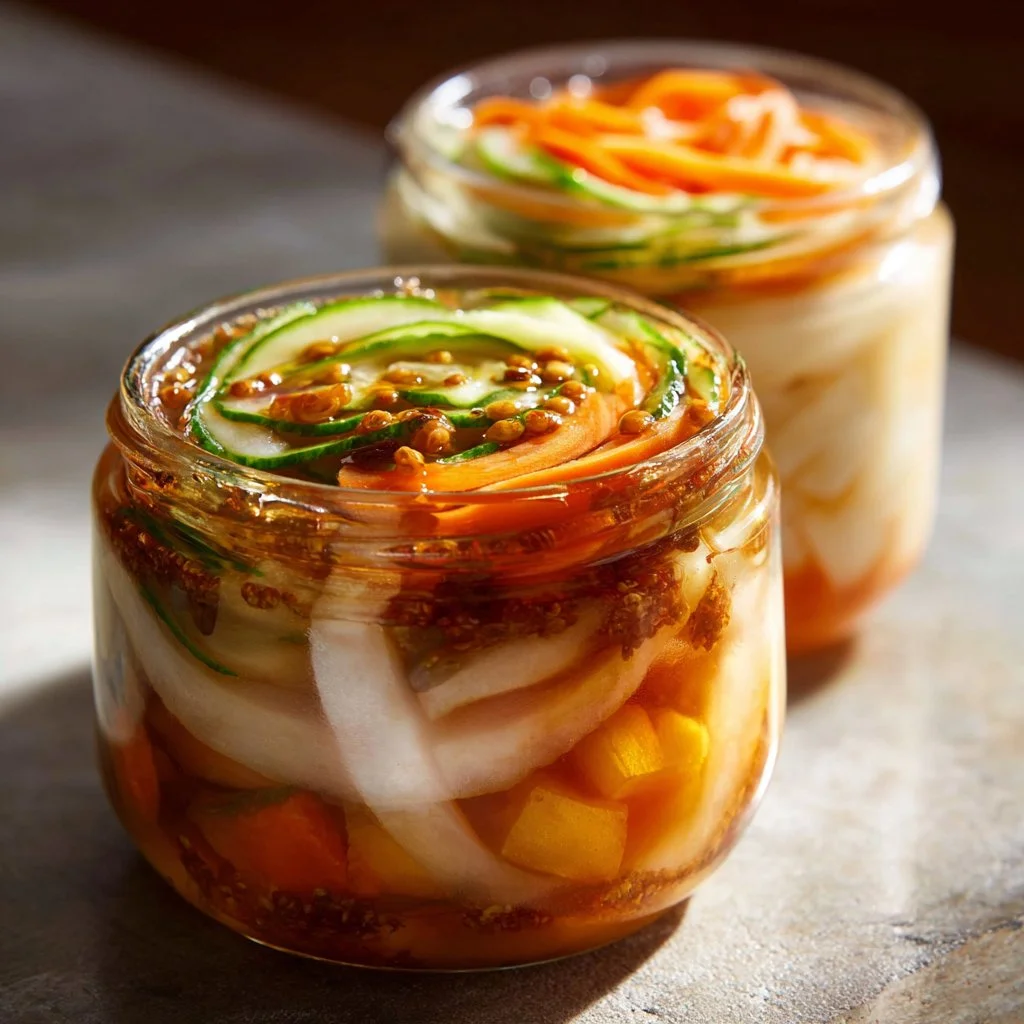
Diverse selection of homemade fermented foods including kimchi, yogurt, and sauerkraut.

52 Fermented Foods To Make This Year — a promise of tangy, comforting, and seasonal projects that transform humble ingredients into deeply flavored staples. If you’ve been curious about fermentation but felt overwhelmed, this friendly list will guide you through 52 approachable ideas — from crisp lacto-fermented pickles and crunchy sauerkraut to creamy yogurt and lively sourdough starters. Expect bright textures, savory umami, gentle effervescence, and long-lasting pantry boosters that highlight seasonal produce like cabbage, carrots, apples, and winter squash. If you love cozy, from-scratch cooking, start small, savor the process, and try making your own pumpkin puree to pair with autumnal ferments for a truly seasonal kitchen rhythm: homemade pumpkin puree.

Why Ferment? (H2)
Fermentation is an ancient, low-tech way to preserve food while adding depth of flavor, improving texture, and making seasonal produce last longer. It’s a kitchen practice that rewards patience: a simple jar of salt-and-cabbage can turn into something bright and complex in a matter of days to weeks. Ferments are versatile — use them as condiments, snacks, or building blocks for meals — and most projects require just a few basic tools and pantry staples. Whether you want tangy pickles for crisp salads or a bubbly sourdough starter for weekend loaves, there’s a ferment that fits your schedule and taste.

52 Fermented Foods To Make This Year (H2)
Below are 52 ideas grouped by category with a short note on each. Pick a handful to start, then build a rotation across seasons.

Vegetable Ferments (1–18)

  1. Classic Sauerkraut — crunchy, tangy fermented cabbage.
  2. Red Cabbage Kraut — colorful and slightly sweeter than classic.
  3. Kimchi (Non-spicy or Mild) — napa cabbage with ginger, garlic, and scallions; keep the heat low if you prefer.
  4. Carrot Sticks — bright, slightly sweet, great for snacking.
  5. Quick Dill Pickles — crisp cucumbers in a salty brine.
  6. Bread-and-Butter Pickles — sweet-and-sour, with mustard seeds and onion.
  7. Fermented Green Beans (Dillicious Beans) — crisp beans perfect for lunchboxes.
  8. Beet Kvass (non-alcoholic) — earthy, vibrant probiotic drink made from fermented beets and salt.
  9. Fermented Cauliflower (pickled-style) — holds its bite and soaks up spices.
  10. Fermented Radishes — peppery, crisp, great on sandwiches.
  11. Fermented Garlic Cloves (lacto-fermented) — mellow, garlicky, spreadable.
  12. Fermented Peppers (mild sweet peppers) — brined and tangy for salads.
  13. Fermented Relish (garden relish) — mix of cucumbers, onions, and peppers.
  14. Fermented Red Onions — sweet-tart rings for tacos and salads.
  15. Fermented Jalapeños (mild option) — sliced and brined for a tangy kick.
  16. Fermented Cabbage Slaw with Apple — a seasonal twist for autumn meals.
  17. Fermented Kohlrabi — crisp, slightly sweet, and fun on a crudité board.
  18. Kimchi-style Fermented Cucumbers — quick, refreshing, and flavorful.

Dairy & Cultured Milks (19–24)
19. Yogurt (stovetop method) — creamy, tangy, and endlessly useful.
20. Greek-style Yogurt — thicker, ced for dips and desserts.
21. Labneh (strained yogurt cheese) — spreadable and herby.
22. Milk Kefir (dairy) — gently effervescent, drinkable cultured milk.
23. Crème Fraîche (cultured cream) — luxurious and tangy for desserts.
24. Cultured Butter — with a subtle tang, perfect for toasts.

Bread & Grain Ferments (25–30)
25. Sourdough Starter — the foundation for tangy loaves and pancakes.
26. Tangzhong-enriched Sourdough — tender crumb with fermented flavor.
27. Sourdough Pancakes or Waffles — use discard for delicious breakfasts.
28. Fermented Oat Porridge — soaked and tangy, warms up on cool mornings.
29. Idli/Dosa Batter (fermented rice & lentils) — for fluffy idlis and crisp dosas.
30. Fermented Corn Masa (nixtamalized then fermented) — for deeper flavor in tortillas.

Soy, Legume & Fermented Condiments (31–36)
31. Miso (quick hatch or home-aged if adventurous) — umami-rich paste for soups and glazes.
32. Tempeh (soy or chickpea) — protein-rich cake for stir-fries and sandwiches.
33. Fermented Chili Paste (mild) — roasted chiles and garlic fermented into a savory spread.
34. Fermented Soy Sauce-style Condiment (small-batch, non-aged) — quick umami boost.
35. Natto-style Fermented Beans (for adventurous cooks) — strong aroma, creamy texture, great with rice.
36. Fermented Bean Paste for Stews — imparts depth to braises and soups.

Fruit Ferments & Shrubs (37–42)
37. Apple Butter Fermented Spread — where cooked fruit softens into tangy spread.
38. Fermented Berry Compote — bright and slightly fizzy, lovely over yogurt.
39. Fermented Pear Chutney — cozy and spiced for autumn.
40. Shrubs (drinking vinegar syrups — non-alcoholic) — concentrated fruit + vinegar syrups for sodas and mocktails.
41. Fermented Peach Salsa — sweet, tangy, great with grilled vegetables.
42. Fermented Citrus Marmalade — mellowed, less bitter citrus spread.

Sauces, Dressings & Pickled Extras (43–48)
43. Fermented Hot Sauce (mild or medium) — blended and fermented for depth.
44. Fermented Ketchup — tangy, less sweet, made with tomatoes and ferment-friendly spices.
45. Fermented Mustard — bright and lively for sandwiches.
46. Fermented Mayonnaise-style Emulsion with Yogurt — a lighter, tangy mayo alternative.
47. Pickled Ginger (gari-style, low-sugar) — clean-tasting and ideal with rice dishes.
48. Fermented Salsa Verde — herbaceous and slightly tangy.

Creative & Regional Ferments (49–52)
49. Fermented Pickled Eggs (vinegar-brined, non-alcoholic method) — shelf-stable and tangy.
50. Fermented Olives (brined) — time-honored, savory snacks.
51. Fermented Turmeric Paste — golden and aromatic for curries and spreads.
52. Fermented Fruit Vinegar from scraps — make small-batch vinegars from apple cores and peels for shrubs and dressings.

Ingredients & Equipment (H2)
General ingredients to stock for many of these projects:

  • Produce: cabbage, carrots, cucumbers, beets, apples, pears, berries, citrus, garlic, ginger, onions, greens.
  • Dairy: whole milk or milk of choice for yogurt/kefir; plain yogurt or freeze-dried starter for culture.
  • Grains & legumes: all-purpose or bread flour for sourdough; rice and lentils for idli/dosa; soybeans or chickpeas for tempeh.
  • Pantry staples: non-iodized sea salt or pickling salt, cane sugar, honey, vinegar (for shrubs and finishing), spices (mustard seeds, coriander, bay, peppercorns), whey or starter culture if desired.
  • Optional starters: sourdough starter, yogurt starter, kefir grains, miso culture.

Equipment:

  • Wide-mouth glass jars (Mason jars) in various sizes.
  • Fermentation weights or small jars to keep vegetables submerged.
  • A crock or food-safe ceramic fermenter (optional).
  • Airlock lids or loose lids/cloth for basic ferments.
  • A blender or food processor for preserves, hot sauce, and shrubs.
  • A mandoline or sharp knife for even slicing.
  • A kitchen scale, measuring spoons, and a thermometer for dairy ferments.
  • A strainer and cheesecloth for labneh and cultured products.
  • Baking tray for roasted-then-fermented vegetable projects.

Helpful notes: A sturdy blender makes quick work of hot sauces, shrubs, and fruit purées. A thermometer is especially useful when making yogurt to ensure safe and pleasant fermentation temperatures. If you love brunch, fermented red onions and pickles make a lively topping for skillet potatoes — try pairing them with this brunch inspiration: transform-your-brunch potatoes.

Step-by-Step Instructions (with tips) (H2)
Below are base methods you can adapt across many items. Use these templates to make several of the 52 ferments.

Basic Lacto-Fermented Vegetables (e.g., sauerkraut, pickles, carrots)

  1. Prep: Clean jars and tools. Thinly slice or shred vegetables (cabbage, carrots, cucumbers).
  2. Salt: Toss vegetables with non-iodized salt (about 1–2% of vegetable weight — roughly 1 to 1.5 teaspoons per 1 pound for beginners). Massage until liquid is released.
  3. Pack: Press the vegetables firmly into jars so liquid covers them. Use fermentation weights to keep them submerged.
  4. Cover: Use an airlock lid, a loosely fitted lid, or a cloth secured with a rubber band to allow gases to escape.
  5. Ferment: Keep at room temperature (65–75°F / 18–24°C) out of direct sun. Taste after 2–3 days; many ferments are ready in 1–3 weeks depending on temperature and desired tang.
  6. Finish: When flavor and texture appeal to you, close with a tight lid and refrigerate to slow fermentation.

Tips and variations:

  • Roasting vs. raw: Roasting root vegetables before fermenting adds smoky-sweet notes; for crisp pickles, ferment raw.
  • Flavor boosters: Add caraway seeds to sauerkraut, ginger to carrots, or dill and garlic to cucumbers.
  • Texture control: Warmer temperatures speed fermentation and make softer results; cooler temps slow it and keep crunch.

Yogurt (stovetop method)

  1. Heat milk to 180°F (82°C) to change proteins and yield creamier yogurt.
  2. Cool to 110°F (43°C) and stir in 2 tablespoons of live plain yogurt per quart as a starter.
  3. Incubate at 100–110°F (38–43°C) for 4–10 hours until set.
  4. Chill and strain for Greek yogurt or labneh.

Sourdough Starter (basic feeding)

  1. Day 1: Mix 50g whole grain flour + 50g water, loosely covered.
  2. Day 2–7: Discard half and feed with equal weights of flour and water daily until bubbly and doubling predictably.
  3. Use feedings to bake or store in the fridge with weekly feedings.

Shrubs (fruit vinegar syrups — non-alcoholic)

  1. Combine chopped fruit, sugar (or honey), and let macerate overnight.
  2. Add vinegar, let sit in the fridge for a few days, strain, and bottle.
  3. Shrubs are useful as flavoring syrups for sparkling water, mocktails, and dressings.

A note on fermented garlic: Lactovegetative fermentation gives garlic a mellow flavor and preserves its bright taste; for a detailed how-to and troubleshooting, this classic guide is helpful: try an inspired caramel idea for sweet-savory pairings (see section on using ferments below).

Storage, Freezing & Make-Ahead Tips (H2)

  • Refrigeration: Most lacto-ferments will keep in the refrigerator for 3–6 months; flavor continues to evolve slowly. Store airtight.
  • Portioning: Divide large batches into smaller jars so you only open what you need — this keeps the main batch fresher longer.
  • Freezing: Some ferments (fruit compotes, shrubs, and cooked vinegars) freeze well. Fresh sauerkraut and pickles lose some crunch when frozen; not recommended for best texture.
  • Dairy: Yogurt and labneh last 1–3 weeks refrigerated depending on initial culture strength. Kefir can last 1–2 weeks.
  • Sourdough starter: Refrigerate with weekly feedings; for longer storage, dry a small amount of starter on parchment and freeze or store in an airtight jar.
  • Labeling: Date every jar clearly. Write the start date and a suggested “try by” date based on your preference for tang and texture.

How to Use / Serve These Ferments (H2)
Ferments are kitchen multipliers — a little goes a long way.

Serving ideas:

  • Sandwiches and wraps: Fermented onions, sauerkraut, and kimchi add brightness.
  • Salads and bowls: Toss fermented vegetables into grain bowls for acidity.
  • Breakfast: Use sourdough discard in pancakes or top eggs with fermented tomatoes or pickles.
  • Sauces and dressings: Blend labneh into creamy dressings; use miso for umami vinaigrettes.
  • Snacks: Serve a board of fermented olives, pickled vegetables, and labneh with warm flatbreads.
  • Shrubs: Mix 1 part shrub to 4 parts sparkling water or still water for a refreshing drink, or use as a dressing base.

Creative pairings:

  • Fermented beets with goat cheese and toasted nuts make an elegant salad.
  • Mild kimchi folded into mashed potatoes adds warmth and tang.
  • A dollop of fermented chili paste livens up roasted vegetables or soups.

FAQ (H2)
Q1: How long should I ferment vegetables at room temperature?
A: It depends on temperature and taste. At 68–72°F (20–22°C), many vegetables are pleasantly tangy after 5–14 days. Check them daily after day 3 and refrigerate when you like the flavor.

Q2: Can I use iodized salt or table salt?
A: Non-iodized sea salt or pickling salt is recommended because additives in iodized salt can affect fermentation. If all you have is iodized salt, it will usually work in a pinch but may produce softer textures.

Q3: What can I substitute if I’m allergic to dairy for yogurt or kefir?
A: Try coconut yogurt or water-based ferments like shrubs and lacto-fermented vegetables. Dairy-free yogurt starters and coconut-based cultures are available, though culturing behavior varies with non-dairy milks.

Q4: Is it safe to ferment at home?
A: Yes, when you follow clean practices, use the right amount of salt, and keep vegetables submerged under brine, fermentation is safe. Avoid molds and off-smells — if a ferment develops an unpleasant rotten smell or fuzzy mold, discard it.

Conclusion (H2)
Fermenting at home is a year-round adventure that turns seasonal produce into flavorful, long-lasting pantry heroes — and with these 52 ideas you can build a rotation that suits your kitchen and schedule. If you want to experiment with bread and build a versatile starter for loaves and pancakes, this primer on preferments is a practical resource: Preferments—and how to adapt recipes. For a focused how-to on lacto-fermented garlic, which makes a gentle, spreadable pantry addition, this detailed guide walks through technique and troubleshooting: How to make lactofermented garlic. If you’re curious about crafting vibrant, non-alcoholic drinking vinegars (shrubs) from fruit scraps and herbs, this practical tutorial will inspire small-batch creations for year-round sipping: How to make shrubs (drinking vinegars). Ready to try one? Start with a small jar, enjoy the discovery, and share your favorite result with a friend — fermentation tastes best when it’s shared.
Diverse selection of homemade fermented foods including kimchi, yogurt, and sauerkraut.

Fermented Foods

Explore 52 approachable fermentation projects that transform seasonal ingredients into deeply flavored staples through various methods like pickling, culturing, and preserving.
Prep Time 30 minutes
Total Time 1 day
Course Condiment, Side Dish, Snack
Cuisine Fermented, Global
Servings 52 servings
Calories 50 kcal

Ingredients
  

General Ingredients

  • 1 head cabbage for sauerkraut or kimchi
  • 1 pound carrots for lacto-fermented carrots
  • 1 pound cucumbers for pickles
  • 1 pound beets for beet kvass
  • 6 pieces apples for various fruit ferments
  • 4 pieces pears for chutneys
  • 2 cups berries for fermented berry compote
  • 2 pieces garlic for fermented garlic
  • 10 pieces onions for pickled onions
  • 1 cup ginger for flavoring various ferments
  • 5 cups whole milk for yogurt and kefir

Pantry Staples

  • 1 cup non-iodized sea salt for all fermentation recipes
  • 1 cup cane sugar for shrubs and chutneys
  • 2 cups vinegar for shrubs and finishing
  • 1 tablespoon mustard seeds for making fermented mustard
  • 1 teaspoon spices e.g., coriander, bay leaves, peppercorns

Instructions
 

Preparation

  • Clean jars and tools thoroughly.
  • Thinly slice or shred vegetables such as cabbage, carrots, and cucumbers.
  • Toss vegetables with non-iodized salt (approximately 1-2% of vegetable weight). Massage until liquid is released.

Fermentation

  • Pack the vegetables firmly into jars so that the liquid covers them. Use weights to keep them submerged.
  • Cover with an airlock lid, loose lid, or a cloth secured with a rubber band to allow gases to escape.
  • Keep at room temperature (65-75°F or 18-24°C) away from direct sunlight.
  • Taste after 2-3 days; many ferments are ready in 1-3 weeks depending on temperature and desired tang.

Storage

  • Close jars with a tight lid and refrigerate to slow fermentation once flavor is to your liking.
  • Label jars with the start date and a suggested 'try by' date.

Notes

Experiment with different spices and flavors to personalize your ferments. Use fresh, seasonal produce for the best results. Ferments can last in the refrigerator for 3-6 months.

Nutrition

Serving: 1gCalories: 50kcalCarbohydrates: 10gProtein: 2gFat: 1gSodium: 200mgFiber: 2gSugar: 2g
Keyword Fermentation, Pickles, Sauerkraut, Seasonal, Yogurt
Tried this recipe?Let us know how it was!

52 Fermented Foods To Make This Year

Published: March 19, 2026 By Carol bonaparte

Diverse selection of homemade fermented foods including kimchi, yogurt, and sauerkraut.

52 Fermented Foods To Make This Year — a promise of tangy, comforting, and seasonal projects that transform humble ingredients into deeply flavored staples. If you’ve been curious about fermentation but felt overwhelmed, this friendly list will guide you through 52 approachable ideas — from crisp lacto-fermented pickles and crunchy sauerkraut to creamy yogurt and lively sourdough starters. Expect bright textures, savory umami, gentle effervescence, and long-lasting pantry boosters that highlight seasonal produce like cabbage, carrots, apples, and winter squash. If you love cozy, from-scratch cooking, start small, savor the process, and try making your own pumpkin puree to pair with autumnal ferments for a truly seasonal kitchen rhythm: homemade pumpkin puree.

Why Ferment? (H2)
Fermentation is an ancient, low-tech way to preserve food while adding depth of flavor, improving texture, and making seasonal produce last longer. It’s a kitchen practice that rewards patience: a simple jar of salt-and-cabbage can turn into something bright and complex in a matter of days to weeks. Ferments are versatile — use them as condiments, snacks, or building blocks for meals — and most projects require just a few basic tools and pantry staples. Whether you want tangy pickles for crisp salads or a bubbly sourdough starter for weekend loaves, there’s a ferment that fits your schedule and taste.

52 Fermented Foods To Make This Year (H2)
Below are 52 ideas grouped by category with a short note on each. Pick a handful to start, then build a rotation across seasons.

Vegetable Ferments (1–18)

  1. Classic Sauerkraut — crunchy, tangy fermented cabbage.
  2. Red Cabbage Kraut — colorful and slightly sweeter than classic.
  3. Kimchi (Non-spicy or Mild) — napa cabbage with ginger, garlic, and scallions; keep the heat low if you prefer.
  4. Carrot Sticks — bright, slightly sweet, great for snacking.
  5. Quick Dill Pickles — crisp cucumbers in a salty brine.
  6. Bread-and-Butter Pickles — sweet-and-sour, with mustard seeds and onion.
  7. Fermented Green Beans (Dillicious Beans) — crisp beans perfect for lunchboxes.
  8. Beet Kvass (non-alcoholic) — earthy, vibrant probiotic drink made from fermented beets and salt.
  9. Fermented Cauliflower (pickled-style) — holds its bite and soaks up spices.
  10. Fermented Radishes — peppery, crisp, great on sandwiches.
  11. Fermented Garlic Cloves (lacto-fermented) — mellow, garlicky, spreadable.
  12. Fermented Peppers (mild sweet peppers) — brined and tangy for salads.
  13. Fermented Relish (garden relish) — mix of cucumbers, onions, and peppers.
  14. Fermented Red Onions — sweet-tart rings for tacos and salads.
  15. Fermented Jalapeños (mild option) — sliced and brined for a tangy kick.
  16. Fermented Cabbage Slaw with Apple — a seasonal twist for autumn meals.
  17. Fermented Kohlrabi — crisp, slightly sweet, and fun on a crudité board.
  18. Kimchi-style Fermented Cucumbers — quick, refreshing, and flavorful.

Dairy & Cultured Milks (19–24)
19. Yogurt (stovetop method) — creamy, tangy, and endlessly useful.
20. Greek-style Yogurt — thicker, ced for dips and desserts.
21. Labneh (strained yogurt cheese) — spreadable and herby.
22. Milk Kefir (dairy) — gently effervescent, drinkable cultured milk.
23. Crème Fraîche (cultured cream) — luxurious and tangy for desserts.
24. Cultured Butter — with a subtle tang, perfect for toasts.

Bread & Grain Ferments (25–30)
25. Sourdough Starter — the foundation for tangy loaves and pancakes.
26. Tangzhong-enriched Sourdough — tender crumb with fermented flavor.
27. Sourdough Pancakes or Waffles — use discard for delicious breakfasts.
28. Fermented Oat Porridge — soaked and tangy, warms up on cool mornings.
29. Idli/Dosa Batter (fermented rice & lentils) — for fluffy idlis and crisp dosas.
30. Fermented Corn Masa (nixtamalized then fermented) — for deeper flavor in tortillas.

Soy, Legume & Fermented Condiments (31–36)
31. Miso (quick hatch or home-aged if adventurous) — umami-rich paste for soups and glazes.
32. Tempeh (soy or chickpea) — protein-rich cake for stir-fries and sandwiches.
33. Fermented Chili Paste (mild) — roasted chiles and garlic fermented into a savory spread.
34. Fermented Soy Sauce-style Condiment (small-batch, non-aged) — quick umami boost.
35. Natto-style Fermented Beans (for adventurous cooks) — strong aroma, creamy texture, great with rice.
36. Fermented Bean Paste for Stews — imparts depth to braises and soups.

Fruit Ferments & Shrubs (37–42)
37. Apple Butter Fermented Spread — where cooked fruit softens into tangy spread.
38. Fermented Berry Compote — bright and slightly fizzy, lovely over yogurt.
39. Fermented Pear Chutney — cozy and spiced for autumn.
40. Shrubs (drinking vinegar syrups — non-alcoholic) — concentrated fruit + vinegar syrups for sodas and mocktails.
41. Fermented Peach Salsa — sweet, tangy, great with grilled vegetables.
42. Fermented Citrus Marmalade — mellowed, less bitter citrus spread.

Sauces, Dressings & Pickled Extras (43–48)
43. Fermented Hot Sauce (mild or medium) — blended and fermented for depth.
44. Fermented Ketchup — tangy, less sweet, made with tomatoes and ferment-friendly spices.
45. Fermented Mustard — bright and lively for sandwiches.
46. Fermented Mayonnaise-style Emulsion with Yogurt — a lighter, tangy mayo alternative.
47. Pickled Ginger (gari-style, low-sugar) — clean-tasting and ideal with rice dishes.
48. Fermented Salsa Verde — herbaceous and slightly tangy.

Creative & Regional Ferments (49–52)
49. Fermented Pickled Eggs (vinegar-brined, non-alcoholic method) — shelf-stable and tangy.
50. Fermented Olives (brined) — time-honored, savory snacks.
51. Fermented Turmeric Paste — golden and aromatic for curries and spreads.
52. Fermented Fruit Vinegar from scraps — make small-batch vinegars from apple cores and peels for shrubs and dressings.

Ingredients & Equipment (H2)
General ingredients to stock for many of these projects:

  • Produce: cabbage, carrots, cucumbers, beets, apples, pears, berries, citrus, garlic, ginger, onions, greens.
  • Dairy: whole milk or milk of choice for yogurt/kefir; plain yogurt or freeze-dried starter for culture.
  • Grains & legumes: all-purpose or bread flour for sourdough; rice and lentils for idli/dosa; soybeans or chickpeas for tempeh.
  • Pantry staples: non-iodized sea salt or pickling salt, cane sugar, honey, vinegar (for shrubs and finishing), spices (mustard seeds, coriander, bay, peppercorns), whey or starter culture if desired.
  • Optional starters: sourdough starter, yogurt starter, kefir grains, miso culture.

Equipment:

  • Wide-mouth glass jars (Mason jars) in various sizes.
  • Fermentation weights or small jars to keep vegetables submerged.
  • A crock or food-safe ceramic fermenter (optional).
  • Airlock lids or loose lids/cloth for basic ferments.
  • A blender or food processor for preserves, hot sauce, and shrubs.
  • A mandoline or sharp knife for even slicing.
  • A kitchen scale, measuring spoons, and a thermometer for dairy ferments.
  • A strainer and cheesecloth for labneh and cultured products.
  • Baking tray for roasted-then-fermented vegetable projects.

Helpful notes: A sturdy blender makes quick work of hot sauces, shrubs, and fruit purées. A thermometer is especially useful when making yogurt to ensure safe and pleasant fermentation temperatures. If you love brunch, fermented red onions and pickles make a lively topping for skillet potatoes — try pairing them with this brunch inspiration: transform-your-brunch potatoes.

Step-by-Step Instructions (with tips) (H2)
Below are base methods you can adapt across many items. Use these templates to make several of the 52 ferments.

Basic Lacto-Fermented Vegetables (e.g., sauerkraut, pickles, carrots)

  1. Prep: Clean jars and tools. Thinly slice or shred vegetables (cabbage, carrots, cucumbers).
  2. Salt: Toss vegetables with non-iodized salt (about 1–2% of vegetable weight — roughly 1 to 1.5 teaspoons per 1 pound for beginners). Massage until liquid is released.
  3. Pack: Press the vegetables firmly into jars so liquid covers them. Use fermentation weights to keep them submerged.
  4. Cover: Use an airlock lid, a loosely fitted lid, or a cloth secured with a rubber band to allow gases to escape.
  5. Ferment: Keep at room temperature (65–75°F / 18–24°C) out of direct sun. Taste after 2–3 days; many ferments are ready in 1–3 weeks depending on temperature and desired tang.
  6. Finish: When flavor and texture appeal to you, close with a tight lid and refrigerate to slow fermentation.

Tips and variations:

  • Roasting vs. raw: Roasting root vegetables before fermenting adds smoky-sweet notes; for crisp pickles, ferment raw.
  • Flavor boosters: Add caraway seeds to sauerkraut, ginger to carrots, or dill and garlic to cucumbers.
  • Texture control: Warmer temperatures speed fermentation and make softer results; cooler temps slow it and keep crunch.

Yogurt (stovetop method)

  1. Heat milk to 180°F (82°C) to change proteins and yield creamier yogurt.
  2. Cool to 110°F (43°C) and stir in 2 tablespoons of live plain yogurt per quart as a starter.
  3. Incubate at 100–110°F (38–43°C) for 4–10 hours until set.
  4. Chill and strain for Greek yogurt or labneh.

Sourdough Starter (basic feeding)

  1. Day 1: Mix 50g whole grain flour + 50g water, loosely covered.
  2. Day 2–7: Discard half and feed with equal weights of flour and water daily until bubbly and doubling predictably.
  3. Use feedings to bake or store in the fridge with weekly feedings.

Shrubs (fruit vinegar syrups — non-alcoholic)

  1. Combine chopped fruit, sugar (or honey), and let macerate overnight.
  2. Add vinegar, let sit in the fridge for a few days, strain, and bottle.
  3. Shrubs are useful as flavoring syrups for sparkling water, mocktails, and dressings.

A note on fermented garlic: Lactovegetative fermentation gives garlic a mellow flavor and preserves its bright taste; for a detailed how-to and troubleshooting, this classic guide is helpful: try an inspired caramel idea for sweet-savory pairings (see section on using ferments below).

Storage, Freezing & Make-Ahead Tips (H2)

  • Refrigeration: Most lacto-ferments will keep in the refrigerator for 3–6 months; flavor continues to evolve slowly. Store airtight.
  • Portioning: Divide large batches into smaller jars so you only open what you need — this keeps the main batch fresher longer.
  • Freezing: Some ferments (fruit compotes, shrubs, and cooked vinegars) freeze well. Fresh sauerkraut and pickles lose some crunch when frozen; not recommended for best texture.
  • Dairy: Yogurt and labneh last 1–3 weeks refrigerated depending on initial culture strength. Kefir can last 1–2 weeks.
  • Sourdough starter: Refrigerate with weekly feedings; for longer storage, dry a small amount of starter on parchment and freeze or store in an airtight jar.
  • Labeling: Date every jar clearly. Write the start date and a suggested “try by” date based on your preference for tang and texture.

How to Use / Serve These Ferments (H2)
Ferments are kitchen multipliers — a little goes a long way.

Serving ideas:

  • Sandwiches and wraps: Fermented onions, sauerkraut, and kimchi add brightness.
  • Salads and bowls: Toss fermented vegetables into grain bowls for acidity.
  • Breakfast: Use sourdough discard in pancakes or top eggs with fermented tomatoes or pickles.
  • Sauces and dressings: Blend labneh into creamy dressings; use miso for umami vinaigrettes.
  • Snacks: Serve a board of fermented olives, pickled vegetables, and labneh with warm flatbreads.
  • Shrubs: Mix 1 part shrub to 4 parts sparkling water or still water for a refreshing drink, or use as a dressing base.

Creative pairings:

  • Fermented beets with goat cheese and toasted nuts make an elegant salad.
  • Mild kimchi folded into mashed potatoes adds warmth and tang.
  • A dollop of fermented chili paste livens up roasted vegetables or soups.

FAQ (H2)
Q1: How long should I ferment vegetables at room temperature?
A: It depends on temperature and taste. At 68–72°F (20–22°C), many vegetables are pleasantly tangy after 5–14 days. Check them daily after day 3 and refrigerate when you like the flavor.

Q2: Can I use iodized salt or table salt?
A: Non-iodized sea salt or pickling salt is recommended because additives in iodized salt can affect fermentation. If all you have is iodized salt, it will usually work in a pinch but may produce softer textures.

Q3: What can I substitute if I’m allergic to dairy for yogurt or kefir?
A: Try coconut yogurt or water-based ferments like shrubs and lacto-fermented vegetables. Dairy-free yogurt starters and coconut-based cultures are available, though culturing behavior varies with non-dairy milks.

Q4: Is it safe to ferment at home?
A: Yes, when you follow clean practices, use the right amount of salt, and keep vegetables submerged under brine, fermentation is safe. Avoid molds and off-smells — if a ferment develops an unpleasant rotten smell or fuzzy mold, discard it.

Conclusion (H2)
Fermenting at home is a year-round adventure that turns seasonal produce into flavorful, long-lasting pantry heroes — and with these 52 ideas you can build a rotation that suits your kitchen and schedule. If you want to experiment with bread and build a versatile starter for loaves and pancakes, this primer on preferments is a practical resource: Preferments—and how to adapt recipes. For a focused how-to on lacto-fermented garlic, which makes a gentle, spreadable pantry addition, this detailed guide walks through technique and troubleshooting: How to make lactofermented garlic. If you’re curious about crafting vibrant, non-alcoholic drinking vinegars (shrubs) from fruit scraps and herbs, this practical tutorial will inspire small-batch creations for year-round sipping: How to make shrubs (drinking vinegars). Ready to try one? Start with a small jar, enjoy the discovery, and share your favorite result with a friend — fermentation tastes best when it’s shared.

Diverse selection of homemade fermented foods including kimchi, yogurt, and sauerkraut.

Fermented Foods

Explore 52 approachable fermentation projects that transform seasonal ingredients into deeply flavored staples through various methods like pickling, culturing, and preserving.
Prep Time 30 minutes
Total Time 1 day
Course Condiment, Side Dish, Snack
Cuisine Fermented, Global
Servings 52 servings
Calories 50 kcal

Ingredients
  

General Ingredients

  • 1 head cabbage for sauerkraut or kimchi
  • 1 pound carrots for lacto-fermented carrots
  • 1 pound cucumbers for pickles
  • 1 pound beets for beet kvass
  • 6 pieces apples for various fruit ferments
  • 4 pieces pears for chutneys
  • 2 cups berries for fermented berry compote
  • 2 pieces garlic for fermented garlic
  • 10 pieces onions for pickled onions
  • 1 cup ginger for flavoring various ferments
  • 5 cups whole milk for yogurt and kefir

Pantry Staples

  • 1 cup non-iodized sea salt for all fermentation recipes
  • 1 cup cane sugar for shrubs and chutneys
  • 2 cups vinegar for shrubs and finishing
  • 1 tablespoon mustard seeds for making fermented mustard
  • 1 teaspoon spices e.g., coriander, bay leaves, peppercorns

Instructions
 

Preparation

  • Clean jars and tools thoroughly.
  • Thinly slice or shred vegetables such as cabbage, carrots, and cucumbers.
  • Toss vegetables with non-iodized salt (approximately 1-2% of vegetable weight). Massage until liquid is released.

Fermentation

  • Pack the vegetables firmly into jars so that the liquid covers them. Use weights to keep them submerged.
  • Cover with an airlock lid, loose lid, or a cloth secured with a rubber band to allow gases to escape.
  • Keep at room temperature (65-75°F or 18-24°C) away from direct sunlight.
  • Taste after 2-3 days; many ferments are ready in 1-3 weeks depending on temperature and desired tang.

Storage

  • Close jars with a tight lid and refrigerate to slow fermentation once flavor is to your liking.
  • Label jars with the start date and a suggested 'try by' date.
Notes

Experiment with different spices and flavors to personalize your ferments. Use fresh, seasonal produce for the best results. Ferments can last in the refrigerator for 3-6 months.

Nutrition

Serving: 1gCalories: 50kcalCarbohydrates: 10gProtein: 2gFat: 1gSodium: 200mgFiber: 2gSugar: 2g
Keyword Fermentation, Pickles, Sauerkraut, Seasonal, Yogurt
Tried this recipe?Let us know how it was!

Leave a Comment

Recipe Rating