Privacy Policy

Contact Us

Privacy Policy

Contact Us

Creamy Pasta Primavera

Published January 28, 2026 By sarah

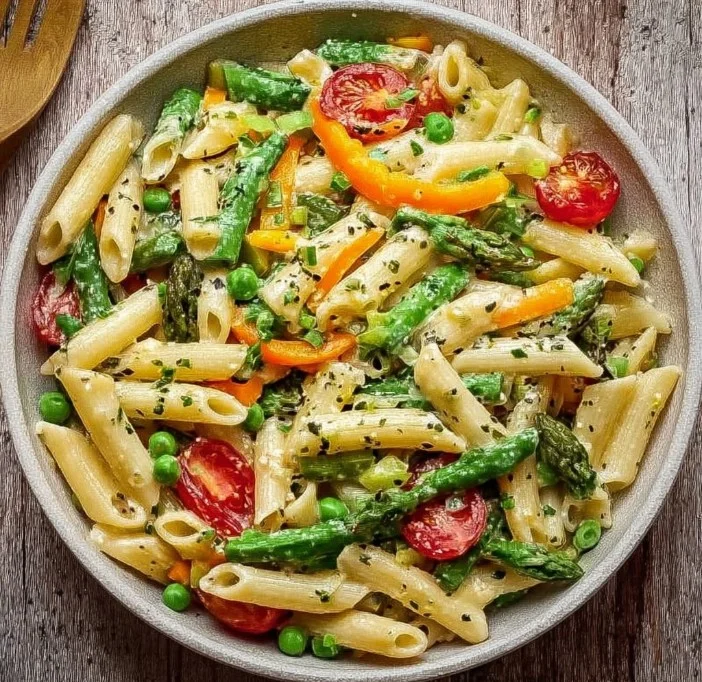
Creamy Pasta Primavera with fresh vegetables and herbs

Creamy Pasta Primavera is the kind of dish that feels like a warm welcome home on a breezy spring evening. This recipe brings together tender pasta, a medley of colorful fresh vegetables, and a silky, lemon-kissed cream sauce that balances richness with brightness. With simple pantry staples—pasta, heavy cream, Parmesan, garlic, olive oil—and seasonal veggies like bell peppers, zucchini, cherry tomatoes, and broccoli, this comforting from-scratch meal is ready in about 30 minutes and perfect for weeknights, springtime gatherings, or whenever you want something both fresh and indulgent. If you love creamy, vegetable-forward pasta, you might also enjoy this restaurant-style creamy shrimp pasta as another quick and satisfying option.

Ingredients & Equipment

Ingredients

  • 8 oz pasta (fettuccine or penne)
  • 1 cup mixed vegetables (bell peppers, zucchini, cherry tomatoes, broccoli)
  • 1 cup heavy cream
  • 1/2 cup grated Parmesan cheese
  • 2 tablespoons olive oil
  • 2 cloves garlic (minced)
  • 1 lemon (juiced and zested)
  • Salt and pepper to taste
  • Fresh herbs (basil or parsley) for garnish

Notes on ingredients

  • Pasta: Fettuccine gives a luxurious mouthfeel; penne is easier to eat and holds the sauce well. Either works beautifully.
  • Mixed vegetables: Use whatever is seasonal and crisp. Snap peas, asparagus, or baby spinach are lovely additions in spring.
  • Cheese: Freshly grated Parmesan melts smoother than pre-shredded blends that contain anti-caking agents.
  • Lemon: Both juice and zest brighten the cream and keep the dish from tasting too heavy.

Helpful equipment

  • Large pot for boiling pasta
  • Colander to drain pasta
  • Large skillet (preferably nonstick or stainless steel) for the sauce and vegetables
  • Microplane or zester for the lemon
  • Tongs for tossing pasta and sauce
  • Optional: blender or immersion blender if you want an ultra-smooth sauce, baking tray if you prefer to roast vegetables, and a kitchen thermometer if you want to check cream temperature.

Step-by-Step Instructions (with tips)

  1. Cook the pasta according to package instructions until al dente. Drain and set aside.

    • Tip: Save 1/2 cup of the pasta cooking water before draining. Starchy pasta water is a secret weapon for loosening and binding sauces.
    • Tip: Al dente pasta will finish cooking a bit in the sauce, so avoid overcooking.
  2. In a large skillet, heat olive oil over medium heat. Add minced garlic and sauté for 1–2 minutes until fragrant.

    • Tip: Watch the garlic carefully—burnt garlic tastes bitter. Reduce heat to medium-low if the skillet gets too hot.
  3. Add mixed vegetables to the skillet and cook until tender, about 5–7 minutes.

    • Variation: For deeper flavor, toss vegetables with olive oil, salt, and pepper and roast on a baking tray at 425°F (220°C) for 12–15 minutes until slightly charred. Roasted veggies add caramelized sweetness.
    • Tip: If you have a mix of quick-cooking (cherry tomatoes, zucchini slices) and slow-cooking vegetables (broccoli florets), add the slow-cooking ones first and the quick ones later so everything finishes together.
  4. Reduce heat and stir in heavy cream, lemon juice, and lemon zest. Bring to a simmer.

    • Tip: Keep the heat low so the cream warms slowly—boiling cream for too long can cause separation.
    • Optional: Stir in a tablespoon of butter for extra gloss and richness.
  5. Add Parmesan cheese and stir until the sauce is smooth.

    • Tip: Add cheese gradually and stir constantly to avoid clumping. If the sauce seems too thick, loosen with reserved pasta water a tablespoon at a time.
  6. Season with salt and pepper to taste.

    • Tip: Parmesan is salty, so taste before over-salting. Freshly cracked black pepper complements the lemon flavor beautifully.
  7. Add the cooked pasta to the skillet and toss to combine with the sauce and vegetables.

    • Tip: Use tongs to gently fold the pasta into the sauce for even coating. If the sauce feels thin, let it simmer for a minute; if too thick, add reserved pasta water.
  8. Serve hot, garnished with fresh herbs.

    • Tip: A sprinkle of extra Parmesan and a few lemon zest strands on top brightens the presentation. Fresh basil gives a sweet, peppery finish while parsley offers a bright herbaceous note.

Extra variations and flavor suggestions

  • Add protein: Fold in grilled chicken, sautéed shrimp, or crispy tofu to make the dish heartier.
  • Spice: A pinch of red pepper flakes with the garlic adds a pleasant warmth.
  • Herb twist: Stir in a tablespoon of pesto for herbaceous depth, or add a splash of white wine when simmering the cream for acidity complexity.
  • Vegan option: Use full-fat coconut cream or a cashew cream (blend soaked cashews with water) and nutritional yeast instead of Parmesan.

Storage, Freezing & Make-Ahead Tips

Storing leftovers

  • Refrigerator: Place leftover Creamy Pasta Primavera in an airtight container and refrigerate for up to 3–4 days. The cream sauce will thicken and the pasta will absorb some liquid.
  • Reheating: Gently reheat on the stovetop over low heat, adding a splash of milk, cream, or reserved pasta water to bring the sauce back to a silky consistency. Microwave works in a pinch—cover and heat in short bursts, stirring in between.

Freezing

  • Freezing creamy pasta is tricky because dairy can change texture. If you plan to freeze, slightly undercook the pasta (about 1–2 minutes less than package directions) and use a sturdier cream base (add a tablespoon of flour to cream when making it to stabilize).
  • Freeze in airtight containers for up to 2 months. Thaw overnight in the refrigerator and reheat gently on the stovetop, adding liquid to rehydrate the sauce.

Make-ahead

  • Vegetables: Roast or sauté the mixed vegetables a day ahead and refrigerate them in a sealed container. On the day, cook pasta and finish the sauce—this shortens hands-on time to 10–15 minutes.
  • Sauce base: Prepare the cream, lemon, and Parmesan mixture and keep it chilled. When ready to serve, warm gently and toss with freshly cooked pasta to preserve texture.
  • Portioning: For single servings, divide into meal-prep containers with a sprinkle of fresh herbs just before eating. Save garnishes separately to keep them fresh.

Portion advice

  • The recipe with 8 oz of pasta serves about 2–3 generous portions or 3–4 moderate portions. Double the recipe for a family or entertaining.

How to Use / Serve This Dish

Serving ideas and pairings

  • Light sides: Pair Creamy Pasta Primavera with a crisp green salad dressed in lemon vinaigrette to echo the pasta’s citrus notes.
  • Bread: Serve with crusty garlic bread or warm focaccia to sop up the sauce.
  • Wine pairing: A light, crisp white like Pinot Grigio or Sauvignon Blanc complements the cream and lemon without overwhelming the vegetables.
  • Make it a menu: For a themed spring meal, serve small antipasti plates followed by the pasta and a simple lemon sorbet to cleanse the palate.

Creative presentation ideas

  • Family-style: Serve the pasta in a large shallow bowl with herbs and grated cheese in the center so guests can help themselves.
  • Individual plates: Twirl fettuccine on a fork, place at the center of a warm plate, and nestle vegetables on top; finish with herb sprigs and lemon zest.

Meal ideas that expand your weeknight repertoire

  • If you’re a fan of creamy, comforting meals with a twist, try a heartier sibling of this dish like a ground turkey creamy pasta for a protein-forward weeknight option, or enjoy a cozy bowl of bacon cheddar gnocchi soup when you want something spoonable and indulgent.

FAQ

Q: Can I make this dairy-free or vegan?
A: Yes. Substitute heavy cream with full-fat coconut milk or homemade cashew cream (blend soaked cashews with enough water for a smooth cream). Replace Parmesan with nutritional yeast and add a pinch of salt and a squeeze of lemon to mimic that savory, nutty flavor.

Q: How can I prevent the cream sauce from separating?
A: Heat the cream gently—avoid high boil. Add cheese off the heat or on very low heat and stir constantly. If you’re worried about separation, whisk a teaspoon of flour into the cream before simmering to stabilize it.

Q: What vegetables work best in Primavera?
A: Primavera is flexible—go for a variety of textures and colors. Bell peppers, zucchini, cherry tomatoes, broccoli, asparagus, snap peas, and baby spinach are excellent choices. Mix quick-cooking and slower vegetables with staging so everything finishes together.

Q: Can I make this recipe ahead for a dinner party?
A: Yes—prepare the vegetables and sauce base ahead of time and cook the pasta just before guests arrive for best texture. Reheat the sauce gently and toss with freshly drained pasta to keep the dish lively and fresh.

Conclusion

Creamy Pasta Primavera is a comforting celebration of seasonal vegetables and simple pantry staples—rich, silky cream meets bright lemon and fresh herbs for a dish that’s both indulgent and light. If you’re looking for inspiration or variations to play with, this version can be adapted to fit weeknight routines, dinner parties, or make-ahead meal prep. For more takes on creamy pasta and inspiration from other cooks, check out this Creamy Pasta Primavera – Easy Recipe – Charlotte Shares, try the classic Creamy Penne Pasta Primavera Recipe for another approach, or explore a slightly different flavor profile at Creamy Pasta Primavera • Salt & Lavender. I hope you’ll give this recipe a try—snap a photo, share it with friends, and let me know what seasonal vegetables you add!
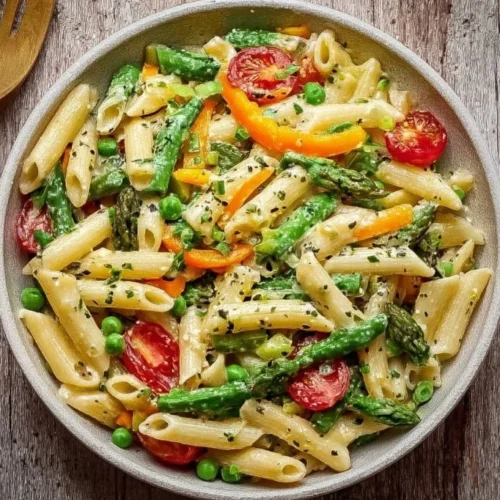
Creamy Pasta Primavera with fresh vegetables and herbs

Creamy Pasta Primavera

A comforting dish featuring tender pasta, a medley of seasonal vegetables, and a silky cream sauce, perfect for spring evenings.
Prep Time 10 minutes
Cook Time 20 minutes
Total Time 30 minutes
Course Dinner, Main Course
Cuisine Italian, Vegetarian
Servings 3 servings
Calories 400 kcal

Ingredients
  

Pasta and Vegetables

  • 8 oz pasta (fettuccine or penne) Fettuccine gives a luxurious mouthfeel; penne holds the sauce well.
  • 1 cup mixed vegetables (bell peppers, zucchini, cherry tomatoes, broccoli) Use whatever is seasonal and crisp. Snap peas, asparagus, or baby spinach are lovely additions in spring.

Cream Sauce

  • 1 cup heavy cream For a silkier sauce, avoid boiling for too long.
  • ½ cup grated Parmesan cheese Use freshly grated for better melting.
  • 2 tablespoons olive oil For sautéing the garlic and vegetables.
  • 2 cloves garlic (minced) Watch closely to avoid burning.
  • 1 lemon juiced and zested Both juice and zest keep the dish light.
  • to taste Salt and pepper Parmesan is salty, taste before over-salting.
  • Fresh herbs (basil or parsley) for garnish For a finishing touch.

Instructions
 

Cooking the Pasta

  • Cook the pasta according to package instructions until al dente. Drain and set aside.
  • Tip: Save 1/2 cup of the pasta cooking water before draining for sauce binding.

Preparing the Sauce

  • In a large skillet, heat olive oil over medium heat. Add minced garlic and sauté for 1–2 minutes until fragrant.
  • Tip: Reduce heat if garlic starts to burn.
  • Add mixed vegetables to the skillet and cook until tender, about 5–7 minutes.
  • Tip: For deeper flavor, roast vegetables at 425°F (220°C) for 12–15 minutes.
  • Reduce heat and stir in heavy cream, lemon juice, and lemon zest. Bring to a simmer.
  • Tip: Keep the heat low to prevent cream from separating.
  • Add Parmesan cheese and stir until the sauce is smooth.
  • Tip: Add cheese gradually and stir constantly.
  • Season with salt and pepper to taste.

Combining

  • Add the cooked pasta to the skillet and toss to combine with the sauce and vegetables.
  • Tip: Gently fold the pasta into the sauce using tongs.
  • Serve hot, garnished with fresh herbs.

Notes

Store leftovers in an airtight container in the refrigerator for up to 3–4 days. Reheat gently with a splash of cream or reserved pasta water.

Nutrition

Serving: 1gCalories: 400kcalCarbohydrates: 40gProtein: 12gFat: 20gSaturated Fat: 10gSodium: 300mgFiber: 3gSugar: 5g
Keyword Creamy Pasta, Pasta Primavera, Quick Meals, Spring Recipes, Vegetable Pasta
Tried this recipe?Let us know how it was!

Creamy Pasta Primavera

Published: January 28, 2026 By sarah

Creamy Pasta Primavera with fresh vegetables and herbs

Creamy Pasta Primavera is the kind of dish that feels like a warm welcome home on a breezy spring evening. This recipe brings together tender pasta, a medley of colorful fresh vegetables, and a silky, lemon-kissed cream sauce that balances richness with brightness. With simple pantry staples—pasta, heavy cream, Parmesan, garlic, olive oil—and seasonal veggies like bell peppers, zucchini, cherry tomatoes, and broccoli, this comforting from-scratch meal is ready in about 30 minutes and perfect for weeknights, springtime gatherings, or whenever you want something both fresh and indulgent. If you love creamy, vegetable-forward pasta, you might also enjoy this restaurant-style creamy shrimp pasta as another quick and satisfying option.

Ingredients & Equipment

Ingredients

  • 8 oz pasta (fettuccine or penne)
  • 1 cup mixed vegetables (bell peppers, zucchini, cherry tomatoes, broccoli)
  • 1 cup heavy cream
  • 1/2 cup grated Parmesan cheese
  • 2 tablespoons olive oil
  • 2 cloves garlic (minced)
  • 1 lemon (juiced and zested)
  • Salt and pepper to taste
  • Fresh herbs (basil or parsley) for garnish

Notes on ingredients

  • Pasta: Fettuccine gives a luxurious mouthfeel; penne is easier to eat and holds the sauce well. Either works beautifully.
  • Mixed vegetables: Use whatever is seasonal and crisp. Snap peas, asparagus, or baby spinach are lovely additions in spring.
  • Cheese: Freshly grated Parmesan melts smoother than pre-shredded blends that contain anti-caking agents.
  • Lemon: Both juice and zest brighten the cream and keep the dish from tasting too heavy.

Helpful equipment

  • Large pot for boiling pasta
  • Colander to drain pasta
  • Large skillet (preferably nonstick or stainless steel) for the sauce and vegetables
  • Microplane or zester for the lemon
  • Tongs for tossing pasta and sauce
  • Optional: blender or immersion blender if you want an ultra-smooth sauce, baking tray if you prefer to roast vegetables, and a kitchen thermometer if you want to check cream temperature.

Step-by-Step Instructions (with tips)

  1. Cook the pasta according to package instructions until al dente. Drain and set aside.

    • Tip: Save 1/2 cup of the pasta cooking water before draining. Starchy pasta water is a secret weapon for loosening and binding sauces.
    • Tip: Al dente pasta will finish cooking a bit in the sauce, so avoid overcooking.
  2. In a large skillet, heat olive oil over medium heat. Add minced garlic and sauté for 1–2 minutes until fragrant.

    • Tip: Watch the garlic carefully—burnt garlic tastes bitter. Reduce heat to medium-low if the skillet gets too hot.
  3. Add mixed vegetables to the skillet and cook until tender, about 5–7 minutes.

    • Variation: For deeper flavor, toss vegetables with olive oil, salt, and pepper and roast on a baking tray at 425°F (220°C) for 12–15 minutes until slightly charred. Roasted veggies add caramelized sweetness.
    • Tip: If you have a mix of quick-cooking (cherry tomatoes, zucchini slices) and slow-cooking vegetables (broccoli florets), add the slow-cooking ones first and the quick ones later so everything finishes together.
  4. Reduce heat and stir in heavy cream, lemon juice, and lemon zest. Bring to a simmer.

    • Tip: Keep the heat low so the cream warms slowly—boiling cream for too long can cause separation.
    • Optional: Stir in a tablespoon of butter for extra gloss and richness.
  5. Add Parmesan cheese and stir until the sauce is smooth.

    • Tip: Add cheese gradually and stir constantly to avoid clumping. If the sauce seems too thick, loosen with reserved pasta water a tablespoon at a time.
  6. Season with salt and pepper to taste.

    • Tip: Parmesan is salty, so taste before over-salting. Freshly cracked black pepper complements the lemon flavor beautifully.
  7. Add the cooked pasta to the skillet and toss to combine with the sauce and vegetables.

    • Tip: Use tongs to gently fold the pasta into the sauce for even coating. If the sauce feels thin, let it simmer for a minute; if too thick, add reserved pasta water.
  8. Serve hot, garnished with fresh herbs.

    • Tip: A sprinkle of extra Parmesan and a few lemon zest strands on top brightens the presentation. Fresh basil gives a sweet, peppery finish while parsley offers a bright herbaceous note.

Extra variations and flavor suggestions

  • Add protein: Fold in grilled chicken, sautéed shrimp, or crispy tofu to make the dish heartier.
  • Spice: A pinch of red pepper flakes with the garlic adds a pleasant warmth.
  • Herb twist: Stir in a tablespoon of pesto for herbaceous depth, or add a splash of white wine when simmering the cream for acidity complexity.
  • Vegan option: Use full-fat coconut cream or a cashew cream (blend soaked cashews with water) and nutritional yeast instead of Parmesan.

Storage, Freezing & Make-Ahead Tips

Storing leftovers

  • Refrigerator: Place leftover Creamy Pasta Primavera in an airtight container and refrigerate for up to 3–4 days. The cream sauce will thicken and the pasta will absorb some liquid.
  • Reheating: Gently reheat on the stovetop over low heat, adding a splash of milk, cream, or reserved pasta water to bring the sauce back to a silky consistency. Microwave works in a pinch—cover and heat in short bursts, stirring in between.

Freezing

  • Freezing creamy pasta is tricky because dairy can change texture. If you plan to freeze, slightly undercook the pasta (about 1–2 minutes less than package directions) and use a sturdier cream base (add a tablespoon of flour to cream when making it to stabilize).
  • Freeze in airtight containers for up to 2 months. Thaw overnight in the refrigerator and reheat gently on the stovetop, adding liquid to rehydrate the sauce.

Make-ahead

  • Vegetables: Roast or sauté the mixed vegetables a day ahead and refrigerate them in a sealed container. On the day, cook pasta and finish the sauce—this shortens hands-on time to 10–15 minutes.
  • Sauce base: Prepare the cream, lemon, and Parmesan mixture and keep it chilled. When ready to serve, warm gently and toss with freshly cooked pasta to preserve texture.
  • Portioning: For single servings, divide into meal-prep containers with a sprinkle of fresh herbs just before eating. Save garnishes separately to keep them fresh.

Portion advice

  • The recipe with 8 oz of pasta serves about 2–3 generous portions or 3–4 moderate portions. Double the recipe for a family or entertaining.

How to Use / Serve This Dish

Serving ideas and pairings

  • Light sides: Pair Creamy Pasta Primavera with a crisp green salad dressed in lemon vinaigrette to echo the pasta’s citrus notes.
  • Bread: Serve with crusty garlic bread or warm focaccia to sop up the sauce.
  • Wine pairing: A light, crisp white like Pinot Grigio or Sauvignon Blanc complements the cream and lemon without overwhelming the vegetables.
  • Make it a menu: For a themed spring meal, serve small antipasti plates followed by the pasta and a simple lemon sorbet to cleanse the palate.

Creative presentation ideas

  • Family-style: Serve the pasta in a large shallow bowl with herbs and grated cheese in the center so guests can help themselves.
  • Individual plates: Twirl fettuccine on a fork, place at the center of a warm plate, and nestle vegetables on top; finish with herb sprigs and lemon zest.

Meal ideas that expand your weeknight repertoire

  • If you’re a fan of creamy, comforting meals with a twist, try a heartier sibling of this dish like a ground turkey creamy pasta for a protein-forward weeknight option, or enjoy a cozy bowl of bacon cheddar gnocchi soup when you want something spoonable and indulgent.

FAQ

Q: Can I make this dairy-free or vegan?
A: Yes. Substitute heavy cream with full-fat coconut milk or homemade cashew cream (blend soaked cashews with enough water for a smooth cream). Replace Parmesan with nutritional yeast and add a pinch of salt and a squeeze of lemon to mimic that savory, nutty flavor.

Q: How can I prevent the cream sauce from separating?
A: Heat the cream gently—avoid high boil. Add cheese off the heat or on very low heat and stir constantly. If you’re worried about separation, whisk a teaspoon of flour into the cream before simmering to stabilize it.

Q: What vegetables work best in Primavera?
A: Primavera is flexible—go for a variety of textures and colors. Bell peppers, zucchini, cherry tomatoes, broccoli, asparagus, snap peas, and baby spinach are excellent choices. Mix quick-cooking and slower vegetables with staging so everything finishes together.

Q: Can I make this recipe ahead for a dinner party?
A: Yes—prepare the vegetables and sauce base ahead of time and cook the pasta just before guests arrive for best texture. Reheat the sauce gently and toss with freshly drained pasta to keep the dish lively and fresh.

Conclusion

Creamy Pasta Primavera is a comforting celebration of seasonal vegetables and simple pantry staples—rich, silky cream meets bright lemon and fresh herbs for a dish that’s both indulgent and light. If you’re looking for inspiration or variations to play with, this version can be adapted to fit weeknight routines, dinner parties, or make-ahead meal prep. For more takes on creamy pasta and inspiration from other cooks, check out this Creamy Pasta Primavera – Easy Recipe – Charlotte Shares, try the classic Creamy Penne Pasta Primavera Recipe for another approach, or explore a slightly different flavor profile at Creamy Pasta Primavera • Salt & Lavender. I hope you’ll give this recipe a try—snap a photo, share it with friends, and let me know what seasonal vegetables you add!

Creamy Pasta Primavera with fresh vegetables and herbs

Creamy Pasta Primavera

A comforting dish featuring tender pasta, a medley of seasonal vegetables, and a silky cream sauce, perfect for spring evenings.
Prep Time 10 minutes
Cook Time 20 minutes
Total Time 30 minutes
Course Dinner, Main Course
Cuisine Italian, Vegetarian
Servings 3 servings
Calories 400 kcal

Ingredients
  

Pasta and Vegetables

  • 8 oz pasta (fettuccine or penne) Fettuccine gives a luxurious mouthfeel; penne holds the sauce well.
  • 1 cup mixed vegetables (bell peppers, zucchini, cherry tomatoes, broccoli) Use whatever is seasonal and crisp. Snap peas, asparagus, or baby spinach are lovely additions in spring.

Cream Sauce

  • 1 cup heavy cream For a silkier sauce, avoid boiling for too long.
  • ½ cup grated Parmesan cheese Use freshly grated for better melting.
  • 2 tablespoons olive oil For sautéing the garlic and vegetables.
  • 2 cloves garlic (minced) Watch closely to avoid burning.
  • 1 lemon juiced and zested Both juice and zest keep the dish light.
  • to taste Salt and pepper Parmesan is salty, taste before over-salting.
  • Fresh herbs (basil or parsley) for garnish For a finishing touch.

Instructions
 

Cooking the Pasta

  • Cook the pasta according to package instructions until al dente. Drain and set aside.
  • Tip: Save 1/2 cup of the pasta cooking water before draining for sauce binding.

Preparing the Sauce

  • In a large skillet, heat olive oil over medium heat. Add minced garlic and sauté for 1–2 minutes until fragrant.
  • Tip: Reduce heat if garlic starts to burn.
  • Add mixed vegetables to the skillet and cook until tender, about 5–7 minutes.
  • Tip: For deeper flavor, roast vegetables at 425°F (220°C) for 12–15 minutes.
  • Reduce heat and stir in heavy cream, lemon juice, and lemon zest. Bring to a simmer.
  • Tip: Keep the heat low to prevent cream from separating.
  • Add Parmesan cheese and stir until the sauce is smooth.
  • Tip: Add cheese gradually and stir constantly.
  • Season with salt and pepper to taste.

Combining

  • Add the cooked pasta to the skillet and toss to combine with the sauce and vegetables.
  • Tip: Gently fold the pasta into the sauce using tongs.
  • Serve hot, garnished with fresh herbs.

Notes

Store leftovers in an airtight container in the refrigerator for up to 3–4 days. Reheat gently with a splash of cream or reserved pasta water.

Nutrition

Serving: 1gCalories: 400kcalCarbohydrates: 40gProtein: 12gFat: 20gSaturated Fat: 10gSodium: 300mgFiber: 3gSugar: 5g
Keyword Creamy Pasta, Pasta Primavera, Quick Meals, Spring Recipes, Vegetable Pasta
Tried this recipe?Let us know how it was!

Leave a Comment

Recipe Rating