
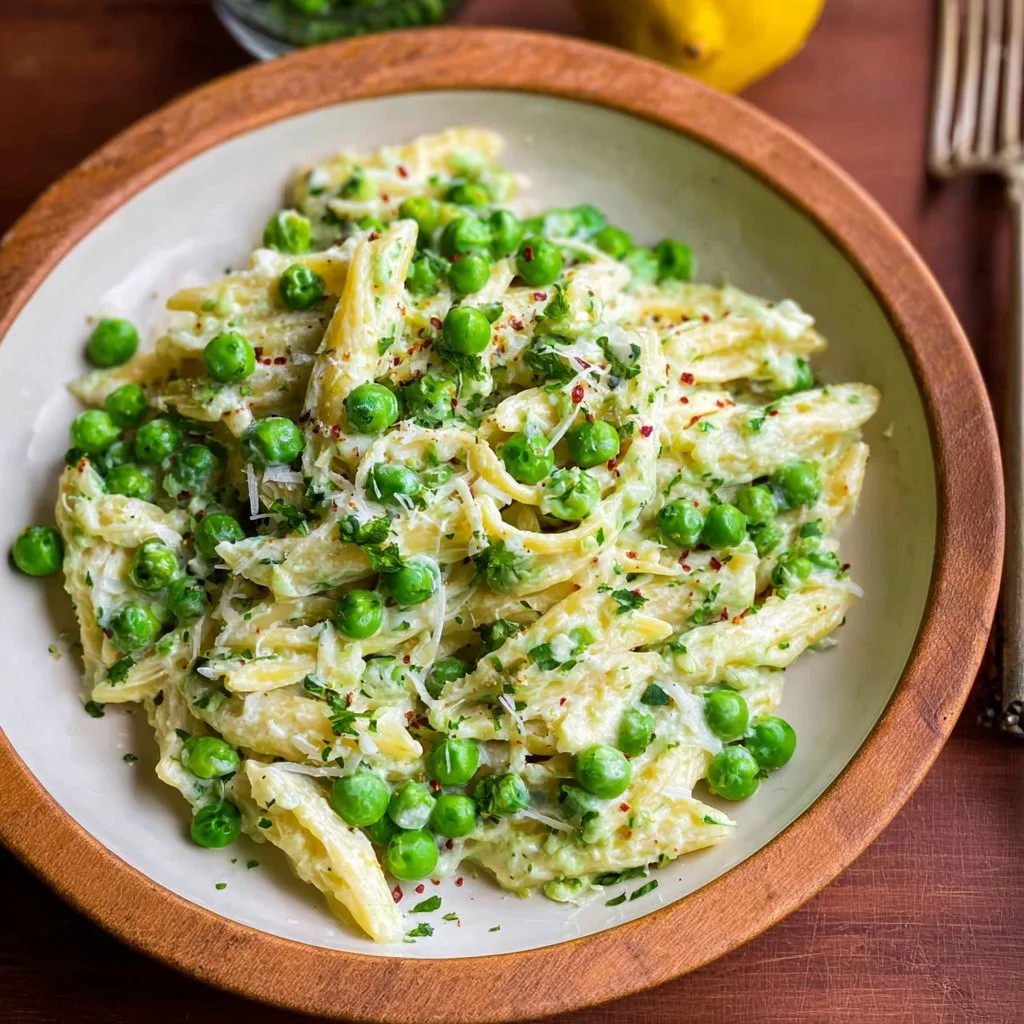
Lemon Ricotta Pasta with Fresh Peas.
Lemon Ricotta Pasta with Fresh Peas is a bright, comforting pasta that feels both effortless and indulgent. If you’re looking for a spring-forward weeknight winner — or a simple dinner to impress without fuss — this dish delivers tender pasta coated in a creamy ricotta-pea sauce, flecked with lemon zest, fragrant herbs, and crunchy toasted pine nuts. The texture is dreamy: pillowy ricotta clings to each noodle, sweet peas pop under your fork, and a sprinkle of Parmesan and chili gives the perfect finishing contrast. If you love from-scratch cooking that still comes together quickly, this recipe is exactly the kind of cozy, seasonal meal that will become a regular; and if you also enjoy hearty bowls like our creamy bean soup with kielbasa, this pasta will feel right at home on your table.
Ingredients & Equipment
Ingredients
- 1/3 cup pine nuts (toasted)
- 1 pound penne (ziti, or rigatoni pasta)
- 1 tablespoon kosher salt (for the pasta water)
- 2 medium cloves garlic (smashed)
- 1/3 cup fresh parsley (any kind)
- 1 teaspoon dried oregano
- 1 teaspoon fresh thyme (or 1/2 teaspoon dried)
- 1 & 1/2 cups peas (frozen and thawed, or use fresh)
- 1 (15-oz) tub ricotta cheese
- 1 tablespoon lemon zest (1 large lemon)
- 2–3 tablespoons fresh lemon juice (taste it)
- 1/4 cup olive oil
- 2 teaspoons kosher salt* (for the sauce)
- 3/4 teaspoon black pepper
- 1 cup peas (fresh is best) — this is an extra cup to stir in at the end for texture and color
- 1/2 cup grated Parmesan
- 1–4 tablespoons olive oil (to drizzle over servings)
- Crushed red pepper (to taste)
Notes
- The ingredient list includes 1 & 1/2 cups peas for blending into the sauce and an additional 1 cup fresh peas to stir in at the end so you get both a smooth, creamy base and bright, popping pieces of pea. You can use all fresh peas when in season or frozen (thawed) year-round.
- The two kosher salt entries are purposeful: 1 tablespoon for a well-salted pasta water, and 2 teaspoons for seasoning the ricotta sauce.
- Adjust lemon juice to taste; start with 2 tablespoons and add more if you want more zing.
Equipment / Helpful Tools
- Large, high-sided skillet (or a wide pot) — used for both toasting and boiling (as in the base directions), or use a separate skillet and pot if you prefer.
- Large pot for boiling pasta (if you don’t use the high-sided skillet for water)
- Colander for draining pasta
- Food processor or blender (for the ricotta-pea sauce)
- Spatula or wooden spoon
- Baking tray (if you prefer roasting peas or toasting pine nuts in the oven)
- Small bowl or plate for toasted pine nuts
- Microplane or fine grater for lemon zest
- Measuring cups and spoons
- Optional: thermometer if you want to check skillet temperature (not necessary)
Step-by-Step Instructions (with tips)
Prep note: Read through all steps first. If using frozen peas, thaw them in a colander under cold running water and drain well. If using fresh peas, shell them and keep them ready.
- Toast the pine nuts
- In a large, high-sided skillet over medium heat, add the pine nuts in a single layer. Toast, stirring constantly, until they’re golden and fragrant — this happens fast, so watch them carefully. The original advice stands: these burn in a hot minute, so keep the pan moving and remove them to a plate as soon as they’re done.
- Tip: If you’re nervous about stovetop toasting, spread the pine nuts on a baking tray and roast in a 350°F (175°C) oven for 6–8 minutes, checking frequently.
- Bring water to a boil
- Fill the same high-sided skillet (or a large pot) with water — enough for the pasta to move freely — and add 1 tablespoon kosher salt. Taste the water; it should be pleasantly salty like seawater. Bring to a rolling boil over high heat.
- Tip: Salting the water well is key to flavor; it seasons the pasta from the inside out.
- Cook the pasta
- Add the pasta and cook, stirring occasionally, until al dente. This will usually take about 10 minutes for penne, but check your package and start tasting a minute or two early. Nobody likes limp noodles — aim for a slight bite.
- When the pasta is al dente, drain it in a colander and return it to the same pot (or place in a large serving bowl). Drizzle with a little olive oil and stir so the noodles don’t stick.
- Make the ricotta pea sauce
- In a food processor or blender, add the smashed garlic cloves and a bunch of parsley (about 1/3 cup, but it’s forgiving — toss in what looks right). Add the dried oregano and fresh thyme (or dried).
- Pulse or blend until the parsley and garlic are finely chopped.
- Add 1 & 1/2 cups peas, the entire tub of ricotta, lemon zest, 2–3 tablespoons lemon juice (taste as you go), 1/4 cup olive oil, 2 teaspoons kosher salt, and 3/4 teaspoon black pepper.
- Pulse until the mixture comes together but still has some texture; the sauce should be creamy but not completely smooth — a little tooth is lovely.
- Tip: If your blender struggles, add the ricotta last and pulse gently, or add a tablespoon or two of hot pasta cooking water to help emulsify.
- Combine pasta + sauce
- Add the ricotta-pea mixture to the pot of drained pasta and stir well to coat. Fold in the remaining 1 cup fresh peas (or thawed frozen peas) so you get both creamy and bright whole peas.
- Add the grated Parmesan and a few drizzles of olive oil, stirring to combine. You can add the cheese into the pot or sprinkle it over individual servings.
- Finish & serve
- Taste and adjust seasoning: more lemon if you want extra brightness, a pinch more salt if needed, or more black pepper. If serving adults, offer crushed red pepper for a little heat.
- Plate the pasta, sprinkle the toasted pine nuts over each serving, and drizzle 1–2 teaspoons olive oil on top for glossy finish.
- Tip: If the sauce feels too thick, stir in a splash of reserved pasta cooking water to loosen it and help the sauce cling to the noodles.
Variations & Flavor Suggestions
- Roasted peas: Toss fresh peas with a little olive oil, salt, and pepper and roast at 400°F for 8–10 minutes until slightly caramelized for deeper flavor.
- Greens swap: Stir in a handful of baby spinach or arugula at the end for extra green goodness.
- Lemon-forward: Increase lemon zest and juice to make a brighter, more citrusy version.
- Herb swap: Try basil in place of parsley for a sweeter herbal note.
- Protein add-ins: Fold in cooked shrimp, grilled chicken, or crispy pancetta for extra heartiness.
- Vegan option: Use a plant-based ricotta substitute and skip the Parmesan or use a vegan alternative.
Kitchen tips
- Reserve a cup of pasta water just before draining. That starchy water is helpful to adjust sauce consistency and help it adhere to the pasta.
- If your ricotta is very wet, drain it in a fine-mesh sieve for 10–15 minutes for a firmer sauce.
- Taste as you go — lemon and salt levels are personal, and small adjustments can lift the whole dish.
Storage, Freezing & Make-Ahead Tips
Short-term storage
- Refrigerate leftovers in an airtight container for up to 3–4 days. The sauce will firm up in the fridge; reheat gently in a skillet over low heat with a splash of water or milk (or reserved pasta water) to loosen it.
- To reheat a single serving, microwave for 60–90 seconds, stirring halfway through, and add a small splash of water if it seems dry.
Freezing
- I don’t recommend freezing fully assembled lemon-ricotta pasta because fresh peas and ricotta can change texture after freezing. If you want to prep ahead, freeze the ricotta-pea sauce and the pasta separately.
- Sauce: Spoon the ricotta mixture into a freezer-safe container and freeze for up to 2 months. Thaw in the fridge overnight and stir with hot pasta, adding a little pasta water to loosen.
- Pasta: Cook pasta al dente, toss with a bit of oil, cool completely, and freeze in single portions if you must; reheat in boiling water for a minute or two, then mix with warmed sauce.
Make-ahead
- Make the ricotta-pea sauce up to 24 hours ahead and store in the fridge. Toast the pine nuts and keep them in an airtight container at room temperature. Bring everything together when you’re ready to serve.
- You can also prepare the pasta earlier in the day, toss it with olive oil, and refrigerate; reheat in a skillet with a little water or broth and fold in the sauce.
Portioning advice
- This recipe using 1 pound of pasta serves about 4 generous portions or 6 if served as a side or with a salad and bread.
How to Use / Serve This Dish
Serving ideas
- Serve Lemon Ricotta Pasta with Fresh Peas as a main with a crisp green salad and crusty bread to soak up any extra sauce.
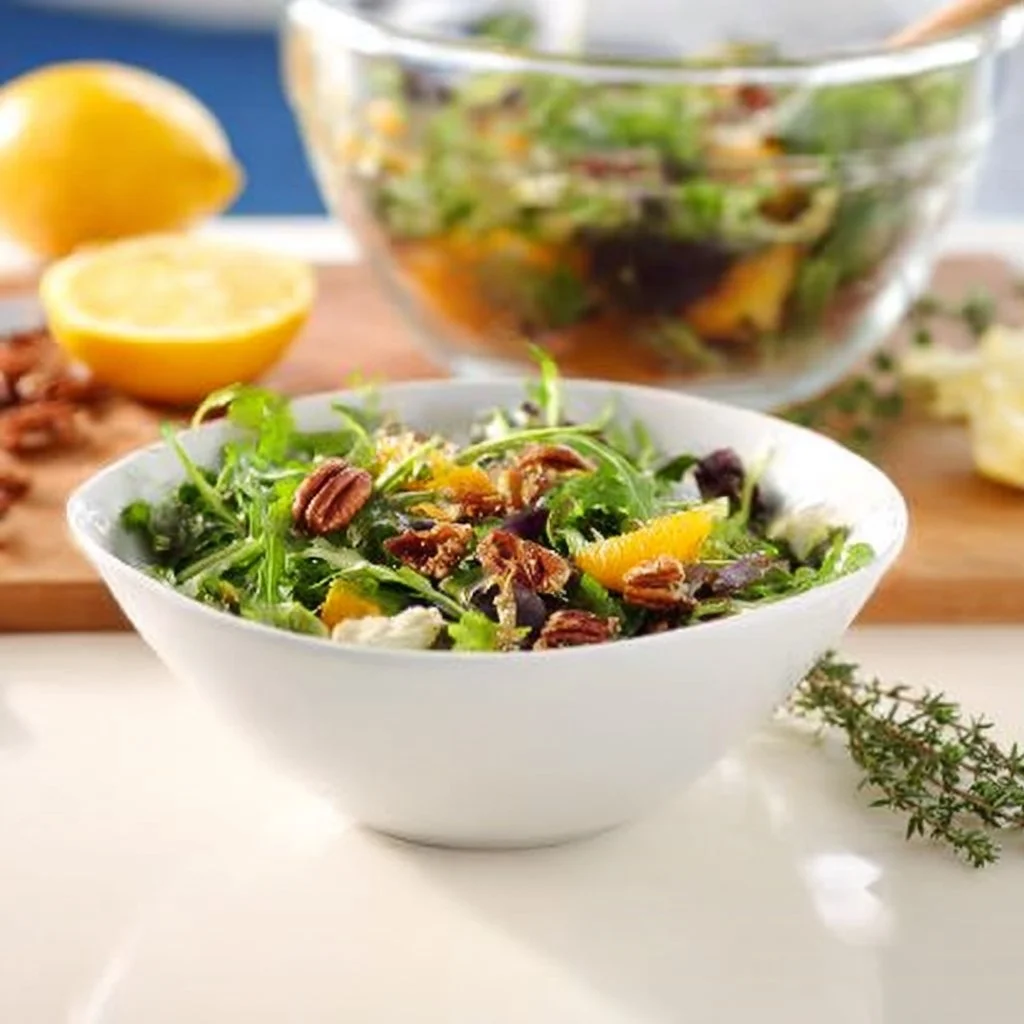
- For a lighter meal, pair with a lemony arugula salad and thinly sliced radishes for peppery crunch.
- For a heartier family dinner, add grilled or shredded rotisserie chicken, or toss in sautéed mushrooms for an earthier note.
Wine & beverage pairings
- A chilled Sauvignon Blanc or Pinot Grigio works beautifully — the acidity complements the lemon and cuts through the ricotta.
- For a non-alcohol option, try sparkling water with a lemon slice or a light, citrusy iced tea.
Meal occasions
- This is a great spring or early summer dish when peas are at their peak, but because it uses frozen peas well, it’s a year-round favorite.
- Quick enough for weeknight meals, elegant enough for small dinner parties.
Creative variations
- Swap pasta shapes: penne, rigatoni, or ziti are recommended because their tubes hold sauce well; farfalle or orecchiette are delightful too.
- Turn it into a cold pasta salad: cool the pasta, toss with the ricotta sauce, add raw or blanched peas and extra herbs, and serve chilled for a picnic-friendly option.
- Make it spicy-sweet: finish with a drizzle of chili oil and a pinch of lemon sugar for a surprising contrast.
While you’re planning sides or alternative textures for this meal, you might like the sweet-and-savory balance in our baked fruit recipes — check out a simple dessert pairing like the baked pears with feta, honey, and cranberries for an easy, elegant finish.
FAQ
Q: Can I use frozen peas?
A: Yes. Thawed frozen peas work great. Use the 1 & 1/2 cups in the sauce and an extra cup of thawed peas for texture. If using frozen peas, thaw and drain them well so they don’t water down the sauce.
Q: Is ricotta the same as mascarpone for this recipe?
A: Ricotta has a grainier, lighter quality and is lower in fat than mascarpone. Mascarpone will give a silkier, richer sauce but change the flavor and texture. If you use mascarpone, reduce additional olive oil and maybe dial back some salt.
Q: How long will leftovers keep?
A: Stored in an airtight container in the fridge, leftovers keep for 3–4 days. Reheat gently to preserve texture, adding a splash of water to loosen the sauce.
Q: Can I make this gluten-free?
A: Absolutely — use your favorite gluten-free pasta cooked according to package instructions. The sauce is naturally gluten-free.
Q: What can I substitute for pine nuts?
A: Toasted almonds (slivered or chopped), walnuts, or even pumpkin seeds make nice alternatives if pine nuts are unavailable or expensive.
Conclusion
There’s a special comfort in a bowl of Lemon Ricotta Pasta with Fresh Peas — bright lemon, creamy ricotta, tender pasta, and the pop of sweet peas come together to create a simple yet memorable meal that maps perfectly onto spring evenings and easy dinner parties. If you’re looking for inspiration or variations, this recipe pairs well with other lemon-forward dishes and quick, weeknight menus. For more ideas and similar recipes to try and adapt, I like this recipe guide for Lemon Pasta with Ricotta and Fresh Peas – The Food Charlatan, a practical quick-meal roundup at Lemon Ricotta Pasta with Spring Peas (25-Minute Weeknight Meal …), and a home-cook friendly take at Pasta with Peas and Ricotta with Lemon (Easy & Delicious). Try the recipe this week — and if you make it, please share a photo or leave a note about how you tweaked it; I love hearing how home cooks make it their own.
Lemon Ricotta Pasta with Fresh Peas
Ingredients
For the pasta
- 1 pound penne (ziti, or rigatoni pasta)
- 1 tablespoon kosher salt (for the pasta water) For boiling pasta
For the sauce
- 1 & ½ cups peas (frozen and thawed, or use fresh) For blending into the sauce
- 1 tub ricotta cheese (15-oz)
- 1 tablespoon lemon zest Zest from 1 large lemon
- 2–3 tablespoons fresh lemon juice Adjust to taste
- ¼ cup olive oil
- 2 teaspoons kosher salt For seasoning the ricotta sauce
- ¾ teaspoon black pepper
- 1 cup peas (fresh is best) Extra peas for texture and color after sauce is combined
- ½ cup grated Parmesan
- 1–4 tablespoons olive oil For drizzling over servings
- Crushed red pepper To taste
For toasting
- ⅓ cup pine nuts (toasted) Watch carefully while toasting
Instructions
Preparation
- If using frozen peas, thaw them in a colander under cold running water and drain well. If using fresh peas, shell them and keep them ready.
Toast the pine nuts
- In a large, high-sided skillet over medium heat, add the pine nuts in a single layer. Toast, stirring constantly, until they're golden and fragrant.
- Tip: If you're nervous about stovetop toasting, spread the pine nuts on a baking tray and roast in a 350°F (175°C) oven for 6–8 minutes, checking frequently.
Cook the pasta
- Fill the same skillet (or a large pot) with enough water for the pasta to move freely, and add 1 tablespoon kosher salt. Bring to a rolling boil over high heat.
- Add the pasta and cook, stirring occasionally, until al dente, usually about 10 minutes. Drain in a colander and return it to the pot.
- Drizzle with a little olive oil and stir so the noodles don’t stick.
Make the ricotta pea sauce
- In a food processor, add the smashed garlic and parsley. Pulse until finely chopped.
- Add 1 & 1/2 cups peas, ricotta, lemon zest, lemon juice, olive oil, kosher salt, and black pepper. Pulse until it comes together with some texture.
- Tip: If your blender struggles, add the ricotta last and pulse gently, or add a tablespoon or two of hot pasta cooking water.
Combine pasta and sauce
- Add the ricotta-pea mixture to the drained pasta and stir well to coat. Fold in remaining 1 cup fresh peas.
- Stir in grated Parmesan and drizzle with olive oil.
Finish & Serve
- Taste and adjust seasoning. Plate the pasta, sprinkle with toasted pine nuts, and drizzle with olive oil.
1 thought on “Lemon Ricotta Pasta with Fresh Peas”