Privacy Policy

Contact Us

Privacy Policy

Contact Us

Kashmiri Pink Tea (Noon Tea)

Published January 26, 2026 By Carol bonaparte

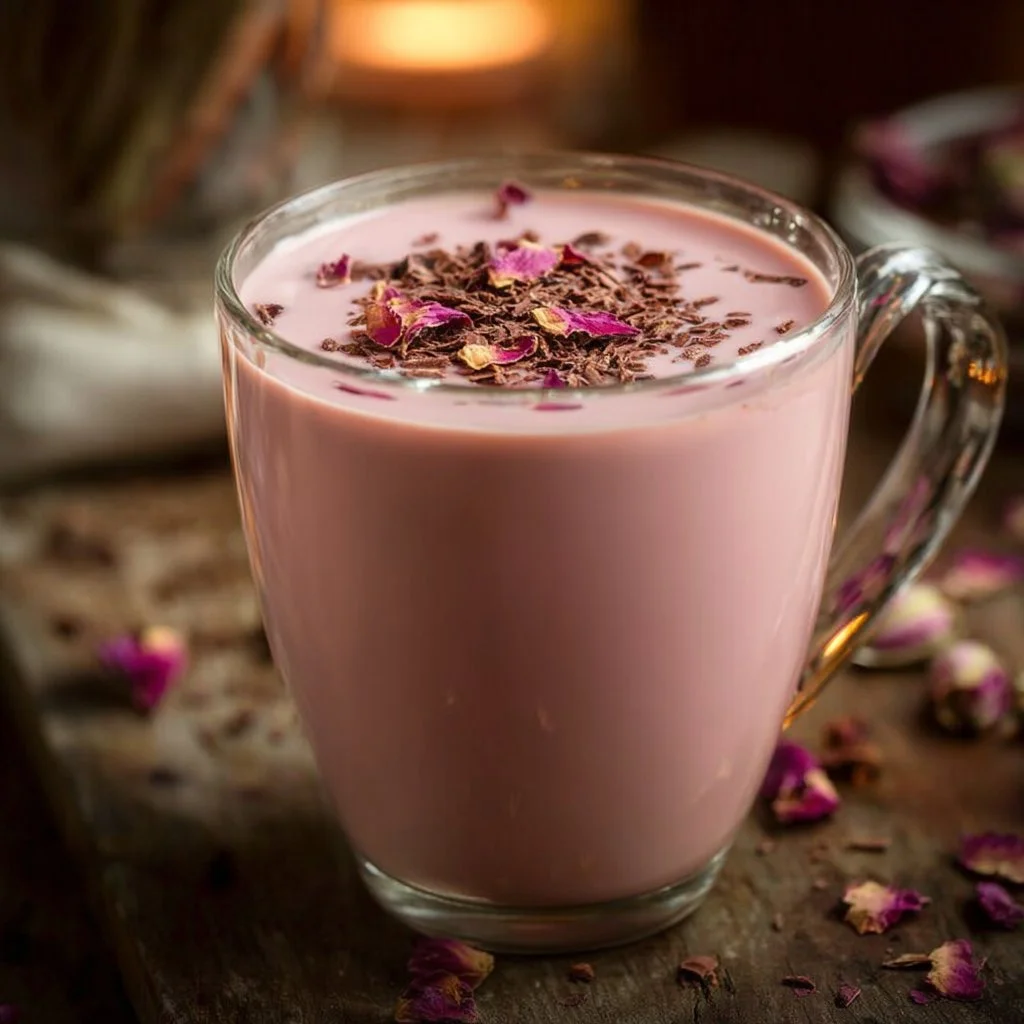
A steaming cup of Kashmiri Pink Tea with aromatic spices and traditional garnishes.

Kashmiri Pink Tea (Noon Tea)

Kashmiri Pink Tea (Noon Tea) is the kind of warming, show-stopping drink that makes chilly mornings feel like a small ceremony. This rosy, cardamom-scented brew has a creamy texture, a gently salty-sweet balance, and a long, comforting finish that makes it perfect for winter gatherings or quiet weekend breakfasts. Traditional Kashmiri pink tea uses green tea leaves, whole milk, a pinch of baking soda to coax that beautiful pink hue, and warming spices like cardamom and cinnamon. If you’re curious about ingredients that add depth and color to a cup, you might also enjoy learning about the benefits of Japanese pink salt as a parallel for how a single ingredient can transform a recipe.

Why try Kashmiri Pink Tea (Noon Tea)?

There’s something deeply comforting about making tea from scratch: you control the aroma, the spice level, and the final sweetness. Kashmiri Pink Tea (Noon Tea) has an elegant appearance and a layered flavor profile — grassy green tea, lightly caramelized milk, warming spices, and a whisper of salt — that feels festive without being fussy. It’s a great seasonal drink for cold weather, holiday brunches, or whenever you want a small sensory ritual. The technique is simple, and once you master the bloom and boil that creates the pink color, you’ll find it easy to scale or adapt to personal tastes.

Ingredients & Equipment

Ingredients

  • 4 cups Water
  • 2 tbsp Kashmiri/Himalayan green tea (or other green tea)
  • 1/2 tsp Baking soda
  • 1-2 Star anise
  • 2 Cardamom pods (crushed)
  • 1 Cinnamon stick
  • 1/4 tsp Salt
  • 2 cups Whole milk
  • Sugar or honey to taste
  • Crushed nuts (e.g. almonds) for garnish (optional)

Notes on ingredients

  • Kashmiri green tea is ideal because of its color and body, but any loose-leaf green tea can be used in a pinch. Stronger teas will deepen flavor; delicate teas will give a lighter finish.
  • Baking soda is responsible for the chemical change that shifts the brew toward pink — use the small amount specified.
  • Whole milk gives the creamiest texture; see the FAQ for dairy-free options.
  • The pinch of salt is traditional and enhances the tea’s savory-sweet character.

Helpful equipment

  • Medium-to-large heavy-bottomed saucepan (to simmer without scorching)
  • Fine-mesh strainer or cheesecloth (to remove leaves and spices)
  • Ladle or wooden spoon for stirring
  • Blender or small whisk (optional: for frothing or integrating nuts)
  • Baking tray or small dish (optional: to toast nuts)
  • Thermometer (optional: to monitor milk temperature if you’re cautious)

If you want to experiment with different textures, a blender can make a lightly frothy chai, and a small baking tray is useful for toasting nuts or warming spices briefly before adding them to the pot.

Step-by-Step Instructions (with tips)

  1. Bring the water to a boil

    • Pour 4 cups of cold water into your saucepan and bring it to a rolling boil over medium-high heat. A heavy-bottomed pan helps prevent hot spots.
  2. Add the green tea and boil for about 5 minutes

    • Drop in the 2 tablespoons of Kashmiri (or other) green tea and let it boil vigorously for roughly 5 minutes. This extracts the pigments and robust flavor. Tip: use loose-leaf tea for the best texture; measure loosely.
  3. Stir in 1/2 teaspoon of baking soda

    • Sprinkle in the baking soda and stir. The water will darken and then shift toward a deep red/burgundy color — that’s the oxidation reaction starting. Continue boiling for another 2 minutes so the color develops fully. Kitchen tip: add the baking soda gradually if you’re trying it for the first time; the reaction is immediate.
  4. Add whole spices and boil for a minute

    • Toss in 1–2 star anise, the crushed cardamom pods, and a cinnamon stick. Let the mixture come to a brief boil for about a minute to release the oils from the spices.
  5. Reduce heat and simmer 20–30 minutes until reduced by half

    • Lower the heat and simmer gently for 20–30 minutes, uncovered, until the mixture reduces to about half its original volume. This concentrates flavor and deepens the color. Tip: keep the pot on the gentler side of a simmer to avoid evaporation that’s too fast — you want rich flavor, not bitterness.
  6. Stir in a quarter teaspoon of salt

    • Add 1/4 tsp salt and mix. The salt heightens the savory-sweet interplay that makes noon tea unique.
  7. Add the milk and bring to a boil, stirring constantly

    • Pour in 2 cups of whole milk and raise the heat. Stir constantly to prevent the milk from scorching. As the milk comes to a boil and emulsifies with the spiced tea, you’ll begin to see the beautiful pink color emerge. Pro tip: if you prefer a lighter pink, use a mix of milk and evaporated milk or reduce milk slightly.
  8. Once the tea turns a beautiful pink, remove from heat and strain

    • When you’re happy with the color and aroma, take the pan off the heat. Use a fine-mesh strainer or cheesecloth to pour the tea into cups, catching the spices and tea leaves.
  9. Sweeten and garnish

    • Add sugar or honey to taste (start with 1–2 teaspoons per cup and adjust). Garnish with crushed nuts like pistachios or almonds. Optional: toast the nuts lightly on a baking tray for extra aroma.
  10. Serve hot and enjoy

  • Serve immediately while it’s warm and fragrant. The frothy, pink surface with a sprinkle of green pistachio is as lovely to look at as it is to drink.

Variations and flavor suggestions

  • Roasting vs boiling spices: briefly toasting whole spices in a dry pan for 30–60 seconds before adding them can give a deeper, nuttier flavor. Alternatively, add spices raw for a fresher note.
  • Stronger tea: increase steep time or tea amount by 1 teaspoon if you prefer a more tannic base.
  • Aromatics: try a small strip of lemon peel for a subtle lift, or a clove for a spicier profile.
  • Frothy finish: blend briefly or whisk vigorously before serving for a cafe-style foam.
  • Salt level: adjust salt to taste — it’s traditional but should not make the tea taste salty, only rounded.

Storage, Freezing & Make-Ahead Tips

Storing leftovers

  • Refrigerate: Transfer cooled pink tea to an airtight container and refrigerate up to 48 hours for best flavor. Separation can occur (milk solids settling), so gently reheat and whisk before serving.
  • Reheating: Warm on the stovetop over low heat, stirring frequently to avoid scorching. Add a splash of milk when reheating if it seems thin.

Freezing

  • Freezing is not recommended for milk-based tea because the texture changes and milk can separate when thawed. If you must freeze, use an ice cube tray to freeze small portions for use in cold smoothies; once thawed they’ll have altered texture.

Make-ahead

  • Tea concentrate: Simmer the tea leaves and spices (steps 1–6) and cool. Store this concentrated brew in the fridge for up to 48 hours. When ready to serve, mix the concentrate with warmed milk, boil briefly to combine, then sweeten. This saves time and preserves the fresh pink color better than reheating finished milk tea.
  • Nuts and garnishes: Toast and store crushed nuts in an airtight container for immediate use.

Portioning advice

  • This recipe yields roughly 4 generous cups. To scale up, increase water and tea proportionally and maintain baking soda amount per quantity (use caution when scaling baking soda). For smaller portions, halve ingredients and reduce simmer time slightly.

How to Use / Serve This Dish

Serving ideas

  • Classic: Serve hot in small tea cups with a garnish of crushed pistachios and a bit of sugar on the side so guests can sweeten to taste.
  • Brunch accompaniment: Pairs beautifully with rich baked goods like cardamom loaves, nutty scones, or buttery parathas.
  • Dessert pairing: The creamy, spiced tea complements milder sweets like semolina halwa, rice pudding, or plain semolina cookies.
  • Iced Pink Tea: For warm weather, chill the brewed concentrate, combine with cold milk or a milk alternative, add sweetener, pour over ice, and top with crushed nuts. Note: color and texture will vary when served cold.

Creative variations

  • Saffron-infused: Steep a pinch of saffron in warm milk before adding to the tea for a luxurious twist.
  • Cardamom-forward: Increase crushed cardamom to make it more aromatic.
  • Dairy-free: Use full-fat coconut milk or oat milk for a dairy-free version — see FAQ for tips on preserving color and texture.

Presentation tips

  • Use small white cups to show off the pink hue, and sprinkle a contrasting green (pistachio) or brown (cinnamon dust) on top for a pretty finish. A small saucer with a biscotti or roasted nuts makes it feel like a special treat.

If you like experimenting with pink-hued pantry ingredients, try combining toasted nuts and spices that echo the flavors of noon tea.

FAQ

Q: Can I use regular green tea bags instead of Kashmiri green tea?
A: Yes — you can use green tea bags in a pinch, but loose-leaf Kashmiri green tea gives the fullest color and body. If using bags, use 2–3 bags or their equivalent strength and consider a slightly longer boil during the initial extraction. Keep in mind the final taste and color may be milder.

Q: Is baking soda safe to use in tea? Why is it needed?
A: Yes, the small amount called for (1/2 tsp) is safe in this recipe. Baking soda raises the pH and chemically alters tea pigments, allowing the color to shift from deep red to the characteristic pink when milk is added. Too much baking soda will make the tea soapy or taste off, so stick to the measurement.

Q: How long will leftover pink tea keep in the refrigerator?
A: Store in an airtight container and consume within 48 hours for best flavor and texture. Shake or whisk gently when reheating to reincorporate solids. Avoid freezing finished milk tea; instead freeze concentrates or use refrigeration.

Q: Can I make a dairy-free Kashmiri Pink Tea?
A: Yes. Use full-fat coconut milk for a creamier result or a barista-style oat milk for a smoother, less coconutty profile. Note that non-dairy milks can alter the final pink shade and mouthfeel; coconut tends to produce a richer body while oat milk is lighter. When using dairy-free options, warm them gently and watch for separation.

Tips from the kitchen

  • Always monitor milk closely when bringing to a boil to avoid overflows and scorch.
  • If your first batch doesn’t turn pink, check the baking soda amount and the strength of your tea — slight adjustments usually fix it.
  • Keep spices in whole form until simmering to preserve bright, fresh oils.

Conclusion

Kashmiri Pink Tea (Noon Tea) is more than a beverage — it’s a little ritual that warms the hands and the heart. The creamy texture, fragrant spices, and surprising rosy color make it a seasonal favorite for gatherings, quiet mornings, or when you want a cozy twist on your usual cup. If you’d like another take on the classic recipe or a quick version to try first, this 20-minute Kashmiri Chai recipe offers a speedy approach. For inspiration on regional variations and presentation, this Kashmiri Pink Chai guide is a lovely visual reference. If you’re exploring authentic preparations and Karachi-style nuances, see this authentic Pakistani pink tea post for more background. I hope you’ll give this recipe a try — steep, simmer, sweeten, and share your pink tea moments with friends and family. If you make it, tell me how you flavored it or what you paired it with — I’d love to hear.
A steaming cup of Kashmiri Pink Tea with aromatic spices and traditional garnishes.

Kashmiri Pink Tea (Noon Tea)

A warming, cardamom-scented brew with a creamy texture and a comforting finish, perfect for chilly mornings and gatherings.
Prep Time 15 minutes
Cook Time 30 minutes
Total Time 45 minutes
Course Beverage, Warm Drink
Cuisine Indian, Kashmiri
Servings 4 cups
Calories 150 kcal

Ingredients
  

For the tea

  • 4 cups Water Use cold water.
  • 2 tbsp Kashmiri/Himalayan green tea (or other green tea) Loose-leaf tea is preferred.
  • ½ tsp Baking soda Responsible for the pink color.
  • 1-2 pieces Star anise Optional, for flavor.
  • 2 pieces Cardamom pods (crushed) Crushed for better flavor extraction.
  • 1 stick Cinnamon For warming flavor.
  • ¼ tsp Salt Enhances savory-sweet character.

For the finishing touch

  • 2 cups Whole milk Gives creamy texture.
  • to taste Sugar or honey Adjust according to preference.
  • to taste Crushed nuts (e.g. almonds) for garnish Optional for extra flavor and texture.

Instructions
 

Preparation

  • Pour 4 cups of cold water into your saucepan and bring it to a rolling boil over medium-high heat.
  • Drop in the 2 tablespoons of Kashmiri green tea and let it boil vigorously for roughly 5 minutes.
  • Sprinkle in the baking soda and stir. The water will darken then shift towards a deep red/burgundy color.
  • Toss in 1–2 star anise, crushed cardamom pods, and a cinnamon stick. Let mixture come to a brief boil for about a minute.
  • Lower the heat and simmer gently for 20–30 minutes until the mixture reduces to about half its original volume.

Finishing

  • Add 1/4 tsp salt and mix.
  • Pour in 2 cups of whole milk and raise the heat while stirring constantly.
  • Once the tea turns a beautiful pink, remove from heat and strain using a fine-mesh strainer or cheesecloth.
  • Sweeten with sugar or honey to taste and garnish with crushed nuts before serving.
  • Serve immediately while it’s warm and fragrant.

Notes

Variations include toasting spices for deeper flavor and substituting milk with coconut milk for a dairy-free option. Store leftovers in an airtight container for up to 48 hours.

Nutrition

Serving: 1gCalories: 150kcalCarbohydrates: 12gProtein: 4gFat: 8gSaturated Fat: 4gSodium: 100mgSugar: 5g
Keyword Kashmiri Pink Tea, Noon Tea, Spiced Tea, Tea Recipe, Winter Drink
Tried this recipe?Let us know how it was!

Kashmiri Pink Tea (Noon Tea)

Published: January 26, 2026 By Carol bonaparte

A steaming cup of Kashmiri Pink Tea with aromatic spices and traditional garnishes.

Kashmiri Pink Tea (Noon Tea)

Kashmiri Pink Tea (Noon Tea) is the kind of warming, show-stopping drink that makes chilly mornings feel like a small ceremony. This rosy, cardamom-scented brew has a creamy texture, a gently salty-sweet balance, and a long, comforting finish that makes it perfect for winter gatherings or quiet weekend breakfasts. Traditional Kashmiri pink tea uses green tea leaves, whole milk, a pinch of baking soda to coax that beautiful pink hue, and warming spices like cardamom and cinnamon. If you’re curious about ingredients that add depth and color to a cup, you might also enjoy learning about the benefits of Japanese pink salt as a parallel for how a single ingredient can transform a recipe.

Why try Kashmiri Pink Tea (Noon Tea)?

There’s something deeply comforting about making tea from scratch: you control the aroma, the spice level, and the final sweetness. Kashmiri Pink Tea (Noon Tea) has an elegant appearance and a layered flavor profile — grassy green tea, lightly caramelized milk, warming spices, and a whisper of salt — that feels festive without being fussy. It’s a great seasonal drink for cold weather, holiday brunches, or whenever you want a small sensory ritual. The technique is simple, and once you master the bloom and boil that creates the pink color, you’ll find it easy to scale or adapt to personal tastes.

Ingredients & Equipment

Ingredients

  • 4 cups Water
  • 2 tbsp Kashmiri/Himalayan green tea (or other green tea)
  • 1/2 tsp Baking soda
  • 1-2 Star anise
  • 2 Cardamom pods (crushed)
  • 1 Cinnamon stick
  • 1/4 tsp Salt
  • 2 cups Whole milk
  • Sugar or honey to taste
  • Crushed nuts (e.g. almonds) for garnish (optional)

Notes on ingredients

  • Kashmiri green tea is ideal because of its color and body, but any loose-leaf green tea can be used in a pinch. Stronger teas will deepen flavor; delicate teas will give a lighter finish.
  • Baking soda is responsible for the chemical change that shifts the brew toward pink — use the small amount specified.
  • Whole milk gives the creamiest texture; see the FAQ for dairy-free options.
  • The pinch of salt is traditional and enhances the tea’s savory-sweet character.

Helpful equipment

  • Medium-to-large heavy-bottomed saucepan (to simmer without scorching)
  • Fine-mesh strainer or cheesecloth (to remove leaves and spices)
  • Ladle or wooden spoon for stirring
  • Blender or small whisk (optional: for frothing or integrating nuts)
  • Baking tray or small dish (optional: to toast nuts)
  • Thermometer (optional: to monitor milk temperature if you’re cautious)

If you want to experiment with different textures, a blender can make a lightly frothy chai, and a small baking tray is useful for toasting nuts or warming spices briefly before adding them to the pot.

Step-by-Step Instructions (with tips)

  1. Bring the water to a boil

    • Pour 4 cups of cold water into your saucepan and bring it to a rolling boil over medium-high heat. A heavy-bottomed pan helps prevent hot spots.
  2. Add the green tea and boil for about 5 minutes

    • Drop in the 2 tablespoons of Kashmiri (or other) green tea and let it boil vigorously for roughly 5 minutes. This extracts the pigments and robust flavor. Tip: use loose-leaf tea for the best texture; measure loosely.
  3. Stir in 1/2 teaspoon of baking soda

    • Sprinkle in the baking soda and stir. The water will darken and then shift toward a deep red/burgundy color — that’s the oxidation reaction starting. Continue boiling for another 2 minutes so the color develops fully. Kitchen tip: add the baking soda gradually if you’re trying it for the first time; the reaction is immediate.
  4. Add whole spices and boil for a minute

    • Toss in 1–2 star anise, the crushed cardamom pods, and a cinnamon stick. Let the mixture come to a brief boil for about a minute to release the oils from the spices.
  5. Reduce heat and simmer 20–30 minutes until reduced by half

    • Lower the heat and simmer gently for 20–30 minutes, uncovered, until the mixture reduces to about half its original volume. This concentrates flavor and deepens the color. Tip: keep the pot on the gentler side of a simmer to avoid evaporation that’s too fast — you want rich flavor, not bitterness.
  6. Stir in a quarter teaspoon of salt

    • Add 1/4 tsp salt and mix. The salt heightens the savory-sweet interplay that makes noon tea unique.
  7. Add the milk and bring to a boil, stirring constantly

    • Pour in 2 cups of whole milk and raise the heat. Stir constantly to prevent the milk from scorching. As the milk comes to a boil and emulsifies with the spiced tea, you’ll begin to see the beautiful pink color emerge. Pro tip: if you prefer a lighter pink, use a mix of milk and evaporated milk or reduce milk slightly.
  8. Once the tea turns a beautiful pink, remove from heat and strain

    • When you’re happy with the color and aroma, take the pan off the heat. Use a fine-mesh strainer or cheesecloth to pour the tea into cups, catching the spices and tea leaves.
  9. Sweeten and garnish

    • Add sugar or honey to taste (start with 1–2 teaspoons per cup and adjust). Garnish with crushed nuts like pistachios or almonds. Optional: toast the nuts lightly on a baking tray for extra aroma.
  10. Serve hot and enjoy

  • Serve immediately while it’s warm and fragrant. The frothy, pink surface with a sprinkle of green pistachio is as lovely to look at as it is to drink.

Variations and flavor suggestions

  • Roasting vs boiling spices: briefly toasting whole spices in a dry pan for 30–60 seconds before adding them can give a deeper, nuttier flavor. Alternatively, add spices raw for a fresher note.
  • Stronger tea: increase steep time or tea amount by 1 teaspoon if you prefer a more tannic base.
  • Aromatics: try a small strip of lemon peel for a subtle lift, or a clove for a spicier profile.
  • Frothy finish: blend briefly or whisk vigorously before serving for a cafe-style foam.
  • Salt level: adjust salt to taste — it’s traditional but should not make the tea taste salty, only rounded.

Storage, Freezing & Make-Ahead Tips

Storing leftovers

  • Refrigerate: Transfer cooled pink tea to an airtight container and refrigerate up to 48 hours for best flavor. Separation can occur (milk solids settling), so gently reheat and whisk before serving.
  • Reheating: Warm on the stovetop over low heat, stirring frequently to avoid scorching. Add a splash of milk when reheating if it seems thin.

Freezing

  • Freezing is not recommended for milk-based tea because the texture changes and milk can separate when thawed. If you must freeze, use an ice cube tray to freeze small portions for use in cold smoothies; once thawed they’ll have altered texture.

Make-ahead

  • Tea concentrate: Simmer the tea leaves and spices (steps 1–6) and cool. Store this concentrated brew in the fridge for up to 48 hours. When ready to serve, mix the concentrate with warmed milk, boil briefly to combine, then sweeten. This saves time and preserves the fresh pink color better than reheating finished milk tea.
  • Nuts and garnishes: Toast and store crushed nuts in an airtight container for immediate use.

Portioning advice

  • This recipe yields roughly 4 generous cups. To scale up, increase water and tea proportionally and maintain baking soda amount per quantity (use caution when scaling baking soda). For smaller portions, halve ingredients and reduce simmer time slightly.

How to Use / Serve This Dish

Serving ideas

  • Classic: Serve hot in small tea cups with a garnish of crushed pistachios and a bit of sugar on the side so guests can sweeten to taste.
  • Brunch accompaniment: Pairs beautifully with rich baked goods like cardamom loaves, nutty scones, or buttery parathas.
  • Dessert pairing: The creamy, spiced tea complements milder sweets like semolina halwa, rice pudding, or plain semolina cookies.
  • Iced Pink Tea: For warm weather, chill the brewed concentrate, combine with cold milk or a milk alternative, add sweetener, pour over ice, and top with crushed nuts. Note: color and texture will vary when served cold.

Creative variations

  • Saffron-infused: Steep a pinch of saffron in warm milk before adding to the tea for a luxurious twist.
  • Cardamom-forward: Increase crushed cardamom to make it more aromatic.
  • Dairy-free: Use full-fat coconut milk or oat milk for a dairy-free version — see FAQ for tips on preserving color and texture.

Presentation tips

  • Use small white cups to show off the pink hue, and sprinkle a contrasting green (pistachio) or brown (cinnamon dust) on top for a pretty finish. A small saucer with a biscotti or roasted nuts makes it feel like a special treat.

If you like experimenting with pink-hued pantry ingredients, try combining toasted nuts and spices that echo the flavors of noon tea.

FAQ

Q: Can I use regular green tea bags instead of Kashmiri green tea?
A: Yes — you can use green tea bags in a pinch, but loose-leaf Kashmiri green tea gives the fullest color and body. If using bags, use 2–3 bags or their equivalent strength and consider a slightly longer boil during the initial extraction. Keep in mind the final taste and color may be milder.

Q: Is baking soda safe to use in tea? Why is it needed?
A: Yes, the small amount called for (1/2 tsp) is safe in this recipe. Baking soda raises the pH and chemically alters tea pigments, allowing the color to shift from deep red to the characteristic pink when milk is added. Too much baking soda will make the tea soapy or taste off, so stick to the measurement.

Q: How long will leftover pink tea keep in the refrigerator?
A: Store in an airtight container and consume within 48 hours for best flavor and texture. Shake or whisk gently when reheating to reincorporate solids. Avoid freezing finished milk tea; instead freeze concentrates or use refrigeration.

Q: Can I make a dairy-free Kashmiri Pink Tea?
A: Yes. Use full-fat coconut milk for a creamier result or a barista-style oat milk for a smoother, less coconutty profile. Note that non-dairy milks can alter the final pink shade and mouthfeel; coconut tends to produce a richer body while oat milk is lighter. When using dairy-free options, warm them gently and watch for separation.

Tips from the kitchen

  • Always monitor milk closely when bringing to a boil to avoid overflows and scorch.
  • If your first batch doesn’t turn pink, check the baking soda amount and the strength of your tea — slight adjustments usually fix it.
  • Keep spices in whole form until simmering to preserve bright, fresh oils.

Conclusion

Kashmiri Pink Tea (Noon Tea) is more than a beverage — it’s a little ritual that warms the hands and the heart. The creamy texture, fragrant spices, and surprising rosy color make it a seasonal favorite for gatherings, quiet mornings, or when you want a cozy twist on your usual cup. If you’d like another take on the classic recipe or a quick version to try first, this 20-minute Kashmiri Chai recipe offers a speedy approach. For inspiration on regional variations and presentation, this Kashmiri Pink Chai guide is a lovely visual reference. If you’re exploring authentic preparations and Karachi-style nuances, see this authentic Pakistani pink tea post for more background. I hope you’ll give this recipe a try — steep, simmer, sweeten, and share your pink tea moments with friends and family. If you make it, tell me how you flavored it or what you paired it with — I’d love to hear.

A steaming cup of Kashmiri Pink Tea with aromatic spices and traditional garnishes.

Kashmiri Pink Tea (Noon Tea)

A warming, cardamom-scented brew with a creamy texture and a comforting finish, perfect for chilly mornings and gatherings.
Prep Time 15 minutes
Cook Time 30 minutes
Total Time 45 minutes
Course Beverage, Warm Drink
Cuisine Indian, Kashmiri
Servings 4 cups
Calories 150 kcal

Ingredients
  

For the tea

  • 4 cups Water Use cold water.
  • 2 tbsp Kashmiri/Himalayan green tea (or other green tea) Loose-leaf tea is preferred.
  • ½ tsp Baking soda Responsible for the pink color.
  • 1-2 pieces Star anise Optional, for flavor.
  • 2 pieces Cardamom pods (crushed) Crushed for better flavor extraction.
  • 1 stick Cinnamon For warming flavor.
  • ¼ tsp Salt Enhances savory-sweet character.

For the finishing touch

  • 2 cups Whole milk Gives creamy texture.
  • to taste Sugar or honey Adjust according to preference.
  • to taste Crushed nuts (e.g. almonds) for garnish Optional for extra flavor and texture.

Instructions
 

Preparation

  • Pour 4 cups of cold water into your saucepan and bring it to a rolling boil over medium-high heat.
  • Drop in the 2 tablespoons of Kashmiri green tea and let it boil vigorously for roughly 5 minutes.
  • Sprinkle in the baking soda and stir. The water will darken then shift towards a deep red/burgundy color.
  • Toss in 1–2 star anise, crushed cardamom pods, and a cinnamon stick. Let mixture come to a brief boil for about a minute.
  • Lower the heat and simmer gently for 20–30 minutes until the mixture reduces to about half its original volume.

Finishing

  • Add 1/4 tsp salt and mix.
  • Pour in 2 cups of whole milk and raise the heat while stirring constantly.
  • Once the tea turns a beautiful pink, remove from heat and strain using a fine-mesh strainer or cheesecloth.
  • Sweeten with sugar or honey to taste and garnish with crushed nuts before serving.
  • Serve immediately while it’s warm and fragrant.

Notes

Variations include toasting spices for deeper flavor and substituting milk with coconut milk for a dairy-free option. Store leftovers in an airtight container for up to 48 hours.

Nutrition

Serving: 1gCalories: 150kcalCarbohydrates: 12gProtein: 4gFat: 8gSaturated Fat: 4gSodium: 100mgSugar: 5g
Keyword Kashmiri Pink Tea, Noon Tea, Spiced Tea, Tea Recipe, Winter Drink
Tried this recipe?Let us know how it was!

Leave a Comment

Recipe Rating