Privacy Policy

Contact Us

Privacy Policy

Contact Us

15 Ways to Use Canned Seafood, According to Chefs

Published March 21, 2026 By Carol bonaparte

Canned seafood dishes showcasing creative recipes from chefs

15 Ways to Use Canned Seafood, According to Chefs.
If pantry cooking makes you feel warm and resourceful, this collection will be your new favorite seasonal companion. In "15 Ways to Use Canned Seafood, According to Chefs" you’ll find approachable, comforting ideas built around staples like canned tuna, salmon, sardines, and mackerel — all with notes on texture (flaky, silky, or meaty), bright flavor pairings (lemon, herbs, toasted spices), and easy swaps for the season. These ideas are perfect for weeknight dinners, cozy lunches, or weekend brunches when you want home-cooked goodness without hours in the kitchen; and if you like sweet-savory combos, pair a citrusy salad alongside these amazing spiced pumpkin streusel muffins for a balanced meal with a smile: amazing spiced pumpkin streusel muffins.

Why canned seafood is seasonal comfort

Canned seafood is wonderfully seasonal in spirit even when it’s available year-round: it’s pantry-stable, nutrient-rich, and easy to dress up for crisp spring salads, cozy autumn stews, or fresh summer sandwiches. Chefs love tin fish because the intense flavor concentrates in a can — making it ideal for bold spreads, quick sautés, or elegant simple plates. Below, you’ll find ingredients, tools, a flexible step-by-step base method, and 15 chef-approved ways to turn cans into dishes full of texture and warmth.

Ingredients & Equipment

Ingredients (pantry-ready; adjust quantities for servings)

  • Canned tuna (in olive oil or water)
  • Canned salmon (skinless or with skin, flaked)
  • Canned sardines or mackerel (whole or fillets)
  • Canned crab or anchovy fillets (optional, for umami)
  • Olive oil (extra-virgin for finishing)
  • Lemon and/or lime
  • Garlic
  • Fresh herbs: parsley, dill, cilantro
  • Capers or olives (briny accents)
  • Dijon mustard
  • Plain yogurt or mayonnaise (or tahini for dairy-free)
  • Chickpeas or cannellini beans (canned)
  • Cooked rice or pasta
  • Breadcrumbs or panko
  • Eggs (for binding patties)
  • Onions, scallions, or shallots
  • Tomatoes or roasted red peppers
  • Spices: smoked paprika, cumin, coriander, black pepper, chili flakes
  • Salt (to taste) and pepper

Helpful Equipment

  • Can opener and fork for flaking
  • Mixing bowls
  • Skillet (nonstick or cast-iron)
  • Baking tray for broiling/roasting
  • Blender or food processor (for spreads and dips)
  • Measuring spoons and cups
  • Wooden spoon or spatula
  • Cooling rack (optional)
  • Thermometer (useful for fish cakes or patties)

Notes

  • Choose tins labeled sustainably sourced when possible.
  • Olive oil–packed tins add flavor; rinse if you prefer lighter texture.
  • A blender helps make silky spreads; a fork is great for flaky salads.

Step-by-Step Instructions (with tips)

Below is a flexible base method you can adapt for salads, patties, pasta, soups, and more. Use it as a template, then pick from the 15 chef-inspired ideas that follow.

Base Preparation: How to Handle Canned Seafood

  1. Open and inspect: Open the can, drain the liquid into the sink or a small bowl if you want to reuse the oil for cooking or dressing. For oily tins, reserve a tablespoon for a more flavorful sauté or vinaigrette.
  2. Flake or keep whole: For salads and pasta, use a fork to gently flake the fish into bite-sized pieces. For dishes where texture matters (like sardine toast), keep fillets whole or halved.
  3. Remove large bones if present: Many canned sardines and salmon contain edible bones rich in calcium. If you prefer a boneless texture, press and remove any large bones with a fork or your fingers.
  4. Taste and season: Canned seafood can be salty, especially anchovies and some sardines. Taste first, then add lemon, herbs, or a touch of sugar to balance if needed.

Variations and cooking tips

  • Sautéing vs. Broiling: For patties or to crisp canned fish, form patties and pan-sear over medium-high heat for 3–4 minutes per side until golden. For a crisp finish on open-faced toast or fish-topped gratins, broil 2–4 minutes until edges bubble.
  • Roasting vegetables with canned seafood: Roast tomatoes, onions, and peppers until caramelized, then toss with flaked fish for depth.
  • Blending into spreads: In a food processor, combine drained fish, yogurt or mayo, lemon, capers, and herbs for a silky spread. Chill for 30 minutes to let flavors meld.
  • For soups and stews: Add canned fish near the end of simmering to preserve texture; avoid long boiling which breaks down delicate flakes.

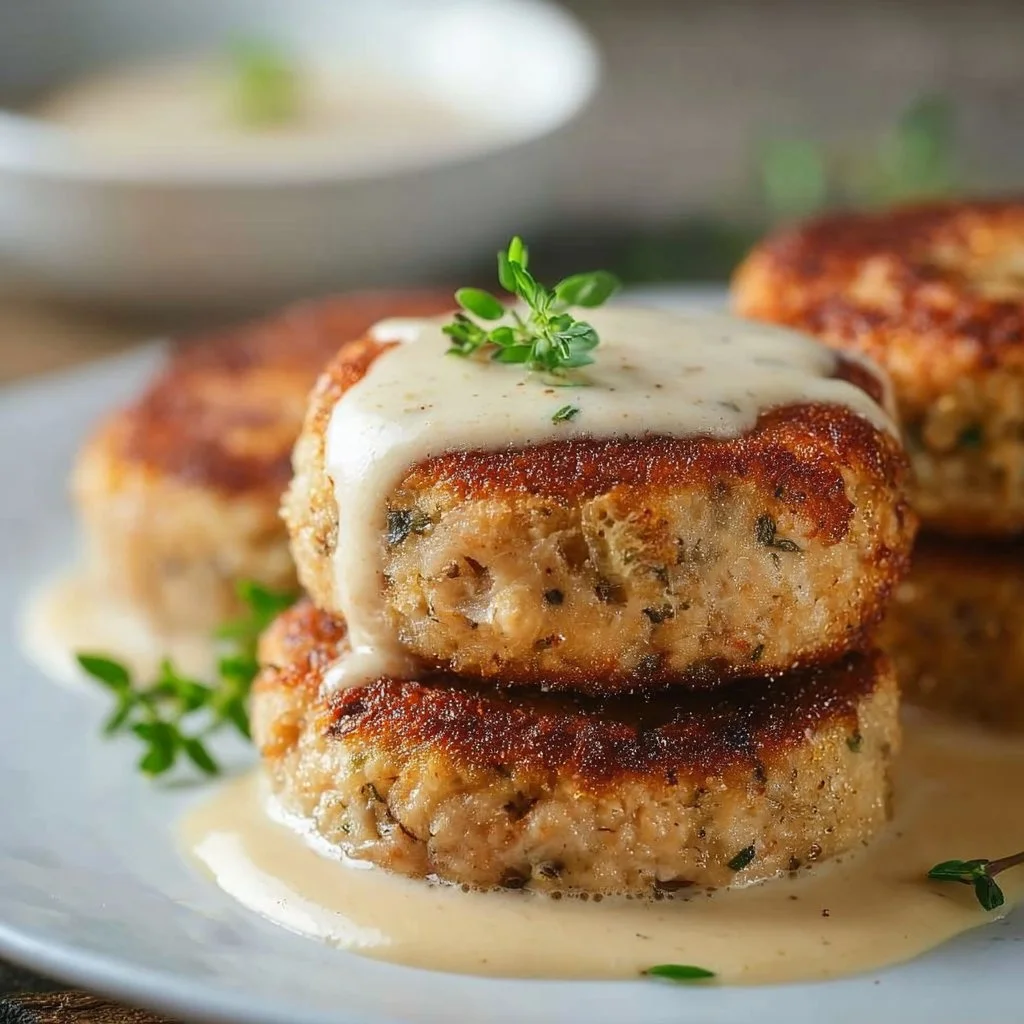
Quick recipe example — Flaky Tuna Cakes (serves 4)
Ingredients:

  • 2 cans tuna (drained), 1 small onion finely chopped, 1 egg, 1/2 cup panko, 1 tbsp Dijon, 2 tbsp chopped parsley, zest and juice of 1 lemon, salt and pepper, olive oil for frying.

Steps:

  1. Mix tuna, onion, egg, panko, Dijon, parsley, lemon zest and juice, salt, and pepper until combined.
  2. Form into 8 small patties and chill 10 minutes (helps hold shape).
  3. Heat 2 tbsp olive oil in a skillet over medium heat. Pan-sear patties 3–4 minutes per side until golden.
  4. Serve warm with lemon wedges and a green salad.

Chef tip: If patties feel too wet, add more panko; if too dry, a spoonful of yogurt will bring moisture and tang.

15 Chef-Approved Ways to Use Canned Seafood

  1. Tuna Niçoise-inspired bowl — flaked tuna with potatoes, green beans, olives, and a mustardy vinaigrette.
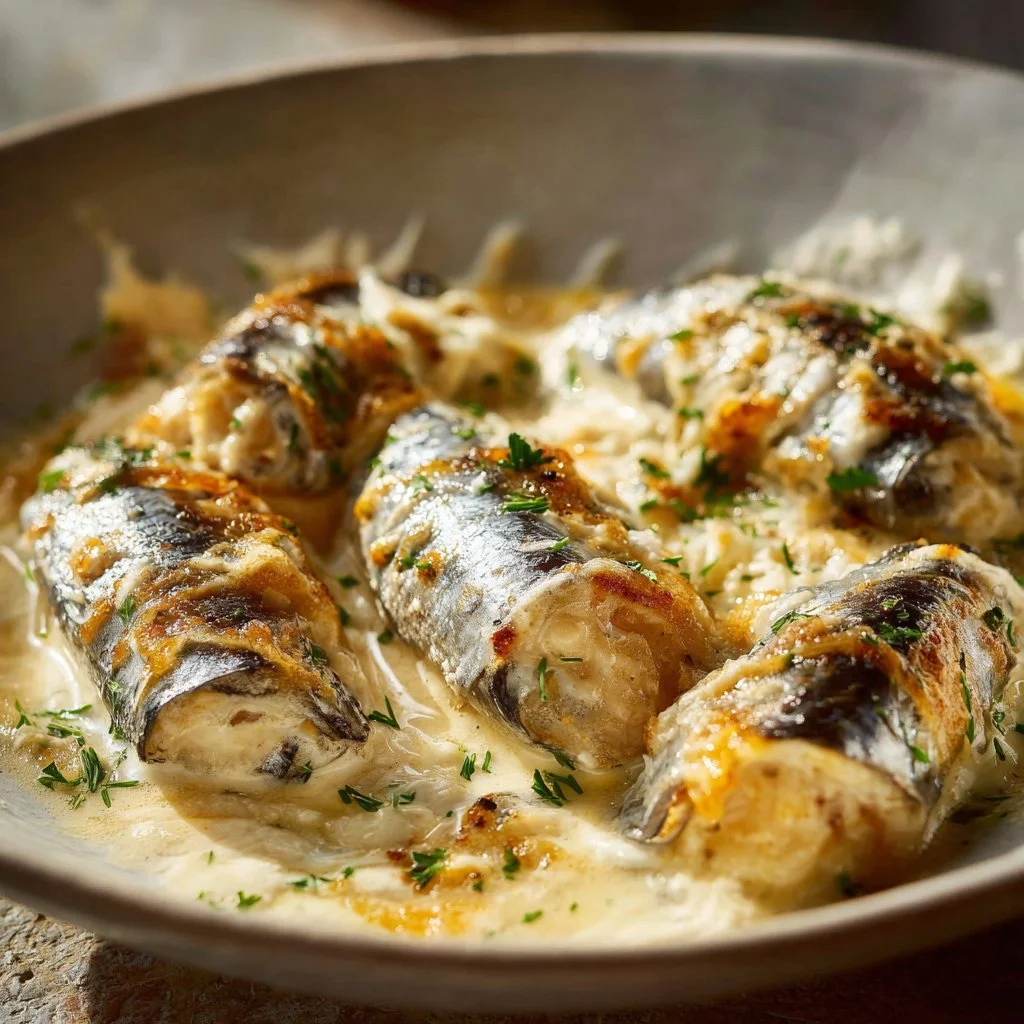
  2. Sardine toasts — crispy bread topped with mashed avocado, halved sardines, chili flakes, and lemon zest.
  3. Salmon and chickpea salad — canned salmon, chickpeas, dill, lemon, red onion, dressed in olive oil.
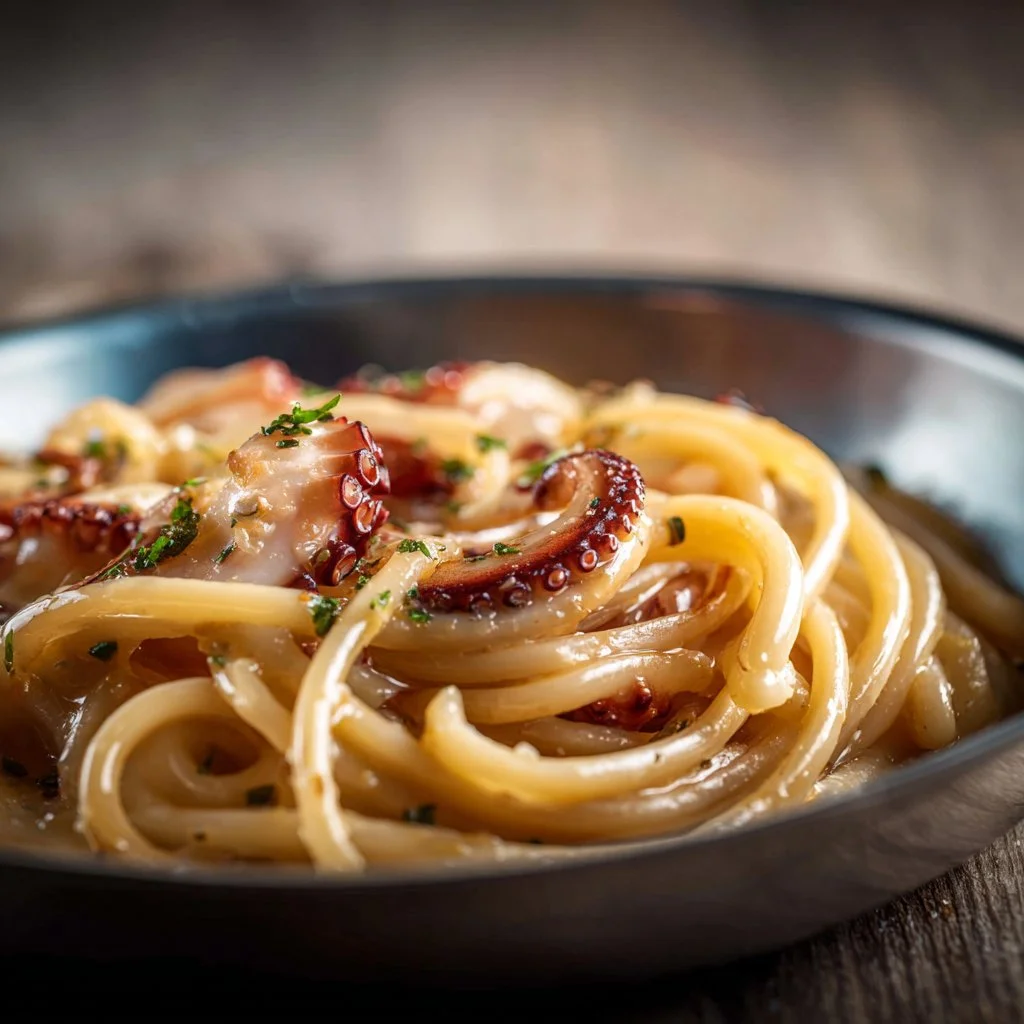
  4. Mackerel pasta with garlic and breadcrumbs — toss flaked mackerel with spaghetti, toasted breadcrumbs, parsley, and olive oil.
  5. Spicy fishcakes — combine any canned fish with mashed potato, scallions, and smoked paprika; pan-fry until crisp.
  6. Creamy fish chowder — start with sautéed onions, add potatoes, broth, and finish with flaked fish and cream or yogurt.
  7. Fish-stuffed peppers — mix flaked tuna or salmon with rice, herbs, and bake in halved bell peppers.
  8. Mediterranean fish salad — tomatoes, cucumbers, capers, olives, and oil-packed tuna.
  9. Quick fried rice — add drained fish toward the end with scallions and soy-style seasoning for a speedy meal.
  10. Fish pate — blend sardines with cream cheese or yogurt, lemon, and herbs for a party-ready spread.
  11. Canned crab rice bowls — warm rice, sautéed greens, and flaky canned crab, finished with sesame and citrus.
  12. Fish tacos with yogurt slaw — use flaky salmon or tuna, top with cabbage slaw and a bright lemon-yogurt sauce.
  13. Pizza with sardines and caramelized onions — use sparingly for a salty, savory hit (use halal-friendly dough and cheeses).
  14. Baked gratin — layer pasta or potatoes with a creamy sauce and flaked fish, top with crisp panko.
  15. Stuffed flatbreads or wraps — mix fish with tahini, herbs, and diced cucumber for handheld comfort.

Each idea can be made lighter (swap mayo for yogurt) or heartier (add beans or grains) depending on season and appetite. For a brunch round, consider serving canned seafood alongside something bold like these bangin breakfast potatoes for contrast and comfort.

Storage, Freezing & Make-Ahead Tips

  • Unopened shelf life: Canned seafood is shelf-stable until the date printed on the can. Store in a cool, dry place away from heat.
  • After opening: Transfer leftover fish and any oil to an airtight container and refrigerate. Use within 48 hours for best quality. Discard if you notice off smells or slimy textures.
  • Cooked dishes: Prepared salads and spreads keep well in the fridge for 2–3 days. Hot dishes like patties or baked gratins can be refrigerated up to 3–4 days.
  • Freezing: Many cooked seafood dishes freeze well — fishcakes, casseroles, and chowders freeze for 2–3 months in airtight, labelled containers. Thaw overnight in the refrigerator before reheating. Note: texture may soften slightly after freezing.
  • Portioning: Freeze individual portions for lunch bowls or quick dinners. Use silicone molds or muffin tins to freeze patties or spreads to grab one at a time.
  • Reheating: Gently reheat in a low oven (around 160–170°C / 325°F) or on the stovetop to avoid drying. For soups, reheat slowly and add a splash of stock if needed.

How to Use / Serve These Dishes

  • Brunch plates: Use canned salmon or tuna for quick benedicts or atop toasted sourdough. Pair with roasted vegetables or those bangin breakfast potatoes for a warm, balanced spread.
  • Weeknight dinners: Toss flaked fish into pasta or rice bowls. Add bright, seasonal herbs and a squeeze of citrus for freshness.
  • Appetizers: Make small fish pates or crostini for a starter. Keep flavors simple — lemon, herbs, and capers go a long way.
  • Picnics and lunches: Tuna salads and fish-stuffed peppers travel well in airtight containers. Keep dressings separate until serving if you want extra crunch.
  • Family meals: Stretch canned seafood by bulking with beans, grains, or roasted root vegetables for filling, budget-friendly dinners.
  • Dessert pairing idea: Finish a seafood-forward meal with something sweet and homey — a burnt honey pie feels like a toast to comfort and seasonality after a cozy supper: burnt honey pie, toffee-like flavor in every bite.

FAQ

Q: Which canned fish is best for salads vs. cooking?
A: Tuna and salmon are great for salads because of their flaky texture and mild flavor. Sardines and mackerel are more robust and shine in warm preparations, on toast, or in pasta where their oil and intensity can flavor the whole dish.

Q: Are canned fish bones safe to eat?
A: Many canned sardines and some salmon contain soft bones that are safe to eat and a good source of calcium. If you prefer a smoother texture, gently remove larger bones with a fork.

Q: How do I reduce saltiness in canned fish?
A: Rinse the fish lightly under cold running water, or flake and soak briefly in water while you prepare other ingredients. Lemon, fresh herbs, and a touch of sweetness (like a small amount of grated apple or honey in dressings) can balance saltiness.

Q: Can I substitute canned seafood for fresh fish in recipes?
A: Yes. Canned seafood can replace fresh in many recipes where a flaky texture is fine—salads, pasta, stews, and patties. Adjust seasoning since canned fish may be more concentrated in flavor.

Conclusion

Canned seafood brings pantry magic to any season: it’s fast, versatile, and capable of creating comforting bowls, elegant starters, and family-friendly mains with a few simple ingredients and tools. For a deeper look at chef-inspired ideas and to keep exploring the many ways tins can transform a meal, check out this thoughtful round-up of chef-curated canned seafood ideas: chef-curated canned seafood ideas from a food magazine. If you want more creative spins and tips on using tinned fish in everyday cooking, this next piece offers approachable inspiration from professional kitchens: creative chef-approved tips for using canned seafood. And if you’re deciding which tins to keep stocked in your pantry, read a concise guide to top-rated tinned fish recommended by professionals here: best tinned fish roundup from a food magazine.

Ready to open a can and make something cozy? Try one of the 15 ideas this week, share what you create, and tag a friend who needs a quick, nourishing dinner idea — I’d love to hear which canned catch becomes your go-to comfort.
Canned seafood dishes showcasing creative recipes from chefs

Canned Seafood Dishes

Explore 15 creative and comforting ways to use canned seafood, from salads to pasta and more, perfect for quick weeknight meals and brunches.
Prep Time 10 minutes
Cook Time 20 minutes
Total Time 30 minutes
Course Dinner, Lunch, Main Course
Cuisine American, Mediterranean, Seafood
Servings 4 servings
Calories 400 kcal

Ingredients
  

Canned Seafood

  • 2 cans canned tuna (in olive oil or water) Choose tuna packed in olive oil for added flavor.
  • 1 can canned salmon (skinless or with skin, flaked)
  • 1 can canned sardines or mackerel (whole or fillets)
  • 1 can canned crab or anchovy fillets (optional, for umami) Use sparingly for added flavor.

Supporting Ingredients

  • 4 tbsp olive oil (extra-virgin for finishing)
  • 1 lemon and/or lime Use for zesting and juicing.
  • 3 cloves garlic Minced.
  • 1 cup fresh herbs (parsley, dill, cilantro) Chopped.
  • 1 cup capers or olives Briny accents to enhance flavor.
  • 2 tbsp Dijon mustard
  • 1 cup plain yogurt or mayonnaise (or tahini for dairy-free)
  • 1 can chickpeas or cannellini beans Rinsed and drained.
  • 1 cup cooked rice or pasta
  • ½ cup breadcrumbs or panko
  • 1 large egg For binding patties.
  • 1 medium onion, scallions, or shallots Chopped.
  • 1 cup tomatoes or roasted red peppers Chopped.
  • 1 tsp spices (smoked paprika, cumin, coriander, black pepper, chili flakes) Adjust to taste.
  • to taste salt and pepper

Instructions
 

Base Preparation

  • Taste and season with lemon, fresh herbs, and adjust with sugar if necessary.

Cooking

  • For crispy patties, form the mixture and pan-sear over medium-high heat for 3–4 minutes per side until golden.
  • For broiled dishes, broil for 2–4 minutes until edges bubble.
  • For spreads, blend drained fish with yogurt or mayo, lemon, capers, and herbs until smooth.
  • For soups and stews, add canned fish near the end of cooking to maintain texture.
Notes

Choose sustainably sourced canned seafood. Olive oil-packed tins add flavor; rinse if you prefer a lighter texture. A blender can help make silky spreads.

Nutrition

Serving: 1gCalories: 400kcalCarbohydrates: 30gProtein: 25gFat: 20gSaturated Fat: 3gSodium: 800mgFiber: 6gSugar: 2g
Keyword Canned Seafood, Easy Dinner, Salmon Recipes, Seafood Dishes, Tuna Recipes
Tried this recipe?Let us know how it was!

15 Ways to Use Canned Seafood, According to Chefs

Published: March 21, 2026 By Carol bonaparte

Canned seafood dishes showcasing creative recipes from chefs

15 Ways to Use Canned Seafood, According to Chefs.
If pantry cooking makes you feel warm and resourceful, this collection will be your new favorite seasonal companion. In "15 Ways to Use Canned Seafood, According to Chefs" you’ll find approachable, comforting ideas built around staples like canned tuna, salmon, sardines, and mackerel — all with notes on texture (flaky, silky, or meaty), bright flavor pairings (lemon, herbs, toasted spices), and easy swaps for the season. These ideas are perfect for weeknight dinners, cozy lunches, or weekend brunches when you want home-cooked goodness without hours in the kitchen; and if you like sweet-savory combos, pair a citrusy salad alongside these amazing spiced pumpkin streusel muffins for a balanced meal with a smile: amazing spiced pumpkin streusel muffins.

Why canned seafood is seasonal comfort

Canned seafood is wonderfully seasonal in spirit even when it’s available year-round: it’s pantry-stable, nutrient-rich, and easy to dress up for crisp spring salads, cozy autumn stews, or fresh summer sandwiches. Chefs love tin fish because the intense flavor concentrates in a can — making it ideal for bold spreads, quick sautés, or elegant simple plates. Below, you’ll find ingredients, tools, a flexible step-by-step base method, and 15 chef-approved ways to turn cans into dishes full of texture and warmth.

Ingredients & Equipment

Ingredients (pantry-ready; adjust quantities for servings)

  • Canned tuna (in olive oil or water)
  • Canned salmon (skinless or with skin, flaked)
  • Canned sardines or mackerel (whole or fillets)
  • Canned crab or anchovy fillets (optional, for umami)
  • Olive oil (extra-virgin for finishing)
  • Lemon and/or lime
  • Garlic
  • Fresh herbs: parsley, dill, cilantro
  • Capers or olives (briny accents)
  • Dijon mustard
  • Plain yogurt or mayonnaise (or tahini for dairy-free)
  • Chickpeas or cannellini beans (canned)
  • Cooked rice or pasta
  • Breadcrumbs or panko
  • Eggs (for binding patties)
  • Onions, scallions, or shallots
  • Tomatoes or roasted red peppers
  • Spices: smoked paprika, cumin, coriander, black pepper, chili flakes
  • Salt (to taste) and pepper

Helpful Equipment

  • Can opener and fork for flaking
  • Mixing bowls
  • Skillet (nonstick or cast-iron)
  • Baking tray for broiling/roasting
  • Blender or food processor (for spreads and dips)
  • Measuring spoons and cups
  • Wooden spoon or spatula
  • Cooling rack (optional)
  • Thermometer (useful for fish cakes or patties)

Notes

  • Choose tins labeled sustainably sourced when possible.
  • Olive oil–packed tins add flavor; rinse if you prefer lighter texture.
  • A blender helps make silky spreads; a fork is great for flaky salads.

Step-by-Step Instructions (with tips)

Below is a flexible base method you can adapt for salads, patties, pasta, soups, and more. Use it as a template, then pick from the 15 chef-inspired ideas that follow.

Base Preparation: How to Handle Canned Seafood

  1. Open and inspect: Open the can, drain the liquid into the sink or a small bowl if you want to reuse the oil for cooking or dressing. For oily tins, reserve a tablespoon for a more flavorful sauté or vinaigrette.
  2. Flake or keep whole: For salads and pasta, use a fork to gently flake the fish into bite-sized pieces. For dishes where texture matters (like sardine toast), keep fillets whole or halved.
  3. Remove large bones if present: Many canned sardines and salmon contain edible bones rich in calcium. If you prefer a boneless texture, press and remove any large bones with a fork or your fingers.
  4. Taste and season: Canned seafood can be salty, especially anchovies and some sardines. Taste first, then add lemon, herbs, or a touch of sugar to balance if needed.

Variations and cooking tips

  • Sautéing vs. Broiling: For patties or to crisp canned fish, form patties and pan-sear over medium-high heat for 3–4 minutes per side until golden. For a crisp finish on open-faced toast or fish-topped gratins, broil 2–4 minutes until edges bubble.
  • Roasting vegetables with canned seafood: Roast tomatoes, onions, and peppers until caramelized, then toss with flaked fish for depth.
  • Blending into spreads: In a food processor, combine drained fish, yogurt or mayo, lemon, capers, and herbs for a silky spread. Chill for 30 minutes to let flavors meld.
  • For soups and stews: Add canned fish near the end of simmering to preserve texture; avoid long boiling which breaks down delicate flakes.

Quick recipe example — Flaky Tuna Cakes (serves 4)
Ingredients:

  • 2 cans tuna (drained), 1 small onion finely chopped, 1 egg, 1/2 cup panko, 1 tbsp Dijon, 2 tbsp chopped parsley, zest and juice of 1 lemon, salt and pepper, olive oil for frying.

Steps:

  1. Mix tuna, onion, egg, panko, Dijon, parsley, lemon zest and juice, salt, and pepper until combined.
  2. Form into 8 small patties and chill 10 minutes (helps hold shape).
  3. Heat 2 tbsp olive oil in a skillet over medium heat. Pan-sear patties 3–4 minutes per side until golden.
  4. Serve warm with lemon wedges and a green salad.

Chef tip: If patties feel too wet, add more panko; if too dry, a spoonful of yogurt will bring moisture and tang.

15 Chef-Approved Ways to Use Canned Seafood

  1. Tuna Niçoise-inspired bowl — flaked tuna with potatoes, green beans, olives, and a mustardy vinaigrette.
  2. Sardine toasts — crispy bread topped with mashed avocado, halved sardines, chili flakes, and lemon zest.
  3. Salmon and chickpea salad — canned salmon, chickpeas, dill, lemon, red onion, dressed in olive oil.
  4. Mackerel pasta with garlic and breadcrumbs — toss flaked mackerel with spaghetti, toasted breadcrumbs, parsley, and olive oil.
  5. Spicy fishcakes — combine any canned fish with mashed potato, scallions, and smoked paprika; pan-fry until crisp.
  6. Creamy fish chowder — start with sautéed onions, add potatoes, broth, and finish with flaked fish and cream or yogurt.
  7. Fish-stuffed peppers — mix flaked tuna or salmon with rice, herbs, and bake in halved bell peppers.
  8. Mediterranean fish salad — tomatoes, cucumbers, capers, olives, and oil-packed tuna.
  9. Quick fried rice — add drained fish toward the end with scallions and soy-style seasoning for a speedy meal.
  10. Fish pate — blend sardines with cream cheese or yogurt, lemon, and herbs for a party-ready spread.
  11. Canned crab rice bowls — warm rice, sautéed greens, and flaky canned crab, finished with sesame and citrus.
  12. Fish tacos with yogurt slaw — use flaky salmon or tuna, top with cabbage slaw and a bright lemon-yogurt sauce.
  13. Pizza with sardines and caramelized onions — use sparingly for a salty, savory hit (use halal-friendly dough and cheeses).
  14. Baked gratin — layer pasta or potatoes with a creamy sauce and flaked fish, top with crisp panko.
  15. Stuffed flatbreads or wraps — mix fish with tahini, herbs, and diced cucumber for handheld comfort.

Each idea can be made lighter (swap mayo for yogurt) or heartier (add beans or grains) depending on season and appetite. For a brunch round, consider serving canned seafood alongside something bold like these bangin breakfast potatoes for contrast and comfort.

Storage, Freezing & Make-Ahead Tips

  • Unopened shelf life: Canned seafood is shelf-stable until the date printed on the can. Store in a cool, dry place away from heat.
  • After opening: Transfer leftover fish and any oil to an airtight container and refrigerate. Use within 48 hours for best quality. Discard if you notice off smells or slimy textures.
  • Cooked dishes: Prepared salads and spreads keep well in the fridge for 2–3 days. Hot dishes like patties or baked gratins can be refrigerated up to 3–4 days.
  • Freezing: Many cooked seafood dishes freeze well — fishcakes, casseroles, and chowders freeze for 2–3 months in airtight, labelled containers. Thaw overnight in the refrigerator before reheating. Note: texture may soften slightly after freezing.
  • Portioning: Freeze individual portions for lunch bowls or quick dinners. Use silicone molds or muffin tins to freeze patties or spreads to grab one at a time.
  • Reheating: Gently reheat in a low oven (around 160–170°C / 325°F) or on the stovetop to avoid drying. For soups, reheat slowly and add a splash of stock if needed.

How to Use / Serve These Dishes

  • Brunch plates: Use canned salmon or tuna for quick benedicts or atop toasted sourdough. Pair with roasted vegetables or those bangin breakfast potatoes for a warm, balanced spread.
  • Weeknight dinners: Toss flaked fish into pasta or rice bowls. Add bright, seasonal herbs and a squeeze of citrus for freshness.
  • Appetizers: Make small fish pates or crostini for a starter. Keep flavors simple — lemon, herbs, and capers go a long way.
  • Picnics and lunches: Tuna salads and fish-stuffed peppers travel well in airtight containers. Keep dressings separate until serving if you want extra crunch.
  • Family meals: Stretch canned seafood by bulking with beans, grains, or roasted root vegetables for filling, budget-friendly dinners.
  • Dessert pairing idea: Finish a seafood-forward meal with something sweet and homey — a burnt honey pie feels like a toast to comfort and seasonality after a cozy supper: burnt honey pie, toffee-like flavor in every bite.

FAQ

Q: Which canned fish is best for salads vs. cooking?
A: Tuna and salmon are great for salads because of their flaky texture and mild flavor. Sardines and mackerel are more robust and shine in warm preparations, on toast, or in pasta where their oil and intensity can flavor the whole dish.

Q: Are canned fish bones safe to eat?
A: Many canned sardines and some salmon contain soft bones that are safe to eat and a good source of calcium. If you prefer a smoother texture, gently remove larger bones with a fork.

Q: How do I reduce saltiness in canned fish?
A: Rinse the fish lightly under cold running water, or flake and soak briefly in water while you prepare other ingredients. Lemon, fresh herbs, and a touch of sweetness (like a small amount of grated apple or honey in dressings) can balance saltiness.

Q: Can I substitute canned seafood for fresh fish in recipes?
A: Yes. Canned seafood can replace fresh in many recipes where a flaky texture is fine—salads, pasta, stews, and patties. Adjust seasoning since canned fish may be more concentrated in flavor.

Conclusion

Canned seafood brings pantry magic to any season: it’s fast, versatile, and capable of creating comforting bowls, elegant starters, and family-friendly mains with a few simple ingredients and tools. For a deeper look at chef-inspired ideas and to keep exploring the many ways tins can transform a meal, check out this thoughtful round-up of chef-curated canned seafood ideas: chef-curated canned seafood ideas from a food magazine. If you want more creative spins and tips on using tinned fish in everyday cooking, this next piece offers approachable inspiration from professional kitchens: creative chef-approved tips for using canned seafood. And if you’re deciding which tins to keep stocked in your pantry, read a concise guide to top-rated tinned fish recommended by professionals here: best tinned fish roundup from a food magazine.

Ready to open a can and make something cozy? Try one of the 15 ideas this week, share what you create, and tag a friend who needs a quick, nourishing dinner idea — I’d love to hear which canned catch becomes your go-to comfort.

Canned seafood dishes showcasing creative recipes from chefs

Canned Seafood Dishes

Explore 15 creative and comforting ways to use canned seafood, from salads to pasta and more, perfect for quick weeknight meals and brunches.
Prep Time 10 minutes
Cook Time 20 minutes
Total Time 30 minutes
Course Dinner, Lunch, Main Course
Cuisine American, Mediterranean, Seafood
Servings 4 servings
Calories 400 kcal

Ingredients
  

Canned Seafood

  • 2 cans canned tuna (in olive oil or water) Choose tuna packed in olive oil for added flavor.
  • 1 can canned salmon (skinless or with skin, flaked)
  • 1 can canned sardines or mackerel (whole or fillets)
  • 1 can canned crab or anchovy fillets (optional, for umami) Use sparingly for added flavor.

Supporting Ingredients

  • 4 tbsp olive oil (extra-virgin for finishing)
  • 1 lemon and/or lime Use for zesting and juicing.
  • 3 cloves garlic Minced.
  • 1 cup fresh herbs (parsley, dill, cilantro) Chopped.
  • 1 cup capers or olives Briny accents to enhance flavor.
  • 2 tbsp Dijon mustard
  • 1 cup plain yogurt or mayonnaise (or tahini for dairy-free)
  • 1 can chickpeas or cannellini beans Rinsed and drained.
  • 1 cup cooked rice or pasta
  • ½ cup breadcrumbs or panko
  • 1 large egg For binding patties.
  • 1 medium onion, scallions, or shallots Chopped.
  • 1 cup tomatoes or roasted red peppers Chopped.
  • 1 tsp spices (smoked paprika, cumin, coriander, black pepper, chili flakes) Adjust to taste.
  • to taste salt and pepper

Instructions
 

Base Preparation

  • Taste and season with lemon, fresh herbs, and adjust with sugar if necessary.

Cooking

  • For crispy patties, form the mixture and pan-sear over medium-high heat for 3–4 minutes per side until golden.
  • For broiled dishes, broil for 2–4 minutes until edges bubble.
  • For spreads, blend drained fish with yogurt or mayo, lemon, capers, and herbs until smooth.
  • For soups and stews, add canned fish near the end of cooking to maintain texture.

Notes

Choose sustainably sourced canned seafood. Olive oil-packed tins add flavor; rinse if you prefer a lighter texture. A blender can help make silky spreads.

Nutrition

Serving: 1gCalories: 400kcalCarbohydrates: 30gProtein: 25gFat: 20gSaturated Fat: 3gSodium: 800mgFiber: 6gSugar: 2g
Keyword Canned Seafood, Easy Dinner, Salmon Recipes, Seafood Dishes, Tuna Recipes
Tried this recipe?Let us know how it was!

Leave a Comment

Recipe Rating